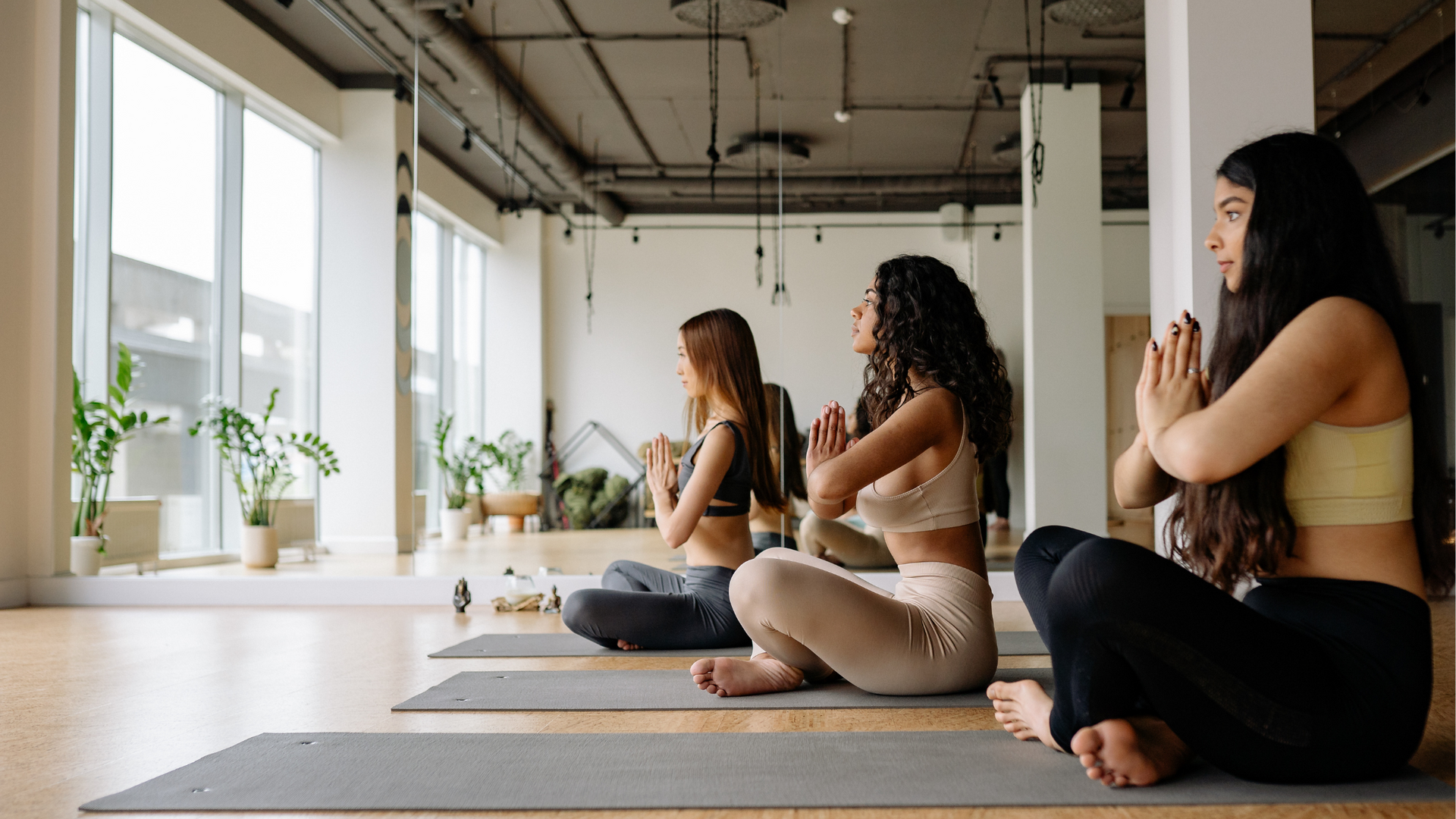

Guided meditation is a form of meditation where a person is led through the practice by a narrator, teacher, or audio recording. Instead of sitting in silence and trying to guide your own thoughts, you follow verbal instructions that help direct your attention, breathing, and mental focus.
This structure makes guided meditation especially helpful for beginners, but it is also widely used by experienced practitioners who want support in relaxation, visualization, or emotional processing.
If you want to explore more tools for mental clarity and emotional balance, you can read more in our Knowledge Hub and take the quiz to get personalized supplement recommendations designed to support stress, focus, and overall well-being.
How Guided Meditation Works
Guided meditation works by giving your mind a clear focus and direction.
During the practice, a guide may instruct you to focus on your breath, notice sensations in your body, or imagine calming scenes such as a beach, forest, or quiet room. These instructions help anchor your attention, making it easier to stay present.
The voice of the guide also plays an important role. A calm and steady tone can signal safety to the brain, helping activate the parasympathetic nervous system, which promotes relaxation and recovery.
Because the mind often wanders, having guidance helps gently bring your attention back whenever it drifts. This reduces frustration and makes the practice more accessible.
Types of Guided Meditation
Guided meditation can take many forms depending on its purpose.
Some sessions focus on relaxation, helping you release tension and calm the body. Others focus on mindfulness, encouraging you to observe thoughts and sensations without judgment.
Visualization meditation involves imagining peaceful or meaningful scenes to create a sense of calm or clarity. Body scan meditation guides your attention through different parts of the body to increase awareness and reduce tension.
There are also guided meditations designed for specific goals, such as improving sleep, reducing anxiety, enhancing focus, or building self-confidence.
Benefits of Guided Meditation
Guided meditation offers both immediate and long-term benefits.
In the short term, it can help reduce stress, slow the heart rate, and create a sense of calm. Many people use it to relax after a long day or prepare for sleep.
Over time, regular practice can improve focus, emotional regulation, and self-awareness. It can also help reduce patterns of overthinking by training the mind to return to the present moment.
Guided meditation may also support better sleep quality, as it helps calm both the mind and body before rest.
Guided Meditation vs. Silent Meditation
The main difference between guided and silent meditation is the level of structure.
In guided meditation, an external voice provides direction, making it easier to stay focused and follow a process. This is especially helpful for beginners or during times of stress.
In silent meditation, you guide your own attention without external instructions. This requires more practice and self-awareness but can offer greater independence.
Both forms are valuable, and many people use a combination depending on their needs.
What Happens in the Brain During Guided Meditation
Guided meditation affects brain activity in several ways.
It can reduce activity in areas associated with stress and overthinking, such as the brain’s default mode network, which is linked to mind-wandering and self-referential thinking.
At the same time, it can increase activity in areas related to attention, emotional regulation, and awareness.
Over time, these changes can improve your ability to focus, manage stress, and respond more calmly to challenges.
How to Practice Guided Meditation
Practicing guided meditation is simple and flexible.
You can start by choosing a quiet space where you feel comfortable. Sit or lie down in a relaxed position. Then, listen to a guided meditation through an app, video, or audio recording.
Follow the instructions as best as you can, without trying to be perfect. If your mind wanders, gently bring your attention back to the guide’s voice.
Sessions can range from a few minutes to longer periods, depending on your preference. Even short sessions can be effective when practiced regularly.
Common Challenges and Misconceptions
Many people believe that meditation requires clearing the mind completely, but this is not the goal.
Thoughts will naturally arise during meditation. Guided meditation helps you notice them without getting carried away.
Another common challenge is restlessness or impatience, especially in the beginning. This is normal and tends to improve with practice.
Some people may also expect immediate results. While guided meditation can provide quick relaxation, its deeper benefits develop over time with consistency.
Guided Meditation and Mental Health
Guided meditation is often used as a supportive tool for mental health.
It can help reduce stress, anxiety, and emotional overwhelm by calming the nervous system and increasing awareness of thoughts and feelings.
It also encourages a non-judgmental approach to internal experiences, which can improve emotional resilience.
While it is not a replacement for professional care, it can be a valuable part of a mental wellness routine.
Final Thought
Guided meditation offers a simple and accessible way to bring calm, clarity, and awareness into your daily life.
By following gentle guidance, you can learn to focus your mind, relax your body, and respond to stress more effectively.
With regular practice, it becomes more than just a relaxation tool, it becomes a way to reconnect with yourself and create space for balance and well-being.
If you want to take your mental wellness further, consider taking the quiz to get personalized supplement recommendations designed to support relaxation, focus, and emotional balance.
Frequently Asked Questions
Is guided meditation good for beginners?
Yes, guided meditation is one of the best ways for beginners to start. The step-by-step instructions help you stay focused and reduce confusion about what to do. Instead of trying to control your thoughts on your own, you simply follow the guide’s voice. This makes the experience more structured, easier to understand, and less overwhelming.
How long should a guided meditation session be?
Guided meditation sessions can range from 5 to 30 minutes or longer, depending on your preference and schedule. Beginners often benefit from shorter sessions, such as 5–10 minutes, to build consistency. As you become more comfortable, you can gradually increase the duration. What matters most is regular practice rather than length.
What should I do if my mind keeps wandering during guided meditation?
It is completely normal for your mind to wander during meditation. When you notice your attention drifting, gently bring your focus back to the guide’s voice or your breath. There is no need to feel frustrated, this process of returning your attention is actually part of the practice. Over time, your ability to stay focused will naturally improve.