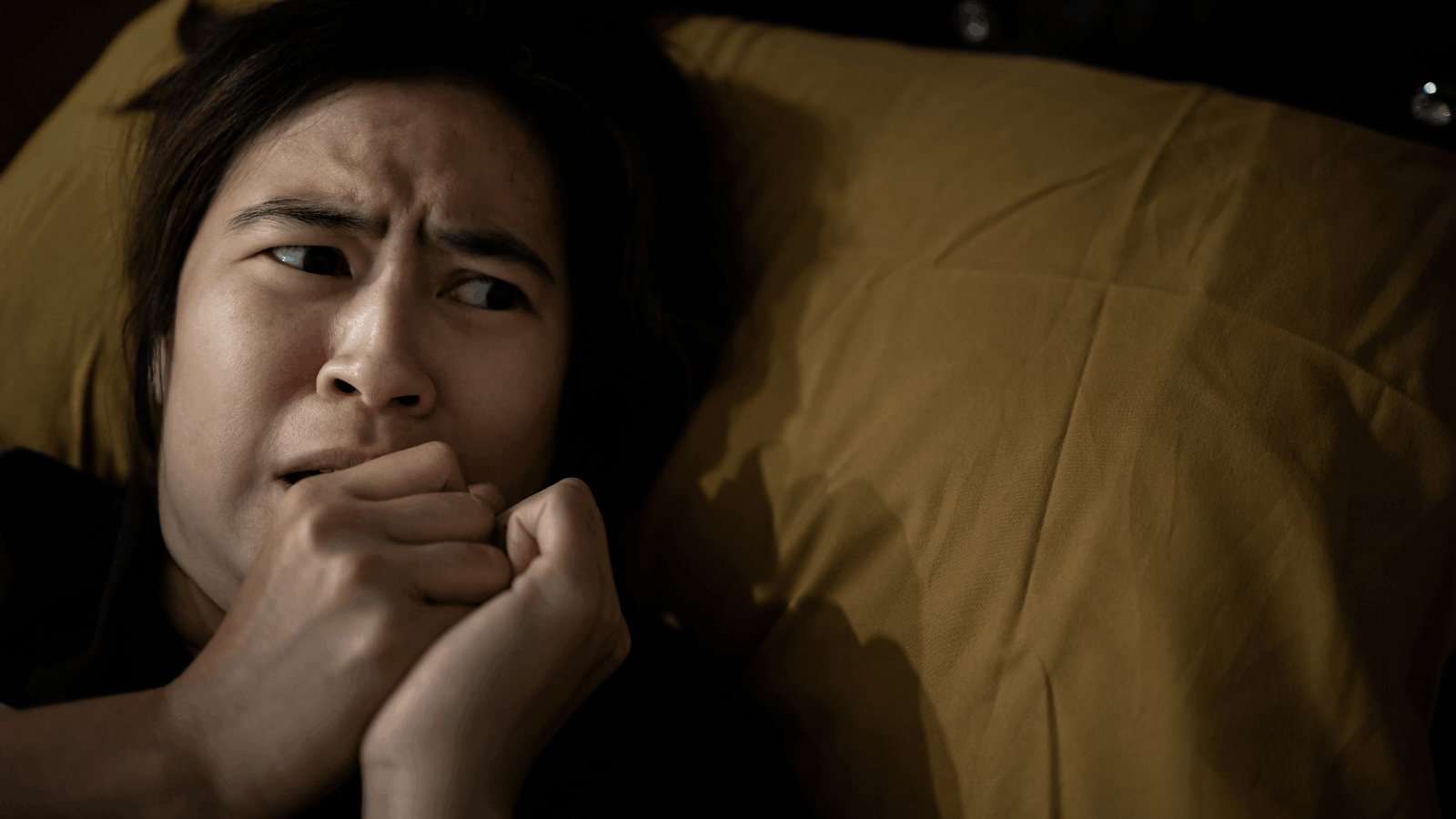

Definition of Hallucination: Types, Causes & Effects
Hallucinations are false sensory experiences that make someone see, hear, feel, smell, or taste things that aren’t really there. They may be linked to mental health conditions like schizophrenia or bipolar disorder, but can also result from brain disorders, substance use, physical illness, or even extreme sleep deprivation.
This guide explains what hallucinations are, the types that exist, their common causes, effects, and possible treatments.
What is a Hallucination?
A hallucination happens when the brain creates a sensory experience without any real external cause. This makes them different from illusions, which are distortions of something that actually exists. For example, an illusion might make a rope look like a snake, while a hallucination could make someone see a snake that isn’t there at all.
Hallucinations can affect any of the five senses—sight, sound, touch, taste, or smell. They may be mild and short-lived or severe and long-term. Some people recognize that their hallucinations aren’t real, which helps them cope, while others firmly believe in them. When this happens, it can lead to confusion, fear, or distress. In more severe cases, hallucinations can disrupt daily life and require medical treatment.
Hallucinations vs. Illusions vs. Delusions: What’s the Difference?
Hallucinations, illusions, and delusions all involve seeing, hearing, or believing things that aren’t real, but they are not the same. Here’s an easy way to understand the differences:
- Hallucinations happen when a person experiences something that isn’t there—like hearing voices, seeing people, or feeling something touch them when nothing is actually present. These are false sensory experiences created by the brain.
Example: An individual perceives a voice distinctly calling their name, despite no external source being present. - Illusions are when the brain misinterprets something real, making it seem different from what it actually is. These are based on real things but perceived incorrectly.
Example: Perceiving a coat hanging in a dimly lit room as the figure of a person as a result of a misinterpretation of visual stimuli. - Delusions are false beliefs that a person strongly believes in, even when there is proof that they are not true. Unlike hallucinations and illusions, delusions affect thoughts, not the senses.
Example: Someone believes they are being followed by the government, even though there is no evidence.
How They Are Different
- Hallucinations involve false sensory experiences (seeing, hearing, or feeling things that aren’t real).
- Illusions happen when something real is perceived incorrectly.
- Delusions are false beliefs that don’t change, even when proven wrong.
Why It Matters
Hallucinations and delusions can be signs of mental health conditions like schizophrenia or bipolar disorder, while illusions are usually harmless misinterpretations. If someone is experiencing frequent hallucinations or delusions, it’s important to seek medical help.
.png)
Types of Hallucinations
Hallucinations can affect any of the five senses, causing individuals to see, hear, smell, taste, or feel things that aren’t actually there. These experiences can be vivid and realistic, making it difficult for the person to distinguish between reality and illusion. Below are the most common types of hallucinations and how they manifest.
1. Visual Hallucinations (Seeing Things That Aren’t There)
Visual hallucinations involve perceiving images, people, or objects that do not exist. These can appear lifelike or distorted, and may include:
- Presence hallucinations – Seeing figures, people, or animals that are not actually there.
- Flashes of light, colors, or shadows that move unpredictably.
- Distorted surroundings, where objects appear to shift, warp, or change shape.
2. Auditory Hallucinations (Hearing Voices or Sounds)
Auditory hallucinations occur when a person hears sounds or voices that have no external source. These may include:
- Voices speaking directly to or about the person, sometimes whispering or shouting.
- Non-verbal auditory hallucinations may include indistinct murmurs, persistent ringing, buzzing noises, or even phantom musical tones.
- Repetitive noises, like footsteps, banging, or clicking, which may seem to come from nowhere.
3. Olfactory Hallucinations (Smelling Nonexistent Odors)
Also known as phantosmia, these hallucinations cause a person to detect smells that have no real source. The odors may be:
- Unpleasant – Rotting food, burning rubber, chemicals, or smoke.
- Pleasant – Floral scents, fresh air, or perfume, despite no actual fragrance being present.
4. Gustatory Hallucinations (Tasting Things That Aren’t There)
Gustatory hallucinations involve experiencing false tastes without eating or drinking anything. These often include:
- Metallic or bitter tastes that linger in the mouth.
- Unusual or persistent flavors that cannot be explained by food, drink, or medication.
5. Tactile Hallucinations (Feeling Sensations Without Physical Cause)
Tactile hallucinations cause a person to feel physical sensations that have no external source. These may include:
- Formication – The sensation of bugs crawling on or under the skin.
- Unexplained touch – Feeling as if someone is grabbing, tapping, or pushing them.
- Temperature or pain sensations – Experiencing sudden heat, cold, pressure, or discomfort without any real stimulus.
Causes of Hallucinations
Hallucinations can happen for many reasons, including mental health disorders, brain conditions, medical problems, drug use, and sleep issues. Understanding the cause is important for finding the right treatment.
Psychiatric Causes
Mental health conditions are a common cause. Schizophrenia and other psychotic disorders often lead to hearing voices or seeing things that aren’t real. Bipolar disorder can also trigger hallucinations during either manic or depressive episodes. Severe stress, trauma, or PTSD may cause frightening voices, flashbacks, or other false sensory experiences.
Neurological Causes
Certain brain conditions can disrupt how the senses process information. Temporal lobe epilepsy may cause unusual smells, tastes, or sounds during seizures. Parkinson’s disease and Lewy body dementia are often linked with vivid visual hallucinations. In some cases, brain tumors can also lead to abnormal sensory experiences.
Medical Causes
Other health problems can trigger hallucinations as well. Neurodegenerative diseases, such as Alzheimer’s and Parkinson’s, may cause visual, smell-related, or touch-based hallucinations. Migraines with aura can create flashing lights or zigzag patterns before a headache. People with hearing loss may also experience phantom sounds, often described as ringing in the ears (tinnitus).
Substance-Related Causes
Drugs and alcohol can strongly affect the brain. Hallucinogenic substances like LSD, psilocybin (magic mushrooms), or DMT can directly cause intense visual and sensory hallucinations. Stimulants such as cocaine and methamphetamine may cause people to feel like insects are crawling on their skin. Withdrawal from alcohol or sedatives like benzodiazepines can also produce disturbing hallucinations.
Sleep-Related Causes
Sleep disturbances are another trigger. Hypnagogic hallucinations occur when falling asleep, while hypnopompic hallucinations happen when waking up. These often involve vivid images, voices, or even the feeling of someone’s presence in the room. Severe sleep deprivation can also cause hallucinations across several senses.
Hallucinations can come from mental health conditions, brain disorders, medical problems, drugs, or sleep issues. If they happen often or cause distress, it’s important to see a doctor for proper evaluation and treatment.
Effects of Hallucinations: Psychological, Social, and Physical Impact
Hallucinations can range from mild and temporary to persistent and disruptive, affecting mental health, relationships, and physical safety. Their impact depends on the cause, frequency, and severity.
Psychological Effects
Hallucinations often trigger fear, anxiety, and confusion because they feel real. This can lead to paranoia, emotional instability, or depression. Over time, some individuals may withdraw socially or experience cognitive difficulties such as poor concentration and decision-making struggles.
Social & Occupational Effects
Hallucinations can strain relationships and cause social isolation, as individuals may misinterpret others’ actions or avoid gatherings out of embarrassment. At work or school, they may struggle to focus, follow instructions, or interact effectively, leading to poor performance or job loss.
Physical Risks & Safety Concerns
Visual or tactile hallucinations may cause accidents by distorting reality, such as misjudging surroundings. In severe cases, command hallucinations can increase the risk of self-harm, aggression, or suicide if left untreated.
Treatment & Management of Hallucinations
Hallucinations can feel scary, but they are often treatable. The right approach depends on the main cause, such as a mental health condition, a brain disorder, or substance use.
1. Treating the Underlying Cause
Psychiatric Disorders
Hallucinations linked to schizophrenia, bipolar disorder, or severe depression with psychosis are usually treated with:
- Antipsychotic medications (like Risperidone or Olanzapine) to reduce symptoms.
- Mood stabilizers for hallucinations related to bipolar disorder.
- Cognitive Behavioral Therapy (CBT) to help people cope with and manage distress caused by hallucinations.
Neurological Conditions
Brain disorders such as epilepsy, Parkinson’s disease, or Lewy body dementia may also cause hallucinations. Treatment may include:
- Seizure medicines (like carbamazepine) for epilepsy.
- Dementia care strategies to ease symptoms in Lewy body dementia.
- Adjusting Parkinson’s medications if they worsen hallucinations.
Substance-Induced Hallucinations
Hallucinations caused by drugs, alcohol, or withdrawal often need:
- Medical detox and rehab programs to safely stop substance use.
- Therapy and support groups to avoid relapse and build healthier coping skills.
2. Medications & Therapy
- Antipsychotic medicines such as Risperidone and Olanzapine are commonly used for auditory (hearing) and visual (seeing) hallucinations.
- Clozapine may be given for severe cases that don’t respond to other treatments.
- CBT (Cognitive Behavioral Therapy) helps people identify triggers, test what is real versus imagined, and use healthier coping strategies.
3. Lifestyle Changes & Support
- Good sleep habits can prevent sleep-related hallucinations.
- Avoiding drugs and alcohol lowers the chance of new episodes.
- Mindfulness and stress management techniques, like meditation or breathing exercises, can reduce anxiety linked to hallucinations.
Conclusion
Hallucinations are intense and often distressing experiences that can affect mental, emotional, and physical health. They may stem from psychiatric disorders, neurological conditions, substance use, or sleep problems. While some are brief and manageable, others can disrupt daily life and safety.
Recognizing the causes is key to finding the right treatment – whether through medication, therapy, or lifestyle changes. If hallucinations are ongoing or upsetting, seeking medical help can improve diagnosis, care, and quality of life.
Stay proactive about your mental well-being – Take our mental health quiz for personalized supplement recommendations!
Frequently Asked Questions
Can stress alone cause hallucinations?
Yes. High levels of stress, especially when paired with anxiety or trauma, can trigger temporary hallucinations. These are often short-lived but may become more frequent or severe if stress is not managed properly.
Are hallucinations always a sign of a mental illness?
No. While hallucinations are common in conditions like schizophrenia or bipolar disorder, they can also result from physical illnesses (like epilepsy or Parkinson’s), medication side effects, drug use, or even lack of sleep. That’s why proper medical evaluation is important.
Can children or teenagers experience hallucinations?
Yes. Children and teens may have hallucinations due to fever, sleep problems, stress, or mental health conditions. In some cases, they may also struggle to distinguish imagination from reality. Persistent or distressing hallucinations in young people should be evaluated by a healthcare professional.