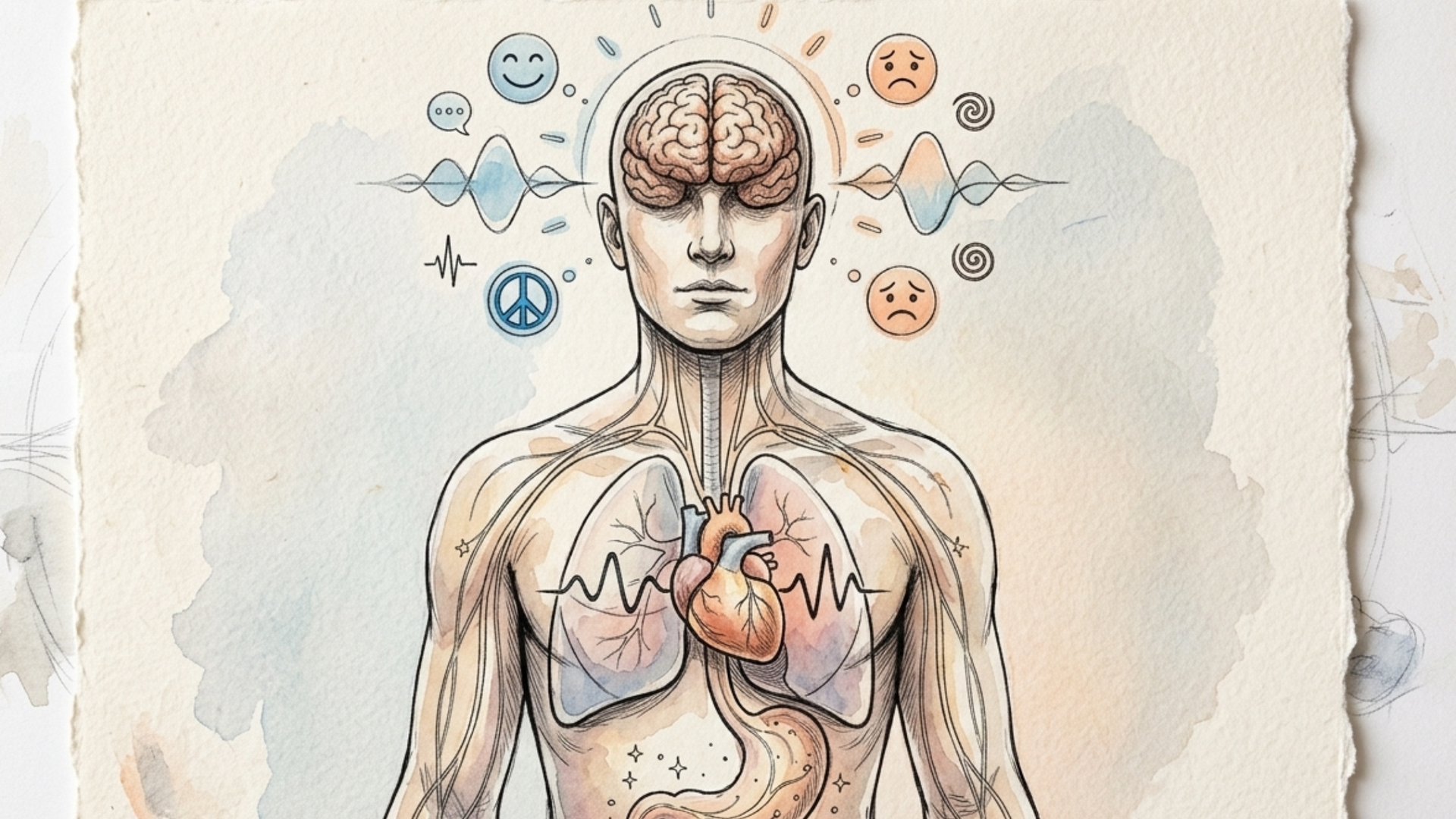

Health psychology is a branch of psychology that studies how biological, psychological, and social factors influence physical health and illness. It focuses on understanding how thoughts, emotions, behaviors, and lifestyle habits affect overall well-being and how psychological principles can be used to promote healthier lives. Health psychologists examine the ways people cope with illness, manage stress, make health-related decisions, and adopt behaviors that support long-term wellness.
The field of health psychology developed as researchers recognized that health cannot be explained solely by biological factors. Instead, human health is shaped by a complex interaction between the body, the mind, and the surrounding environment. This perspective is often referred to as the biopsychosocial model, a concept widely associated with George L. Engel. The biopsychosocial model emphasizes that physical health is influenced not only by medical conditions but also by emotional states, behaviors, social relationships, and environmental circumstances.
Understanding health psychology helps explain why lifestyle choices, stress management, emotional well-being, and social support play important roles in maintaining good health.
If you want to deepen your understanding of psychology, mental well-being, and healthy lifestyle habits, you can read or explore more articles in the Knowledge Hub for additional mental health and psychology topics. You can also take the quiz to get personalized supplement recommendations designed to support focus, stress balance, emotional well-being, and overall cognitive health.
The Biopsychosocial Approach to Health
One of the central ideas in health psychology is that health is influenced by multiple interacting factors. The biopsychosocial approach recognizes three major components that contribute to health outcomes.
Biological factors include genetics, physical conditions, immune system functioning, and medical conditions. These factors influence how the body responds to illness or injury.
Psychological factors involve thoughts, emotions, attitudes, and coping strategies. Stress levels, optimism, and emotional resilience can influence how individuals manage health challenges and adopt healthy behaviors.
Social factors include relationships, cultural influences, socioeconomic conditions, and access to healthcare. Support from family, friends, and communities can significantly influence health outcomes and recovery.
By examining how these factors interact, health psychology provides a more comprehensive understanding of human health.
Health Behaviors and Lifestyle Choices
Health psychology focuses strongly on health behaviors, which are actions individuals take that affect their physical well-being. These behaviors can either promote health or increase the risk of illness.
Examples of health-promoting behaviors include regular physical activity, balanced nutrition, sufficient sleep, and avoiding harmful substances. Health psychologists study why individuals choose certain behaviors and how habits can be changed to support healthier lifestyles.
Understanding motivation, habits, and environmental influences helps health psychologists develop strategies that encourage people to adopt positive health behaviors.
The Role of Stress in Health
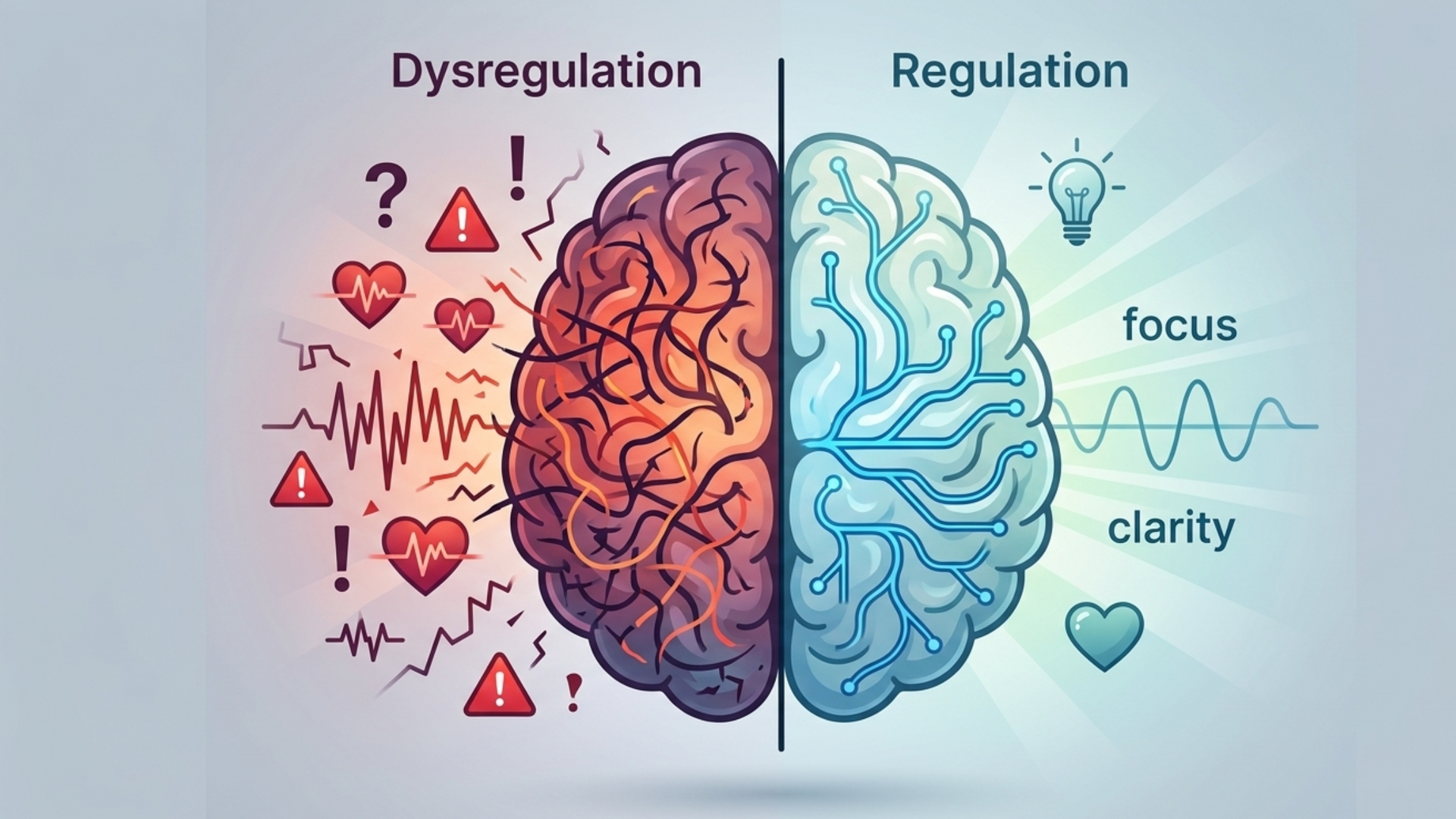
Stress is one of the most widely studied topics in health psychology because of its strong connection to both mental and physical health. Chronic stress can influence many biological processes, including hormone levels, immune system functioning, and cardiovascular health.
Health psychologists examine how individuals perceive stress and how they respond to challenging situations. Coping strategies such as relaxation techniques, problem-solving, and social support can help reduce the negative effects of stress.
By helping individuals develop effective coping mechanisms, health psychology contributes to both mental and physical well-being.
Health Psychology and Illness Management
Health psychology also focuses on how individuals cope with illness and medical treatment. When people are diagnosed with a health condition, psychological factors can influence how they respond to treatment and manage their condition.
For example, beliefs about illness, emotional reactions, and levels of social support can affect recovery and adherence to medical advice. Health psychologists work with healthcare professionals to help patients develop coping strategies, manage stress related to illness, and maintain healthy behaviors during treatment.
This approach helps improve both patient experiences and health outcomes.
Applications of Health Psychology
Health psychology is applied in many different settings, including hospitals, clinics, research institutions, and community health programs. Health psychologists may work with medical teams to support patients coping with chronic illnesses, assist individuals in managing stress, or design programs that promote healthy lifestyles.
In public health, psychological research helps develop campaigns that encourage behaviors such as smoking cessation, exercise, and healthy eating. These programs aim to prevent illness and improve overall population health.
Health psychology therefore plays an important role in bridging the gap between psychological science and medical care.
Modern Research in Health Psychology
Modern research in health psychology continues to explore how psychological and social factors influence health outcomes. Advances in neuroscience, behavioral science, and public health have expanded the understanding of how stress, emotions, and lifestyle choices affect the body.
Researchers study topics such as the relationship between mental health and physical health, the impact of social support on recovery, and the role of behavioral interventions in preventing disease.
These findings help healthcare systems develop more comprehensive approaches that address both physical and psychological aspects of health.
Final Thoughts
Health psychology provides valuable insight into the complex relationship between the mind and the body. By examining how biological, psychological, and social factors interact, this field helps explain how lifestyle habits, emotional well-being, and social environments influence physical health.
Through research and practical applications, health psychology contributes to the development of healthier behaviors, improved coping strategies, and better healthcare outcomes. Understanding these connections allows individuals and communities to make informed decisions that support long-term wellness and quality of life.
If you want to better understand how stress management, mental clarity, and lifestyle habits influence overall health, consider taking the quiz to get personalized supplement recommendations designed to support focus, emotional balance, and long-term cognitive wellness.
Frequently Asked Questions
How is health psychology different from clinical psychology?
Health psychology focuses on how psychological and behavioral factors influence physical health and illness, including lifestyle habits, stress, and coping with medical conditions. Clinical psychology, on the other hand, primarily focuses on diagnosing and treating mental health disorders such as anxiety, depression, and other psychological conditions.
Why is health psychology important in healthcare?
Health psychology is important because it helps healthcare professionals understand how behaviors, emotions, and social environments influence health outcomes. By addressing psychological factors such as stress, motivation, and coping strategies, healthcare providers can improve patient care, encourage healthier behaviors, and support better recovery from illness.
What types of careers exist in health psychology?
Health psychologists may work in hospitals, research institutions, universities, public health organizations, or community health programs. They often collaborate with doctors, nurses, and other healthcare professionals to help patients manage stress, adopt healthier lifestyles, and cope with chronic illnesses or medical treatments.
How does health psychology help prevent disease?
Health psychology helps prevent disease by studying behaviors that influence health, such as diet, exercise, sleep habits, and substance use. By understanding why people engage in certain behaviors, psychologists can design programs and interventions that encourage healthier choices and reduce the risk of illness.