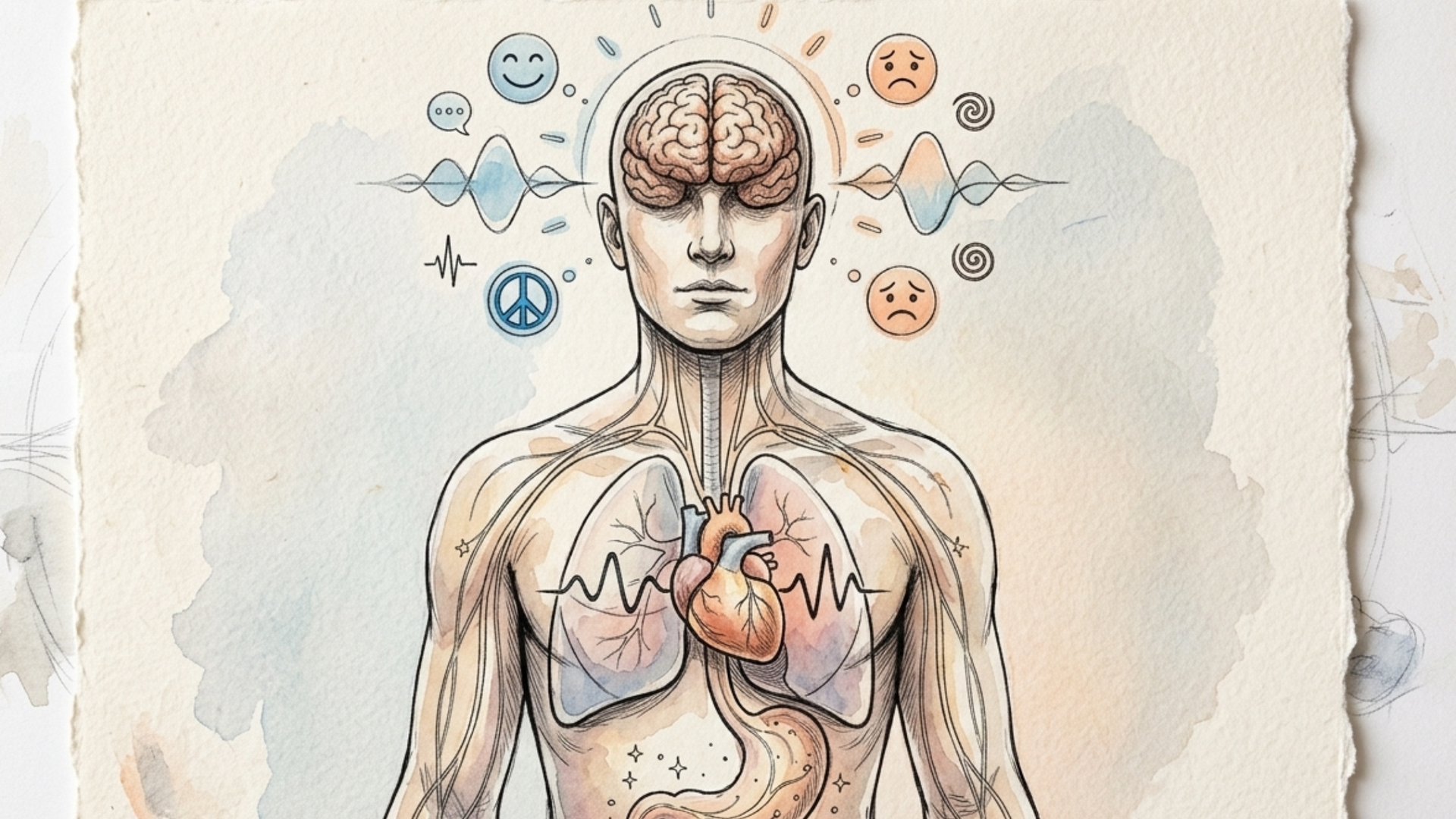
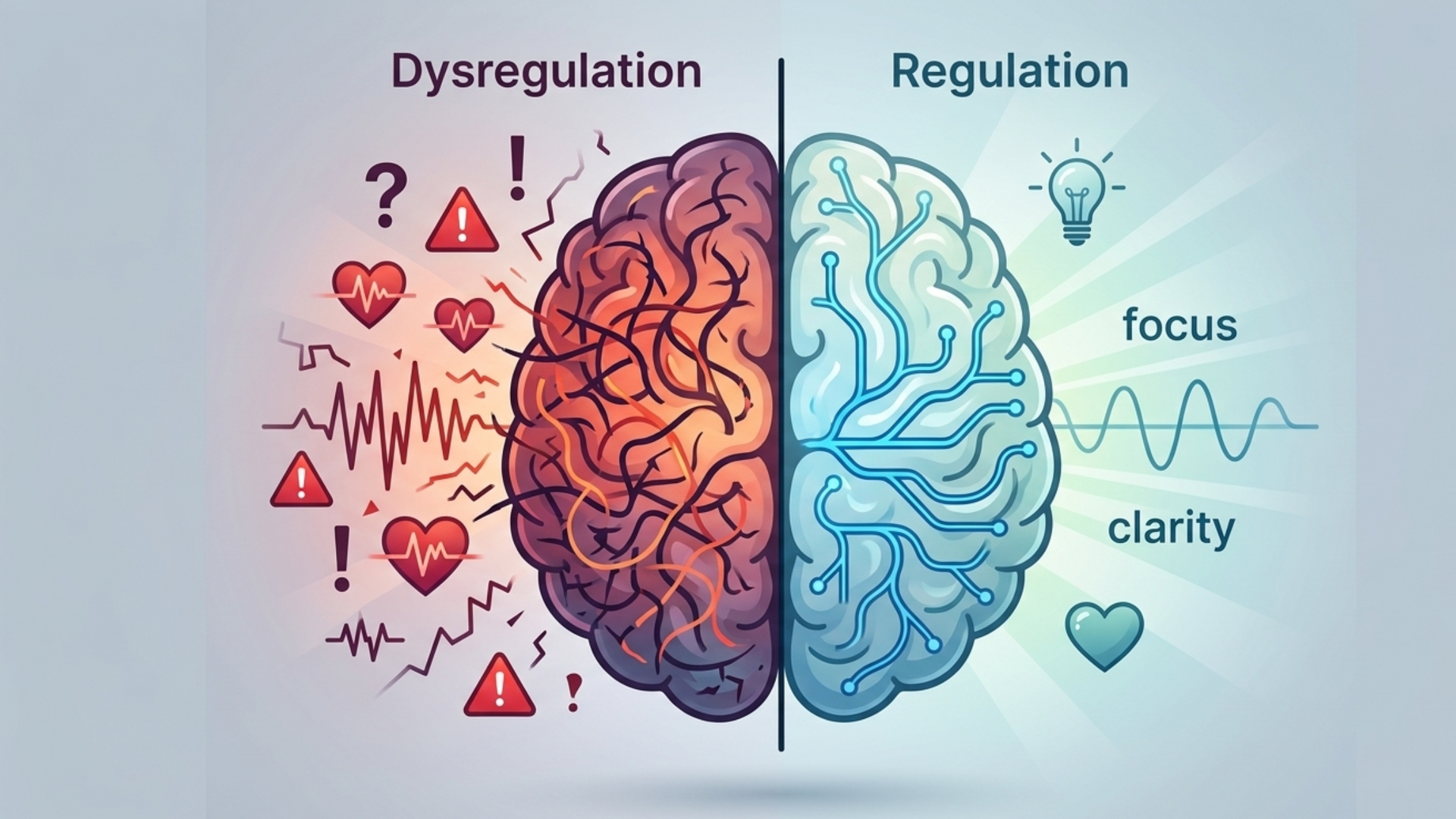
The hippocampus is a vital structure nestled within the brain’s medial temporal lobe, playing a key role in the limbic system. Its primary functions include memory consolidation, spatial navigation, and emotional regulation. This seahorse-shaped organ is essential for forming long-term memories and mapping out environments, acting as a cornerstone for cognitive processes.
Understanding the Role of the Hippocampus
In everyday life, the hippocampus is indispensable for various cognitive functions. It assists in learning, decision-making, and problem-solving, making it a crucial component of our mental toolkit. Often referred to as the brain’s “cognitive map builder,” the hippocampus is integral to navigating both physical spaces and abstract scenarios. This cognitive mapping ability helps us understand and interact with the world around us, from remembering where we parked our car to planning future events.
Moreover, the hippocampus is responsible for the transition of information from short-term to long-term memory. This process is essential for retaining knowledge over time and is critical for learning new skills and recalling past experiences. Its role in spatial navigation allows us to orient ourselves in our environment, aiding in tasks such as driving or finding our way through a new city.
The Importance of the Hippocampus
The hippocampus’s role extends beyond memory and navigation. It also plays a part in regulating emotions and stress responses, linking it to our overall mental health. Its function in emotional regulation means it can influence how we perceive and react to emotional stimuli, impacting our mood and behavior. This connection underscores the importance of maintaining hippocampal health to support emotional well-being.
Understanding the hippocampus’s functions and significance can provide insights into various neurological conditions. It is often one of the first regions affected in diseases such as Alzheimer’s, which is why memory loss is a common early symptom. By studying the hippocampus, researchers can develop strategies to mitigate the effects of such conditions and improve cognitive health.
In conclusion, the hippocampus is a multifaceted structure that underpins many aspects of our cognitive and emotional lives. Its ability to consolidate memories, navigate spaces, and regulate emotions makes it a cornerstone of our brain’s functionality. By appreciating its importance, we can better understand how to support our cognitive health and enhance our everyday experiences.

Anatomy and Location of the Hippocampus
The hippocampus is located within the medial temporal lobe of the brain, and it is present in both hemispheres. This bilateral presence allows the hippocampus to effectively integrate and process information from both sides of the brain. The structure itself is divided into several key components that play distinct roles in its overall function.
Key Components of the Hippocampus
- Cornu Ammonis (CA1–CA4): These regions are crucial for the transmission of information, particularly in memory formation and retrieval.
- Dentate Gyrus: This part is involved in the formation of new episodic memories and is critical in the process of pattern separation, which helps in distinguishing similar experiences.
- Subiculum: Acts as a major output region, sending processed information to other parts of the brain.
To visualize the hippocampus, think of it as an “index system” for memories, organizing and storing information in a way that makes it easily accessible when needed.
Key Functions of the Hippocampus
Memory Consolidation
The hippocampus is indispensable in the process of transferring information from short-term to long-term memory. This consolidation is crucial for learning and retaining knowledge over time. It enables the storage of new information, which can be recalled later, forming the basis of our memory system.
Spatial Navigation
Another vital function of the hippocampus is its role in spatial navigation. It helps create cognitive maps of our environment, allowing us to navigate and understand spatial relationships. This ability is essential for everyday tasks such as finding our way through a city or remembering the layout of a familiar place.
Emotional and Stress Regulation
The hippocampus also plays a significant role in processing emotions and managing stress. It interacts with the limbic system to regulate emotional responses, influencing how we perceive and react to stressors. This function is crucial for maintaining emotional balance and mental health.
Clinical Relevance of the Hippocampus
The hippocampus is highly involved in various neurological and psychiatric conditions. It is one of the first regions affected in Alzheimer’s disease, leading to memory loss and cognitive decline. Additionally, it plays a role in epilepsy and depression, where its dysfunction can exacerbate symptoms.
Chronic stress is known to impact the hippocampus adversely, potentially leading to a reduction in its volume and impairing its functions. This vulnerability underscores the importance of stress management in maintaining hippocampal health and overall cognitive function.
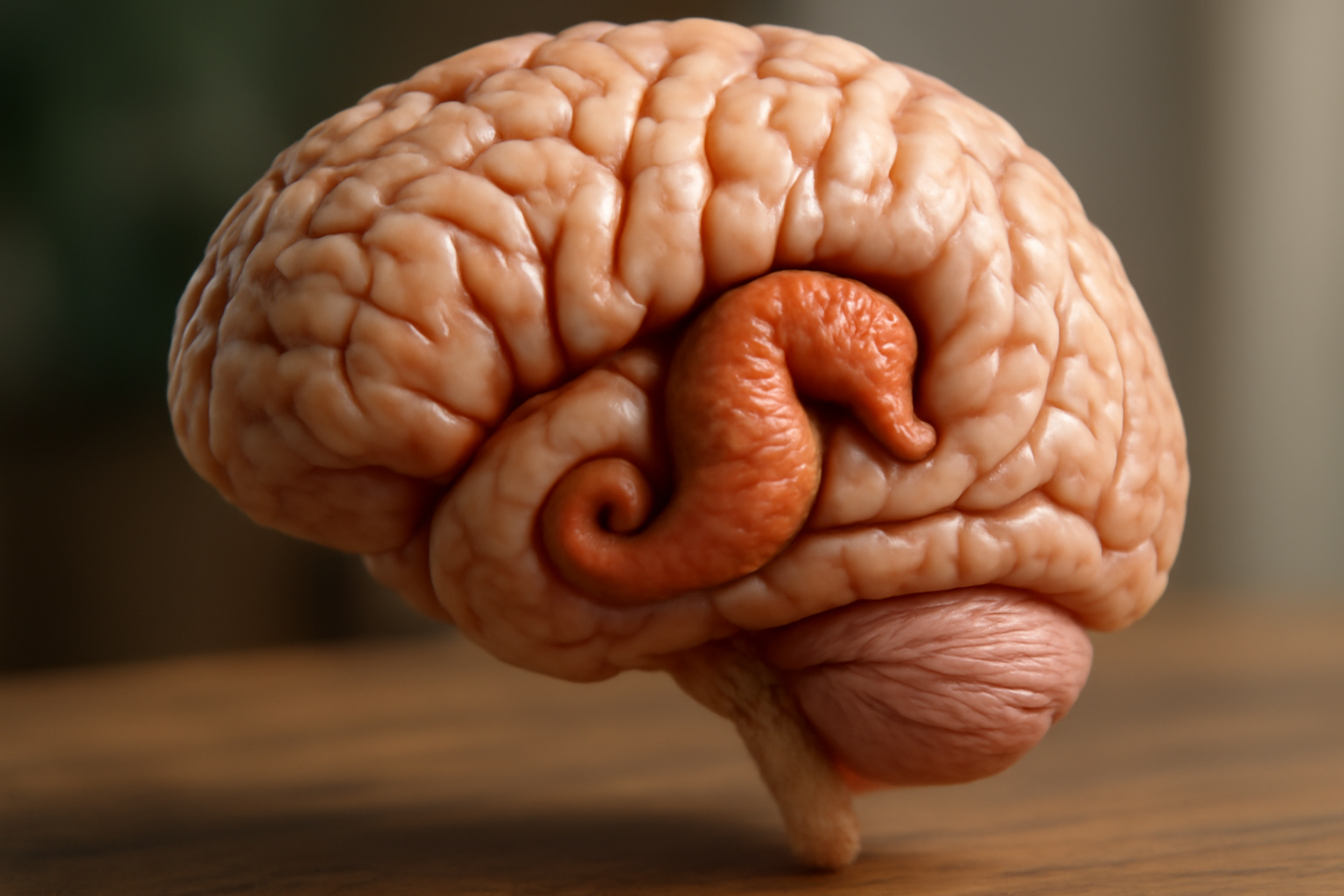
Understanding the anatomy, functions, and clinical relevance of the hippocampus provides valuable insights into its critical role in our cognitive and emotional lives. By supporting hippocampal health through lifestyle choices and stress management, we can enhance our memory, spatial navigation, and emotional regulation capabilities.
Hippocampus and Lifestyle
Maintaining a healthy lifestyle can significantly impact the hippocampus, enhancing its functions and overall health. Regular exercise, particularly aerobic activities, has been shown to increase hippocampal volume and improve memory function, especially in older adults. This physical activity stimulates the growth of new neurons, a process known as adult neurogenesis, which is crucial for learning and memory.
Stress management is another critical factor in supporting hippocampal health. Chronic stress can lead to a reduction in hippocampal volume, impairing its functions. Therefore, nurturing environments and effective stress management techniques, such as mindfulness and relaxation practices, are vital in maintaining optimal hippocampal function.
Sleep plays a crucial role in hippocampal plasticity and memory consolidation. During sleep, particularly the non-REM stages, the hippocampus helps process and store memories, reinforcing learning and enhancing cognitive performance. Ensuring adequate sleep is essential for maintaining the hippocampus’s health and functionality.
Applications in Learning and Planning
Understanding the hippocampus’s role can enhance learning speed and efficiency. Its ability to form cognitive maps extends beyond physical navigation to abstract problem-solving and scenario planning. This capacity allows individuals to navigate complex situations, making informed decisions and planning effectively for the future.
The hippocampus’s involvement in decision-making and contextual learning underscores its importance in education and professional settings. By leveraging its cognitive mapping abilities, individuals can improve their strategic thinking and adaptability, crucial skills in today’s dynamic environments.
Frequently Asked Questions
Can adults grow new hippocampal neurons?
Yes, adult neurogenesis occurs in the hippocampus, contributing to learning and memory. This process is enhanced by activities such as aerobic exercise, which promotes the growth of new neurons.
Why does Alzheimer’s first affect memory of recent events?
The hippocampus is one of the first regions affected in Alzheimer’s disease, impacting the formation of new memories. This explains why memory loss of recent events is often an early symptom of the disease.
Can I improve my hippocampus with lifestyle changes?
Yes, through regular exercise, stress management, and adequate sleep, you can support hippocampal health. These lifestyle changes promote neurogenesis and enhance memory and cognitive functions.