
Homophobia is defined as an irrational fear, aversion, or prejudice toward homosexuality or people who are or are perceived to be lesbian, gay, or bisexual. This definition encompasses a range of negative attitudes and behaviors that can manifest in various forms, including language, actions, and institutional policies. Understanding the definition and implications of homophobia is crucial in addressing and combating this pervasive social issue.
Understanding Homophobia as a Social Issue
Homophobia is not just a personal bias; it is a significant social issue affecting individuals and communities around the world. The term itself suggests an irrational fear, but its impact extends far beyond personal discomfort. It influences societal norms and can lead to systemic discrimination, affecting everything from personal relationships to legal rights. Recognizing homophobia as a social issue is essential for fostering inclusivity and promoting equality.
The Importance of Addressing Homophobia
Addressing homophobia is vital for creating a more inclusive and equitable society. By understanding its roots and manifestations, individuals and communities can work toward eliminating discriminatory practices and attitudes. This involves not only recognizing personal biases but also challenging institutional and societal norms that perpetuate discrimination against LGBTQI individuals. Education and awareness are key components in this effort, helping to dismantle stereotypes and promote acceptance.
Manifestations of Homophobia
Homophobia can manifest in various ways, from subtle microaggressions to overt acts of violence. It can be seen in derogatory language, social exclusion, and discriminatory policies that disadvantage LGBTQI individuals. On a broader scale, homophobia can influence institutional practices and state-sponsored laws that deny basic rights and freedoms. Understanding these manifestations is crucial for identifying and addressing the different forms of homophobia in society.

By exploring the definition and context of homophobia, individuals can gain a deeper understanding of its impact and the importance of combating it. This knowledge is a critical step in promoting acceptance and equality for all, regardless of sexual orientation or identity.
Key Characteristics of Homophobia
Homophobia primarily targets individuals who identify as lesbian, gay, or bisexual, but its impact can extend to the broader LGBTQI community. It manifests in a spectrum ranging from mild discomfort or prejudice to overt hatred and violence. Understanding the levels at which homophobia occurs is essential for addressing its effects:
- Personal: Individual biases and prejudices.
- Institutional: Policies and practices within organizations that disadvantage LGBTQI individuals.
- State-sponsored: Laws and regulations that discriminate against non-heterosexual orientations.
- Social: Prejudices and stereotypes perpetuated in everyday interactions.
- Internalized: The inward direction of societal homophobic attitudes, leading to self-denigration and mental health issues.
Types of Homophobia
Homophobia can be categorized into several types, each with unique characteristics and effects:
- Institutional Homophobia: This involves systemic discrimination within organizations, where policies and practices create barriers for LGBTQI individuals.
- State-sponsored Homophobia: Legal frameworks and government policies that explicitly or implicitly discriminate against LGBTQI individuals.
- Social Homophobia: Encompasses societal attitudes and behaviors that marginalize LGBTQI individuals, often perpetuated through stereotypes and myths.
- Internalized Homophobia: Occurs when LGBTQI individuals absorb negative societal attitudes, leading to self-loathing and identity conflicts.
- Religious Homophobia: Prejudices rooted in religious beliefs and teachings that condemn non-heterosexual orientations.
Examples and Manifestations
Homophobia manifests in various ways, often resulting in significant harm to individuals and communities:
- Verbal and Physical Abuse: Hate crimes, bullying, and derogatory comments are common expressions of homophobia.
- Legal Discrimination: Laws that restrict rights or deny services to LGBTQI individuals are a form of state-sponsored homophobia.
- Social Exclusion: Marginalization in community and family settings, leading to isolation and lack of support.

Understanding these manifestations is crucial for identifying and addressing homophobia in society. By recognizing the different forms it can take, individuals and communities can work toward creating a more inclusive environment for all, regardless of sexual orientation or identity.
Impact on Mental Health
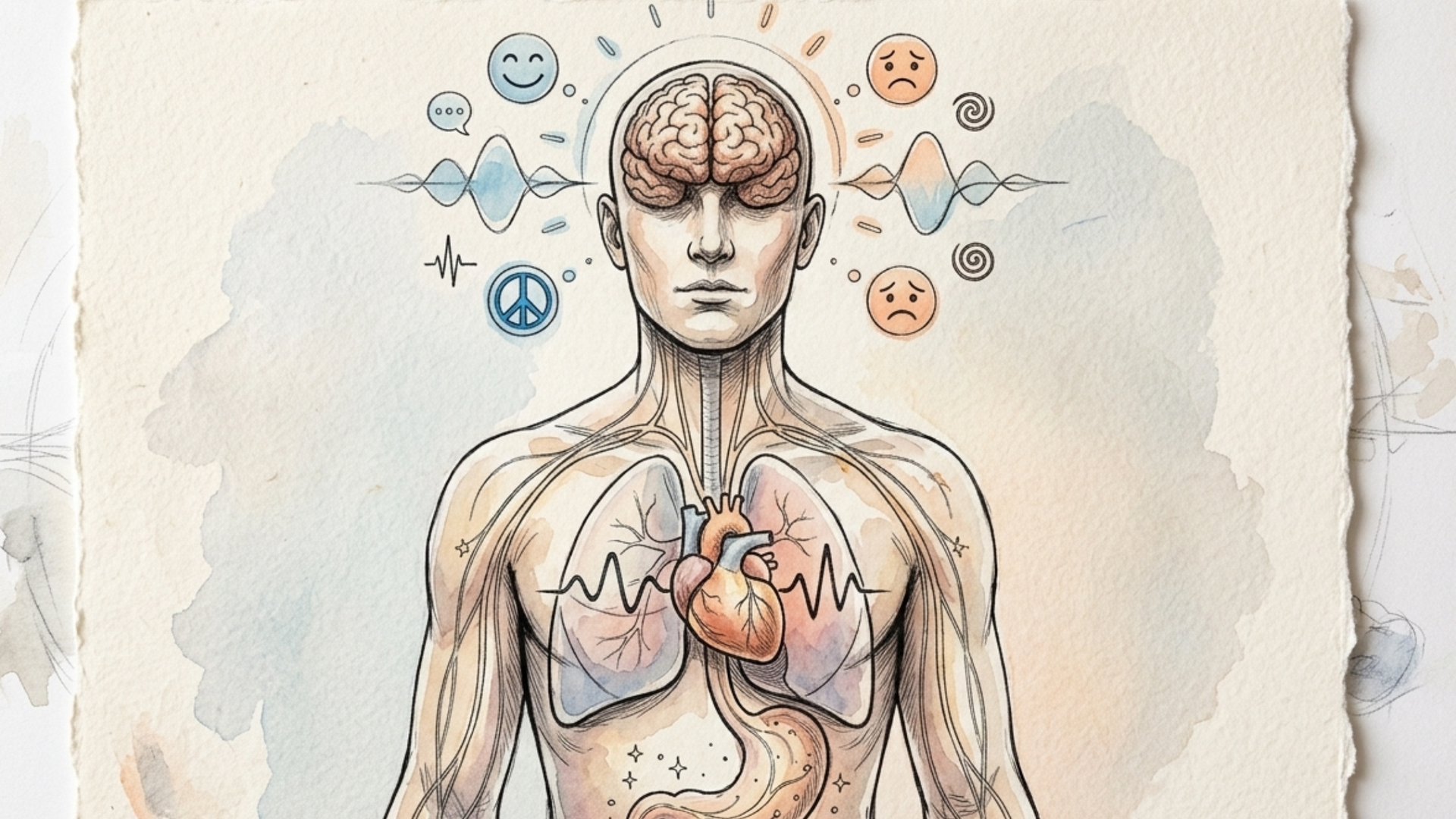
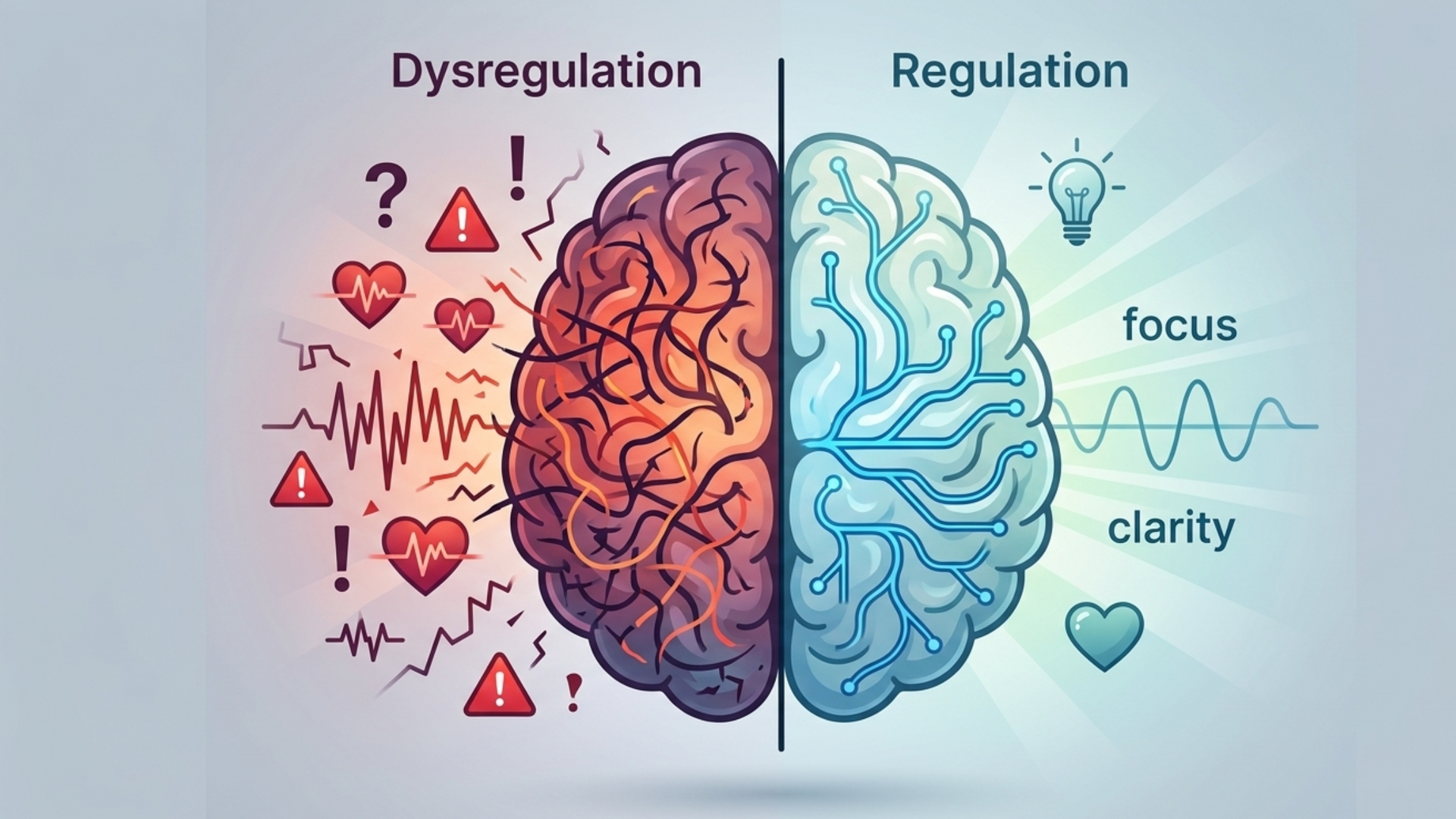
Homophobia significantly impacts mental health, particularly when it manifests as internalized homophobia. This occurs when LGBTQI individuals absorb societal prejudices, leading to self-denigration and identity conflicts. Research indicates that internalized homophobia correlates with depression, anxiety, and lower self-esteem, exacerbating mental health challenges for those affected. Understanding this impact is crucial for addressing the broader implications of homophobia on individual well-being.
Relation to Heterosexism
While homophobia refers to attitudes and behaviors that express fear or prejudice against LGBTQI individuals, heterosexism is a systemic bias that privileges heterosexuality. This distinction is important because it highlights the difference between personal prejudice and institutional discrimination. Heterosexism perpetuates inequality by embedding discriminatory practices within societal norms and structures, thus reinforcing homophobic attitudes at a systemic level.
Origin and Terminology
The term “homophobia” was coined by psychologist George Weinberg in the late 1960s. It combines the words “homosexuality” and “phobia” to describe the irrational fear or aversion toward homosexual individuals. Alternative terms, such as “homonegativity,” have emerged to describe similar attitudes without implying a clinical phobia. These terms help to frame discussions around LGBTQI discrimination within both historical and contemporary contexts.
Frequently Asked Questions
What Causes Homophobia?
Homophobia is often rooted in cultural, religious, and societal influences. These factors contribute to the development of prejudices and stereotypes that manifest as fear or aversion toward LGBTQI individuals. Education and exposure to diverse perspectives can help mitigate these influences.
How Can Homophobia Be Addressed?
Addressing homophobia requires a multifaceted approach, including education, policy changes, and community support. Promoting awareness and inclusivity can challenge discriminatory attitudes and foster acceptance. Legal protections and advocacy are also essential in combating systemic homophobia.
What is the Difference Between Homophobia and Heterosexism?
Homophobia refers to individual attitudes and behaviors expressing fear or prejudice against LGBTQI individuals. In contrast, heterosexism is a systemic bias that privileges heterosexuality, embedding discrimination within societal norms and institutions.
How Does Internalized Homophobia Affect Individuals?
Internalized homophobia leads to self-denigration and identity conflicts, significantly impacting mental health. It is associated with lower self-esteem, depression, and anxiety, highlighting the need for supportive environments and mental health resources for LGBTQI individuals.
Are There Global Differences in Homophobia?
Yes, homophobia varies globally, influenced by cultural and legal contexts. Some regions have progressive policies promoting LGBTQI rights, while others maintain restrictive laws and societal norms that perpetuate discrimination. Understanding these differences is crucial for global advocacy efforts.