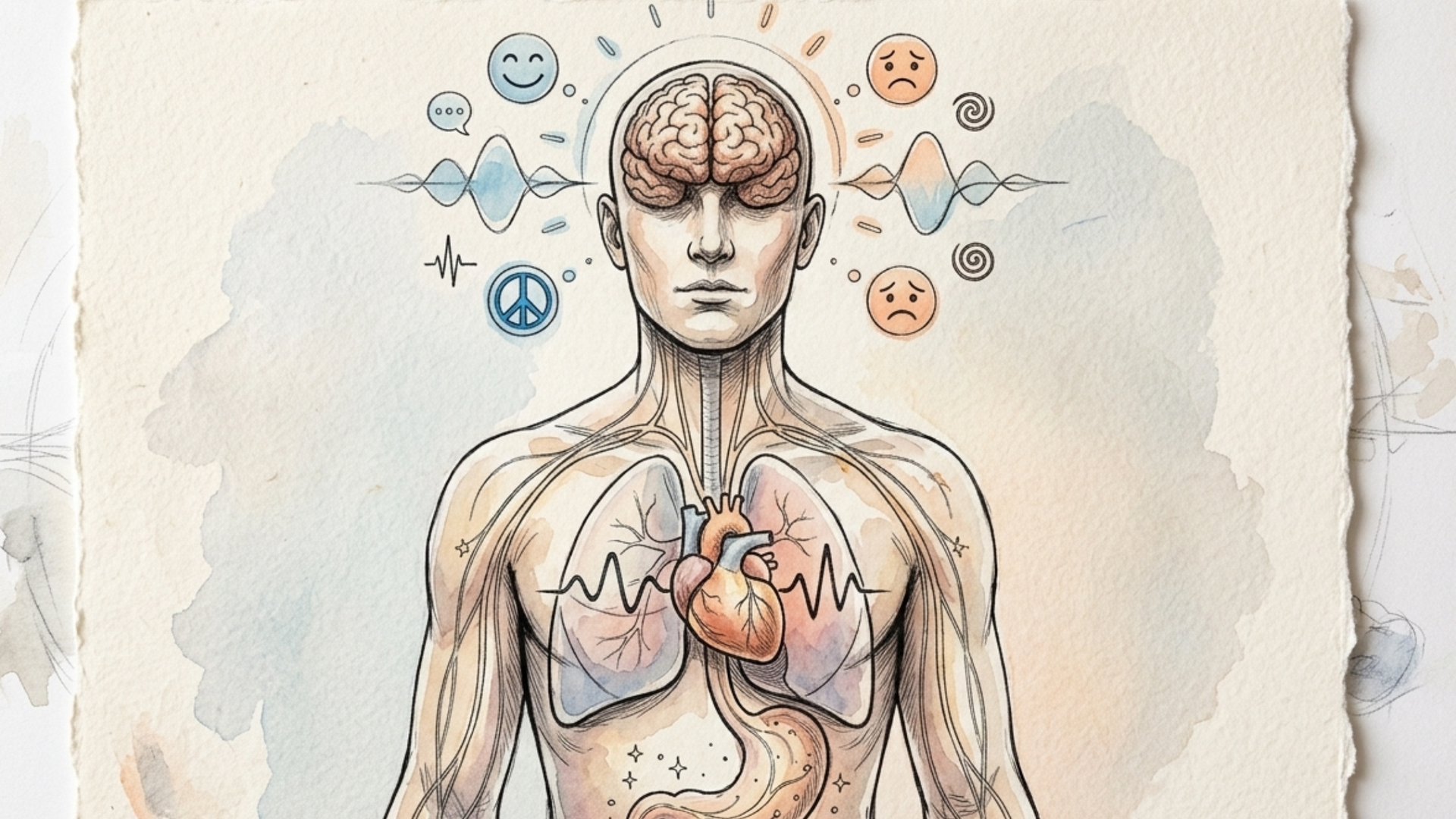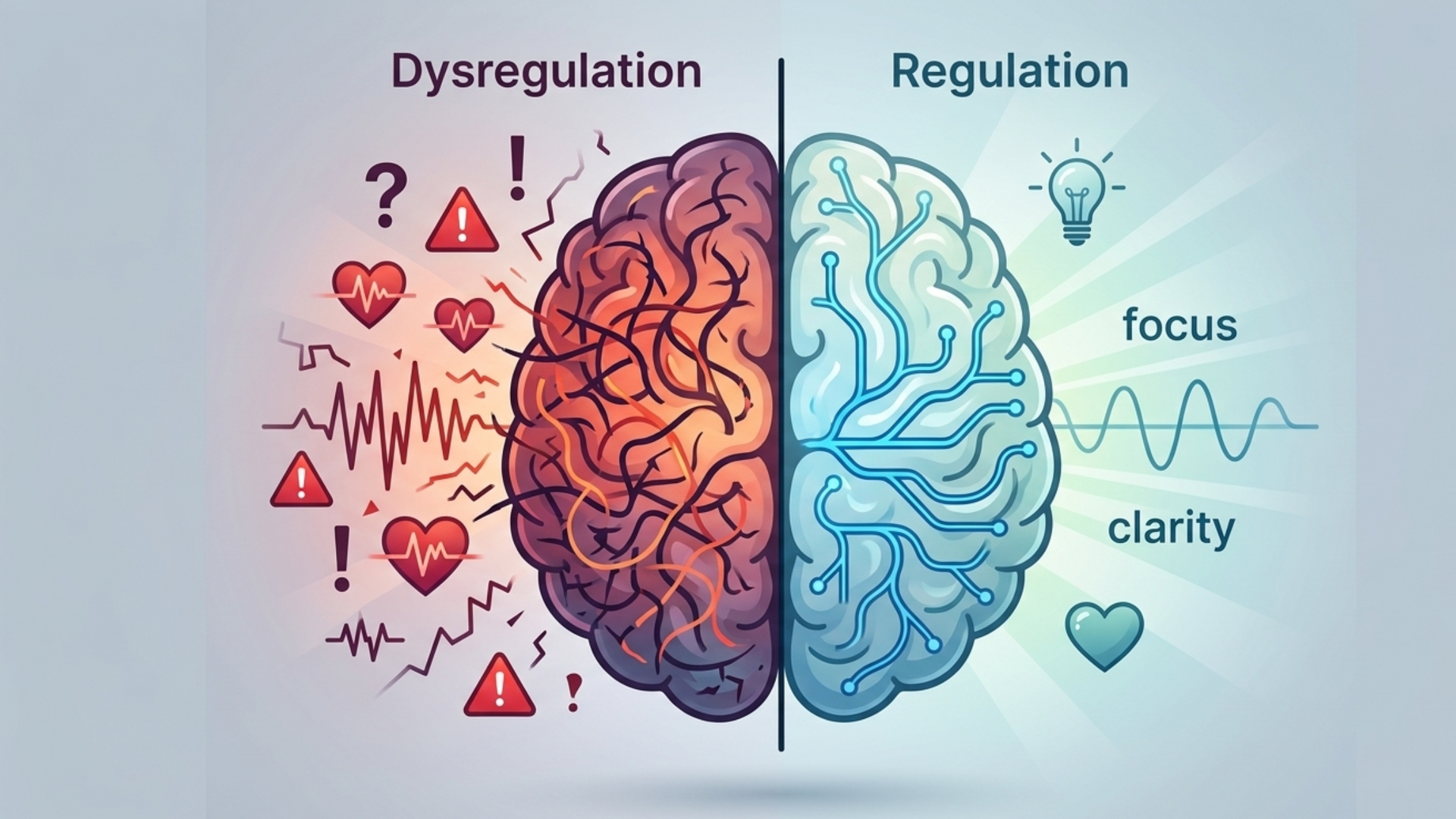

Hypothalamic–Pituitary–Adrenal (HPA) axis dysfunction refers to an imbalance or disruption in the normal functioning of the HPA axis, a complex system that regulates the body’s response to stress. The HPA axis involves three key parts of the endocrine system: the hypothalamus, pituitary gland, and adrenal glands. These structures work together to control the production and release of stress hormones, particularly cortisol.
When the HPA axis is functioning properly, it helps the body respond to stress, maintain energy balance, regulate mood, support immune function, and keep many body systems stable. However, when this system becomes overactive or underactive, it can lead to HPA axis dysfunction, which may contribute to various physical and psychological health problems.
You can read or explore more here at the Knowledge Hub for more mental health and brain health–related articles to better understand topics such as stress response, hormonal balance, and cognitive well-being. If you want to support your mental and physical wellness, you can also take the quiz to get personalized supplement recommendations designed to support stress resilience, mood balance, cognitive performance, and overall brain health.
Understanding the HPA Axis
The HPA axis is a major communication network between the brain and the endocrine system. It plays an essential role in managing the body’s reaction to stress and maintaining internal balance, also known as homeostasis.
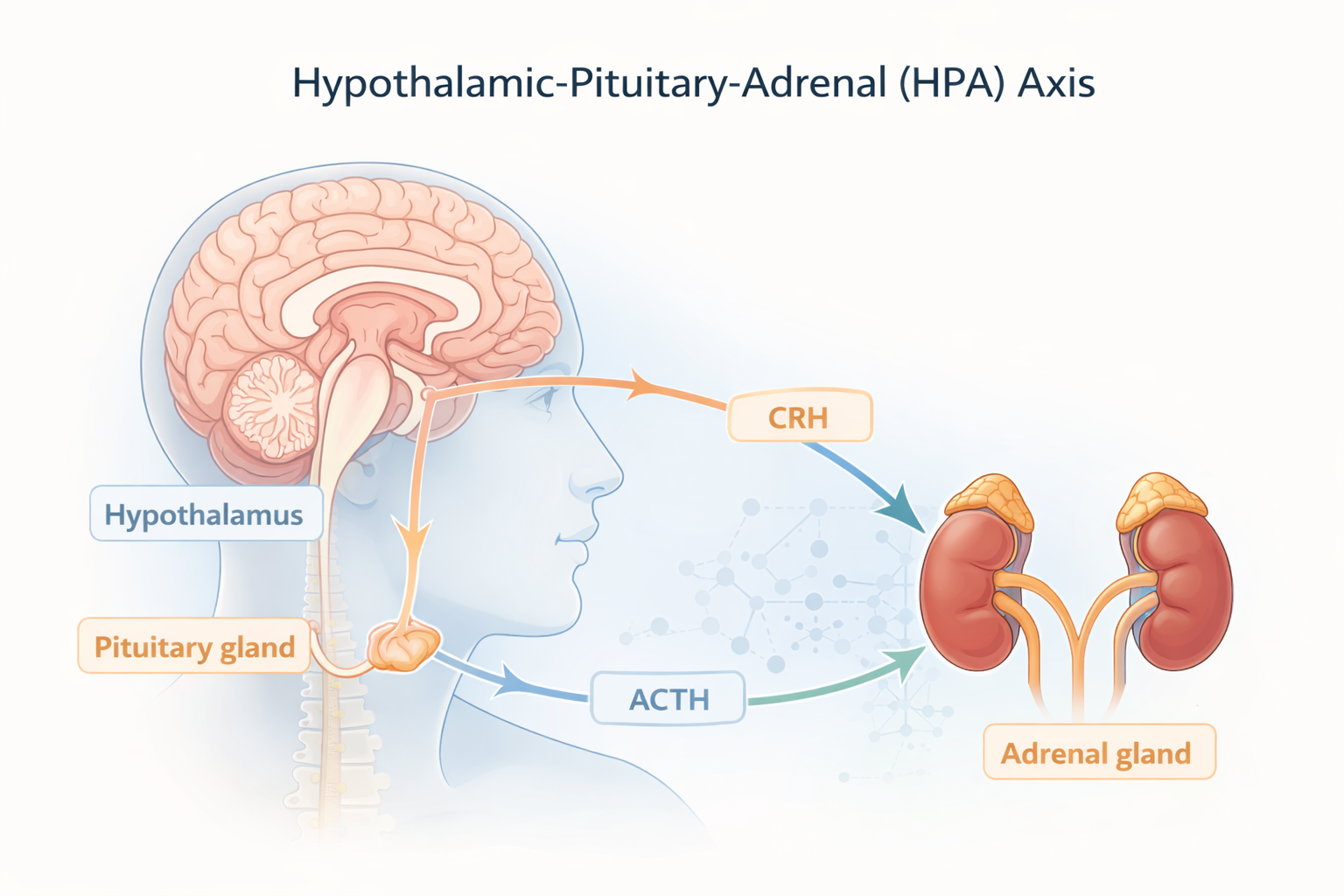
The process begins in the hypothalamus, a small region of the brain that monitors internal conditions and responds to stress signals. When the body experiences stress, whether physical, emotional, or psychological the hypothalamus releases a hormone called corticotropin-releasing hormone (CRH).
CRH signals the pituitary gland, often referred to as the “master gland” of the endocrine system, to release adrenocorticotropic hormone (ACTH) into the bloodstream.
ACTH then travels to the adrenal glands, which sit on top of the kidneys. In response, the adrenal glands release cortisol, a hormone that helps the body manage stress by increasing energy availability, regulating blood pressure, and controlling inflammation.
Normally, once cortisol levels rise to an appropriate level, they signal the brain to reduce hormone production through a negative feedback loop, which keeps the system balanced.
What Is HPA Axis Dysfunction?
HPA axis dysfunction occurs when the normal communication and regulation between the hypothalamus, pituitary gland, and adrenal glands become disrupted. As a result, the body may produce too much or too little cortisol, or the timing of hormone release may become abnormal.
This imbalance can interfere with the body’s ability to handle stress effectively and may affect multiple systems, including the immune, metabolic, and nervous systems.
HPA axis dysfunction is often associated with chronic stress, but it can also be linked to certain medical conditions, psychological disorders, or long-term hormonal imbalances.
Causes of HPA Axis Dysfunction
Several factors can disrupt the normal functioning of the HPA axis.
Chronic Stress
Long-term psychological or physical stress is one of the most common causes. Constant stress keeps the HPA axis activated for extended periods, which may eventually lead to hormone imbalance and reduced sensitivity of the feedback system.
Trauma and Early Life Stress
Exposure to traumatic experiences, especially during childhood, can alter the development of the stress-response system. These early changes may increase the risk of HPA axis dysregulation later in life.
Mental Health Disorders
Conditions such as depression, anxiety disorders, and post-traumatic stress disorder (PTSD) are often linked with abnormal cortisol regulation and HPA axis dysfunction.
Medical Conditions
Certain endocrine disorders, infections, or inflammatory diseases may affect the functioning of the hypothalamus, pituitary gland, or adrenal glands.
Lifestyle Factors
Sleep deprivation, poor diet, lack of physical activity, and prolonged emotional strain can also contribute to disruptions in stress hormone regulation.
Symptoms of HPA Axis Dysfunction
The symptoms of HPA axis dysfunction can vary depending on whether cortisol levels are too high or too low. Because cortisol affects many body systems, the symptoms can be both physical and psychological.
Common symptoms may include:
- Persistent fatigue or low energy
- Difficulty managing stress
- Mood changes such as anxiety or depression
- Sleep disturbances
- Difficulty concentrating or “brain fog”
- Changes in appetite or weight
- Weakened immune function
- Hormonal imbalances
These symptoms often develop gradually and may overlap with other medical conditions.
Health Conditions Associated with HPA Axis Dysfunction
Dysregulation of the HPA axis has been linked to several health conditions, including:
- Major depressive disorder
- Anxiety disorders
- Post-traumatic stress disorder (PTSD)
- Chronic fatigue syndrome
- Fibromyalgia
- Metabolic disorders
- Immune system dysfunction
Researchers continue to study how changes in stress hormone regulation influence these conditions.
Diagnosis
Diagnosing HPA axis dysfunction usually involves evaluating hormone levels and assessing symptoms. Healthcare professionals may perform tests such as:
- Blood tests to measure cortisol levels
- Saliva tests that track cortisol levels throughout the day
- Urine tests that measure hormone production over a 24-hour period
- Stimulation or suppression tests that examine how the adrenal glands respond to certain hormones
These tests help determine whether the stress-response system is functioning normally.
Treatment and Management
Treatment for HPA axis dysfunction depends on the underlying cause and the specific hormone imbalance involved.
Medical treatment may involve addressing endocrine disorders or prescribing medications that regulate hormone levels. In addition, lifestyle and behavioral changes are often recommended to support a healthier stress response.
Some common management approaches include:
- Stress management techniques such as mindfulness or relaxation exercises
- Improving sleep quality and maintaining regular sleep patterns
- Regular physical activity
- Balanced nutrition
- Psychological therapy for stress-related mental health conditions
These strategies help restore balance to the body’s stress-response system.
Importance of the HPA Axis in Health
The HPA axis is essential for maintaining overall health because it regulates how the body responds to stress. A well-functioning HPA axis helps maintain energy levels, supports immune defense, regulates metabolism, and stabilizes mood.
When this system becomes disrupted, it can affect many aspects of physical and mental health. Understanding HPA axis dysfunction helps researchers and healthcare professionals better identify stress-related disorders and develop effective treatment strategies.
Conclusion
Hypothalamic–Pituitary–Adrenal (HPA) axis dysfunction refers to an imbalance in the body’s primary stress-response system. This system involves communication between the hypothalamus, pituitary gland, and adrenal glands, which work together to regulate the production of cortisol and other hormones.
When the HPA axis does not function properly, it can lead to a wide range of physical and psychological symptoms. By understanding the causes, symptoms, and treatment approaches related to HPA axis dysfunction, healthcare professionals and individuals can better manage stress-related health challenges and promote overall well-being.
If you’re looking to better support your stress response and overall well-being, take the quiz to get personalized supplement recommendations designed to support stress management, mood balance, focus, and cognitive health. The quick quiz helps identify options tailored to your unique needs and lifestyle.
Frequently Asked Questions
What is the HPA axis in the body?
The HPA axis, or Hypothalamic–Pituitary–Adrenal axis, is a system that connects the brain and endocrine glands to regulate the body’s response to stress. It controls the release of hormones such as cortisol, which help the body manage stress, energy balance, and immune function.
What happens when the HPA axis is dysfunctional?
When the HPA axis does not function properly, the body may produce too much or too little cortisol. This imbalance can affect stress response, mood, sleep, energy levels, and immune function.
What causes HPA axis dysfunction?
HPA axis dysfunction can be caused by chronic stress, traumatic experiences, certain medical conditions, mental health disorders such as depression or PTSD, and lifestyle factors like poor sleep or prolonged emotional stress.
Can HPA axis dysfunction be treated or managed?
Yes, HPA axis dysfunction can often be managed through a combination of medical treatment, stress management strategies, improved sleep, balanced nutrition, regular physical activity, and psychological therapies when needed.