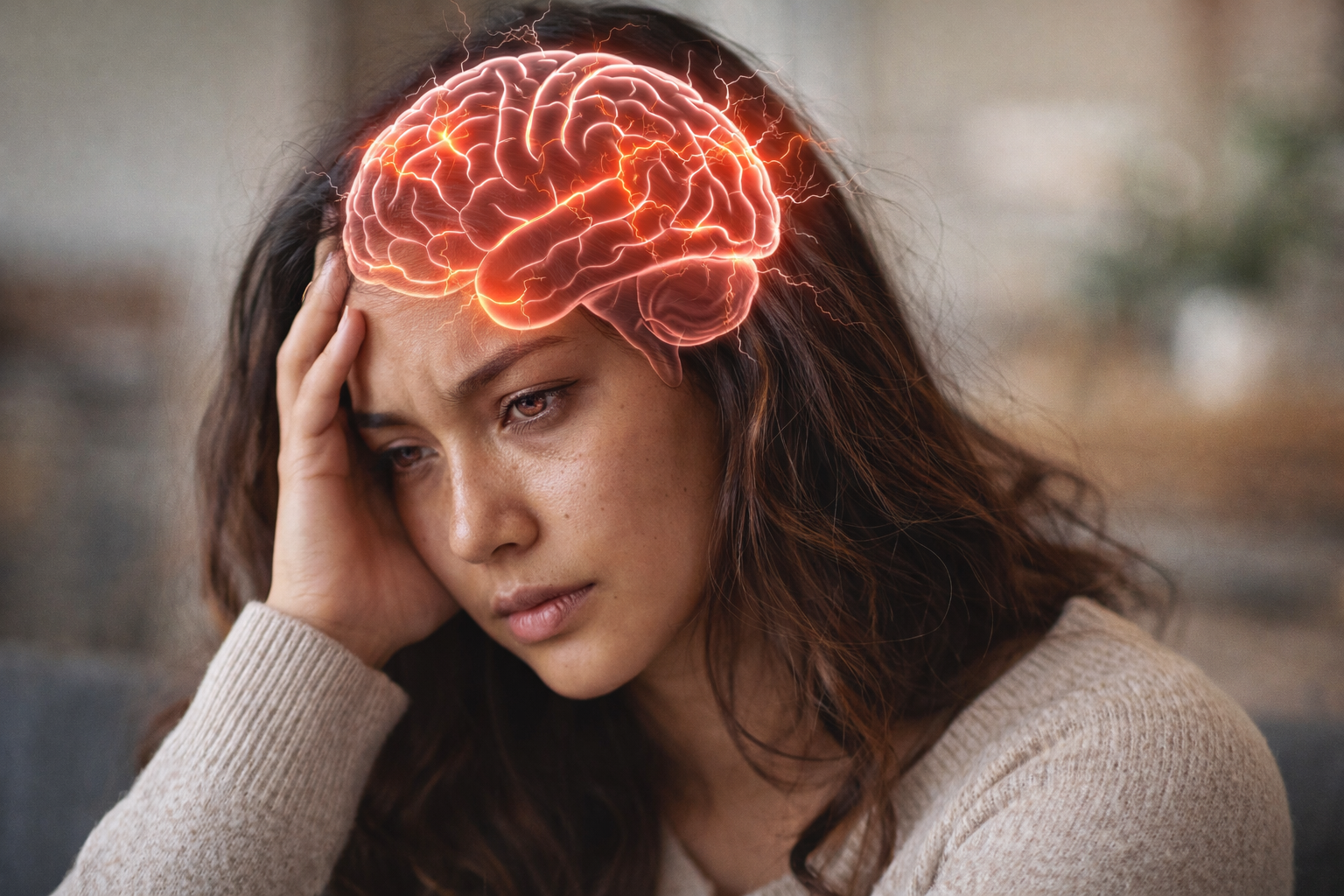

Mental Distress: Causes, Symptoms & Ways to Cope
In our fast-paced and demanding world, mental distress has become a common experience for many people. Whether triggered by work pressure, family responsibilities, personal struggles, or unexpected life events, mental distress can significantly affect our well-being, decision-making, relationships, and overall quality of life.
Understanding what mental distress is, what causes it, and how to recognize and manage it is key to living a healthier, more balanced life—both emotionally and physically.
What is Mental Distress?
Mental distress refers to a state of emotional or psychological suffering, often characterized by symptoms of anxiety and depression, confusion, and overwhelming stress. It is a response to challenging life circumstances and differs from clinically diagnosed mental health conditions. While usually temporary, persistent distress can evolve into more serious issues if not addressed early.
Think of mental distress as your brain’s distress signal—an emotional red flag that something isn’t right. It can impact your:
- Emotions (e.g., sadness, irritability)
- Thoughts (e.g., worry, indecision)
- Behaviors (e.g., withdrawal)
- Physical health (e.g., fatigue, headaches)
Left unmanaged, it may contribute to chronic stress, burnout, and even physical conditions like heart disease.
Causes of Mental Distress
There is no single root cause of mental distress. It often results from a complex mix of biological, psychological, and environmental factors. People experience distress in different ways, but understanding the common triggers can help you identify what might be contributing to your emotional struggle.
1. Life Transitions and Stressful Events
Major life changes, especially when unexpected or undesired, can lead to psychological distress. These events challenge your ability to cope and often leave you feeling emotionally unprepared.
- Losing a job or facing career uncertainty
- Divorce, separation, or relationship conflicts
- Grieving the death of a loved one
- Relocating to a new city or adjusting to a new culture
- Financial instability or growing debt
2. Chronic Stress
When stress becomes long-term and persistent, it can lead to serious mental health conditions like anxiety and depression. Over time, chronic stress overwhelms your body and mind, draining your emotional reserves.
- Job burnout or toxic work environments
- Academic pressure and performance anxiety
- Caregiving for sick or elderly family members
- Constant multitasking without adequate rest
- Prolonged financial strain
3. Trauma and Past Experiences
Unresolved trauma from the past can resurface as mental distress later in life. Emotional wounds—especially those experienced in childhood—can deeply affect how you think, feel, and respond to stress.
- Childhood neglect, abuse, or abandonment
- Experiencing or witnessing domestic violence
- Emotional manipulation or gaslighting
- Traumatic accidents or natural disasters
4. Health-Related Factors
Physical health plays a big role in mental wellness. Poor health can trigger or worsen psychological distress, especially if the condition is chronic or affects your quality of life.
- Living with a chronic illness or heart disease
- Battling sleep disorders like insomnia or sleep apnea
- Hormonal changes (e.g., postpartum, menopause, thyroid issues)
- Nutritional deficiencies impacting brain function
- Substance use, addiction, or withdrawal
5. Social and Environmental Factors
Your surroundings and social connections can also contribute to mental distress. Lack of support and unhealthy environments can make you feel unsafe, unseen, and unsupported.
- Feeling socially isolated or disconnected
- Exposure to toxic social media or digital overload
- Experiencing discrimination, bullying, or harassment
- Limited access to qualified mental health professionals
- Conflict, pressure, or neglect from family members
Common Symptoms of Mental Distress
Recognizing the signs of mental distress early on is essential for preventing more severe mental health conditions. These symptoms can affect your mind, body, and behavior, and they often appear in patterns.
Emotional Symptoms:
- Persistent sadness or emptiness
- Intense anxiety and depression
- Feeling emotionally numb or detached
- Irritability or frequent mood swings
- A constant sense that things feel overwhelming
Cognitive Symptoms:
- Racing thoughts or inability to “switch off”
- Difficulty focusing or completing tasks
- Negative thinking or catastrophizing
- Trouble making decisions or remembering things
- Feeling mentally “foggy” or confused
Physical Symptoms:
- Extreme tiredness despite rest
- Frequent headaches, muscle tension, or body aches
- Digestive issues like nausea or stomach pain
- Noticeable changes in appetite or weight
- Sleep disturbances, including insomnia or oversleeping
Behavioral Symptoms:
- Withdrawing from social activities or family members
- Avoiding responsibilities or daily tasks
- Losing interest in hobbies or passions
- Relying on substances (alcohol, smoking, or drugs) to cope
- Acting out through impulsive or risky behavior
If these symptoms feel overwhelming or persist over time, it’s crucial to take action and seek help from mental health professionals.
Ways to Cope with Mental Distress
While you may not be able to change your circumstances overnight, there are proven strategies that can help you cope with and reduce mental distress. Building emotional resilience is a process, but each step you take matters.
1. Acknowledge and Name Your Emotions
Avoiding your feelings only prolongs suffering. Instead:
- Name what you’re feeling (“I feel anxious,” “I feel helpless”)
- Write in a journal or express yourself creatively
- Talk openly to someone you trust
Emotional honesty is the first step toward healing.
2. Practice Mindfulness and Meditation
Mindfulness teaches you to observe your thoughts without judgment. It helps you stay present and grounded.
- Deep breathing exercises
- Guided meditations or apps like Headspace/Calm
- Body scans or progressive muscle relaxation
- Gentle yoga or walking in nature
Mindfulness can be especially beneficial for reducing anxiety and depression.
3. Create a Consistent Daily Routine
Routine provides structure and reduces chaos, which is key during distress.
- Go to bed and wake up at the same times
- Take breaks throughout your day
- Eat balanced meals and move your body regularly
This can make psychological distress feel more manageable.
4. Reach Out for Social Support
Support is available, and you don’t have to navigate this on your own. Share your feelings with:
- Trusted family members
- Friends or peer support groups
- Online communities or forums
A simple conversation can make a big difference in how you cope.
5. Use Physical Movement as Medicine
Exercise is one of the best natural mood-boosters. It releases endorphins and improves brain function.
- Walk 20–30 minutes a day
- Dance, stretch, or join a beginner yoga class
- Try home workouts if you prefer private settings
6. Nourish Your Body and Improve Sleep
Your brain needs proper fuel and rest to function well.
- Eat foods rich in Omega-3s, magnesium, and B-vitamins
- Avoid excess caffeine and sugar
- Create a calming bedtime routine (e.g., no screens, warm bath)
7. Set Clear and Healthy Boundaries
Protect your mental space by learning to say no to energy-draining people or situations.
- Limit time spent on social media or news
- Communicate your needs with loved ones
- Take time for self-care without guilt
8. Use Practical Mental Health Tools
There are many resources to help you track your mental state and create healthier habits.
- Mood journals or anxiety trackers
- Printable worksheets or CBT-based apps
- Habit and sleep trackers to find your patterns
9. Seek Help from Mental Health Professionals
If your distress interferes with your daily life or doesn’t improve, it’s time to speak with a professional. Mental health professionals can:
- Diagnose underlying mental health conditions
- Offer personalized therapy such as CBT or trauma-informed care
- Recommend medication if necessary
You don’t have to wait until things feel overwhelming—help is available, and recovery is possible.
Supplements That May Support Mental Health
Certain natural supplements may help promote emotional balance and resilience, especially when used in combination with healthy lifestyle habits. These evidence-supported options can play a valuable role in managing symptoms of mental distress:
- Ashwagandha – Helps reduce stress hormone levels and supports a calmer response to stress
- Magnesium – Aids in brain and nervous system function; often depleted during times of anxiety
- L-Theanine – Promotes relaxation and focus without causing drowsiness
- Omega-3 Fatty Acids – Crucial for brain health and may help alleviate symptoms of anxiety and depression
- Vitamin D – Deficiency has been linked to mood disturbances and seasonal affective disorder
Final Thoughts
Mental distress is a common human experience—an important signal that care, reflection, and change may be needed. It is not a sign of weakness, but rather a natural response to life’s challenges. In many cases, acknowledging mental distress reflects strength, self-awareness, and the willingness to seek support.
By understanding the underlying causes, identifying the symptoms, and taking purposeful steps to cope, you can begin to restore balance and clarity in your life. Whether you’re facing a temporary challenge or navigating a more persistent emotional concern, effective tools and support are available.
Take the First Step Toward Personalized Support
Complete our Mental Health Survey to receive expert-guided supplement recommendations tailored to your symptoms and needs. Your path to improved well-being begins here.
As always, consult with a healthcare professional before beginning any new supplement regimen.
Frequently Asked Questions
Is mental distress the same as a mental illness?
No. Mental distress is a temporary state of emotional or psychological suffering, often triggered by stress, trauma, or major life events. Mental illnesses like anxiety disorders, depression, or PTSD are clinical diagnoses that may require long-term treatment. However, if mental distress is left unaddressed, it can increase the risk of developing a mental health condition.
How long does mental distress usually last?
The duration depends on the cause and coping strategies used. For some people, distress may ease within days or weeks once the stressor is managed. For others, especially if linked to trauma, chronic stress, or health issues, it may persist longer and require professional support.
Can mental distress affect physical health?
Yes. Mental distress doesn’t just impact emotions—it can manifest physically. Common effects include headaches, digestive problems, muscle tension, fatigue, and weakened immunity. Over time, ongoing distress may contribute to chronic health issues such as high blood pressure or heart disease.