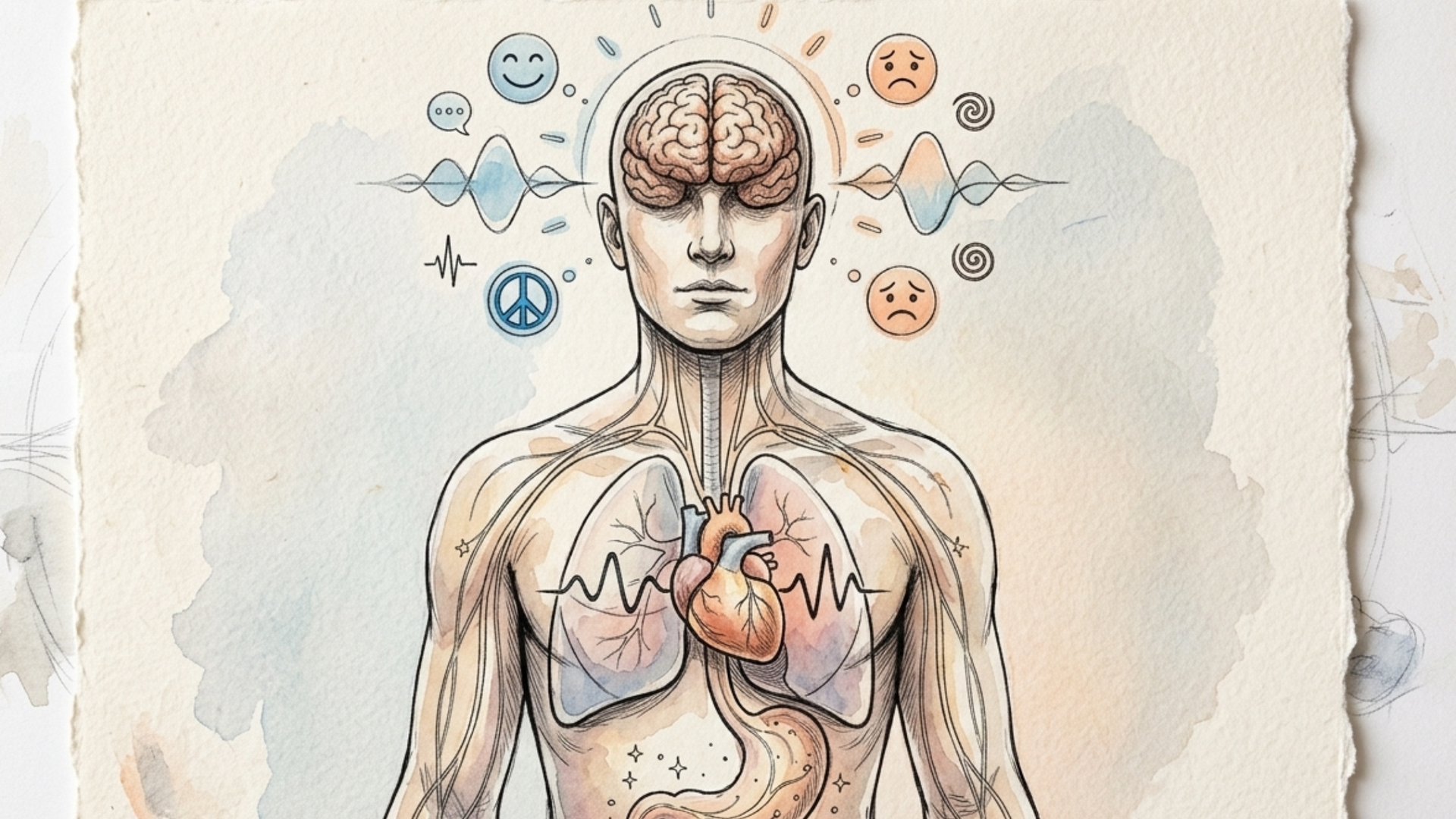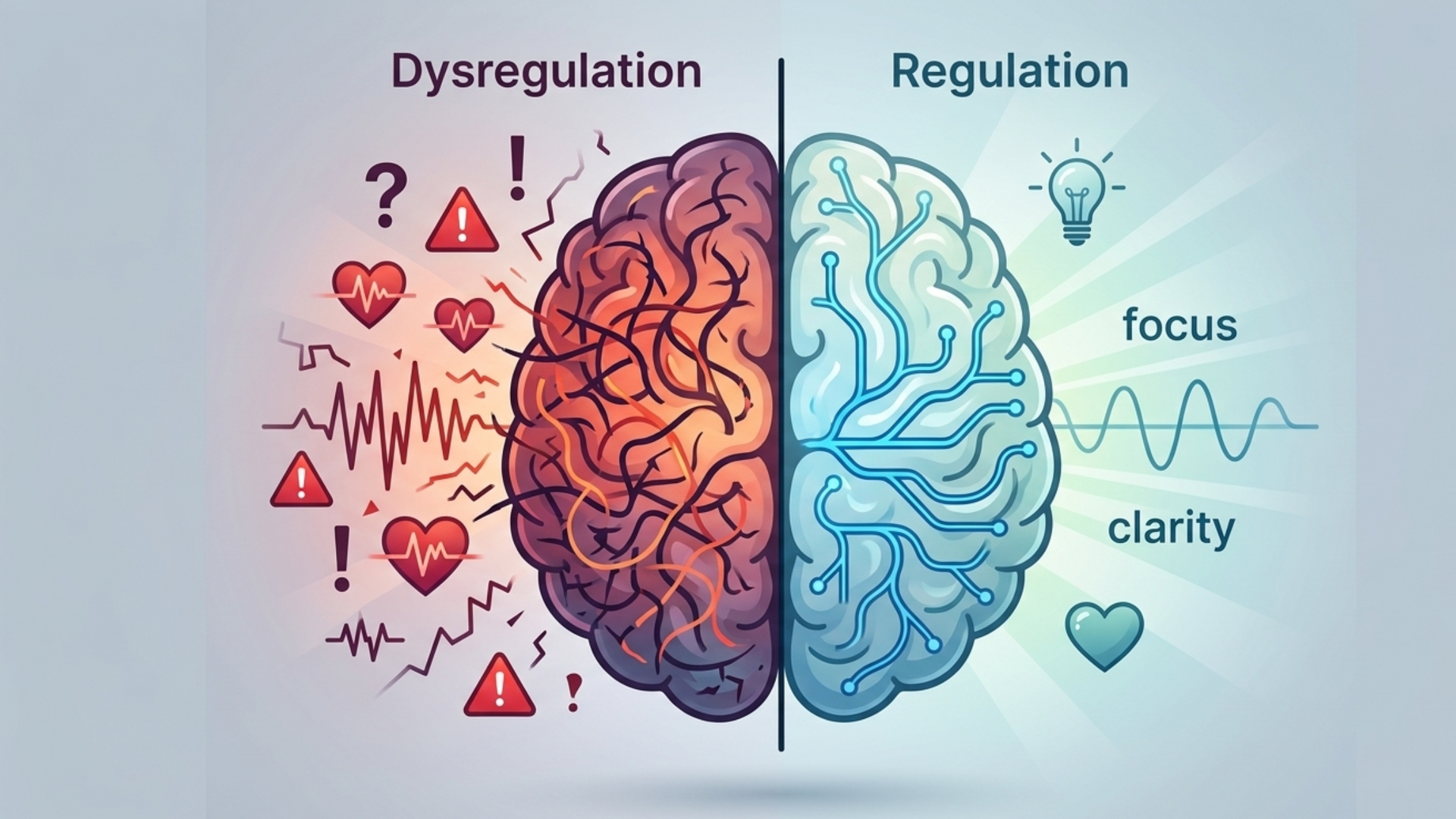

Mental resilience refers to the ability to adapt, recover, and continue functioning effectively when facing stress, adversity, or challenging life situations. It involves maintaining emotional stability, problem-solving abilities, and psychological strength even during periods of difficulty. Rather than avoiding hardship, mental resilience allows individuals to respond to challenges in ways that support growth, learning, and long-term well-being.
In psychology, mental resilience is closely connected to coping strategies, emotional regulation, and the capacity to recover from setbacks. Researchers studying resilience have shown that resilient individuals are not immune to stress or emotional pain; instead, they develop the ability to manage these experiences and move forward constructively. Psychologists such as Ann Masten have described resilience as a fundamental human capacity that can develop through supportive relationships, life experiences, and personal skills.
Understanding mental resilience helps explain why some people recover from adversity more effectively and how individuals can strengthen their psychological well-being over time.
If you want to expand your understanding of psychology, emotional health, and cognitive performance, you can read or explore more articles in the Knowledge Hub for additional mental health and psychology topics. You can also take the quiz to get personalized supplement recommendations designed to support focus, emotional balance, stress resilience, and overall cognitive wellness.
The Meaning of Mental Resilience
Mental resilience is often described as the ability to bounce back from difficulties, but the concept involves more than simply recovering from stressful experiences. It includes the capacity to remain flexible, maintain perspective, and continue working toward goals even when facing obstacles.
People with strong mental resilience tend to approach challenges as manageable problems rather than overwhelming threats. They are more likely to adjust their strategies, seek support when needed, and remain hopeful about future outcomes.
Resilience does not eliminate stress or negative emotions. Instead, it helps individuals navigate difficult situations while maintaining psychological balance.
Psychological Factors That Support Mental Resilience
Several psychological characteristics contribute to the development of mental resilience. One important factor is emotional regulation, which refers to the ability to manage emotional responses in healthy ways. Individuals who can recognize and regulate their emotions often cope more effectively with stress.
Another factor is optimistic thinking. Resilient individuals often maintain a realistic but hopeful outlook, believing that challenges can be addressed through effort and problem-solving.
Strong problem-solving skills also support resilience. When people approach difficulties with a focus on solutions rather than avoidance, they are more likely to find constructive ways to manage adversity.
Additionally, self-efficacy, or the belief in one’s ability to handle challenges, can strengthen resilience by encouraging persistence and confidence during difficult situations.
The Role of Social Support
Social relationships play a significant role in building and maintaining mental resilience. Support from family members, friends, mentors, or community networks can provide emotional comfort and practical assistance during stressful times.
Individuals who feel connected to supportive relationships often experience greater confidence in their ability to cope with challenges. Social support can also offer different perspectives and advice that help individuals navigate complex situations.
Positive social environments therefore contribute to resilience by reinforcing a sense of belonging and shared understanding.
Mental Resilience and Stress Management
Mental resilience is closely related to how individuals manage stress. While stress is a natural part of life, the ability to cope with stressful experiences varies widely between individuals.
Resilient people tend to use adaptive coping strategies such as problem-focused planning, seeking social support, and maintaining healthy routines. These strategies help prevent stress from becoming overwhelming and allow individuals to maintain emotional balance.
Developing resilience can therefore improve a person’s ability to manage both everyday stress and major life challenges.
Mental Resilience in Daily Life
Mental resilience can influence many areas of life, including academic performance, workplace productivity, and personal relationships. Students who demonstrate resilience may continue studying and improving despite academic setbacks. Employees may adapt more easily to professional challenges or changing work environments.
In personal relationships, resilience can support healthier communication and conflict resolution. Individuals who remain calm and flexible during disagreements are often better able to maintain strong interpersonal connections.
Because life inevitably includes uncertainty and change, resilience is an important skill for navigating everyday experiences.
Can Mental Resilience Be Developed?
Research suggests that mental resilience is not a fixed trait but rather a set of abilities that can develop over time. Life experiences, supportive environments, and intentional practice can all strengthen resilience.
Developing resilience often involves learning to recognize emotions, building supportive relationships, practicing problem-solving, and maintaining physical and mental well-being.
Some strategies associated with resilience include maintaining realistic goals, developing healthy coping mechanisms, and practicing self-reflection. These approaches can gradually strengthen a person’s ability to manage adversity.
Modern Research on Mental Resilience
Modern psychological research continues to explore how resilience develops and how it influences long-term well-being. Studies have shown that resilience can protect individuals from the negative effects of chronic stress and support recovery from difficult experiences.
Researchers also examine how factors such as early life experiences, education, cultural background, and community resources contribute to resilience. These findings highlight that resilience is shaped not only by individual characteristics but also by social and environmental influences.
Understanding these influences helps psychologists develop programs that support emotional health and stress management.
Final Thoughts
Mental resilience represents the capacity to adapt, recover, and continue moving forward despite life’s challenges. Rather than avoiding stress or adversity, resilient individuals develop the ability to manage difficult experiences while maintaining emotional stability and personal growth.
Through supportive relationships, effective coping strategies, and a balanced perspective, individuals can strengthen their resilience and improve their ability to navigate uncertainty and change. As research continues to explore the science of resilience, psychologists gain deeper insight into how people develop the psychological strength needed to thrive in complex and demanding environments.
If you want to better understand how lifestyle habits, emotional balance, and cognitive health influence your ability to handle stress, consider taking the quiz to get personalized supplement recommendations designed to support focus, resilience, and long-term mental wellness.
Frequently Asked Questions
Why is mental resilience important for overall well-being?
Mental resilience is important because it helps individuals cope with stress, adapt to change, and recover from difficult experiences. People with stronger resilience are often better able to maintain emotional balance, stay motivated during challenges, and continue pursuing goals even when facing setbacks.
How does mental resilience affect stress management?
Mental resilience influences how people respond to stressful situations. Individuals with higher resilience are more likely to use healthy coping strategies such as problem-solving, seeking support, and maintaining perspective. These strategies can reduce the negative effects of stress and help individuals remain calm during challenging situations.
Is mental resilience the same as mental toughness?
Although the terms are sometimes used interchangeably, they are slightly different. Mental resilience focuses on adapting and recovering from adversity, while mental toughness often emphasizes persistence and determination during pressure or competition. Resilience involves flexibility, emotional awareness, and the ability to adjust when circumstances change.
Can mental resilience improve with practice?
Yes, mental resilience can develop over time through experiences and intentional habits. Building supportive relationships, practicing emotional awareness, learning problem-solving skills, and maintaining healthy routines can all strengthen resilience. Over time, these practices can help individuals respond more effectively to life’s challenges.