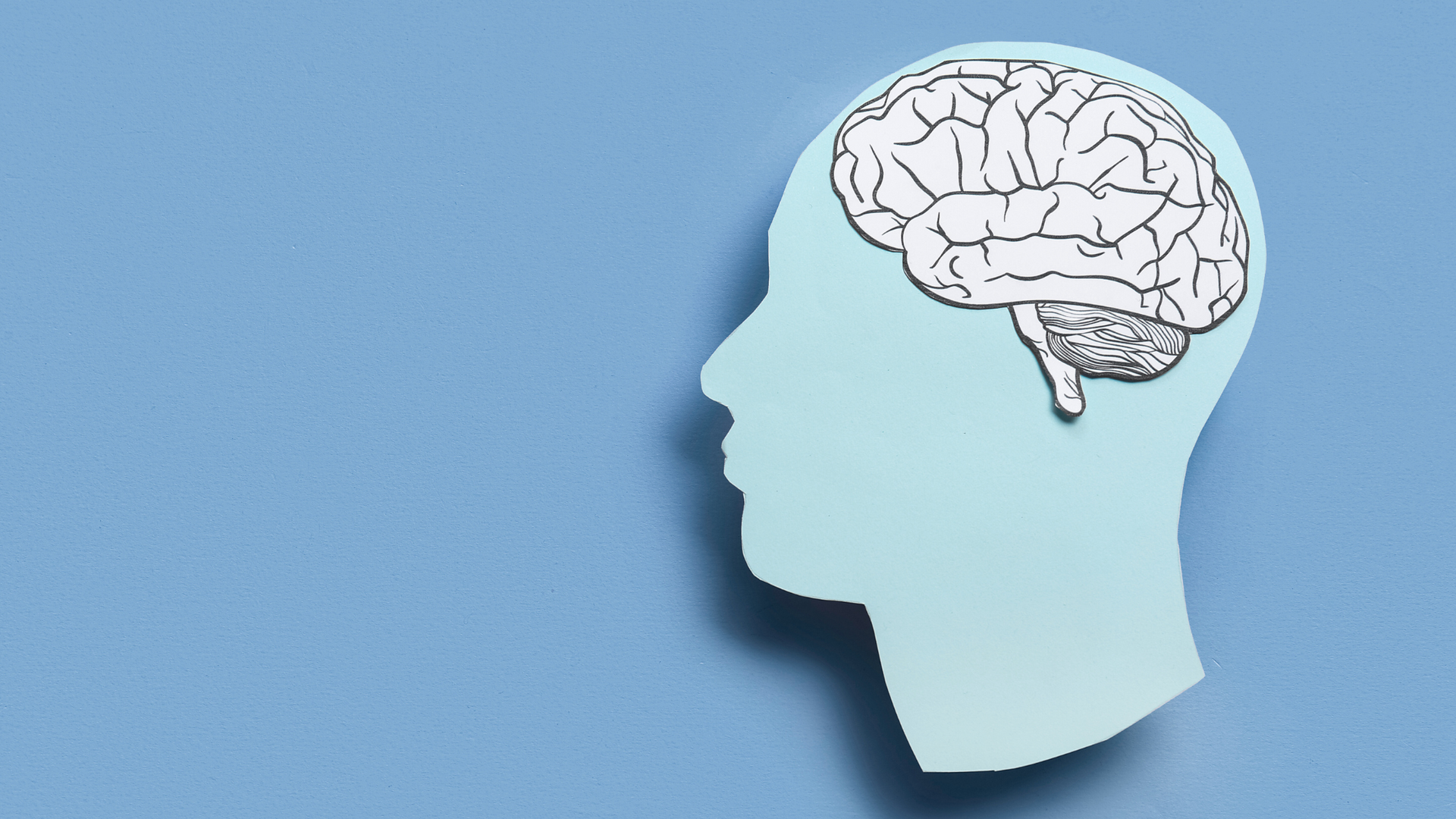

The mind refers to the set of processes that allow you to think, feel, perceive, remember, and become aware of yourself and the world around you. Unlike the brain, which is a physical organ, the mind is not something you can see or touch. Instead, it represents the experience of consciousness, everything that happens within your awareness.
In simple terms, the brain is the structure, and the mind is what the brain does.
The mind includes thoughts, emotions, beliefs, memories, imagination, and attention. It shapes how you interpret reality, make decisions, and respond to life experiences.
If you want to explore more about mental processes and emotional well-being, you can read more in our Knowledge Hub and take the quiz to get personalized supplement recommendations designed to support clarity, focus, and emotional balance.
What Makes Up the Mind
The mind is not a single thing, it is made up of different processes that work together.
Thoughts are the ideas, interpretations, and internal dialogue that run through your awareness. They can be logical, creative, or emotional.
Emotions are feelings that arise in response to experiences, such as happiness, fear, or frustration. They influence behavior and decision-making.
Memory allows you to store and recall information, shaping your understanding of the present based on past experiences.
Perception is how you interpret sensory information, such as what you see, hear, or feel.
Attention determines what you focus on at any given moment, influencing what enters your awareness.
Together, these elements create your subjective experience of reality.
The Mind and the Brain
The mind and brain are closely connected but not identical.
The brain provides the biological foundation for mental processes. Neurons, neurotransmitters, and brain regions all contribute to how the mind functions.
The mind, however, is the result of these processes, it is the experience of thinking, feeling, and being aware.
This relationship is often described as the connection between biology and experience. Changes in the brain can influence the mind, and mental experiences can also shape the brain through neuroplasticity.
Conscious and Unconscious Mind
The mind operates on different levels of awareness.
The conscious mind includes thoughts and experiences you are actively aware of, such as reading, thinking, or making decisions.
The unconscious (or subconscious) mind includes processes that occur outside of awareness, such as automatic habits, learned behaviors, and deeper emotional patterns.
Much of what influences behavior happens at this unconscious level, even if you are not fully aware of it.
Understanding this can help explain why certain reactions or habits feel automatic.
How the Mind Works
The mind is constantly active, even when you are not consciously thinking.
It processes information from your environment, interprets experiences, and generates responses. It also predicts outcomes based on past experiences, helping you navigate daily life.
At times, the mind can become overactive, producing excessive thoughts or worries. At other times, it can be calm and focused.
Learning how the mind works allows you to better manage your thoughts and emotional responses.
The Mind and Mental Health
The state of the mind plays a central role in mental health.
When thought patterns are balanced and flexible, the mind supports well-being. However, when patterns become negative, rigid, or overwhelming, they can contribute to stress, anxiety, or low mood.
For example, repetitive negative thinking can increase emotional distress, while positive and realistic thinking can support resilience.
Mental health practices often focus on improving how the mind processes thoughts and emotions, rather than trying to eliminate them entirely.
Training and Strengthening the Mind
The mind is not fixed, it can be trained and developed.
Practices such as mindfulness, meditation, and reflection can improve awareness and control over thoughts. Learning new skills and engaging in challenging activities can strengthen cognitive abilities.
Building healthy habits, managing stress, and maintaining supportive relationships also contribute to a stronger and more balanced mind.
Over time, these practices can improve focus, emotional regulation, and overall mental clarity.
The Mind in Daily Life
The mind influences every aspect of daily life.
It affects how you interpret situations, make decisions, and respond to challenges. It also shapes your beliefs about yourself and the world.
Because of this, small changes in thinking patterns can lead to meaningful changes in behavior and outcomes.
Developing awareness of your mind can help you respond more intentionally rather than react automatically.
Final Thought
The mind is the center of your inner world, your thoughts, emotions, and awareness all come together to shape your experience of life.
By understanding how the mind works and learning to guide it more effectively, you can improve your mental clarity, emotional balance, and overall well-being.
If you want to take a more personalized approach to supporting your mental performance, consider taking the quiz to get supplement recommendations designed to match your needs, helping you enhance focus, mood, and cognitive function.
Frequently Asked Questions
What is the difference between the mind and the brain?
The brain is a physical organ made up of cells and structures that can be studied biologically. The mind refers to the processes it produces, such as thoughts, emotions, awareness, memory, and perception. A simple way to understand this is that the brain is the hardware, while the mind is the experience it creates. In everyday life, the brain enables function, but the mind is what you actually experience.
Can the mind be trained or improved?
Yes, the mind can be developed because the brain is capable of change through neuroplasticity. This means your thinking patterns, focus, and emotional responses can improve over time. Activities like mindfulness, learning, and habit-building help strengthen mental skills. With consistent practice, these changes can improve clarity, focus, and emotional control.
Why does the mind sometimes feel overactive?
An overactive mind often happens when the brain is in a heightened state of alertness due to stress or overstimulation. This can lead to rapid thinking, worry, and difficulty focusing or relaxing. The mind may continuously process past events or anticipate future problems. Techniques like deep breathing, mindfulness, and reducing stimulation can help calm and regulate mental activity.