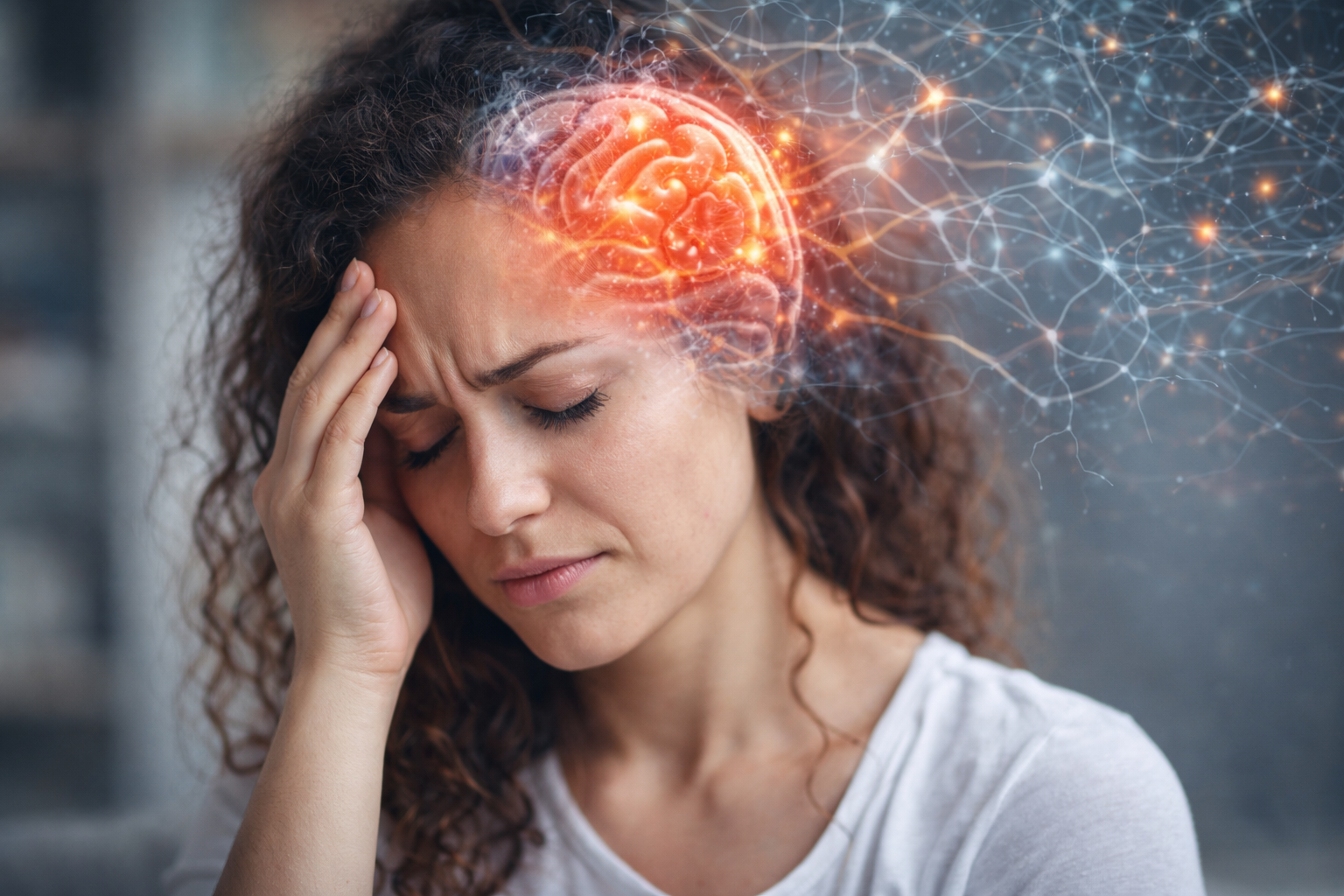

The brain can reshape itself in response to experience, learning, environment, and injury. Neuroplasticity explains how neural circuits strengthen, weaken, or reroute to form new habits, recover lost abilities, and adjust perception. This ability underpins everyday learning as well as rehabilitation after trauma, making it central to both health and personal development.
Introduction To Neuroplasticity
Neuroplasticity is the biological process that allows the nervous system to change its structure and function. Rather than being fixed after childhood, brain networks remain dynamic: synapses alter their strength, circuits reorganize, and certain regions expand or contract with repeated use. These changes support everything from picking up a new language to regaining movement after a stroke.
Definition Of Neuroplasticity
At its core, neuroplasticity refers to the processes by which brain networks grow, rewire, and reorganize in response to learning, experience, environment, or injury. This includes short-term adjustments in synaptic signaling as well as longer-term structural changes such as synaptogenesis, dendritic branching, and region-specific neurogenesis. The result is a brain that adapts to new demands rather than being locked into fixed patterns.
Why Neuroplasticity Matters
Understanding neuroplasticity matters because it reframes recovery, education, and daily wellbeing as achievable through targeted effort and environment. Clinicians use principles of plasticity in rehabilitation to help people relearn skills. Educators leverage repetitive, challenging practice to cement new abilities. At the same time, neuroplasticity explains maladaptive outcomes, such as persistent pain that arises when central nervous system circuits become overly sensitized.
What Neuroplasticity Enables
| Function | Example |
|---|---|
| Learning new skills | Mastering a language or musical instrument |
| Recovery from brain injury | Regaining movement after a stroke through targeted therapy |
| Adapting to new situations | Adjusting to sensory loss or a different environment |
| Coping with pain | Changes in pain perception such as central sensitization |
Key Points To Remember
- Neuroplasticity operates across the lifespan, with robust changes in childhood and meaningful adaptability in adults.
- Plastic changes range from rapid synaptic adjustments to slower structural growth like axonal sprouting and neurogenesis in regions such as the hippocampus.
- Both positive and maladaptive plasticity exist; structured challenge and supportive environments tend to promote beneficial rewiring.
Framing the brain as adaptable shifts expectations for learning and recovery. By applying consistent, meaningful practice and by shaping environments, it is possible to harness neuroplasticity to improve function and resilience.
Types of neuroplasticity
Neuroplasticity is not a single process but a collection of changes that allow the brain to adapt in different ways. Two main forms are recognized: structural neuroplasticity and functional neuroplasticity. Each plays a unique role in how the brain rewires itself for learning, adaptation, and recovery.
Structural neuroplasticity
Structural neuroplasticity involves changes in the physical makeup of the brain. This can include the growth of new neurons, a process called neurogenesis, as well as the formation of new synapses between existing neurons, known as synaptogenesis. Dendritic arborization, where the branches of neurons expand to make additional connections, also falls under this category. These physical changes are often visible in brain imaging studies, such as the expansion of grey matter in areas repeatedly engaged by new skills or experiences.
Functional neuroplasticity
Functional neuroplasticity refers to shifts in how existing brain regions perform their tasks. When one area is damaged, for example after a stroke, another region may take over its function—a process called homologous area adaptation. This type of plasticity does not always involve new structures but instead represents a reorganization of activity within the brain’s current architecture. Such adaptability allows for compensation following injury and supports the redistribution of cognitive or sensory tasks as needed.
How neuroplasticity works: mechanisms and processes
The core of neuroplasticity lies in how neurons communicate and adapt. Several mechanisms drive these changes, shaping the brain’s ability to respond to new challenges and experiences.
Synaptic plasticity
Synaptic plasticity is the process by which the strength of connections between neurons—called synapses—can increase or decrease. Two key processes are long-term potentiation (LTP), which strengthens synapses, and long-term depression (LTD), which weakens them. These mechanisms are central to learning and memory formation. Specialized proteins, such as Arc, play a role in maintaining balance by ensuring that as some synapses become stronger, others may weaken to prevent overstimulation. Receptors like AMPA and NMDA are vital for transmitting signals across synapses, contributing to these adaptive changes.
Neurogenesis and dendritic changes
In certain brain regions, notably the hippocampus, new neurons can form throughout life. This process, neurogenesis, increases the brain’s capacity for learning and memory. Dendritic arborization, or the branching of neuron extensions, further enhances connectivity, allowing for more complex information processing. These structural changes occur gradually, supporting long-term adaptation to new experiences or environments.
Speed of neuroplastic changes
Not all neuroplastic changes happen at the same rate. Synaptic adjustments can occur within minutes or hours, enabling quick responses to new information. In contrast, larger-scale changes such as the growth of new neurons or axons unfold over days, weeks, or even longer. This range of speeds allows the brain to balance immediate adaptation with sustained, lasting change.
Factors that influence neuroplasticity
Several factors determine how readily the brain can adapt and reorganize itself. Understanding these influences helps explain why neuroplasticity varies across individuals and situations.
- Learning and experience: Regularly challenging the brain with new tasks, skills, or environments promotes robust neuroplastic changes.
- Injury and rehabilitation: Following brain injury, targeted therapy can harness neuroplasticity to reroute lost functions to healthy areas, supporting recovery.
- Environment and stimuli: Environments rich in social, sensory, and intellectual stimulation enhance the brain’s plastic potential.
- Age: While neuroplasticity is strongest in childhood, adults retain significant capacity for change, particularly with consistent practice and engagement.
Historical context and research highlights
Decades of research have established neuroplasticity as a fundamental property of the brain. Early animal studies, such as imaging changes in the mouse visual cortex, provided direct evidence of how experience can reshape neural circuits. Discoveries like long-term potentiation demonstrated the molecular basis for learning, while the identification of proteins such as Arc revealed how the brain maintains a delicate balance between strengthening and weakening connections. These findings have shaped modern understanding of how stress, trauma, and recovery influence brain structure and function.
Key mechanisms at a glance
- Synaptic scaling and homeostatic plasticity keep neural networks balanced and adaptable.
- Receptive field reprogramming allows the brain to adjust to sensory loss or changes in input.
- Certain drugs and therapeutic interventions can either support or interfere with neuroplastic processes.
Together, these insights reveal neuroplasticity as a dynamic, lifelong process that underlies the brain’s remarkable flexibility and resilience.
Applications of Neuroplasticity
Neuroplasticity’s potential extends across various domains, offering promising avenues for recovery, learning, and adaptation. In the realm of injury recovery, neuroplasticity is pivotal. Stroke and traumatic brain injury rehabilitation programs are designed to leverage the brain’s ability to form new pathways, enabling patients to regain lost functions. Techniques such as physical therapy, occupational therapy, and cognitive retraining are tailored to stimulate neuroplastic changes, facilitating functional recovery.
In education and personal development, neuroplasticity underpins the acquisition of new skills, languages, and habits. This adaptability is crucial for lifelong learning, allowing individuals to continually expand their cognitive and motor abilities. Furthermore, neuroplasticity plays a significant role in pain management. Conditions like chronic pain often involve maladaptive plasticity, where the central nervous system becomes overly sensitized. Understanding these processes aids in developing strategies to modulate pain perception and improve quality of life.
In the field of mental health, neuroplasticity is central to coping with stress, trauma, and implementing therapeutic interventions. Cognitive-behavioral therapies and mindfulness practices, for example, can induce beneficial plastic changes, promoting resilience and emotional regulation.
Limitations and Cautions
While neuroplasticity offers remarkable benefits, it is not without its limitations. Not all brain changes are advantageous; maladaptive plasticity can lead to chronic conditions such as pain syndromes or addiction. This highlights the importance of targeted interventions and the need for a cautious approach when applying neuroplastic principles.
Furthermore, skepticism surrounds exaggerated claims made by “brain training” products. Scientific evidence supports structured, challenging activities that engage the brain meaningfully, rather than quick-fix solutions. It’s crucial to recognize that while neuroplasticity provides a foundation for growth and recovery, biological and environmental constraints still exist.
Understanding these limitations ensures that neuroplasticity is harnessed effectively, maximizing its potential while minimizing risks.
Frequently Asked Questions
Can adults’ brains really change, or is neuroplasticity only for children?
Yes, adults retain significant neuroplasticity, although it is generally more pronounced in childhood. Adult brains can adapt, learn new skills, and recover from injury, demonstrating that neuroplasticity is a lifelong process.
How can I promote neuroplasticity in daily life?
Engage in challenging activities such as learning new skills, exercising regularly, and maintaining social interactions. Creating a stimulating environment and practicing new tasks consistently can enhance neuroplasticity.
Does neuroplasticity help after a brain injury or stroke?
Yes, targeted rehabilitation leverages neuroplasticity to help individuals regain lost functions by forming new neural pathways. Techniques like physical therapy and cognitive retraining are designed to stimulate these changes.
Are there risks or downsides to neuroplasticity?
While plasticity enables recovery and learning, maladaptive changes can also occur, leading to chronic pain or reinforcing negative habits. It is essential to approach neuroplasticity with targeted and structured interventions.
Is there scientific evidence supporting neuroplasticity?
Decades of research, including imaging studies and clinical trials, confirm neuroplasticity in humans and animals. These studies provide a robust foundation for understanding how the brain adapts and changes over time.
Can neuroplasticity be “trained” with games or apps?
While some cognitive training can be beneficial, evidence supports structured, challenging, real-world activities over most commercial “brain training” products. Engaging the brain in meaningful tasks is more effective for promoting neuroplasticity.
What role do genes and environment play in neuroplasticity?
Both genetics and environment influence the brain’s capacity to change. Enriched, supportive environments and active lifestyles enhance neuroplastic potential, while genetic factors can determine the extent of plastic changes.