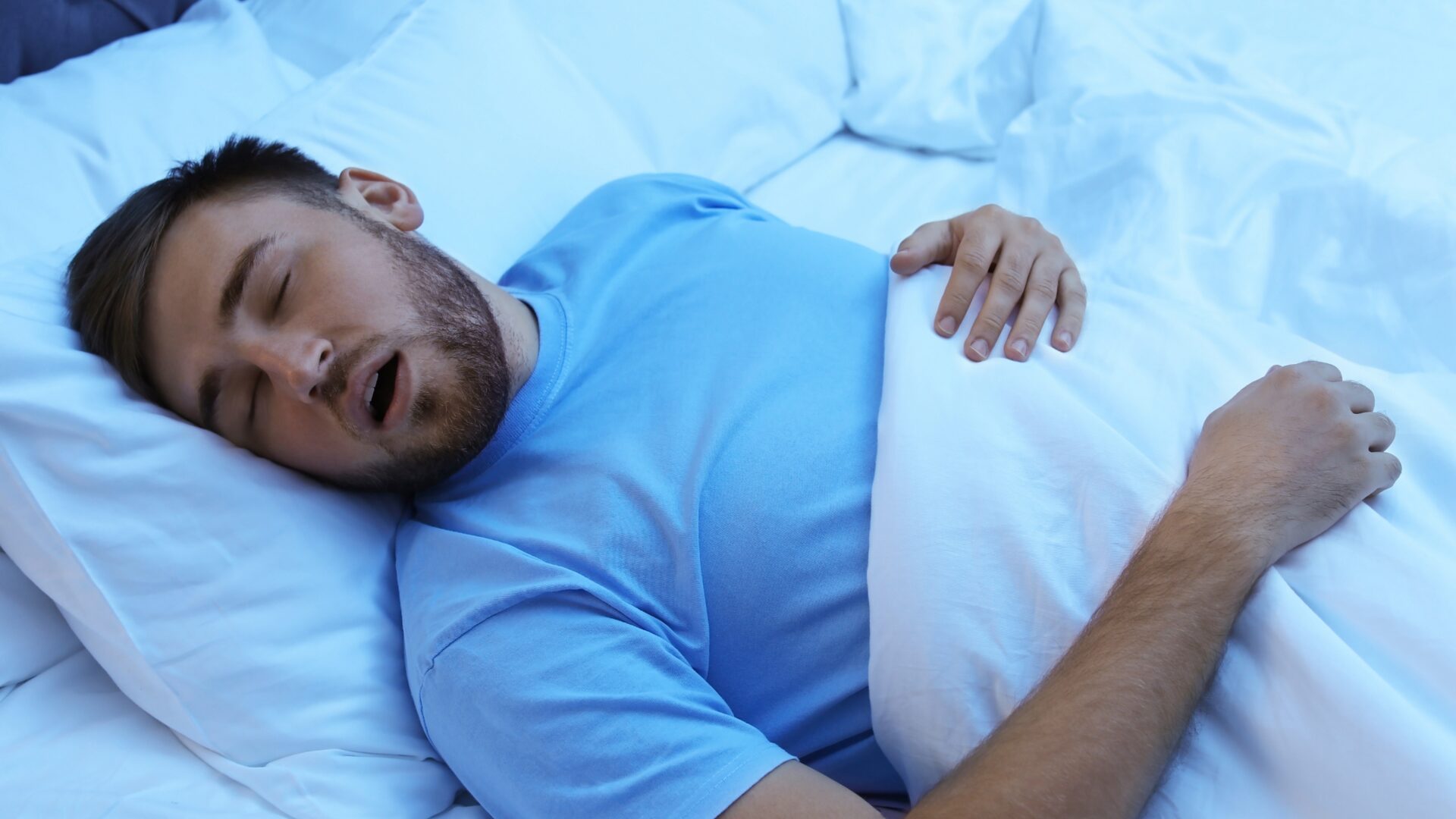

What Happens When Obstructive Sleep Apnea Occurs
Sleep is meant to be a peaceful reset for the body and mind. But for millions, it becomes a struggle to breathe properly—often without them even realizing it. If you’ve ever experienced loud snoring, gasping for air during the night, or waking up tired despite getting 7–8 hours of sleep, there’s a chance you’re dealing with obstructive sleep apnea (OSA).
In this in-depth guide, we’ll explain what happens when sleep apnea occurs, how it impacts your health (including your heart), and what steps you can take to breathe easier and sleep better.
What Is Obstructive Sleep Apnea?
Obstructive sleep apnea is the most common of the three main types of sleep apnea. The other two are central sleep apnea and complex (mixed) sleep apnea. In OSA, sleep apnea occurs when the muscles in the back of the throat relax too much during sleep. This causes the soft palate, tongue, and surrounding tissues to collapse and block the upper airway.
This blockage can last for several seconds—or even over a minute. During these moments, airflow to the lungs is restricted or completely cut off. Your brain senses the oxygen drop and briefly wakes you up to restore breathing. These awakenings are usually so short that you don’t remember them, but they wreak havoc on your sleep cycle.
In simple terms: obstructive sleep apnea occurs when the airway becomes blocked because the throat muscles relax during sleep.
What Causes the Airway to Become Blocked?
OSA doesn’t happen randomly—there are clear risk factors and physical triggers that increase the chance of developing this condition:
- Excess body weight: One of the biggest contributors. Fat deposits around the neck and upper airway can increase your risk of blockages.
- Anatomy: A narrow throat, large tongue, or recessed jawline can reduce airway space.
- Aging: As we age, muscles relax more easily during sleep, making airway collapse more likely.
- Gender: Men have a higher risk than women, although risk increases for women post-menopause.
- Alcohol and sedatives: These substances overly relax the throat muscles.
- Nasal congestion: Chronic congestion makes nose breathing difficult, forcing mouth breathing which increases the risk of airway collapse.
- Family members: Genetics play a role. If close family members have OSA, your chances may be higher.
- Sleeping position: Lying on your back allows gravity to pull the tongue and soft palate backward, worsening obstruction.
Key Symptoms of Obstructive Sleep Apnea
The most obvious warning sign is loud snoring, but it’s far from the only one. Here are additional red flags to watch for:
- Gasping or choking sounds while sleeping
- Shortness of breath that wakes you from sleep
- Frequent nighttime awakenings
- Waking with a dry mouth or sore throat
- Morning headaches
- Falling asleep easily during the day, even during meetings or while driving
- Difficulty concentrating or memory problems
- Irritability or depression
- Frequent urination at night
These symptoms reflect fragmented sleep, poor oxygenation, and exhaustion that can build over time.
Health Risks: More Than Just Snoring
Let’s be clear: OSA is more than an annoyance. Left untreated, obstructive sleep apnea increases the risk of several serious medical conditions:
- High blood pressure: Sleep interruptions repeatedly activate your fight-or-flight system, which can increase blood pressure levels both at night and during the day.
- Heart attack and heart failure: Repeated drops in oxygen can stress the heart, damaging its function and structure. People with OSA are significantly more likely to suffer from cardiovascular problems, including heart attack and heart failure.
- Stroke
- Type 2 diabetes: Sleep deprivation impairs glucose metabolism.
- Cognitive impairment: Poor sleep can lead to memory loss and concentration issues.
- Weakened immune system
- Increased risk of accidents due to fatigue while driving or operating machinery
OSA can even increase the risk of premature death if not addressed.
Treatment Options: What Can Be Done?
Thankfully, OSA is highly treatable. Depending on your diagnosis and the underlying causes, treatment may include:
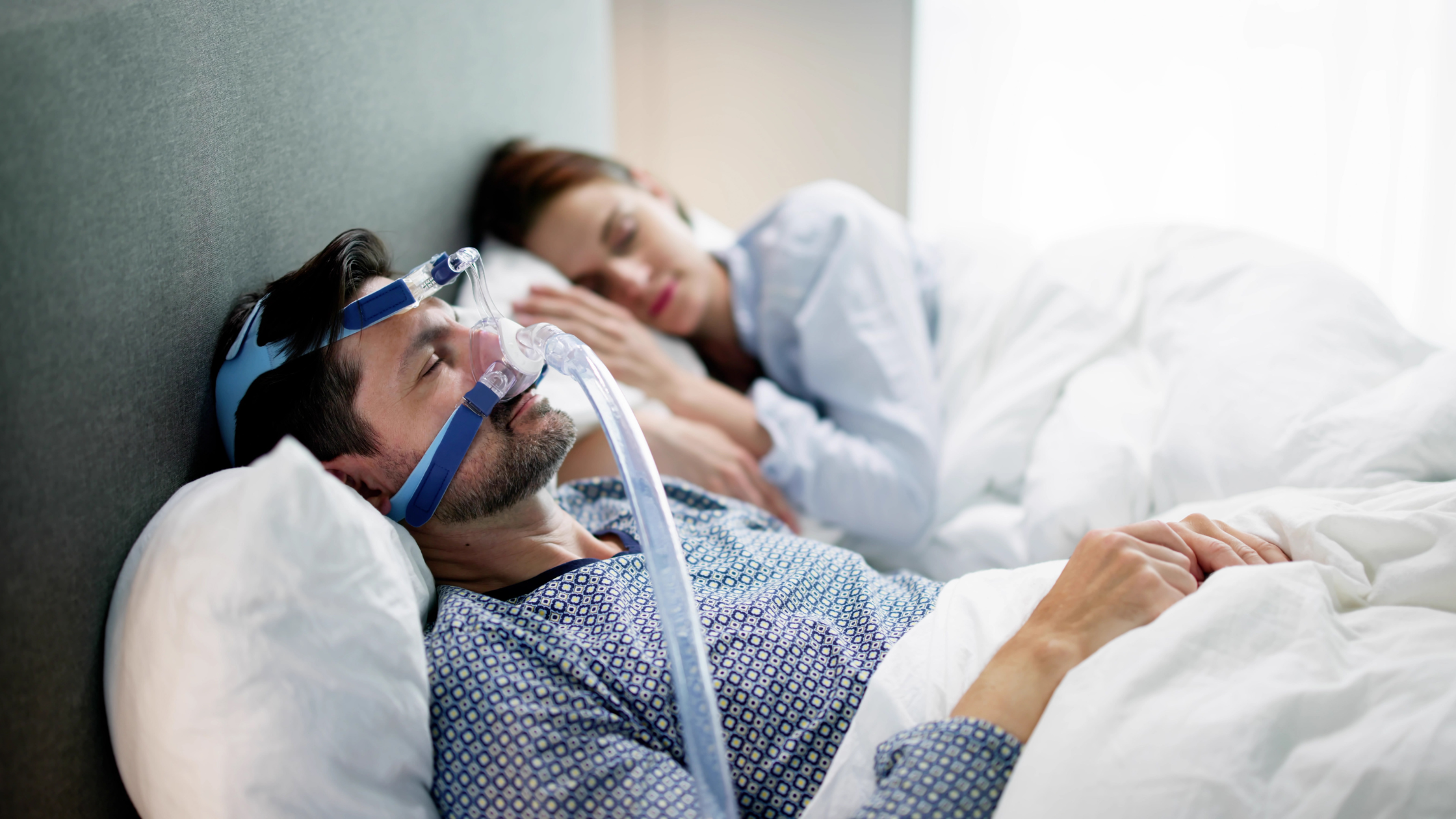
1. CPAP (Continuous Positive Airway Pressure)
The most widely recommended treatment, CPAP machines deliver steady air pressure through a mask, preventing the upper airway from collapsing.
2. Lifestyle Changes
- Weight loss to reduce airway pressure
- Avoiding alcohol and sedatives
- Sleeping on your side
- Quitting smoking
3. Oral Appliances
These custom dental devices adjust your jaw or tongue position to maintain an open airway.
4. Surgical Options
In more severe cases, surgery may be needed to remove excess tissue, reposition parts of the airway, or stimulate airway muscles to stay open.
5. Positional Therapy
Trains you to avoid back-sleeping, often using specialized devices or pillows.
Final Thoughts:
Obstructive sleep apnea occurs when the airway becomes blocked due to overly relaxed muscles, especially during deep sleep. The result is fragmented sleep, chronic fatigue, and a long list of cardiovascular problems, including high blood pressure, heart attack, and heart failure.
But here’s the good news: once diagnosed, most people see a dramatic improvement in their sleep quality and energy levels. If you suspect that you or someone you love may have sleep apnea, don’t wait. A simple sleep study and the right treatment can be life-changing.
Prioritizing your sleep is an investment in your overall health — and your heart.
Seeking a Natural Solution to Improve Your Sleep?
Quality sleep begins with a calm, balanced mind. Cenario offers a scientifically formulated range of supplements designed to help you fall asleep more easily, stay asleep throughout the night, and wake up feeling truly refreshed.
Not sure where to begin? Take our quick quiz to receive personalized recommendations tailored to your sleep habits, stress levels, and overall lifestyle.
Achieve restorative sleep, refreshed mornings, and enhanced well-being with Cenario.
Frequently Asked Questions
Can obstructive sleep apnea go away on its own?
No, OSA rarely resolves without treatment. While lifestyle changes such as losing weight, improving sleep position, or avoiding alcohol may reduce symptoms, most people need long-term management like CPAP, oral appliances, or medical intervention to fully control the condition.
Is snoring always a sign of sleep apnea?
Not always. Many people snore without having OSA. However, if snoring is accompanied by gasping, choking, daytime fatigue, or pauses in breathing, it’s more likely to be sleep apnea and should be evaluated by a doctor.
What happens if sleep apnea is left untreated?
Untreated OSA can lead to serious complications, including high blood pressure, heart disease, stroke, diabetes, memory problems, and a higher risk of accidents due to fatigue. Over time, it can even shorten life expectancy, making diagnosis and treatment essential.