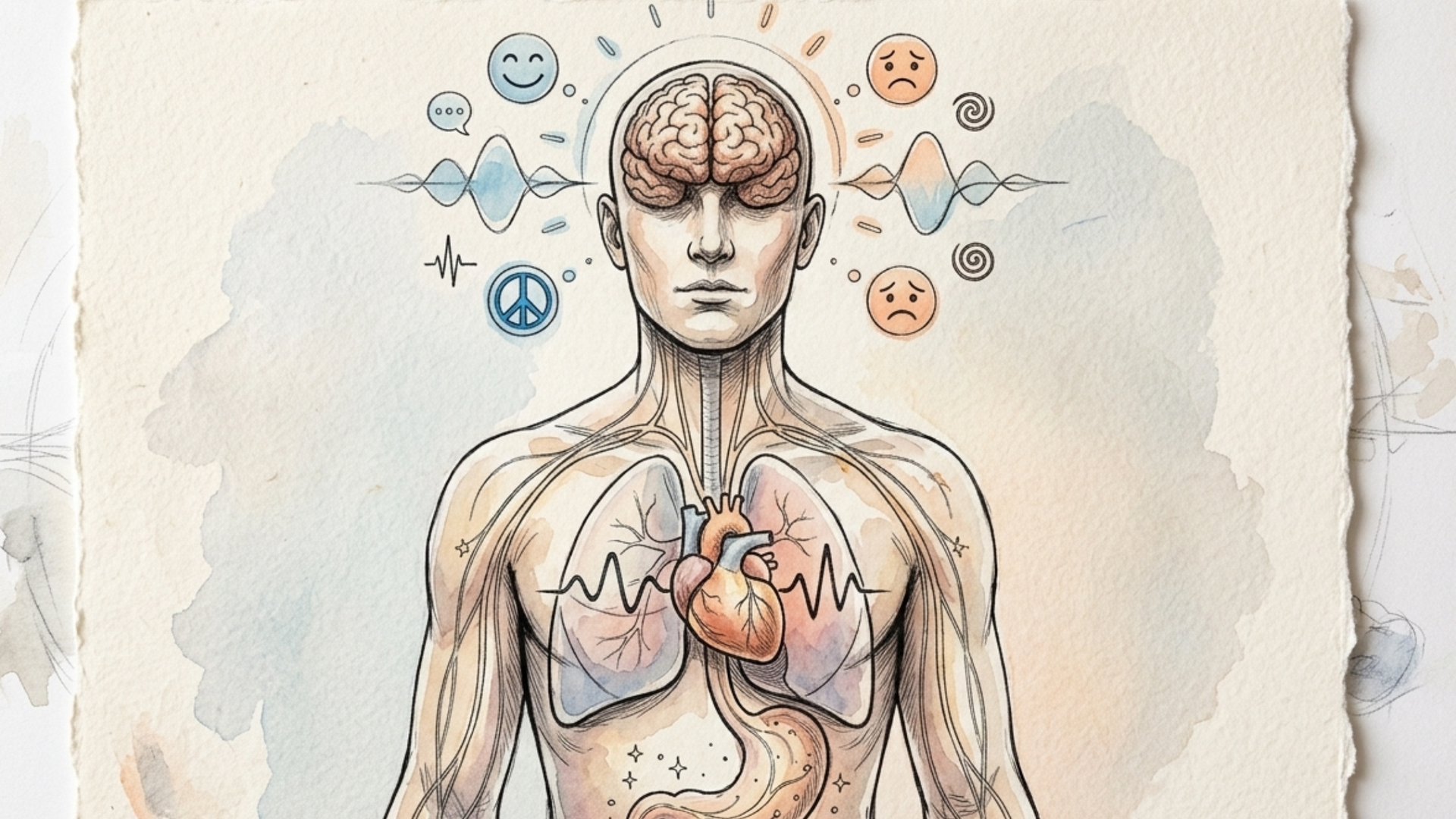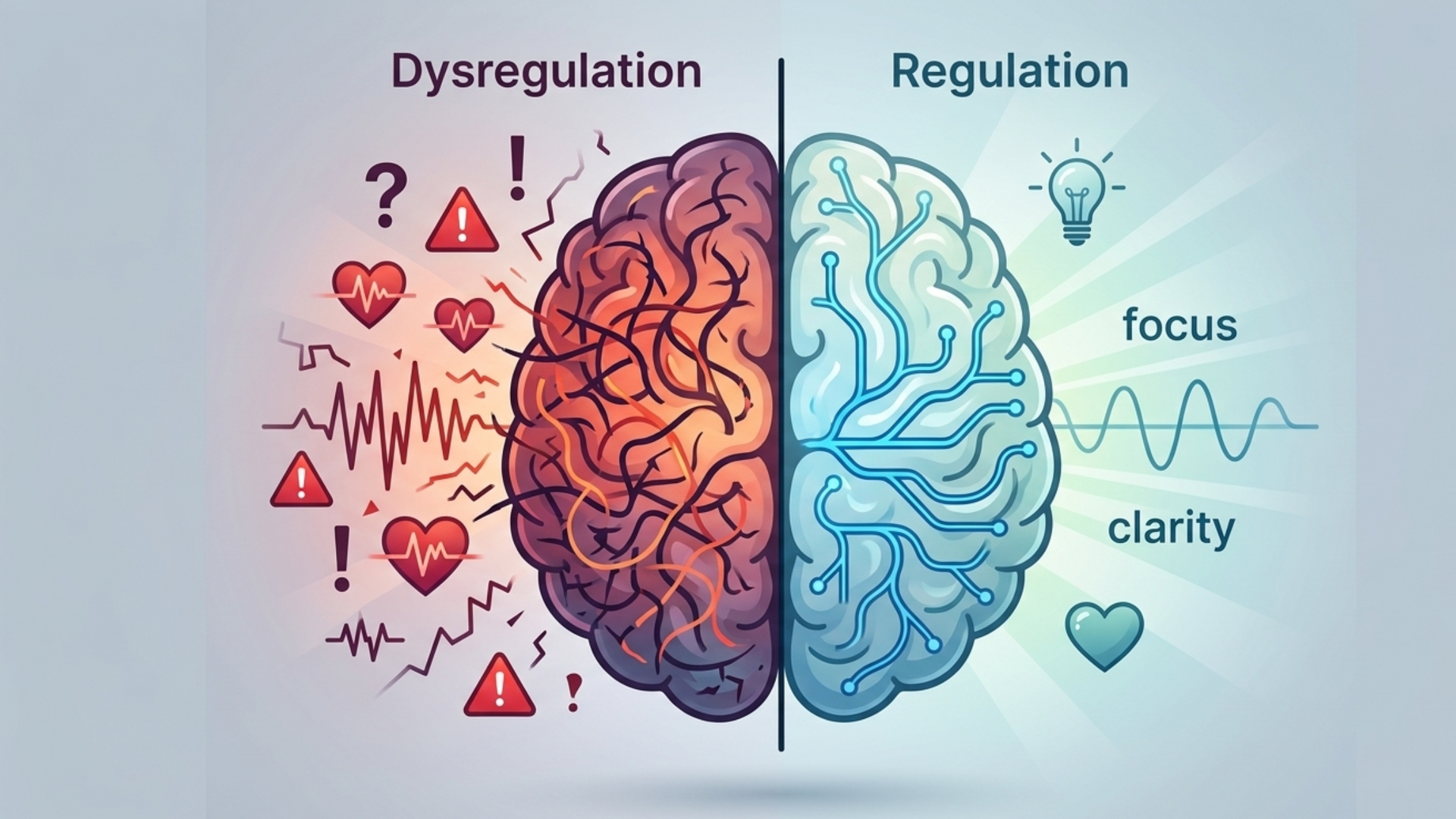

Overstimulation occurs when your brain receives more sensory input, information, or emotional demands than it can effectively process at one time. In today’s fast-paced, highly connected world, it is becoming increasingly common to feel mentally overwhelmed by constant notifications, noise, multitasking, and social demands.
When overstimulated, your brain struggles to keep up. This can lead to feelings of irritability, fatigue, difficulty focusing, and a strong desire to withdraw or “shut down.” While occasional overstimulation is normal, frequent or prolonged exposure can affect both mental clarity and emotional well-being.
If you want to better understand how mental load, focus, and brain health are connected, you can read or explore more here at our Knowledge Hub for more mental health–related articles, and take the quiz to get personalized supplement recommendations designed to support calmness, focus, and cognitive balance.
What Overstimulation Really Means
Your brain is constantly processing information from your environment—sounds, sights, thoughts, emotions, and tasks. Under normal conditions, it filters and prioritizes what is important. However, when too much input is received at once, this filtering system becomes overwhelmed.
Overstimulation is not just about external noise or activity. It can also come from internal sources, such as racing thoughts, stress, or emotional pressure. When the brain cannot efficiently process all of this input, it enters a state of overload.
This state can feel like mental clutter, where everything demands attention at the same time, making it difficult to focus or think clearly.
Common Signs of Overstimulation
Overstimulation can affect both the mind and body. You may feel mentally scattered, unable to concentrate, or easily distracted. Simple tasks may suddenly feel more difficult or frustrating.
Emotionally, overstimulation often leads to irritability or a shorter patience threshold. You might feel overwhelmed by situations that would normally feel manageable. Some people also experience anxiety or a sense of restlessness.
Physically, it can show up as tension, fatigue, or a need to withdraw from your surroundings. You may feel the urge to be alone, turn off noise, or step away from activity to recover.
What Causes Overstimulation
Modern lifestyle plays a major role in overstimulation. Constant exposure to digital devices—such as smartphones, social media, and notifications, keeps the brain in a continuous state of input and alertness.
Multitasking is another major contributor. When you try to handle multiple tasks at once, your brain must rapidly switch between them, increasing cognitive load and reducing efficiency.
Environmental factors, such as loud noises, crowded spaces, or bright lights, can also overwhelm the senses. At the same time, emotional stress, pressure, and unresolved thoughts can add internal stimulation, making it even harder for the brain to cope.
Over time, these factors can accumulate, leading to frequent or chronic overstimulation.
How Overstimulation Affects Your Brain and Body
When the brain is overstimulated, it uses more energy trying to process information and maintain control. This can lead to mental fatigue and reduced cognitive performance.
The body may also respond by activating the stress response. This can increase heart rate, tension, and alertness, making it harder to relax. If this state continues for long periods, it can contribute to burnout, anxiety, and sleep disturbances.
Overstimulation also affects focus and memory. When too much information competes for attention, it becomes harder to retain and process what truly matters.
Overstimulation vs Stress and Anxiety
Overstimulation is closely related to stress and anxiety but is not exactly the same. Stress usually involves pressure or demands, while anxiety involves worry or fear.
Overstimulation, on the other hand, is specifically related to excess input and overload. However, it can lead to stress and anxiety if not managed properly.
Understanding this distinction can help you identify the root cause of how you feel and choose the right approach to manage it.
How to Manage and Reduce Overstimulation
Managing overstimulation involves reducing unnecessary input and giving your brain time to reset. One of the most effective strategies is creating moments of quiet and stillness throughout the day. Even short breaks without screens or noise can help your brain recover.
Limiting multitasking can also make a significant difference. Focusing on one task at a time allows your brain to process information more efficiently and reduces cognitive overload.
Setting boundaries with digital devices is important as well. Turning off non-essential notifications or scheduling screen-free periods can lower constant stimulation.
Engaging in calming activities, such as walking, deep breathing, or spending time in nature, can help regulate your nervous system and restore balance.
The Importance of Mental Recovery
Just as your body needs rest after physical activity, your brain needs recovery after periods of high stimulation. Without proper recovery, overstimulation can accumulate and lead to exhaustion or burnout.
Building regular recovery time into your routine is essential. This does not always mean doing nothing, it can include activities that are calming and low-demand, allowing your brain to reset without additional pressure.
Over time, these habits can improve your ability to handle stimulation and maintain focus.
Final Thoughts
Overstimulation is a common experience in modern life, but it does not have to control how you feel or function. By understanding its causes and recognizing its signs, you can take steps to reduce overload and protect your mental clarity.
Supporting your brain through balanced habits, reduced input, and intentional recovery can help you feel more focused, calm, and in control.
If you want to take a more personalized approach to improving your focus and reducing mental overload, take the quiz to get personalized supplement recommendations designed to support calmness, enhance concentration, and promote overall cognitive balance.
Frequently Asked Questions
1. What does it mean to feel overstimulated?
Feeling overstimulated means your brain is receiving more input than it can process, leading to mental overload, irritability, and difficulty focusing.
2. Can overstimulation cause anxiety?
Yes, prolonged overstimulation can contribute to stress and anxiety by keeping the brain in a heightened state of alertness.
3. How do I calm down when I feel overstimulated?
Taking a break from noise and screens, focusing on slow breathing, and moving to a quiet environment can help your brain reset.
4. Is overstimulation common in modern life?
Yes, due to constant digital exposure, multitasking, and busy environments, overstimulation has become increasingly common.