Parkinson’s Disease: What It Is and How It Affects You
Parkinson’s Disease is a complex and progressive neurological disorder that affects millions of people globally. This guide explains what Parkinson’s Disease is, how it affects the nervous system, and the latest treatments available. You’ll learn about its causes, symptoms, and ways to manage it. Whether you’ve been recently diagnosed, are caring for someone with Parkinson’s, or just want to learn more, understanding this disease can help you make better choices and improve care.
What Is Parkinson’s Disease?
Parkinson’s Disease (PD) is a long-term movement disorder that worsens over time. It happens when the brain loses nerve cells that produce dopamine in the brain, a chemical that helps control movement and coordination. When dopamine levels drop, the brain has trouble managing body movements, which leads to the common symptoms of Parkinson Disease, like pill rolling tremors, stiffness, and slow movement.
Key Features of Parkinson’s Disease
- Neurodegeneration – The gradual loss of neurons, particularly in the substantia nigra, a region of the midbrain essential for movement regulation.
- Dopamine Deficiency – A decline in dopamine levels leads to impaired communication between brain regions responsible for motor control.
- Lewy Bodies Formation – Abnormal clumps of protein called Lewy bodies accumulate in the brain, contributing to cellular dysfunction and neurodegeneration.
How Parkinson’s Disease Affects the Brain
1. Disruption of the Dopaminergic System
Damage to the Substantia Nigra
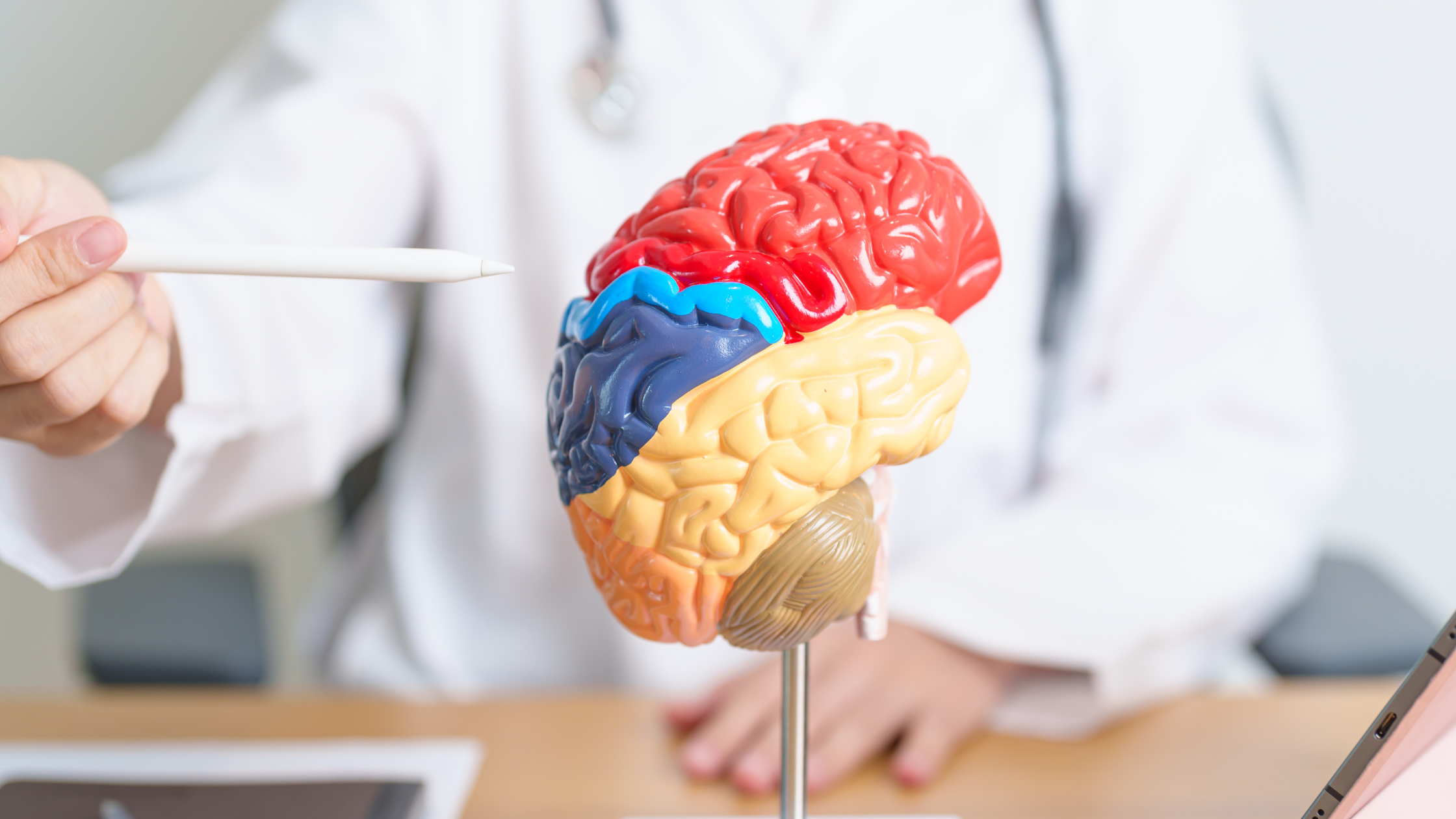
The substantia nigra is a part of the brain that helps control movement. In Parkinson’s Disease, the nerve cells in this area slowly die and stop making dopamine in the brain, a chemical that helps muscles move smoothly. This leads to movement disorders, coordination issues, and slower physical responses.
Problems with Brain Signals
Dopamine is also important for a group of brain structures called the basal ganglia, which help control body movements. When dopamine levels drop, the brain’s signals become unbalanced. This causes symptoms like pill rolling tremors (shaking), muscle stiffness, and bradykinesia (slow movement).
2. Protein Aggregation and Lewy Bodies
Lewy Bodies and Alpha-Synuclein
In Parkinson’s Disease, a protein called alpha-synuclein builds up in the brain and forms clumps known as Lewy bodies. These toxic clumps damage nerve cells and interfere with nervous system function. Scientists believe that Lewy bodies play a major role in the Parkinson progression markers initiative and its symptoms. These deposits contribute to neuronal stress, dysfunction, and eventual cell death.
Cellular Stress and Damage
The buildup of misfolded proteins puts stress on brain cells, making the damage worse and affecting how the brain works. This can contribute to induced parkinsonism, a condition that mimics Parkinson’s symptoms due to environmental or medical causes.
3. Cognitive and Emotional Impact
Beyond movement disorders, Parkinson’s Disease also affects cognitive function and emotional well-being:
- Cognitive Decline – Some individuals experience difficulties with memory, problem-solving, and attention in the early stages.
- Mood Disorders – Depression and anxiety are common due to neurochemical imbalances and the emotional toll of managing a chronic condition.
- Sleep Disturbances – Many individuals struggle with insomnia, REM sleep behavior disorder, and excessive daytime sleepiness.

How Parkinson’s Disease Affects the Body
1. Motor Symptoms
- Tremors – Often the first noticeable symptom, typically affecting one hand before progressing to other parts of the body.
- Muscle Rigidity – Stiffness in the muscles can limit movement, leading to discomfort and difficulty with daily activities.
- Bradykinesia (Slowed Movement) – Tasks such as walking, writing, and dressing become increasingly difficult.
- Postural Instability – Balance problems increase the risk of Parkinson-related falls, making mobility more challenging.
2. Non-Motor Symptoms
In addition to movement disorders, Parkinson’s Disease affects various bodily systems:
- Autonomic Dysfunction – Issues such as orthostatic hypotension (low blood pressure when standing), digestive problems, and temperature regulation difficulties.
- Sensory Changes – A diminished sense of smell (hyposmia) can be an early-stage indicator of the disease.
- Fatigue and Sleep Issues – Persistent tiredness and disrupted sleep cycles significantly impact quality of life.
- Speech and Swallowing Problems – Changes in speech volume and clarity, along with difficulty swallowing (dysphagia), become more pronounced as the disease progresses.
How Common Is Parkinson’s Disease?
Parkinson’s Disease is not the most common neurological condition, but it affects a significant number of people worldwide. It is a progressive disorder that impacts movement and other functions over time.
Global Impact
- Around 10 million people worldwide are living with Parkinson’s Disease.
- It is more commonly diagnosed in older adults, particularly those over the age of 60. However, some younger individuals can also develop it, a condition known as Young-Onset Parkinson’s Disease (YOPD).
- As life expectancy increases, the number of people with Parkinson’s Disease is expected to rise in the coming decades.
Symptoms and Causes of Parkinson’s Disease
Common Symptoms
Parkinson’s Disease affects both movement and other aspects of daily life. Symptoms may start subtly and gradually worsen over time.
Movement-Related Symptoms (Motor Symptoms):
- Tremors – Uncontrollable shaking, often starting in one hand or fingers.
- Muscle stiffness – Muscles feel tight, making movement difficult.
- Bradykinesia (Slow movement) – Everyday tasks like buttoning a shirt or walking take longer.
- Balance and coordination issues – Increased risk of falls due to instability.
Non-Motor Symptoms:
In addition to movement-related issues, Parkinson’s Disease also affects other parts of the body and mind.
- Speech changes – Speech may become softer or slurred.
- Writing difficulties – Handwriting may become smaller and harder to read.
- Sleep problems – Insomnia, nightmares, or acting out dreams are common.
- Fatigue – Feeling extremely tired, even with enough rest.
- Mood disorders – Depression, anxiety, and apathy are frequent.
- Memory and thinking problems – Some people experience difficulty with concentration and decision-making.
Causes of Parkinson’s Disease
The exact cause of Parkinson’s Disease is still unknown, but researchers believe it develops due to a combination of genetic and environmental factors.
Possible Causes Include:
- Genetics: Certain genes may increase the risk of developing Parkinson’s, though most cases are not directly inherited.
- Environmental Factors: Exposure to toxins, such as pesticides or heavy metals, might contribute to the disease.
- Aging: As people get older, brain cells responsible for producing dopamine (a chemical that controls movement) may start to break down.
Stages Parkinson Disease
Parkinson’s Disease progresses slowly, and symptoms become more noticeable over time. Doctors typically classify the disease into five stages based on severity.
- Stage 1 – Mild symptoms, often affecting one side of the body.
- Stage 2 – Tremors, stiffness, and movement difficulties appear on both sides.
- Stage 3 – Balance problems become more noticeable, increasing the risk of falls.
- Stage 4 – Severe motor symptoms; assistance with daily tasks is necessary.
- Stage 5 – Advanced stage; full-time care is needed due to severe mobility limitations.
Diagnosis and Treatment of Parkinson’s Disease
1. How Parkinson’s Disease Is Diagnosed
- Clinical Evaluation: Diagnosis is based on medical history, symptom observation, and neurological examination.
- Imaging and Laboratory Tests: While no definitive test exists, imaging techniques like MRI and DaTscan help rule out other conditions.
2. Treatment Approaches
Medications
- Levodopa (L-DOPA): The most widely used medication, which helps replenish dopamine levels.
- Dopamine Agonists: Medications that mimic dopamine’s effects to improve motor symptoms.
- MAO-B Inhibitors: These slow the breakdown of dopamine in the brain, prolonging its effects.
Surgical Interventions
- Deep Brain Stimulation (DBS): A surgical procedure that implants electrodes into specific brain areas to help regulate abnormal signals.
Supportive Therapies
- Physical Therapy: Focuses on maintaining mobility, balance, and strength.
- Occupational Therapy: Helps individuals adapt to daily challenges and maintain independence.
- Speech Therapy: Assists in improving communication and addressing swallowing difficulties.
Natural Supplements and Complementary Therapies
Many individuals explore natural supplements and alternative therapies to support neurological health. While research on these approaches continues, some supplements may offer additional benefits when used alongside conventional treatments.
Popular Natural Supplements for Parkinson’s Disease
- Coenzyme Q10 (CoQ10): May support mitochondrial function and cellular energy production.
- Vitamin D: Essential for bone health and potentially beneficial for brain function.
- Omega-3 Fatty Acids: Found in fish oil, these compounds help reduce inflammation and support cognitive health.
- Curcumin (Turmeric): Known for its anti-inflammatory and antioxidant properties.
- Green Tea Extract: Contains powerful antioxidants that may contribute to neuroprotection.
- B-Vitamins and Antioxidants: Support overall neurological and metabolic function.
Note: Always consult a healthcare professional before incorporating supplements into your treatment plan.
Living with Parkinson’s Disease
1. Managing Daily Life
- Lifestyle Adjustments: Regular exercise, a nutritious diet, and adequate sleep play crucial roles in symptom management.
- Support Networks: Engaging with support groups—both online and in-person—can provide emotional and practical assistance.
- Advancements in Research: Ongoing studies on gene therapy and novel drug treatments continue to offer hope for improved management.
2. Importance of Early Intervention
- Timely Diagnosis: Detecting and treating Parkinson’s Disease early can help slow symptom progression.
- Holistic Approach: Combining conventional medicine with complementary therapies, counseling, and mindfulness practices can enhance overall well-being.
Conclusion
Parkinson’s Disease is a multifaceted condition that impacts both the brain and body in profound ways. Understanding its underlying mechanisms—such as dopamine deficiency, protein aggregation, and neural circuitry disruption—provides crucial insight into symptom management. With a combination of medications, supportive therapies, and complementary approaches like natural supplements, individuals can improve their quality of life.
Take Action for Better Health
Explore personalized and high-quality natural supplements designed to support neurological function. Get personalized recommendations by taking our quick survey, guiding you to the best supplements for your needs. Empower your journey with knowledge, support, and holistic care!
Frequently Asked Questions
Can Parkinson’s Disease be prevented?
Currently, there is no guaranteed way to prevent Parkinson’s Disease, but research suggests that certain lifestyle habits may lower risk. Regular exercise, a balanced diet rich in antioxidants, and reducing exposure to environmental toxins (like pesticides and heavy metals) may help protect brain health.
Is Parkinson’s Disease only a movement disorder?
No. While tremors, stiffness, and slow movement are hallmark motor symptoms, Parkinson’s Disease also causes non-motor symptoms such as depression, anxiety, sleep disturbances, fatigue, and cognitive decline. These symptoms can sometimes appear years before movement-related issues.
How long can someone live with Parkinson’s Disease?
Parkinson’s Disease itself is not considered fatal, but it is a progressive condition that affects quality of life. With proper treatment, lifestyle adjustments, and supportive care, many individuals live 15–20 years or more after diagnosis, though progression and life expectancy vary by person.