
What Is Post-Traumatic Stress Disorder (PTSD)?
Understanding PTSD and Its Impact on Mental Health
Post-Traumatic Stress Disorder (PTSD) is a complex mental health condition that develops in individuals who have experienced or witnessed a traumatic event. This could be anything from military combat and natural disasters to personal trauma such as physical assault, severe accidents, abuse, or the sudden loss of a loved one. PTSD affects how the brain processes fear and stress, often leading to persistent distressing memories, emotional numbness, hypervigilance, and intrusive thoughts.
Although PTSD is commonly associated with veterans, anyone can develop it after a traumatic experience. If left untreated, PTSD can disrupt daily life, relationships, and overall well-being, making it essential to recognize the symptoms and seek appropriate care.
Facts About PTSD
Understanding PTSD is key to breaking stigmas and encouraging those affected to seek help. Here are some important facts about PTSD:
PTSD is more common than you think:
- Around 6% of the U.S. population will experience PTSD at some point in their lives.
- About 8 million adults suffer from PTSD in any given year.
Women are more likely to develop PTSD than men:
- Women have twice the risk of developing PTSD, possibly due to higher rates of exposure to interpersonal trauma (e.g., sexual assault, domestic violence).
PTSD doesn’t always show up immediately:
- Symptoms can appear weeks, months, or even years after the traumatic event.
Not everyone who experiences trauma develops PTSD:
- Many people experience traumatic events but never develop PTSD.
- Factors like genetics, coping mechanisms, and support systems influence who develops PTSD.
PTSD affects physical health, too:
- Individuals with PTSD have a higher risk of heart disease, autoimmune disorders, and chronic pain due to prolonged stress responses in the body.
Causes and Risk Factors of PTSD
PTSD occurs when the brain remains in a heightened state of stress after experiencing trauma. The body’s natural “fight-or-flight” response becomes dysregulated, making it difficult to process the event and return to a state of normalcy. Several factors influence the likelihood of developing PTSD, including:
1. Severity of the Trauma
The more extreme or prolonged the trauma, the higher the risk of PTSD. Events involving life-threatening situations or repeated exposure to distressing experiences increase the likelihood of developing symptoms.
2. Personal History of Trauma
Individuals who have previously experienced trauma—such as childhood abuse or past violent incidents—are more susceptible to PTSD following another traumatic event.
3. Lack of Social Support
A strong support system plays a crucial role in mitigating PTSD symptoms. Isolation or a lack of emotional support can worsen PTSD, while meaningful connections can aid in recovery.
4. Pre-existing Mental Health Conditions
People with a history of anxiety, depression, or other mental health disorders may be more vulnerable to PTSD. Their brain’s ability to regulate stress is often already compromised, increasing susceptibility.
5. Genetics and Brain Chemistry
Some individuals may have a genetic predisposition to PTSD. Differences in brain chemistry, particularly in how neurotransmitters regulate stress responses, can contribute to the disorder.
Common Symptoms of PTSD
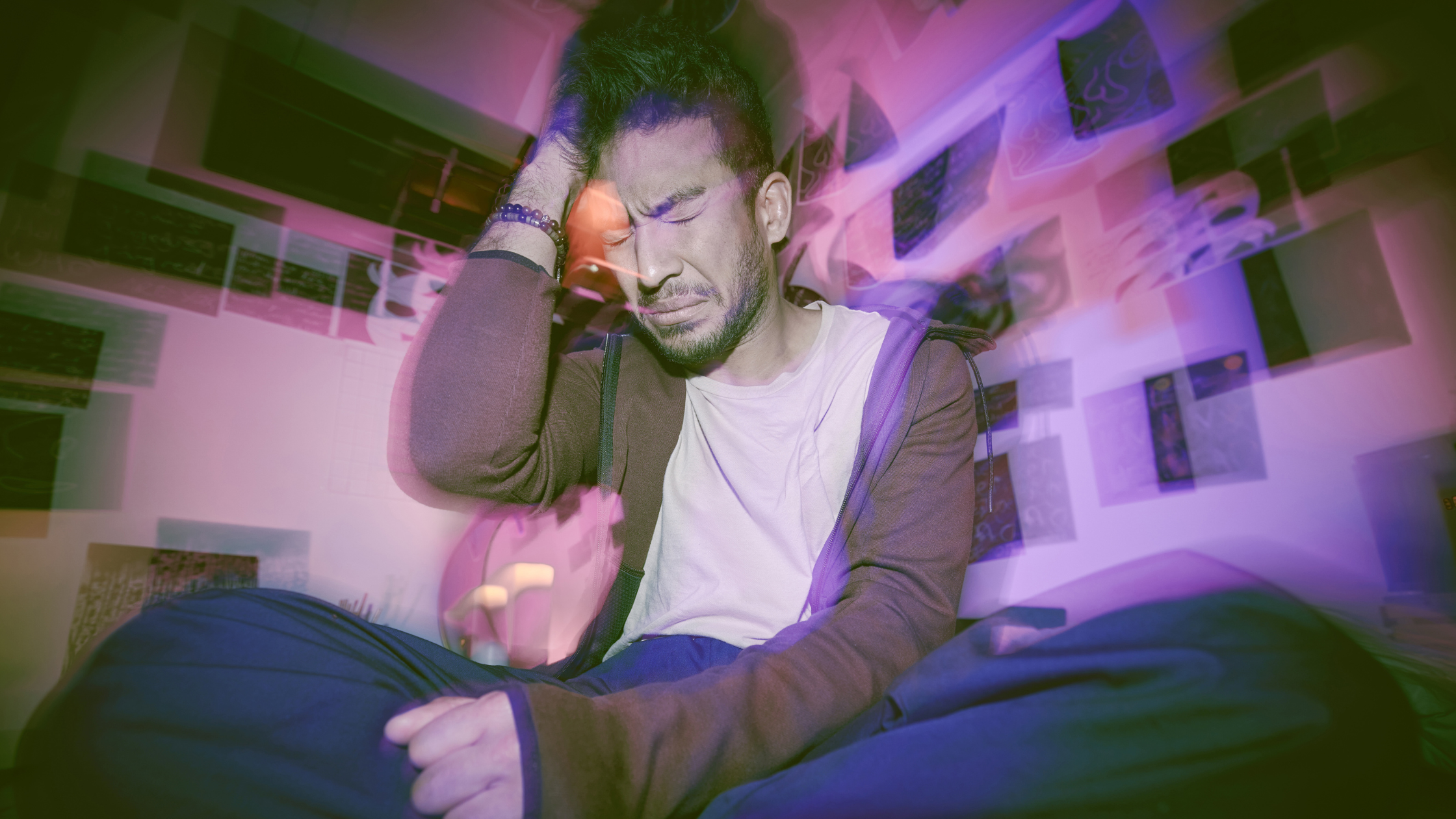
PTSD symptoms can be grouped into four main categories:
1. Intrusive Thoughts
- Recurring, distressing memories of the traumatic event.
- Nightmares or flashbacks that make the person feel like they are reliving the trauma.
- Dissociation, where individuals feel detached from reality or their surroundings.
2. Avoidance Behaviors
- Avoiding places, people, or situations that remind them of the trauma.
- Suppressing thoughts about the event or refusing to talk about it.
3. Negative Changes in Mood and Thinking
- Persistent negative beliefs about oneself, others, or the world.
- Emotional numbness or detachment from loved ones.
- Difficulty experiencing joy or positive emotions.
- Feelings of guilt, shame, or hopelessness.
4. Hyperarousal and Reactivity
- Irritability, mood swings, or sudden anger outbursts.
- Difficulty sleeping or frequent nightmares.
- Being easily startled or constantly on high alert.
Different Types of PTSD
Not all PTSD cases are the same. The condition can be categorized into different types based on symptom duration and severity:
- Acute PTSD – Symptoms last between 1 to 3 months after trauma.
- Chronic PTSD – Symptoms persist beyond 3 months.
- Complex PTSD (C-PTSD) – Develops after prolonged trauma, such as childhood abuse or domestic violence.
- Comorbid PTSD – PTSD occurs alongside other conditions like depression, anxiety, or substance abuse.
Each type of PTSD may require a unique treatment approach, including therapy, lifestyle modifications, and supplementation.
The Impact of PTSD on Mental Health
PTSD doesn’t just affect emotional well-being—it can have profound consequences on overall mental health and physical health. Some common challenges faced by individuals with PTSD include:
1. Anxiety and Panic Disorders
People with PTSD often experience chronic anxiety, panic attacks, and excessive fear, making it difficult to engage in everyday activities.
2. Depression
Many individuals with PTSD struggle with depression, feelings of hopelessness, and, in severe cases, suicidal thoughts.
3. Substance Abuse
To cope with PTSD symptoms, some people turn to alcohol, drugs, or prescription medication, leading to addiction issues.
4. Physical Health Problems
Chronic stress associated with PTSD can increase the risk of heart disease, autoimmune disorders, and digestive issues.
Treatment Options for PTSD
PTSD is treatable, and various therapeutic approaches can help manage symptoms effectively.
1. Psychotherapy (Talk Therapy)
- Cognitive Behavioral Therapy (CBT) – Helps individuals recognize and change negative thought patterns.
- Exposure Therapy – Gradual exposure to trauma-related triggers in a safe environment.
- Eye Movement Desensitization and Reprocessing (EMDR) – Uses guided eye movements to process and reduce traumatic memories.
2. Medication
- Selective Serotonin Reuptake Inhibitors (SSRIs) – Antidepressants like sertraline and paroxetine can help regulate mood.
- Prazosin – Often prescribed to reduce nightmares and improve sleep quality.
3. Holistic and Lifestyle Approaches
- Mindfulness and Meditation – Techniques that help individuals stay present and reduce stress.
- Exercise – Physical activity supports brain function, reduces anxiety, and improves mood.
- Nutritional Support – Certain supplements, such as Omega-3s and L-Theanine, help regulate brain chemistry and stress response.
Natural and Alternative PTSD Treatments
In addition to traditional therapy and medication, many natural remedies can aid PTSD recovery:
Adaptogenic Herbs
- Ashwagandha – Lowers cortisol levels, reduces stress, and promotes better sleep.
- Rhodiola Rosea – Enhances emotional resilience and mental stability.
- Holy Basil – Known for its calming effects on the nervous system.
Brain-Boosting Amino Acids
- GABA – A neurotransmitter that reduces hyperarousal and promotes relaxation.
- L-Theanine – Found in green tea, it helps with stress reduction without causing drowsiness.
Sleep and Relaxation Support
- Magnesium – Aids muscle relaxation and supports deep sleep.
- Melatonin – Regulates sleep cycles and helps reduce nightmares.
The Role of Supplements in PTSD Recovery
For many individuals, finding a natural way to manage PTSD symptoms is essential. While therapy and lifestyle adjustments are crucial, targeted supplementation can help restore emotional balance and improve overall well-being.
Why Consider Natural Supplements for PTSD?
- They support neurotransmitter balance, improving mood stability.
- They reduce stress hormones like cortisol, decreasing anxiety.
- They enhance cognitive function and promote resilience against stress.
Final Thoughts
PTSD can be overwhelming, but recovery is possible with the right combination of therapy, self-care, and natural supplementation. Whether you’re managing PTSD yourself or supporting a loved one, understanding the condition and seeking appropriate help can make a significant difference.
Start your recovery journey today! Take our mental health supplement quiz to find the right products for your needs.
Frequently Asked Questions
Can children and teenagers develop PTSD?
Yes. PTSD can occur at any age, including in children and teens. In young people, symptoms may look different—such as frequent nightmares, regression (bedwetting, clinginess), difficulty concentrating in school, or reenacting trauma in play. Early intervention is important to prevent long-term effects.
How is PTSD different from normal stress after trauma?
It’s normal to feel anxious, sad, or on edge after a traumatic experience. However, if symptoms last longer than a month, significantly disrupt daily life, or worsen over time, it may indicate PTSD rather than a short-term stress response.
Can PTSD go away without treatment?
Some individuals may see symptoms lessen over time, but PTSD often requires professional treatment to fully recover. Without therapy or support, symptoms can persist for years and may lead to complications such as depression, substance use, or chronic physical health issues.