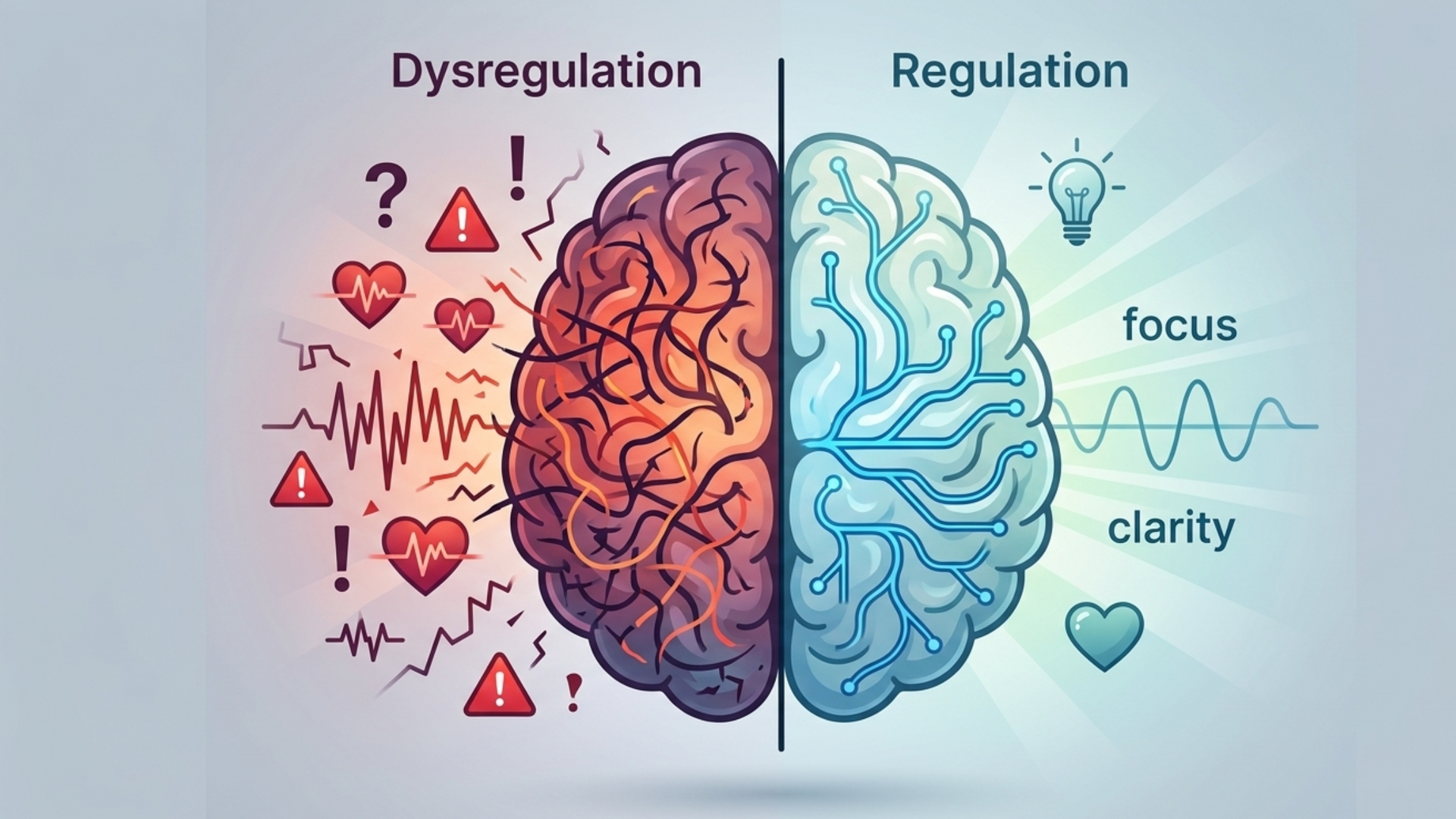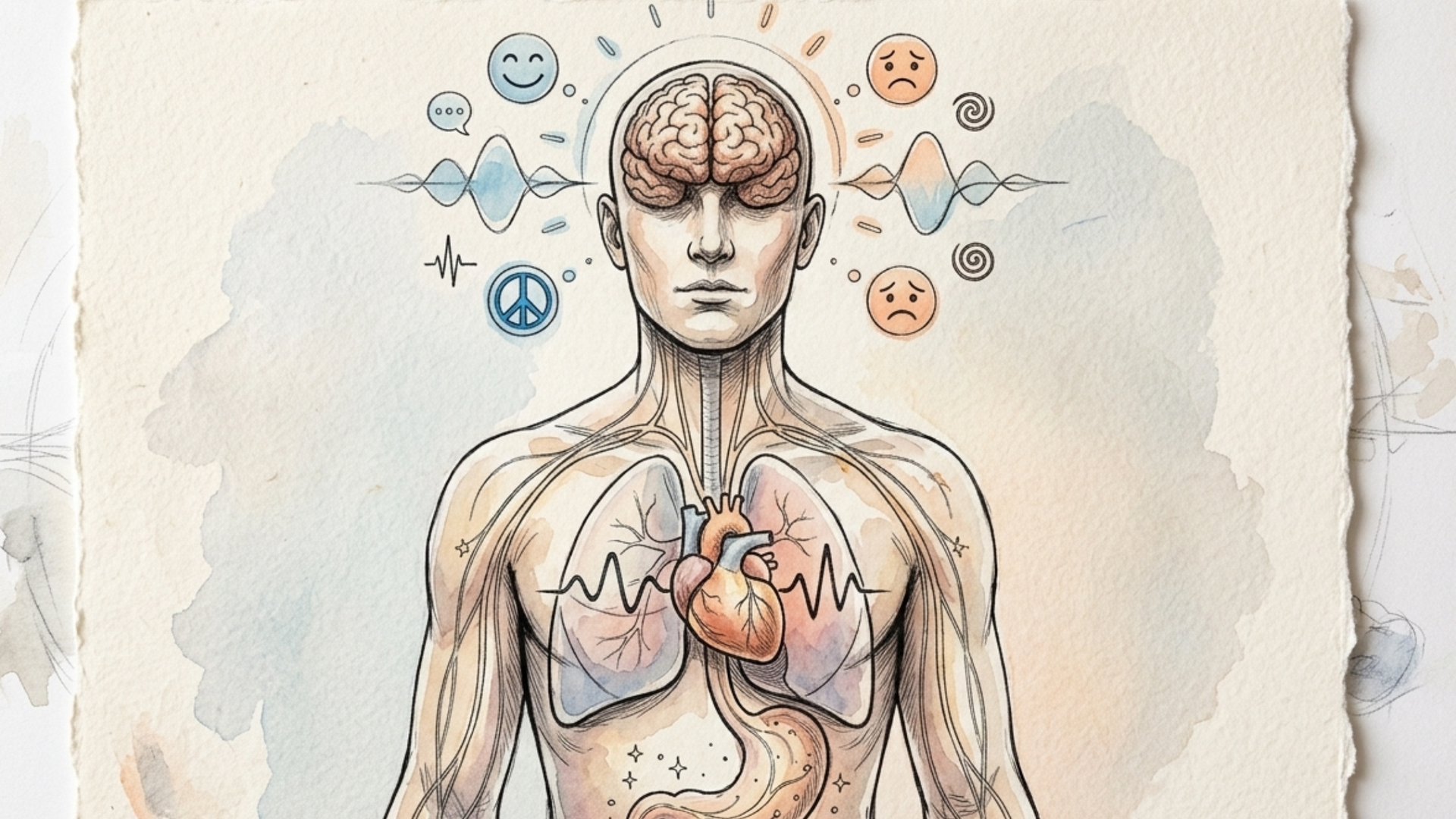

Psychophysiology is the study of how psychological processes, such as thoughts, emotions, and behaviors, interact with physical functions in the body. It explores how your mental state can influence your heart rate, breathing, hormone levels, and overall physical health.
In simple terms, psychophysiology explains how the mind and body are deeply connected. What you think and feel does not stay only in your mind it creates measurable changes throughout your body.
If you want to better understand how mental health, stress, and physical well-being are connected, you can read or explore more here at our Knowledge Hub for more mental health–related articles, and take the quiz to get personalized supplement recommendations designed to support stress balance, cognitive function, and overall mind-body wellness.
What Psychophysiology Really Means
Psychophysiology focuses on how mental experiences influence biological processes. For example, when you feel stressed or anxious, your body may respond with a faster heart rate, muscle tension, or shallow breathing.
These responses are not random. They are part of a coordinated system involving the brain, nervous system, and hormones. Psychophysiology studies these responses to better understand how emotional and cognitive states affect physical health.
This field bridges psychology and biology, showing that mental and physical health are not separate, they are interconnected systems that influence each other continuously.
How the Mind Affects the Body
Your brain constantly communicates with your body through the nervous system and endocrine system. When you experience an emotion or thought, signals are sent throughout your body almost instantly.
For example, when you feel fear or stress, the body activates the “fight-or-flight” response. This increases heart rate, releases stress hormones like cortisol, and prepares the body to respond to a perceived threat.
On the other hand, when you feel calm or relaxed, the body shifts into a state of recovery. Heart rate slows, muscles relax, and the body focuses on healing and restoration.
These changes show how closely your mental state is tied to physical function.
The Role of the Nervous System
The nervous system plays a central role in psychophysiology. It is responsible for transmitting signals between the brain and the body.
There are two key branches involved:
- The sympathetic nervous system, which activates the body during stress or action
- The parasympathetic nervous system, which helps the body relax and recover
A healthy balance between these systems allows you to respond to challenges and then return to a calm state. When this balance is disrupted, it can lead to stress, fatigue, or dysregulation.
The Role of Hormones and Brain Chemistry
Hormones and neurotransmitters also play a major role in psychophysiology. These chemical messengers regulate mood, energy, and bodily functions.
For example, cortisol is released during stress, while serotonin and dopamine are associated with mood and motivation. Imbalances in these chemicals can affect both mental and physical health.
This is why long-term stress can lead to physical symptoms such as headaches, fatigue, or weakened immunity.
Examples of Psychophysiology in Daily Life
Psychophysiology is not just a scientific concept, it is something you experience every day. When you feel nervous before a presentation and your hands start to sweat, that is a psychophysiological response.
When you feel relaxed after deep breathing or meditation, your body responds by slowing your heart rate and reducing tension. Even something as simple as thinking about a stressful situation can trigger physical reactions in your body.
These examples show how closely linked your thoughts and physical responses are.
How Psychophysiology Affects Health
The connection between mind and body means that mental health can significantly influence physical health. Chronic stress, for example, can contribute to sleep problems, digestive issues, and weakened immune function.
At the same time, improving mental well-being can have positive effects on the body. Practices that reduce stress and promote relaxation can improve heart health, energy levels, and overall resilience.
Understanding psychophysiology helps explain why taking care of your mental health is essential for your physical health as well.
How to Support Mind-Body Balance
Supporting psychophysiological health involves caring for both the mind and the body together.
Practices such as mindfulness, deep breathing, and relaxation techniques can help regulate the nervous system. These methods signal the body to move out of stress mode and into a more balanced state.
Regular physical activity supports both mental and physical health by improving circulation, reducing stress hormones, and enhancing mood. Proper sleep is also essential, as it allows the brain and body to recover and reset.
Nutrition plays a role as well. A balanced diet supports brain function, hormone balance, and overall energy levels.
Why Psychophysiology Matters
Understanding psychophysiology can change how you approach your health. Instead of viewing mental and physical health as separate, you begin to see them as interconnected systems that influence each other.
This perspective allows you to take a more holistic approach to well-being. By managing stress, improving lifestyle habits, and supporting your mental health, you also improve your physical health.
Final Thoughts
Psychophysiology highlights the powerful connection between your mind and body. Your thoughts and emotions are not just experiences, they actively shape how your body functions.
By understanding this connection and taking steps to support both mental and physical health, you can improve your overall well-being, increase resilience, and maintain better balance in your daily life.
If you want to take a more personalized approach to supporting your mind-body health, take the quiz to get personalized supplement recommendations designed to support stress regulation, enhance cognitive function, and promote overall wellness.
Frequently Asked Questions
What is psychophysiology in simple terms?
Psychophysiology is the study of how your thoughts and emotions affect your body’s physical responses, such as heart rate, breathing, and hormone levels.
How does stress affect the body physically?
Stress can increase heart rate, raise blood pressure, release stress hormones, and cause muscle tension, all of which are physical responses triggered by the mind.
Can improving mental health improve physical health?
Yes, better mental health can lead to improved sleep, stronger immunity, better energy levels, and overall physical well-being.
Why is the mind-body connection important?
The mind-body connection is important because it shows that mental and physical health are closely linked, meaning improving one can positively affect the other.