
A receptor is a specialized structure in the body that detects signals from the environment or from within the body and converts them into information that the nervous system can understand. Receptors play a crucial role in communication between cells and in how the body responds to stimuli such as light, sound, temperature, chemicals, and hormones.
In biology and psychology, receptors help explain how the brain and nervous system receive information and respond to it. These structures allow organisms to sense changes in their surroundings and maintain internal balance. Many discoveries about receptors and cell communication were advanced by scientists such as Paul Ehrlich, who proposed that cells contain specific sites that bind with particular chemical substances.
Understanding receptors helps scientists and psychologists explain how sensations occur, how the brain processes signals, and how medications influence the body.
If you want to explore more psychology and mental health topics, you can read or explore more here in the Knowledge Hub for additional articles about emotional well-being and human behavior. You can also take the quiz to get personalized supplement recommendations designed to support focus, emotional balance, stress resilience, and overall cognitive wellness.
What Receptors Do
Receptors function as biological detectors. Their main role is to recognize specific signals and trigger a response inside the body. These signals may come from outside the body, such as light or sound, or from inside the body, such as chemical messengers called hormones or neurotransmitters.
When a receptor detects a stimulus, it converts that stimulus into an electrical or chemical signal. This signal is then transmitted through the nervous system to the brain or other parts of the body, where it can produce a response.
For example, when light enters the eyes, specialized receptors in the retina convert the light into nerve signals that travel to the brain. The brain then interprets these signals as visual images.
Types of Receptors
There are several types of receptors in the body, each specialized to detect different forms of stimuli.
Sensory Receptors
Sensory receptors detect stimuli from the external environment. These receptors allow humans to experience the five basic senses: sight, hearing, taste, smell, and touch.
Examples include photoreceptors in the eyes that detect light, mechanoreceptors in the ears that detect sound vibrations, and chemoreceptors in the nose and tongue that detect chemicals responsible for smell and taste.
These receptors send information to the brain, allowing individuals to perceive and interpret their surroundings.
Chemical Receptors
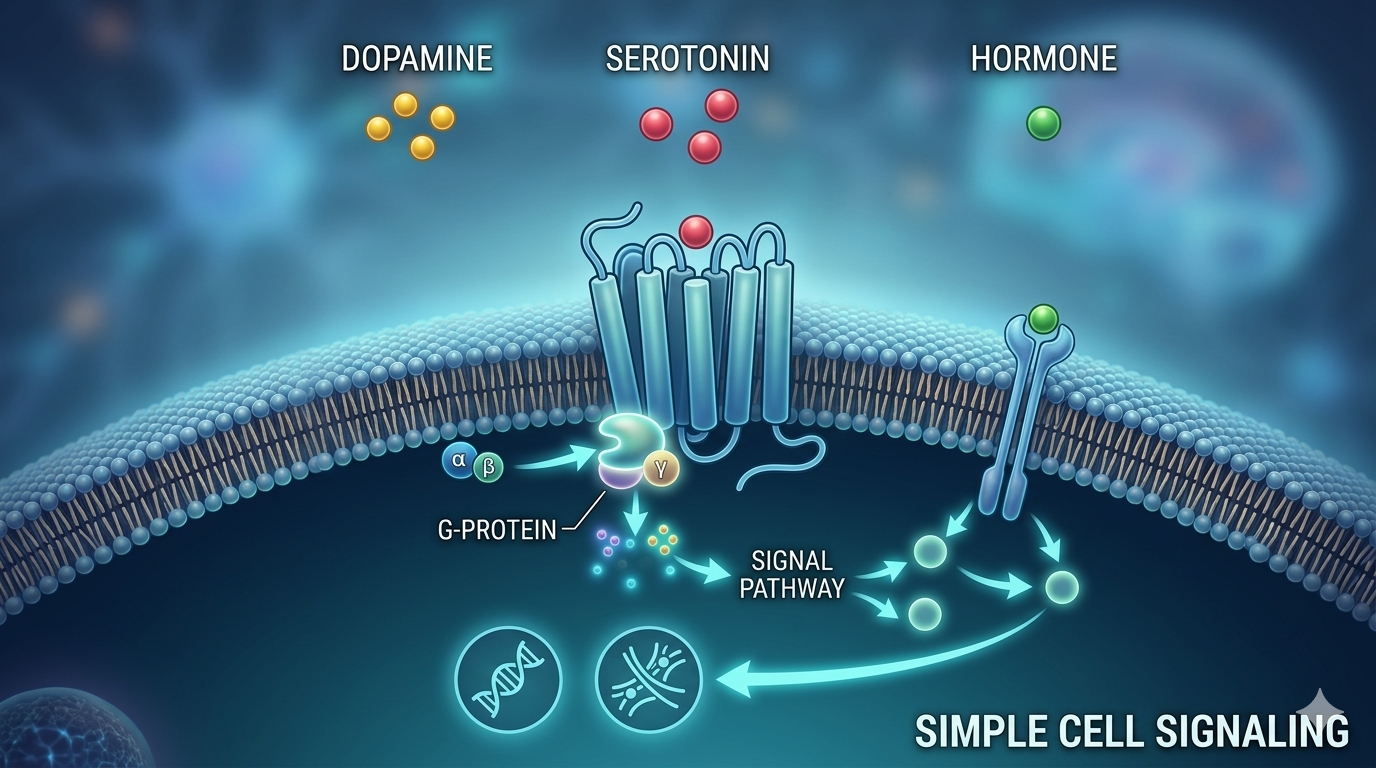
Chemical receptors respond to specific molecules such as hormones, neurotransmitters, or medications. These receptors are usually found on the surface of cells or within cells.
For example, when a neurotransmitter is released in the brain, it binds to specific receptors on neighboring neurons. This interaction allows nerve cells to communicate and pass information through neural pathways.
Chemical receptors are essential for many biological processes, including mood regulation, muscle movement, and hormonal balance.
Internal Receptors
Some receptors detect changes inside the body rather than in the external environment. These internal receptors help regulate processes such as body temperature, blood pressure, and oxygen levels.
For instance, thermoreceptors monitor changes in body temperature, while baroreceptors detect changes in blood pressure.
These receptors play an important role in maintaining homeostasis, the body’s ability to keep internal conditions stable.
Receptors and the Nervous System
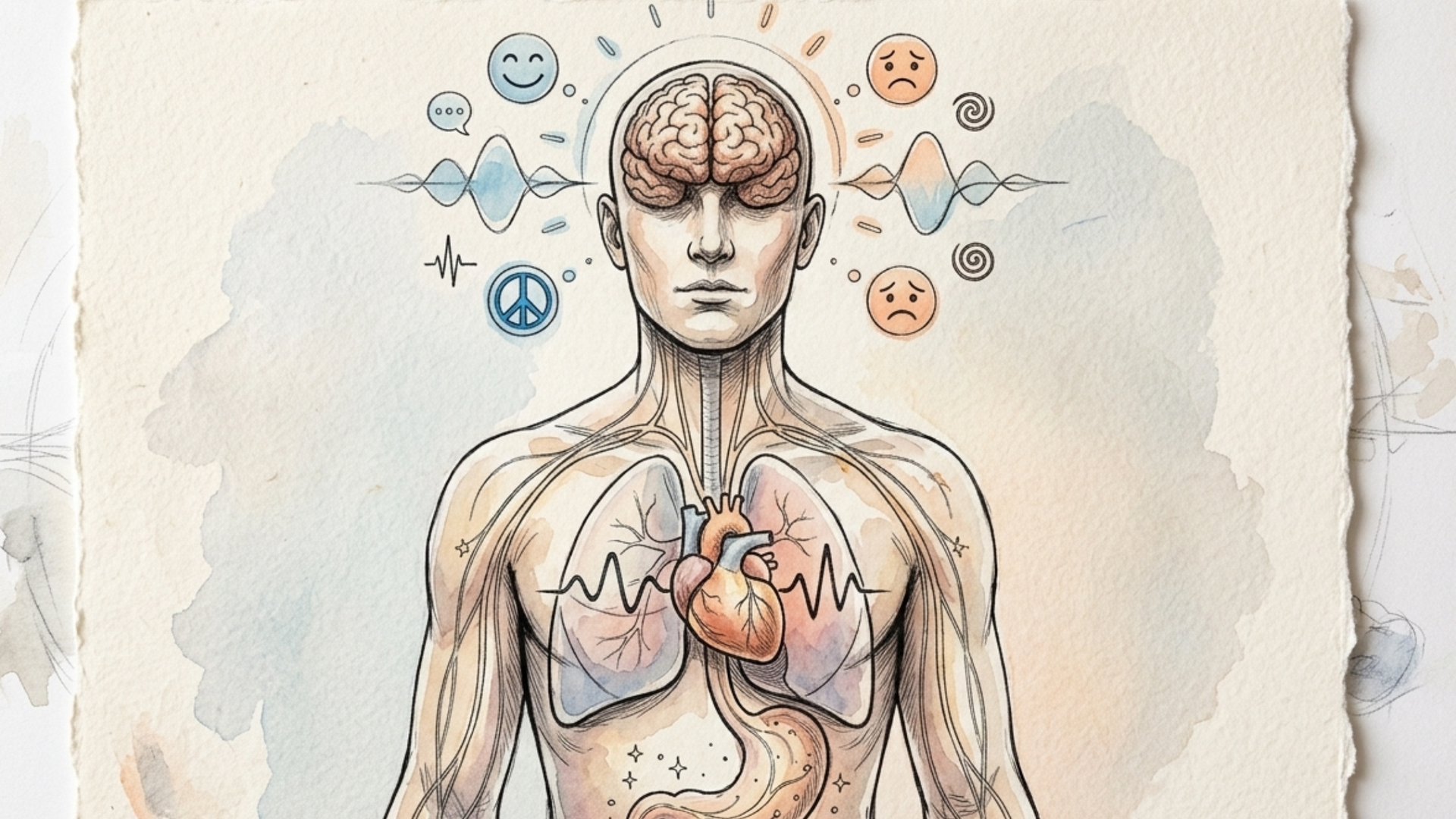
Receptors are closely connected to the nervous system because they provide the information that the brain uses to interpret the world. Without receptors, the nervous system would have no way of detecting changes in the environment.
When receptors detect a stimulus, they activate sensory neurons that carry signals through the nervous system to the brain. The brain then processes this information and produces an appropriate response.
For example, if a person touches a hot object, receptors in the skin quickly detect the heat and send signals to the brain. The brain processes this information and triggers a rapid withdrawal reflex to prevent injury.
Receptors and Brain Chemistry
In neuroscience, receptors are essential for understanding how the brain functions. Brain cells communicate with one another through chemical messengers called neurotransmitters.
These neurotransmitters attach to specific receptors on neighboring neurons. Once a neurotransmitter binds to a receptor, it may activate or inhibit the receiving neuron, influencing brain activity and behavior.
Different receptors respond to different neurotransmitters, which helps regulate processes such as mood, attention, memory, and motivation.
Receptors and Medications
Many medications work by interacting with receptors in the body. Some drugs activate receptors to produce a desired effect, while others block receptors to prevent certain signals from occurring.
For example, certain medications may target receptors involved in pain perception, while others influence receptors related to mood or anxiety.
Understanding how drugs interact with receptors allows scientists and medical professionals to develop treatments for a wide range of physical and psychological conditions.
Importance of Receptors in Everyday Life
Receptors are essential for nearly every aspect of human functioning. They allow individuals to sense their environment, maintain internal balance, and communicate information between cells.
Without receptors, people would not be able to see, hear, taste, smell, feel temperature, or respond to changes in the body. These structures therefore form a critical link between the body and the brain.
Final Thoughts
Receptors are specialized biological structures that detect stimuli and convert them into signals that the nervous system can process. They play a fundamental role in sensation, communication between cells, and the regulation of bodily functions.
By allowing the body to respond to both external and internal signals, receptors help maintain balance and support essential processes such as perception, movement, and emotional regulation. Understanding receptors provides valuable insight into how the brain and body interact to support human experience and behavior.
Frequently Asked Questions
What is a receptor in simple terms?
A receptor is a specialized biological structure that detects signals from the environment or from inside the body. These signals may include light, sound, pressure, temperature, or chemical substances. Once a receptor detects a stimulus, it converts that information into signals that the nervous system can send to the brain. This process allows the body to sense changes and respond appropriately.
Where are receptors found in the body?
Receptors are located throughout many parts of the body. They are especially concentrated in sensory organs such as the eyes, ears, nose, tongue, and skin, where they help detect light, sound, smell, taste, and touch. Receptors are also found in muscles, joints, blood vessels, and internal organs. In addition, many cells in the body contain chemical receptors on their surfaces that allow them to respond to hormones, neurotransmitters, and other signaling molecules.
How do receptors work with the brain?
Receptors act as the first step in the communication pathway between the body and the brain. When a receptor detects a stimulus, such as heat from a hot object or light entering the eyes, it converts that stimulus into an electrical signal. This signal travels through sensory nerves to the brain. The brain then processes the information and interprets it, allowing a person to recognize sensations and produce appropriate responses, such as pulling away from heat or identifying visual objects.