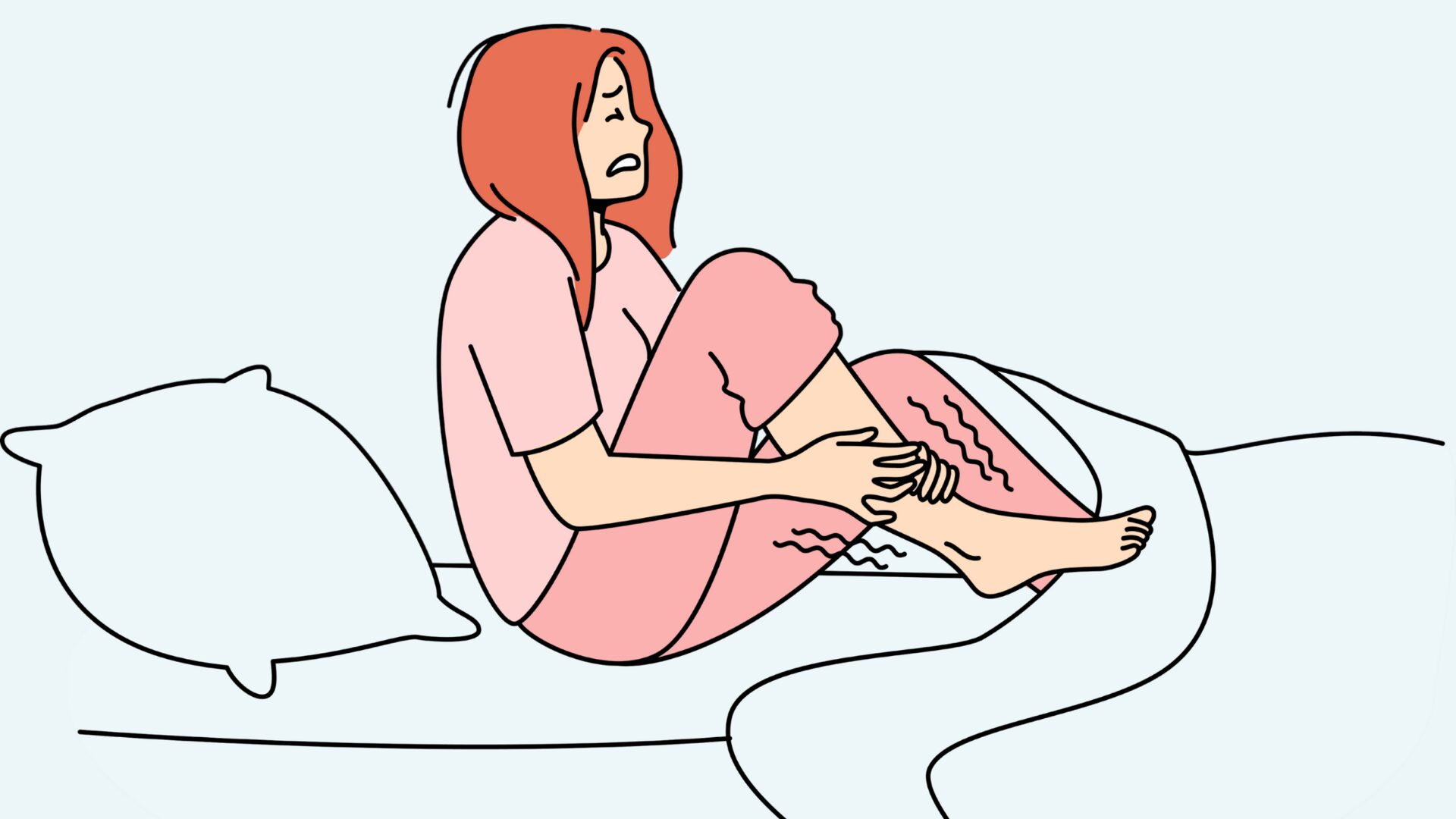

Restless Leg Syndrome: The New Cure You Should Know
Restless Leg Syndrome (RLS)—also known as Willis-Ekbom Disease—is more than just a nuisance. A neurological condition that disrupts sleep, causes persistent discomfort in the legs, and affects millions worldwide. Those who suffer from it know the struggle: the strange, creeping sensations in the legs, the uncontrollable urge to move, and the sleepless nights that follow.
The good news is that innovative therapies are beginning to make a meaningful difference. While traditional treatments have helped some, they often fall short in the long run. Now, exciting new breakthroughs are giving patients renewed hope. Welcome to Restless Leg Syndrome: The New Cure—a comprehensive look at the latest science-backed solutions that could change how we treat this condition for good.
What is Restless Leg Syndrome?
Restless Leg Syndrome (RLS) is a condition that causes a strong urge to move your legs, especially when you’re resting or trying to sleep. Frequently accompanied by abnormal sensations in the legs, such as itching, tingling, crawling, pulling, or a burning feeling—often described as deep and difficult to relieve. These feelings usually happen deep inside the legs and are hard to ignore.
The symptoms are worse in the evening or at night, which makes it difficult to fall asleep or stay asleep. Moving your legs—by walking or stretching—can help for a short time, but the discomfort usually comes back when you stop moving.
Restless Leg Syndrome impacts more than just the legs—it can significantly affect overall health, sleep quality, and daily functioning. Over time, it can lead to poor sleep, daytime tiredness, trouble focusing, and stress. That’s why getting the right treatment is important for both your sleep and your overall well-being.
Common Symptoms of Restless Legs Syndrome
Recognizing the symptoms of Restless Legs Syndrome (RLS) is an important step toward managing it effectively. While the severity can range from mild discomfort to disruptive sleep loss, the condition typically follows a recognizable pattern.
Common RLS Symptoms Include:
- An overwhelming urge to move the legs
This is the hallmark symptom of RLS. The urge is often accompanied by uncomfortable sensations that make it difficult to remain still. - Worsening discomfort during rest or inactivity
Symptoms tend to appear or intensify when you’re sitting or lying down, particularly during the evening or at night. - Temporary relief through movement
Stretching, walking, or simply moving the legs can bring short-term relief from discomfort—though the sensations often return once activity stops. - Difficulty falling or staying asleep
Since symptoms tend to peak at night, many people with RLS struggle with insomnia or frequent nighttime awakenings. - Fatigue and daytime sleepiness
The disruption to sleep can lead to exhaustion, difficulty concentrating, and reduced quality of life during the day.
According to the American Academy of Sleep Medicine, up to 10% of the population may experience RLS at some point. For some, it’s an occasional inconvenience; for others, it can significantly interfere with sleep and daily activities.
Tip: If you notice any of these symptoms, especially if they interfere with sleep or worsen over time, it’s a good idea to speak with a healthcare provider. Early diagnosis can open the door to more effective treatment and symptom relief.
What Causes and Triggers Restless Legs Syndrome?
While researchers haven’t pinpointed a single cause of Restless Legs Syndrome (RLS), studies suggest it’s linked to a combination of biological, neurological, and lifestyle-related factors. Understanding both the underlying causes and everyday triggers is essential for effectively managing symptoms and improving quality of life.
Underlying Causes of RLS:
- Iron Deficiency (Especially in the Brain)
Even if your overall iron levels seem normal, low brain iron can disrupt dopamine function—a key factor in RLS. - Dopamine Imbalance
Dopamine is a brain chemical involved in controlling movement. When dopamine pathways aren’t functioning properly, it can lead to the uncomfortable sensations typical of RLS. - Genetics
RLS often runs in families, and having a close relative with the condition increases your risk significantly. - Chronic Health Conditions
Diabetes, kidney disease, and peripheral neuropathy are all strongly associated with secondary RLS. Treating these underlying conditions can help alleviate symptoms. - Pregnancy (Especially in the Third Trimester)
Hormonal shifts and nutritional demands during pregnancy can bring on temporary RLS symptoms, which usually improve after childbirth. - Medications
Some drugs—such as antihistamines, certain antidepressants, and antipsychotics—can trigger or worsen symptoms by affecting nerve signaling.
Common Triggers That Worsen RLS Symptoms:
Even if you have a biological predisposition, certain habits and lifestyle factors can make symptoms worse—especially in the evening or at rest.
- Inactivity
Long periods of sitting or lying still (like during travel or screen time) can intensify symptoms. Regular movement helps ease discomfort. - Caffeine, Alcohol, and Nicotine
These substances may overstimulate the nervous system and make it harder to relax or fall asleep. - Stress and Anxiety
Emotional stress can heighten nerve sensitivity and make symptoms feel more intense or harder to manage. - Poor Sleep Habits
Irregular sleep schedules, too much screen time before bed, or a disrupted sleep environment can lead to more frequent RLS flare-up
Traditional Treatments: Are They Enough?
For years, doctors have prescribed dopamine agonists like pramipexole and ropinirole to mimic the effects of dopamine in the brain. These can offer temporary relief, but often come with serious side effects:
- Nausea and dizziness
- Daytime sleepiness
- Augmentation—a worsening of symptoms over time
- Impulse control disorders, including compulsive gambling or binge eating
Other medications like gabapentin and pregabalin have shown promise, especially in reducing nighttime symptoms and helping those with anxiety. However, they also come with side effects and don’t address the root causes of RLS.
Limitations of Traditional Treatments
- Often provide short-term relief
- Do not address root causes such as iron deficiency
- Long-term use may require increasing doses or changes in medication
- Risk of dependency with medications like dose opioids for severe RLS cases
Restless Leg Syndrome: The New Cure
Let’s explore the cutting-edge breakthroughs that are reshaping how we treat RLS—treatments that offer lasting results without harsh side effects.
1. Advanced Iron Supplementation
Recent research shows that many people with RLS have normal blood iron levels but low brain iron levels. In these cases, oral iron supplements are often not enough—especially for those with absorption problems.
The Breakthrough:
Intravenous iron therapy (e.g., ferric carboxymaltose or iron sucrose) bypasses the digestive system and delivers iron directly to the bloodstream, improving symptoms significantly.
Recommended for ferritin levels below 75 ng/mL
Ideal for chronic or treatment-resistant RLS
Fewer side effects than high-dose oral iron
2. Smarter Dopamine Modulation
Traditional treatments using dopamine agonists (like pramipexole and ropinirole) can lead to augmentation, where symptoms worsen over time. New strategies aim to avoid this.
Innovative Approaches:
- Rotigotine transdermal patch provides continuous, 24-hour dopamine delivery with fewer peaks and crashes.
- Lower, sustained doses combined with other therapies reduce side effects and risk of augmentation.
- Updated clinical practice guidelines now recommend personalized dosing plans.
3. Breakthrough Devices & Non-Drug Therapies
For patients seeking drug-free solutions or who haven’t responded to medications, several FDA-approved devices and therapies offer promising results:
- Relaxis Pad: A vibrating pad placed under the legs to distract the brain from uncomfortable sensations.
- TENS Units: Transcutaneous electrical nerve stimulation helps reduce sensory discomfort.
- Pneumatic Compression Devices: Improve blood circulation and reduce RLS symptoms during sleep.
- High-Frequency Peroneal Nerve Stimulation: This emerging technique uses wearable devices that send electrical signals to the legs before bed, now conditionally recommended by the American Academy of Sleep Medicine.
4. NTX100 TOMAC System (FDA Approved in 2023)
One of the most exciting developments in RLS treatment is the NTX100 Tonic Motor Activation (TOMAC) System, approved by the FDA in 2023. Developed by Noctrix Health, it is designed for moderate to severe RLS and helps improve sleep for those who haven’t responded to standard medications.
Provides relief during sleep
Especially beneficial for refractory RLS
Non-drug, wearable device
5. Stellate Ganglion Block (Emerging Option)
This involves an anesthetic injection near a group of nerves in the neck (the stellate ganglion), which can help reduce RLS symptoms and improve sleep. Currently under research, this approach is showing promise in clinical case reports, particularly for severe or complex cases.
Home Therapies for Restless Legs Syndrome
Looking for natural ways to calm your legs and get better sleep? Whether you’re avoiding medications or want to support your current treatment, these simple at-home strategies can make a real difference:
Warm Baths & Leg Massages
Taking a warm bath before bed helps relax your muscles and calm your nervous system. Add a gentle leg massage afterward to release tension and promote circulation.
Gentle Stretching & Light Exercise
Regular low-impact movement—like walking, yoga, or stretching—can prevent symptoms caused by long periods of stillness. Engaging in just 15 to 30 minutes of physical activity per day can provide noticeable relief from symptoms.
Hot & Cold Therapy
Switching between warm and cold packs on your legs can reduce nerve irritation and soothe sensations like tingling or crawling.
Stick to Healthy Sleep Habits
Good sleep hygiene is essential. Try to go to bed and wake up at the same time every day, avoid screens before bed, and create a calming bedtime routine (like reading or listening to soft music).
Practice Relaxation Techniques
Stress can heighten RLS symptoms, so managing it is key. Deep breathing, meditation, progressive muscle relaxation, or even journaling before bed can help ease the mind.
Try Magnesium or Epsom Salt Soaks
Magnesium supports healthy muscle and nerve function. You can apply topical magnesium oil or soak in a warm Epsom salt bath for natural relief.
Weighted Blankets for Comfort
Weighted blankets apply gentle pressure that can calm the nervous system and reduce nighttime restlessness. Many people find they help improve both comfort and sleep quality.
Final Thoughts: Is There a Cure?
Restless Legs Syndrome may not have a universal “cure” just yet, but that doesn’t mean lasting relief isn’t possible. Today’s treatments go far beyond masking symptoms—they’re smarter, more personalized, and rooted in a deeper understanding of the condition itself.
With innovative therapies like intravenous iron, non-dopaminergic approaches, FDA-approved devices, and supportive at-home routines, individuals living with RLS have more tools than ever to reclaim their rest—and their lives.
The future of RLS treatment is no longer just about managing discomfort—it’s about targeting the root causes, exploring breakthrough technologies, and embracing a more holistic approach to care. For many, that means better sleep, improved focus, and a real path forward.
Whether you’re newly diagnosed or have been navigating RLS for years, know this: help is not only available—it’s evolving.
Looking for Personalized Support?
Not sure where to start? Take our quick quiz to get a personalized recommendation based on your symptoms and lifestyle.
Let’s take the next step toward better sleep—together.
Frequently Asked Questions
Can Restless Leg Syndrome go away on its own?
For some people, RLS symptoms may improve if caused by temporary factors like pregnancy or certain medications. However, in most cases, it is a chronic condition that requires ongoing management through lifestyle changes, medical treatment, or new therapies.
What’s the difference between mild RLS and severe RLS?
Mild RLS may cause occasional discomfort at night and be managed with home remedies, while severe RLS occurs frequently, disrupts sleep almost every night, and may require medical treatments such as iron therapy, prescription medication, or specialized devices.
Is Restless Leg Syndrome linked to other health problems?
Yes. RLS is often associated with iron deficiency, diabetes, kidney disease, and certain neurological conditions. Managing these underlying health issues can reduce the severity of symptoms and improve overall quality of life.