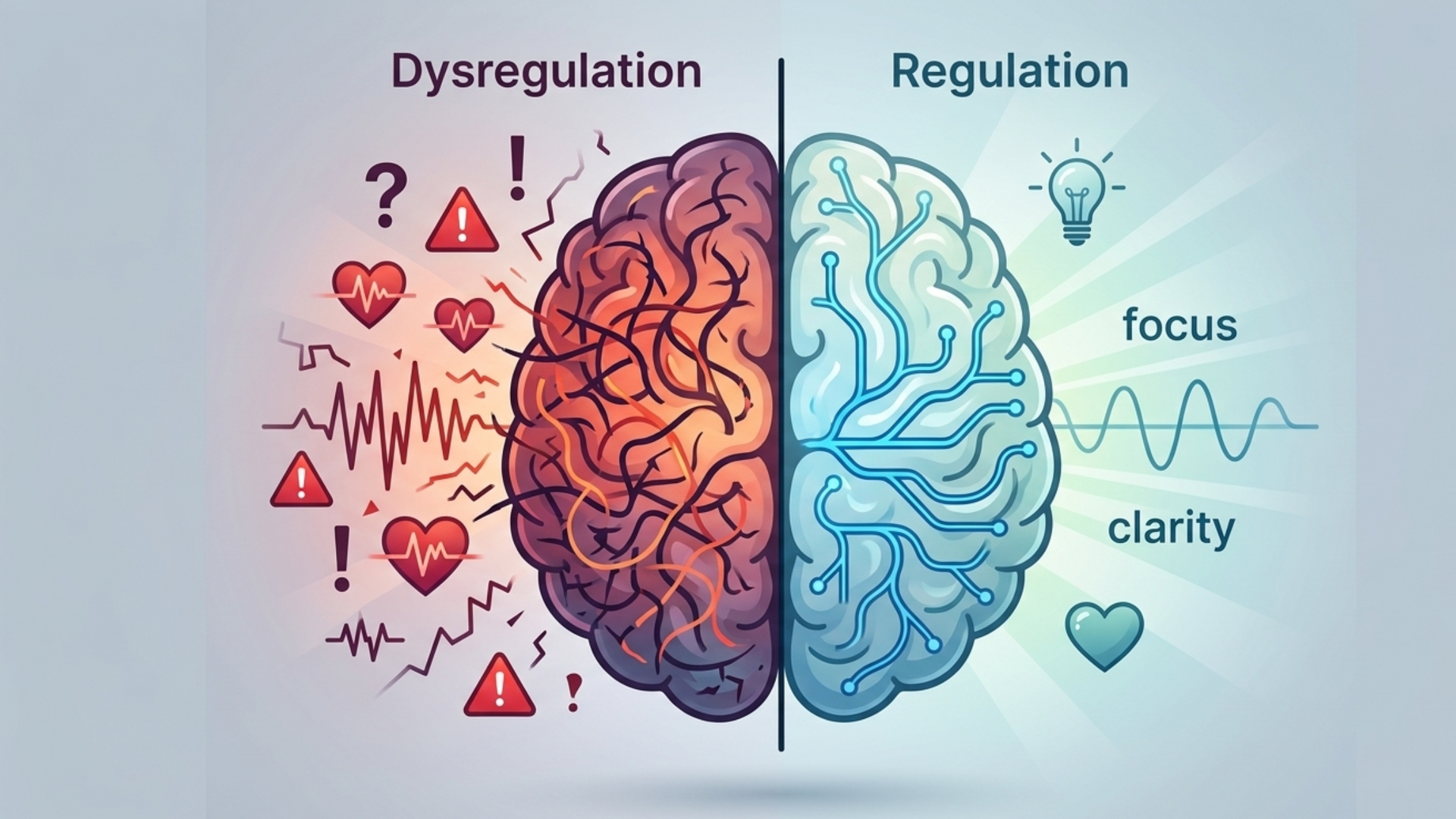

Rumination in OCD refers to repetitive, prolonged mental reviewing, overthinking, or analyzing that is driven by obsessions and anxiety. In the context of obsessive-compulsive disorder (OCD), rumination is not simply “thinking a lot” about a problem. It is a mental process in which a person feels compelled to keep going over the same fear, doubt, question, memory, or possibility again and again in an attempt to feel certain, safe, or relieved.
People with OCD often experience intrusive thoughts, images, or urges that feel disturbing, confusing, or threatening. Rumination can become a mental compulsion, meaning it is something the person does internally to try to reduce distress or find certainty. Although it may feel like problem-solving, rumination usually keeps the OCD cycle going because it teaches the brain that the intrusive thought is important and must be solved.
Understanding rumination in OCD is important because it can be difficult to recognize. Since it happens inside the mind, many people do not realize it is part of the disorder. They may believe they are being responsible, careful, or thoughtful, when in fact they are trapped in a repetitive mental loop.
If you want to explore more mental health topics, you can read more here in the Knowledge Hub for additional psychology and wellness articles. You can also take the quiz to get personalized supplement recommendations designed to support stress balance, focus, emotional well-being, and overall cognitive wellness.
What Rumination Means in OCD
In everyday language, rumination often refers to dwelling on thoughts. In OCD, however, rumination has a more specific meaning. It involves mentally replaying, questioning, analyzing, or trying to “figure out” intrusive thoughts in a way that becomes repetitive and unproductive.
For example, a person may repeatedly ask themselves questions such as:
“Why did I think that?”
“What if this thought means something about me?”
“What if I made the wrong decision?”
“What if I am secretly a bad person?”
“What if I never become fully certain?”
Instead of leading to clarity, this process usually creates more doubt. The person may briefly feel relief after reaching a conclusion, but the uncertainty soon returns, causing the mental cycle to begin again.
How Rumination Fits Into the OCD Cycle
OCD is often described as a cycle involving obsessions, anxiety, and compulsions.
An obsession is an unwanted intrusive thought, image, sensation, or urge that causes distress. The person then feels anxiety, guilt, disgust, or fear. To reduce that discomfort, they may perform a compulsion. Some compulsions are visible, such as checking or washing. Others are mental, such as counting, reviewing memories, repeating phrases silently, or ruminating.
Rumination becomes part of the cycle when the person keeps mentally engaging with the obsession in an effort to feel certain or safe. For instance, they may try to prove that their fear is false, examine every possible meaning of a thought, or mentally replay an event to make sure nothing bad happened.
This mental effort may seem protective, but it usually strengthens OCD over time. The brain learns that uncertainty is dangerous and that the only way to cope is through more mental checking and analysis.
Why Rumination Feels Hard to Stop
Rumination in OCD often feels hard to stop because it can look like normal thinking. Many compulsions are easy to notice because they involve visible behaviors. Rumination is different because it happens internally.
It may feel useful for several reasons. First, it often creates the impression that the person is being responsible. They may believe that if they think long enough, they will finally solve the problem. Second, rumination can offer temporary emotional relief. Third, OCD often creates a strong sense of urgency, making the thought feel too important to ignore.
Because of this, a person may not realize that the problem is not the presence of the thought alone, but the repeated mental engagement with it.
Common Themes of Rumination in OCD
Rumination can happen with many OCD themes. The content may differ, but the mental process is similar.
A person with harm-related OCD may repeatedly review whether they could hurt someone or whether a violent thought means they are dangerous.
A person with relationship OCD may mentally analyze their feelings toward a partner for hours, trying to determine whether the relationship is truly right.
Someone with moral or scrupulosity OCD may keep reviewing whether they lied, offended someone, sinned, or failed to act perfectly.
A person with contamination OCD may mentally replay whether something touched a dirty surface or whether they cleaned correctly enough.
Someone with sexual orientation OCD, health OCD, or existential OCD may also ruminate by repeatedly asking what a thought, feeling, or sensation means.
In all of these examples, the main issue is not healthy reflection. It is the repetitive mental compulsion aimed at achieving complete certainty.
Rumination vs. Healthy Reflection
It is helpful to distinguish rumination from normal reflection.
Healthy reflection is usually limited, practical, and flexible. It helps a person learn, make decisions, or solve a real problem. It tends to move toward action or acceptance.
Rumination, on the other hand, is repetitive, circular, and emotionally driven. It often does not produce a real solution. Instead, it keeps returning to the same question with increasing doubt.
A person might reflect once on whether they handled a conversation well. That is normal. But if they spend hours replaying every sentence, trying to determine whether they were offensive, immoral, or secretly harmful, that pattern may be closer to OCD-related rumination.
Emotional Effects of Rumination
Rumination in OCD can be exhausting. Because the person is constantly mentally engaged, it may affect concentration, sleep, energy, and daily functioning. It can also increase anxiety, shame, guilt, and frustration.
Over time, rumination may make a person feel trapped inside their own mind. They may become less present in conversations, schoolwork, relationships, or hobbies because so much mental energy is being used by the obsessional loop.
This can also create hopelessness. The person may think, “Why can’t I just stop thinking about this?” In reality, the difficulty is not a lack of effort. It is that OCD often turns effort itself into part of the problem.
Why Certainty Does Not Last
One reason rumination continues is that OCD demands a level of certainty that human beings usually cannot achieve. Most people can live with some uncertainty in daily life. OCD, however, often insists on complete reassurance.
A person may tell themselves, “I am probably okay,” but OCD responds with, “Probably is not enough.”
This is why rumination rarely works for long. Even if the person reaches a reassuring conclusion, OCD quickly creates another doubt, exception, or “what if.” Instead of solving the fear, rumination teaches the mind to keep returning to it.
Treatment Approaches
Rumination in OCD is often addressed through evidence-based treatment, especially cognitive behavioral therapy (CBT) with exposure and response prevention (ERP). ERP helps people face intrusive thoughts and uncertainty without performing compulsions, including mental compulsions like rumination.
In treatment, a person may learn to notice when they are entering a rumination loop and practice not engaging with it. Rather than trying to answer every intrusive question, they learn to allow uncertainty to exist without solving it.
This can feel uncomfortable at first, but over time it helps reduce the power of the obsession. The goal is not to force thoughts away. The goal is to stop feeding the cycle.
Some people with OCD may also benefit from professional evaluation, psychoeducation, and in some cases medication prescribed by a qualified clinician.
Important Note About the Term
“Rumination OCD” is a phrase people sometimes use informally, but it is not usually a separate formal diagnosis. More often, it refers to OCD in which rumination is a major mental compulsion. This is important because the experience is real and significant, even if the phrase is not an official diagnostic category by itself.
Final Thoughts
Rumination in OCD is a repetitive mental process in which a person keeps analyzing, reviewing, or questioning intrusive thoughts in an effort to reduce anxiety or gain certainty. Although it can feel like careful thinking, it usually functions as a mental compulsion that keeps the OCD cycle active.
Recognizing rumination is an important step in understanding OCD more clearly. When people learn that constant mental checking is part of the disorder, they may begin to shift away from endless analysis and toward healthier ways of responding to uncertainty.
If you want to better understand how stress, mental overload, and cognitive health affect emotional well-being, consider taking the quiz to get personalized supplement recommendations designed to support focus, balance, and long-term mental wellness.
Frequently Asked Questions
Is rumination the same as overthinking?
Rumination and overthinking are related but not exactly the same. Overthinking generally refers to spending too much time thinking about problems or decisions. Rumination in OCD, however, is more repetitive and driven by anxiety or intrusive thoughts. It often involves repeatedly analyzing the same fear, question, or memory in an attempt to gain certainty or relief.
Can rumination happen without visible compulsions?
Yes. Many people with OCD experience mental compulsions rather than physical ones. Rumination is one example of a mental compulsion because it occurs internally through repeated analysis, questioning, or reviewing thoughts. Since it happens in the mind, it can sometimes be harder to recognize than behaviors like checking or washing.
Why does rumination make OCD worse?
Rumination can strengthen OCD because it teaches the brain that the intrusive thought is important and must be solved. Each time a person analyzes the thought in detail, the brain becomes more sensitive to the obsession. This can lead to more intrusive thoughts and increased anxiety, continuing the cycle.
How can someone recognize when they are ruminating?
Rumination often feels like being stuck in a mental loop where the same question or fear keeps returning without reaching a satisfying answer. If someone notices that they are repeatedly reviewing the same situation, searching for certainty, or trying to prove that a thought is safe or harmless, they may be engaging in rumination rather than productive reflection.