Schizophrenia: What It Is and How It Affects Mental Health
Schizophrenia or Psychotic disorder is a long-term and severe mental health condition that affects how a person thinks, feels, and behaves. It is often misunderstood due to myths and misconceptions. People with schizophrenia may struggle with distinguishing reality from hallucinations, experience disorganized thinking, and show unusual emotional responses.
Early diagnosis and proper treatment, such as behavioral therapy, medication, and social support, can help individuals manage their symptoms effectively. Organizations like the National Alliance on Mental Illness (NAMI) provide resources for patients and their families to navigate this condition.
Early Warning Signs of Psychotic Disorders
Many people experience subtle signs before a full episode develops. Recognizing these early warning signs can help with early intervention:
- Social withdrawal – Avoiding friends, family, or social situations.
- Unusual thoughts or beliefs – Becoming overly suspicious, paranoid, or convinced of strange ideas.
- Emotional changes – Mood swings, lack of emotional expression, or heightened sensitivity.
- Decline in personal hygiene – Neglecting basic self-care, such as bathing or grooming.
- Difficulty concentrating – Struggling to follow conversations, complete tasks, or retain information.
- Hearing voices or seeing things – Experiencing hallucinations or unusual perceptions.
Early treatment can significantly improve long-term outcomes, making it essential to seek professional help as soon as symptoms appear.
Common Symptoms of Psychotic Disorders
Psychotic disorders involve a variety of symptoms, typically classified into three main categories:
1. Positive Symptoms (Distorted Perception of Reality)
These symptoms cause individuals to experience things that are not real, including:
- Hallucinations – Seeing, feeling, or hearing voices that are not actually there. Auditory hallucinations are the most common.
- Delusions – Strongly held false beliefs, such as thinking someone is controlling their thoughts or that they have supernatural powers.
- Disorganized Thinking and Speech – Incoherent speech, trouble forming logical sentences, or frequently jumping between unrelated topics.
- Unusual Movements or Behavior – Repetitive movements, unpredictable actions, or complete stillness (catatonia).
2. Negative Symptoms (Loss of Normal Functions)
These symptoms involve a decline in normal behaviors and emotional responses, such as:
- Social Withdrawal – Avoiding interactions and struggling to maintain relationships.
- Lack of Motivation (Avolition) – Difficulty carrying out daily tasks, including self-care.
- Flat Affect – Limited facial expressions, emotionless speech, or appearing detached.
- Anhedonia – A reduced ability to feel pleasure from activities once enjoyed.
3. Cognitive Symptoms (Thinking and Memory Difficulties)
Cognitive challenges can make daily life more difficult, including:
- Poor Working Memory – Struggling to retain and use new information.
- Difficulty Concentrating – Trouble focusing on tasks, processing information, or following conversations.
- Reduced Decision-Making Ability – Problems with planning, organization, and problem-solving.

Types of Schizophrenic Spectrum Disorders
While the term schizophrenia is widely used, there are several subtypes and related conditions:
- Paranoid Type – Characterized by intense delusions and hallucinations, but with relatively clear thinking.
- Disorganized Type – Marked by chaotic speech, unpredictable behavior, and inappropriate emotional responses.
- Catatonic Type – Involves extreme physical symptoms, from complete immobility to excessive movement.
- Undifferentiated Type – A mix of symptoms that don’t fit neatly into one category.
- Residual Type – Milder symptoms that persist after a severe episode.

How Schizophrenic Spectrum Conditions Differ from Other Mental Disorders
Many mental illnesses share similar symptoms, leading to confusion in diagnosis. Schizophrenic spectrum conditions are often mistaken for bipolar disorder, major depression with psychotic features, or personality disorders. Understanding these differences can help with early diagnosis and the right treatment.
- Schizophrenic Spectrum Conditions: These primarily involve hallucinations (hearing voices, seeing things that aren’t there), delusions (strongly held false beliefs), and disorganized thinking. While mood changes can occur, they are not the main symptom.
- Bipolar Disorder: People with bipolar disorder experience extreme mood swings that alternate between manic episodes (high energy, impulsive behavior) and depressive episodes (low energy, sadness). Psychotic symptoms may appear only during severe mood episodes.
- Major Depressive Disorder with Psychotic Features: Some individuals with severe depression may also have hallucinations or delusions, but their symptoms are tied to depressive thoughts, such as feeling worthless or believing they are being punished.
- Personality Disorders: Disorders like schizotypal personality disorder can involve paranoia and unusual thinking, but they do not cause full-blown psychotic episodes like schizophrenic spectrum disorders.
Getting the correct diagnosis is crucial since different conditions require different treatments. A mental health professional can evaluate symptoms and determine the best approach.
What Causes Psychotic Disorders?
There is no single cause, but research shows multiple factors contribute to their development:
- Genetics and Family History – Having a family member with a psychotic disorder increases the likelihood of developing one.
- Brain Chemistry and Structure – Abnormal levels of neurotransmitters like dopamine and glutamate are linked to these conditions.
- Environmental Triggers – High stress, prenatal malnutrition, or exposure to viruses may increase the risk.
- Substance Use – Certain psychoactive drugs, especially during adolescence, may trigger or worsen symptoms.
The Role of Gut Health in Mental Illness
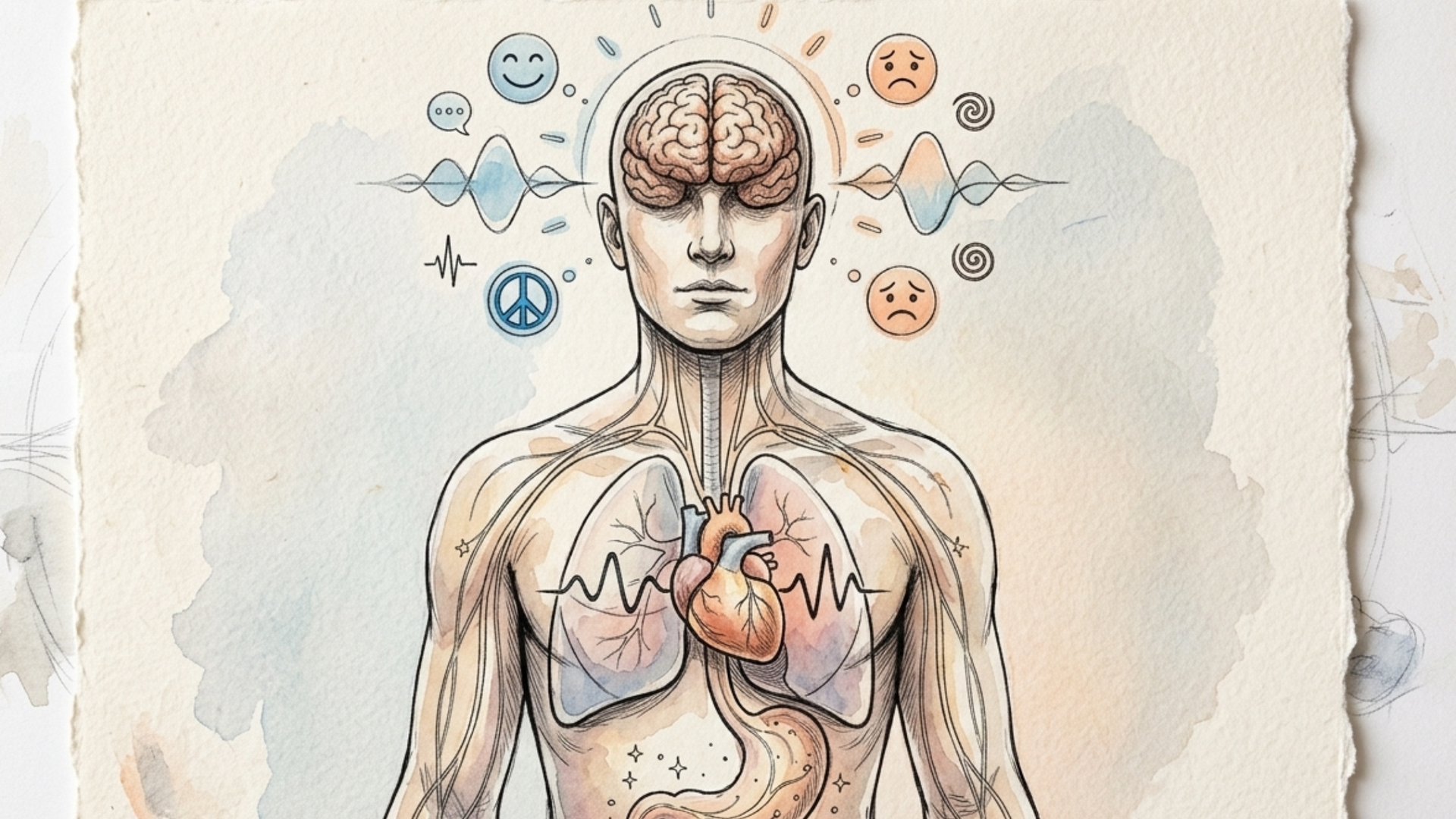
Recent research shows that gut health plays an important role in mental well-being. The gut-brain connection suggests that the bacteria in our digestive system can affect brain function, mood, and even symptoms of psychotic disorders.
- The gut produces about 90% of the body’s serotonin, a key chemical for mood regulation.
- A poor diet high in processed foods and sugar may increase inflammation, which has been linked to worsening mental health.
- Certain gut bacteria affect dopamine levels, which are often imbalanced in psychotic disorders.
How to support gut health:
- Eat fiber-rich foods like vegetables, fruits, and whole grains.
- Include fermented foods like yogurt, kefir, and kimchi to promote healthy gut bacteria.
- Consider probiotic and prebiotic supplements to help maintain balance in the digestive system.
While gut health is not a cure for mental illness, maintaining a healthy digestive system may help support overall brain function and improve symptoms.
How Sleep Affects Symptoms of Psychotic Disorders
Sleep and mental health are closely connected. Many people with schizophrenic spectrum conditions experience sleep problems, which can make symptoms worse.
- Insomnia and fragmented sleep can lead to increased hallucinations, paranoia, and difficulty thinking clearly.
- Circadian rhythm disruptions (staying awake all night and sleeping during the day) are common in people with psychotic disorders.
- Sleep deprivation may trigger or worsen psychotic episodes.
How to improve sleep:
- Stick to a consistent sleep schedule, even on weekends.
- Avoid caffeine and screen time before bed.
- Use relaxation techniques like deep breathing or meditation.
- Consider melatonin supplements (with a doctor’s approval) to regulate sleep cycles.
Getting enough quality sleep can help reduce stress, improve cognitive function, and make treatment more effective.
How to Support a Loved One with a Psychotic Disorder
Having a family member with a severe mental illness can be challenging, but your support makes a big difference.
- Educate yourself about the disorder – Understanding symptoms and treatments helps you provide better support.
- Encourage treatment – Some individuals resist taking medication or going to therapy, but gentle encouragement can help.
- Be patient – Recovery takes time, and symptoms may come and go. Stay supportive even during difficult periods.
- Avoid arguments about delusions – Instead of trying to convince someone their beliefs aren’t real, focus on how they feel and provide reassurance.
- Set boundaries – While offering support, remember to take care of your own mental health as well.
Joining a support group for caregivers (such as those offered by NAMI) can help families connect with others facing similar challenges and learn coping strategies.
The Impact of Psychotic Disorders on Families
Having a family member with a long-term mental health condition can be challenging. Families may experience:
- Emotional stress – Feelings of guilt, frustration, or helplessness.
- Financial burden – Costs of medication, therapy, or hospital stays.
- Caregiver burnout – Managing a loved one’s condition can be overwhelming.
Resources like NAMI offer education and support for families.
Managing Symptoms: Treatment and Support
Although psychotic disorders are long-term conditions, treatment can help manage symptoms:
- Medication – Antipsychotic drugs help regulate brain chemistry but may cause side effects like drowsiness or weight gain.
- Behavioral Therapy – Cognitive Behavioral Therapy (CBT) helps individuals develop coping strategies.
- Healthy Lifestyle Habits – Regular sleep, diet, and exercise improve overall well-being.
- Support Networks – Organizations like NAMI provide education and community resources.
Advances in Research and Future Treatments
Scientists are exploring new treatments for schizophrenic spectrum conditions, including:
- Precision medicine – Personalized treatments based on genetics.
- Psychedelic-assisted therapy – Studies on psilocybin and ketamine for symptom relief.
- AI in diagnosis – AI models predicting early signs of psychosis.
- New antipsychotic medications – Drugs with fewer side effects and better long-term outcomes.
Can Supplements Help with Mental Health?
Certain supplements may support brain function:
- Omega-3 Fatty Acids – May promote brain health.
- Vitamin D – Low levels have been linked to mental health conditions.
- Magnesium – Plays a role in brain function and stress regulation.
Alternative and Holistic Treatments for Psychotic Disorders
While medication and therapy are the main treatments for psychotic disorders, some individuals explore alternative approaches to help manage symptoms.
- Mindfulness and meditation – Practicing mindfulness can help with stress reduction and emotional balance.
- Yoga and physical activity – Exercise improves mood, reduces anxiety, and supports overall mental health.
- Acupuncture – Some studies suggest that acupuncture may help with stress and relaxation, but more research is needed.
- Art and music therapy – Engaging in creative activities can provide an emotional outlet and improve well-being.
It’s important to talk to a healthcare provider before trying alternative treatments, as they should complement—not replace—medical treatment.
Final Thoughts: Taking a Holistic Approach to Mental Health
Managing schizophrenic spectrum conditions requires a comprehensive approach that includes medication, therapy, lifestyle changes, and strong social support. While there is no single cure, early intervention and the right treatment plan can significantly improve quality of life.
- Recognizing early warning signs allows for timely intervention, which can lead to better outcomes.
- Schizophrenic disorders are different from other mental illnesses, so an accurate diagnosis is crucial for effective treatment.
- Gut health and sleep play vital roles in mental well-being and can impact symptoms.
- Supporting a loved one with patience, understanding, and the right resources can make a difference in their recovery journey.
- Alternative therapies like yoga, mindfulness, and a balanced diet may complement traditional treatments and enhance overall well-being.
If you or a family member is struggling with a long-term mental health condition, seeking professional help is the first step toward recovery and a better quality of life. Organizations like NAMI (National Alliance on Mental Illness) offer education, support groups, and mental health resources to assist individuals and caregivers.
Looking for mental health resources? Take our survey to receive personalized supplement recommendations that may help support brain function, emotional balance, and overall mental well-being.
Frequently Asked Questions
Can people with schizophrenia live independently?
Yes. With proper treatment, coping strategies, and a strong support system, many individuals with schizophrenia or psychotic disorders can live independently, maintain jobs, and build meaningful relationships. The level of independence varies depending on the severity of symptoms and the effectiveness of treatment.
Is schizophrenia the same as having a “split personality”?
No. A common myth is that schizophrenia means having multiple personalities, but this is not true. Schizophrenia involves distortions in perception, thought, and emotion—such as hallucinations and delusions—not separate personalities. Dissociative Identity Disorder (DID), which is much less common, involves multiple distinct identities.
Can stress alone cause schizophrenia or psychotic disorders?
Stress does not directly cause schizophrenia, but it can act as a trigger in people who are already vulnerable due to genetics or brain chemistry. High-stress environments, traumatic experiences, or major life changes can worsen symptoms or bring on the first episode in someone predisposed to the disorder.