
What Is Seasonal Affective Disorder (SAD)?
Seasonal Affective Disorder (SAD) is a type of depression that happens in cycles. It usually occurs in fall and winter when there is less daylight.
This condition is thought to be caused by changes in the body’s internal clock, known as the circadian rhythm. It may also involve imbalances in neurotransmitters like serotonin and melatonin. These chemicals help control mood, energy, and sleep.
While winter-pattern SAD is more common, some individuals experience summer-pattern SAD, where symptoms emerge during the warmer months. Understanding the underlying causes, symptoms, and treatment options for Seasonal Affective Disorder can empower individuals to take proactive steps toward managing their mental health.
Who Is at Risk for Seasonal Affective Disorder (SAD)?
Certain individuals are more susceptible to developing Seasonal Affective Disorder (SAD) due to genetic, environmental, and biological factors. Those at higher risk include:
- Individuals in Higher Latitudes – People living farther from the equator experience more pronounced seasonal changes, making SAD more prevalent in northern regions like Canada, the U.S. (northern states), and northern Europe.
- People with a Family History of Depression – If you have a close relative (parent or sibling) with depression or SAD, your risk increases due to genetic predisposition.
- Women – SAD is diagnosed four times more often in women than men, though the severity of symptoms can be similar for both genders.
- Young Adults (18–30 Years Old) – SAD often first appears in young adulthood, with symptoms possibly worsening in later years. However, it can also develop in children and older adults.
- Individuals with Mood Disorders – Those already diagnosed with major depressive disorder or bipolar disorder are at a higher risk, especially those with bipolar disorder type II, where depressive episodes align with seasonal changes.
- People with Low Sunlight Exposure – If you spend most of your time indoors, work night shifts, or live in cloudy/rainy climates, you may have an increased risk due to reduced vitamin D production and disrupted circadian rhythms.
- Individuals with Low Vitamin D Levels – Vitamin D deficiency is linked to depression, and those who don’t get enough sunlight or dietary sources of vitamin D may be more vulnerable to SAD.
Symptoms of Seasonal Affective Disorder (SAD)
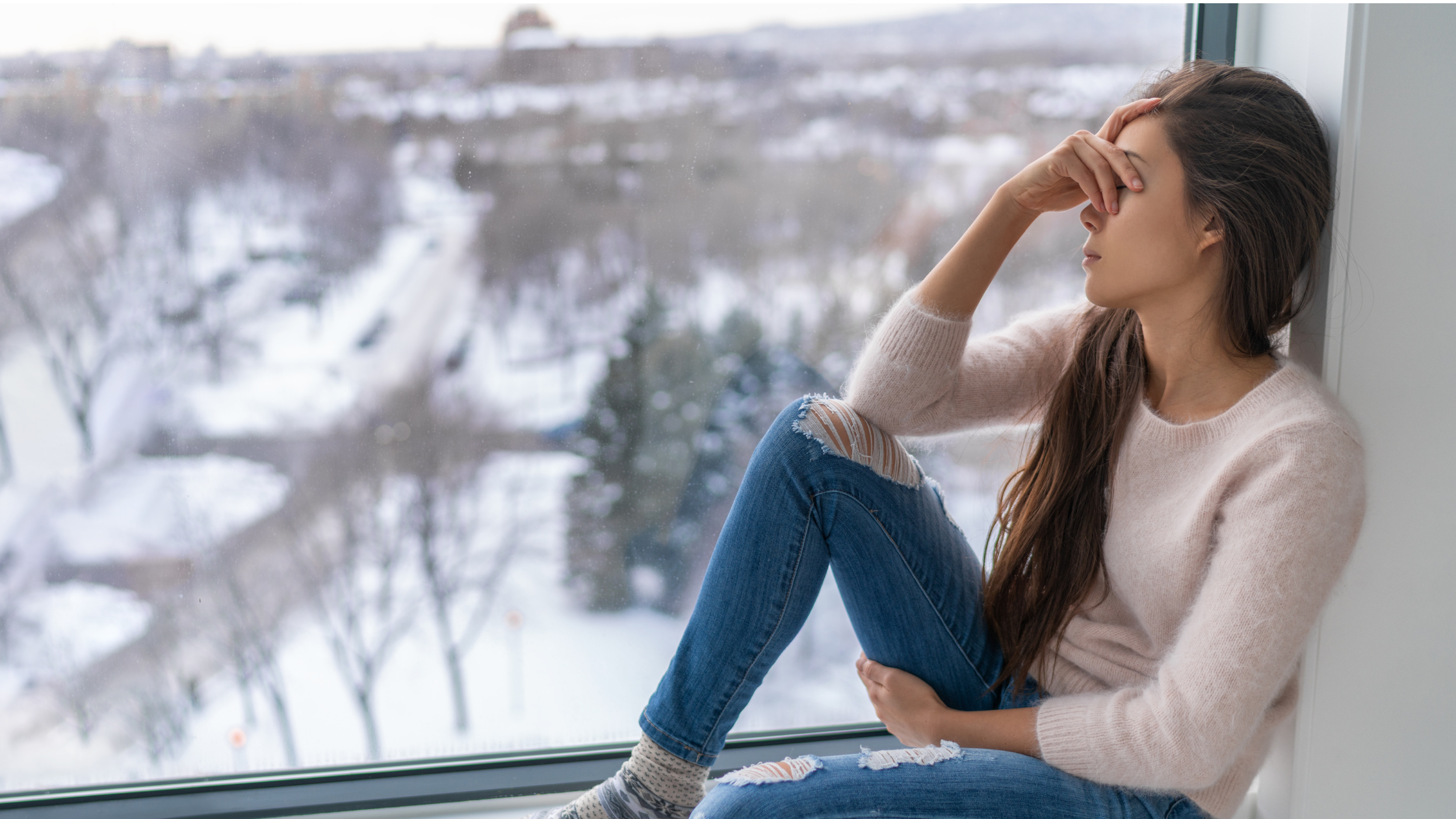
SAD shares many characteristics with major depressive disorder, but it follows a distinct seasonal pattern. Symptoms may begin in late fall, intensify during the winter months, and gradually improve in the spring. The most common signs include:
- Persistent Low Mood – Feelings of sadness, hopelessness, or emotional numbness that last for weeks or months.
- Loss of Interest in Activities – Reduced enjoyment in hobbies, social activities, and things that once brought pleasure.
- Low Energy & Fatigue – Feeling constantly drained, sluggish, or unmotivated.
- Difficulty Concentrating – Trouble focusing, making decisions, or remembering things.
- Changes in Sleep Patterns – Most commonly, excessive sleep (hypersomnia), but some individuals may experience insomnia.
- Increased Appetite & Cravings – Particularly for carbohydrates and sugar, which may contribute to weight gain.
- Social Withdrawal – A tendency to isolate from friends, family, and social gatherings, sometimes referred to as hibernation behavior.
For those experiencing summer-pattern SAD, symptoms may include insomnia, reduced appetite, restlessness, and anxiety rather than sluggishness and weight gain.
What Causes Seasonal Affective Disorder (SAD)?
Several biological and environmental factors contribute to Seasonal Affective Disorder (SAD):
1. Reduced Sunlight Exposure
Shorter daylight hours in winter can disrupt the body’s production of serotonin, a key neurotransmitter linked to mood regulation. Lower serotonin levels are associated with depression.
2. Melatonin Imbalance
Melatonin, the hormone responsible for sleep, is influenced by light exposure. With longer nights and darker days, melatonin production increases, leading to excessive drowsiness and fatigue.
3. Vitamin D Deficiency
Vitamin D, often called the “sunshine vitamin,” plays a role in mood regulation. Limited sun exposure can lead to lower vitamin D levels, which have been linked to depressive symptoms.
4. Circadian Rhythm Disruptions
The body’s internal clock (circadian rhythm) is sensitive to changes in light. Less daylight can throw off this rhythm, affecting sleep patterns, hormone regulation, and overall well-being.
5. Genetic Predisposition
If depression or Seasonal Affective Disorder runs in your family, you may be at a higher risk due to inherited traits affecting neurotransmitter function and mood regulation.
6. Geographic Location
SAD is more common in higher latitudes, such as northern parts of the U.S., Canada, and Europe, where winter days are shorter and darker.
7. Gut-Brain Connection
Emerging research suggests that gut health plays a role in serotonin production. A healthy gut microbiome can positively impact mood, making probiotics and prebiotics potential tools for managing SAD.
What Are the Criteria for a Seasonal Affective Disorder (SAD) Diagnosis?
According to the Diagnostic and Statistical Manual of Mental Disorders (DSM-5), SAD is classified as a subtype of Major Depressive Disorder (MDD) with a Seasonal Pattern. To receive a SAD diagnosis, an individual must meet the following criteria:
- Experience depressive episodes that coincide with specific seasons (fall/winter or spring/summer) for at least two consecutive years.
- Have more seasonal depressive episodes than non-seasonal episodes over their lifetime.
- Show symptoms similar to major depression, including low mood, fatigue, changes in appetite and sleep, difficulty concentrating, and loss of interest in activities.
- Symptoms must cause significant distress or interfere with daily life, work, and relationships.
- Symptoms should not be better explained by other mental health conditions (e.g., bipolar disorder or persistent depressive disorder).
If you suspect you have Seasonal Affective Disorder (SAD), seeking professional help early can improve your quality of life and reduce symptom severity.
How to Manage & Treat Seasonal Affective Disorder (SAD)
While Seasonal Affective Disorder can be challenging, several science-backed strategies can help reduce symptoms and improve overall well-being.
1. Light Therapy (Phototherapy)
A light therapy box mimicking natural sunlight can be highly effective. Sitting in front of a 10,000-lux lightbox for 20–30 minutes every morning can help regulate serotonin and melatonin levels. Many people notice improvements within 1–2 weeks of consistent use.
2. Lifestyle Adjustments
- Maximize Natural Sunlight: Spend time outside, especially in the morning. Even on cloudy days, natural light exposure can be beneficial.
- Regular Exercise: Physical activity releases endorphins and serotonin, helping to combat depressive symptoms. Activities like walking, yoga, or strength training are excellent choices.
- Balanced Nutrition: A diet rich in whole foods, lean proteins, omega-3 fatty acids, and complex carbohydrates can stabilize mood and energy levels.
- Consistent Sleep Routine: Go to bed and wake up at the same time each day to regulate your body’s circadian rhythm.
- Social Engagement: Connecting with loved ones—even virtually—helps prevent isolation and boosts emotional well-being.
3. Cognitive Behavioral Therapy (CBT) for SAD
CBT is a highly effective talk therapy approach for managing Seasonal Affective Disorder. It helps individuals identify negative thought patterns and replace them with healthier coping mechanisms. Studies show that CBT can be just as effective as light therapy in treating SAD.
4. Mindfulness & Meditation
Practicing mindfulness meditation, and deep breathing can significantly reduce stress and promote emotional balance. These techniques help regulate emotions, lower cortisol (stress hormone) levels, and improve mood stability.
5. Supplements That Support Seasonal Affective Disorder (SAD)
Several supplements can support neurotransmitter balance and overall mental well-being:
- Vitamin D3 – Essential for mood regulation, especially in winter.
- Omega-3 Fatty Acids – Found in fish oil, beneficial for brain function and emotional health.
- SAM-e (S-Adenosyl Methionine) – A natural compound that enhances serotonin production.
- St. John’s Wort – A popular herbal remedy for mild to moderate depression (consult your doctor before use due to potential interactions).
- Magnesium – Helps relax the nervous system, reducing stress and improving sleep quality.
- L-Tryptophan & 5-HTP – Precursors to serotonin that support mood and sleep regulation.
- Melatonin – A natural sleep aid, useful for regulating circadian rhythms.
- Probiotics & Prebiotics – Support gut health, which can positively influence serotonin production.
- Rhodiola Rosea & Ashwagandha – Adaptogenic herbs that help the body cope with stress and emotional imbalances.
Take Charge of Seasonal Affective Disorder (SAD)
If you’re experiencing symptoms of Seasonal Affective Disorder, don’t wait for them to worsen. Early intervention is key to preventing symptoms from intensifying.
Take Our Survey – Get personalized recommendations on which supplements and treatments may work best for your unique needs.
A Note from Cenario & Final Thoughts
At Cenario, we know that Seasonal Affective Disorder (SAD) can be tough to deal with, but the good news is that you can manage it. Changes in the seasons don’t have to control your happiness—and we’re here to help with simple, effective ways to feel better.
There are many ways to fight SAD, like light therapy, staying active, eating healthy, taking supplements, and talking to a therapist. Even small changes—like getting outside more, keeping a regular sleep schedule, and staying connected with friends and family—can make a big difference.
Since SAD affects everyone differently, it’s important to find what works best for you. The key is to take small steps toward better mental health. Moving your body, taking care of yourself, and asking for help when you need it can all help you feel better, even during the darkest months.
You are in control of your happiness—one season at a time!
Frequently Asked Questions
Can Seasonal Affective Disorder (SAD) get worse if left untreated?
Yes. If SAD is not addressed, symptoms can intensify and potentially lead to more severe depression, social isolation, substance misuse, or difficulty managing work and daily responsibilities. Early intervention with lifestyle changes, therapy, or medical support can help prevent symptoms from worsening.
Is Seasonal Affective Disorder (SAD) the same as the “winter blues”?
No. While the “winter blues” refers to feeling a little more sluggish or down during colder months, SAD is a recognized medical condition. It follows a consistent seasonal pattern, lasts for weeks or months, and significantly interferes with daily life making it more serious than temporarily low mood.
Can children and teenagers develop Seasonal Affective Disorder (SAD)?
Yes. Although SAD is more commonly diagnosed in adults, children and teens can also experience it. In younger people, symptoms may appear as irritability, poor school performance, changes in sleep or eating habits, or withdrawing from friends and activities. Parents and caregivers should pay attention to seasonal patterns in mood and behavior.