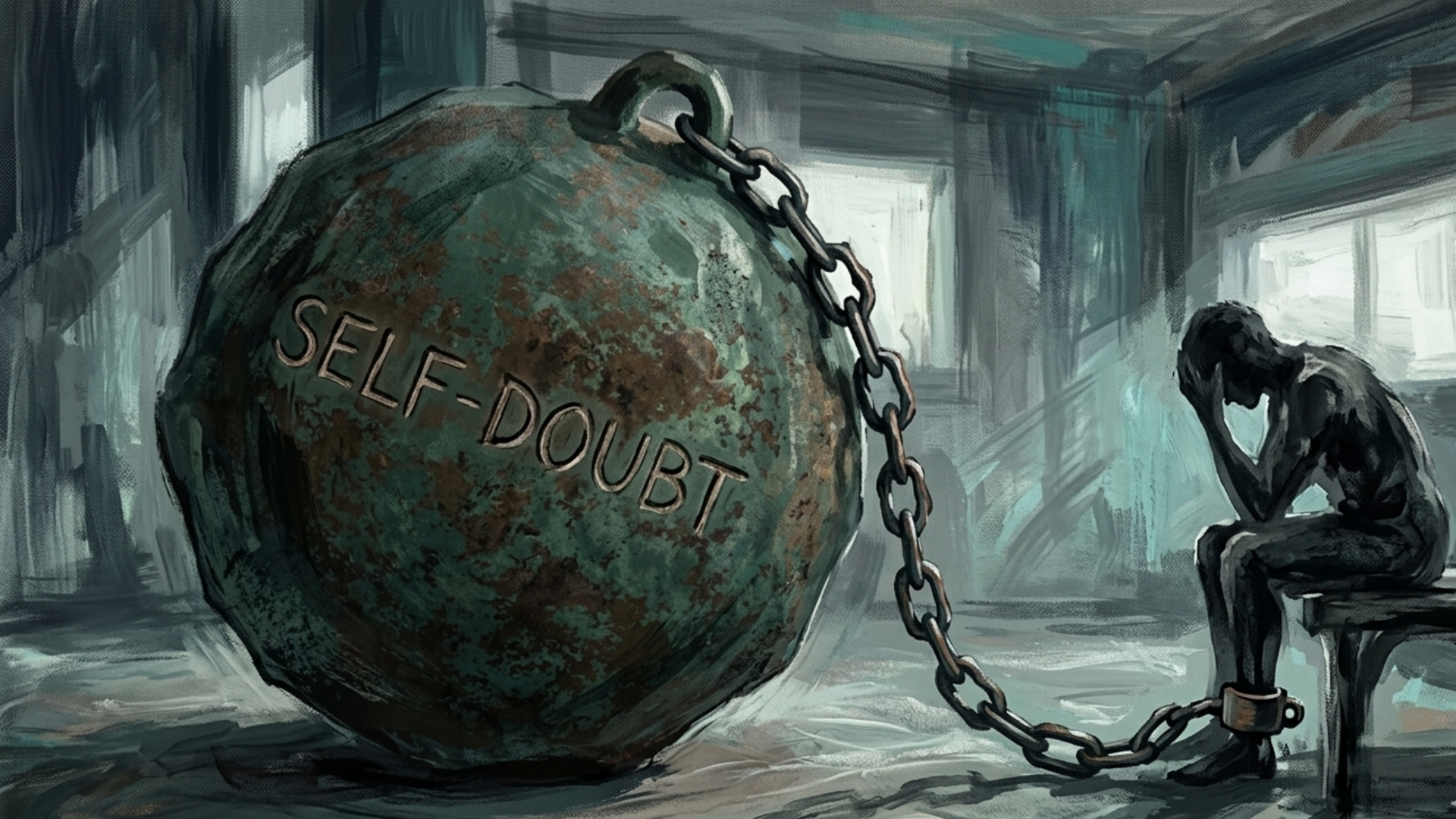

Self-doubt is a common psychological experience where a person questions their abilities, decisions, or self-worth. It often shows up as an internal voice that says, “I’m not good enough,” “What if I fail?” or “Maybe I don’t deserve this.” While occasional self-doubt is normal and even helpful for reflection, persistent self-doubt can hold you back from growth, opportunities, and a fulfilling life.
If you want to better understand your mental patterns and build stronger emotional resilience, you can read or explore more here at our Knowledge Hub for more mental health–related articles, and take the quiz to get personalized supplement recommendations designed to support stress balance, confidence, and overall mental clarity.
What Self-Doubt Really Means
At its core, self-doubt is a lack of trust in your own abilities or judgment. It is not always based on reality, but rather on perception, how you see yourself compared to others or to your own expectations.
Self-doubt often develops gradually. It can be influenced by past experiences, criticism, failure, or even the pressure to meet high standards. Over time, these experiences can shape how you think about yourself, creating a pattern of negative self-talk that becomes automatic.
It’s important to understand that self-doubt does not mean you are incapable. Instead, it often reflects fear, uncertainty, or a protective response trying to prevent failure or rejection.
Common Signs of Self-Doubt
Self-doubt can appear in subtle ways that affect your daily behavior and decision-making. You may find yourself hesitating before taking action, overthinking simple decisions, or constantly seeking reassurance from others.
Some people experience self-doubt as procrastination, avoiding tasks because they fear they won’t do them well. Others may struggle with comparing themselves to others, feeling inadequate even when they are doing well. In some cases, self-doubt can lead to missed opportunities because the fear of failure feels stronger than the desire to try.
Where Self-Doubt Comes From
Self-doubt is shaped by a combination of psychological, emotional, and environmental factors. Early life experiences play a significant role. For example, growing up in a highly critical environment or being compared to others can influence how you see your abilities.
Past failures can also contribute to self-doubt, especially if they are not processed in a healthy way. Instead of seeing failure as a learning experience, you may begin to see it as proof that you are not capable.
Social factors also play a role. In today’s digital world, constant exposure to curated success on social media can create unrealistic standards, making it easy to feel like you are falling behind.
The Impact of Self-Doubt on Your Life
When self-doubt becomes persistent, it can affect multiple areas of your life. It can limit your willingness to try new things, reduce your motivation, and create ongoing stress or anxiety.
Over time, self-doubt can also affect your relationships and career. You may avoid speaking up, hesitate to pursue opportunities, or settle for less than what you are capable of achieving. This can create a cycle where self-doubt reinforces itself—each missed opportunity becomes more “evidence” that you are not good enough.
How to Overcome Self-Doubt
Overcoming self-doubt is not about eliminating it completely. Instead, it’s about learning how to manage it and respond to it in a healthier way.
One of the most effective strategies is becoming aware of your inner dialogue. When you notice negative thoughts, pause and question them. Ask yourself whether they are based on facts or assumptions. Often, self-doubt is built on distorted thinking rather than reality.
It is also important to focus on small, consistent actions. Confidence is not built overnight, it grows through experience. Each time you take action despite doubt, you strengthen your belief in your abilities.
Another key factor is self-compassion. Treat yourself with the same understanding and patience you would offer to someone else. Mistakes and setbacks are part of growth, not evidence of failure.
Building supportive habits can also make a difference. This includes maintaining a healthy routine, managing stress, and surrounding yourself with people who encourage and support you.
Rebuilding Confidence Over Time
Confidence and self-doubt exist on a spectrum. The goal is not to remove all doubt, but to shift the balance so that confidence becomes stronger than fear.
As you begin to challenge your doubts and take action, you will start to gather evidence of your capabilities. Over time, this evidence reshapes your self-perception, making self-doubt less dominant.
It’s also important to redefine success. Instead of focusing only on outcomes, focus on effort, progress, and learning. This mindset reduces the pressure to be perfect and allows you to grow more freely.
Final Thoughts
Self-doubt is a natural part of being human, but it does not have to control your decisions or define your future. By understanding where it comes from and learning how to respond to it, you can gradually build confidence and trust in yourself.
If you want to take a more personalized approach to improving your mental clarity, emotional balance, and confidence, take the quiz to get personalized supplement recommendations designed to support your mental well-being and overall cognitive performance.
Frequently Asked Questions
1. Is self-doubt normal?
Yes, self-doubt is a normal human experience. Most people experience it at different points in their lives, especially when facing new challenges or unfamiliar situations. It only becomes a concern when it is persistent and starts to limit your actions or confidence.
2. What is the difference between self-doubt and low self-esteem?
Self-doubt usually involves questioning your abilities in specific situations, while low self-esteem is a broader and more consistent belief that you are not good enough as a person. Self-doubt can be temporary, but low self-esteem tends to be more deeply rooted.
3. Can self-doubt lead to anxiety or stress?
Yes, ongoing self-doubt can contribute to increased stress and anxiety, especially when it leads to overthinking, fear of failure, or avoidance of important tasks. Over time, this can affect both mental and emotional well-being.
4. How can I stop overthinking caused by self-doubt?
One effective approach is to challenge negative thoughts and focus on action rather than perfection. Breaking tasks into smaller steps and taking immediate action can reduce overthinking and help build confidence.