
Sleep Paralysis Symptoms: Causes, Signs & What to Expect
Sleep is usually a time of restoration—a chance to disconnect from the stress of life. But for some, sleep becomes an intense and sometimes terrifying experience. If you’ve ever woken up unable to move, talk, or breathe properly, you may have had one or more episodes of sleep paralysis.
Here’s what we’ll cover: the most common sleep paralysis symptoms, what causes these strange and sometimes scary episodes, what it actually feels like, and how you can stop them from happening again. Whether you’ve only had one episode or regularly experience sleep paralysis, understanding the root causes is the first step to regaining control over your nights.
What Is Sleep Paralysis?
Sleep paralysis is a type of sleep disorder where your body temporarily becomes immobilized as you’re falling asleep or waking up. You’re awake—aware of your surroundings—but unable to move or speak. This often occurs during the stages of sleep, particularly during rapid eye movement (REM) sleep.
During REM, your brain naturally shuts down voluntary muscle activity so you don’t act out your dreams. But sometimes your brain wakes up before your body does—leaving you in a state between sleep and wakefulness. This is when sleep paralysis occurs.
What Are the Most Common Sleep Paralysis Symptoms?
Sleep paralysis can feel different from person to person, but there are a few key signs that almost everyone reports. Here’s a closer look at the most common sleep paralysis symptoms, explained in detail:
1. Complete Inability to Move
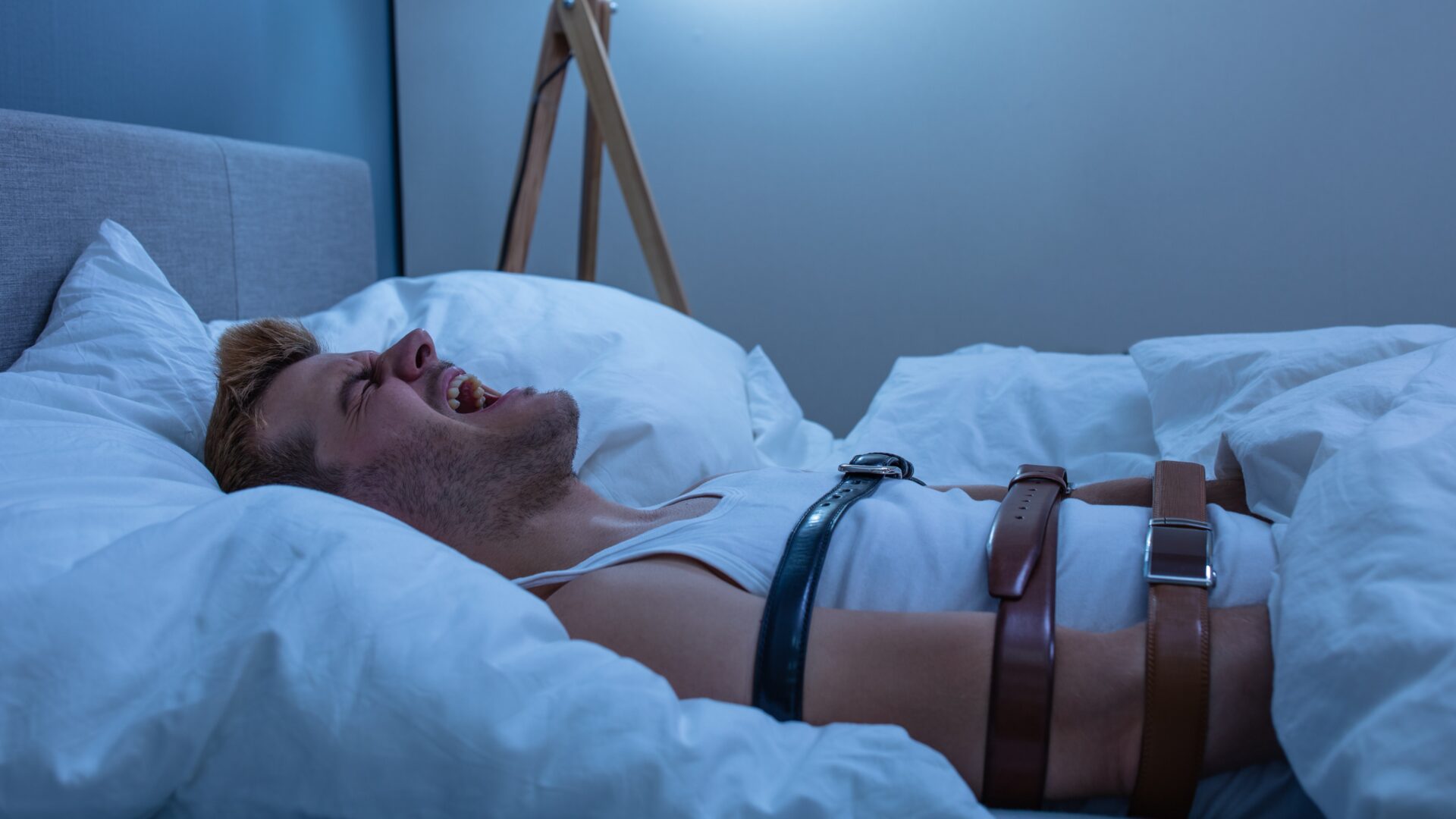
The most defining symptom. You’re mentally alert—your eyes may even be open—but your body won’t respond. No matter how hard you try to move your arms, legs, or turn your head, you can’t. Some people describe it as being “glued” to the bed or “trapped” in their own body.
🕒 How long does it last? Episodes usually last 20 seconds to 2 minutes, though it can feel much longer in the moment.
2. Inability to Speak or Call Out
Trying to scream or ask for help often leads to more panic, because your voice simply won’t come out. Your brain sends the signal, but your mouth won’t respond. This loss of control intensifies the fear and helplessness.
3. Chest Pressure or Tightness
A heavy, suffocating pressure on the chest is another frequent symptom. Some describe it as feeling like an invisible weight—or even a person—is sitting on their chest. This can make it feel hard to breathe, even though your body is still taking in air.
Fun Fact: Many ancient cultures believed this pressure came from a demon or evil spirit. That’s where terms like “nightmare” originally came from.
4. Hallucinations (Seeing, Hearing, or Feeling Things)
Sleep paralysis often includes hallucinations that are incredibly vivid and frightening. These are not imagined—they’re caused by your brain mixing dream elements with waking awareness.
There are three main types:
- Visual hallucinations: Seeing a dark figure, shadowy person, or creature nearby.
- Auditory hallucinations: Hearing voices, footsteps, whispers, buzzing, or growls.
- Tactile hallucinations: Feeling a hand on your shoulder, someone touching your face, or even being dragged.
It can feel like being trapped in a terrifying, waking nightmare—fully aware, yet unable to move or escape.
5. Difficulty Breathing
Many people report shortness of breath or the feeling of choking. It’s not actually dangerous—your body continues to breathe—but the sensation of restricted movement can make you feel like you’re suffocating.
6. Extreme Fear or a Sense of Dread
Even if you don’t experience hallucinations, sleep paralysis often comes with overwhelming fear. Your mind may create irrational beliefs: “I’m dying,” “I’m being attacked,” or “Something evil is in the room.” The brain’s fear center (the amygdala) is activated, which explains the intense emotional response.
7. Consciousness and Awareness of Surroundings
Perhaps the most chilling part is that you’re fully conscious. You can recognize your room, hear background noise, or sense a partner lying next to you—but you’re stuck and powerless to react.
What Causes Sleep Paralysis?
Understanding what triggers episodes of sleep paralysis is key to reducing their frequency. These are the most common causes:
1. Sleep Deprivation
Not getting enough rest or following irregular sleep patterns increases the chance of waking during REM sleep—right when sleep paralysis occurs.
2. Stress and Anxiety
Feeling overwhelmed, dealing with panic, or going through trauma—especially PTSD—can make sleep paralysis happen more often. Your emotional health and sleep quality are deeply connected.
3. Narcolepsy
People with narcolepsy—a condition that affects how the brain controls sleep—tend to have sleep paralysis more often.
4. Sleeping on Your Back
Lying on your back can put more pressure on your airway and chest, making sleep paralysis symptoms more likely. Studies show back sleepers are more prone to episodes.
5. Alcohol, Caffeine, and Medications
Substances like alcohol, energy drinks, and certain medications (like antidepressants) can interfere with REM sleep, leading to a higher risk of sleep paralysis.
6. Genetics
Sleep paralysis can run in families. If your parents or siblings have experienced it, you might be more susceptible too.
What Does Sleep Paralysis Feel Like?
The experience can be so vivid and terrifying that many people remember their first episode for years. Common descriptions include:
- “It felt like I was being watched by something evil.”
- “I could see my room, but I couldn’t move at all.”
- “There was a shadowy figure standing at the foot of my bed.”
- “I tried to scream for help, but nothing came out.”
The mix of conscious awareness and REM dreaming creates an unsettling overlap between reality and illusion.
What Happens After an Episode?
After a sleep paralysis episode ends, you slowly regain control of your body. Some people jump out of bed, while others lie still, disoriented. You may feel:
- Shaken or rattled
- Afraid to go back to sleep
- Emotionally exhausted
- Hyper-aware of your surroundings
Even though it’s mentally and emotionally draining, sleep paralysis doesn’t typically cause any physical harm.
How to Prevent Sleep Paralysis
The good news? Sleep paralysis is manageable, especially once you understand your triggers. Here are some practical steps to prevent future episodes:
1. Keep a Consistent Sleep Schedule
Go to bed and wake up at the same time every day, even on weekends. Consistency helps regulate REM sleep.
2. Avoid Back Sleeping
Train yourself to sleep on your side. Use pillows to prevent rolling over during the night.
3. Reduce Stress Before Bed
Try relaxation techniques like:
- Deep breathing
- Gentle stretching or yoga
- Meditation
- Journaling
- Listening to calming music
4. Limit Stimulants and Alcohol
Avoid caffeine or alcohol late in the day. These substances interfere with your natural sleep cycles.
5. Improve Sleep Hygiene
- Keep your room dark, cool, and quiet.
- Limit screen time at night.
- Use a sleep mask or white noise machine if needed.
6. Seek Professional Help
If episodes are frequent, intense, or accompanied by daytime fatigue or hallucinations outside of sleep, talk to a sleep specialist or therapist. You might benefit from:
- Cognitive Behavioral Therapy (CBT)
- A sleep study
- Medication for anxiety or sleep disorders
Final Thoughts
Experiencing sleep paralysis symptoms can be terrifying, but it doesn’t mean there’s something wrong with you. It’s a relatively common sleep phenomenon, and for many people, understanding it is the first step toward controlling it.
You’re not haunted. You’re not broken. Your brain and body are simply misfiring during a delicate part of the sleep cycle—and that can be fixed.
With awareness, healthy habits, and a little patience, you can take back control of your nights and finally get the rest you deserve.
Ready to Improve Your Sleep?
✅ Take our quick sleep quiz to find the best solution for your sleep issues today!
Frequently Asked Questions
1. Is sleep paralysis dangerous or harmful to the body?
No, sleep paralysis itself is not physically harmful. Your body continues to breathe and function normally during an episode, even though you may feel pressure on your chest or shortness of breath. The biggest impact is psychological fear, anxiety, or sleep avoidance which can affect overall sleep quality if episodes happen often.
2. Can sleep paralysis happen to anyone?
Yes. Anyone can experience sleep paralysis, but it’s more common in teenagers, young adults, shift workers, and people with irregular sleep schedules. It can also affect individuals with high stress levels, anxiety, PTSD, or other sleep disorders such as narcolepsy. Genetics may also increase the likelihood if it runs in families.
3. Should I see a doctor if I experience frequent sleep paralysis?
Occasional episodes are usually harmless and don’t require treatment. However, if sleep paralysis occurs often, disrupts your sleep, or is accompanied by extreme daytime sleepiness, hallucinations outside of sleep, or signs of narcolepsy, it’s best to see a doctor or sleep specialist for evaluation and possible treatment.