
Stressors Definition and Their Impact on Mental Health
Stressors Definition: What Are They?
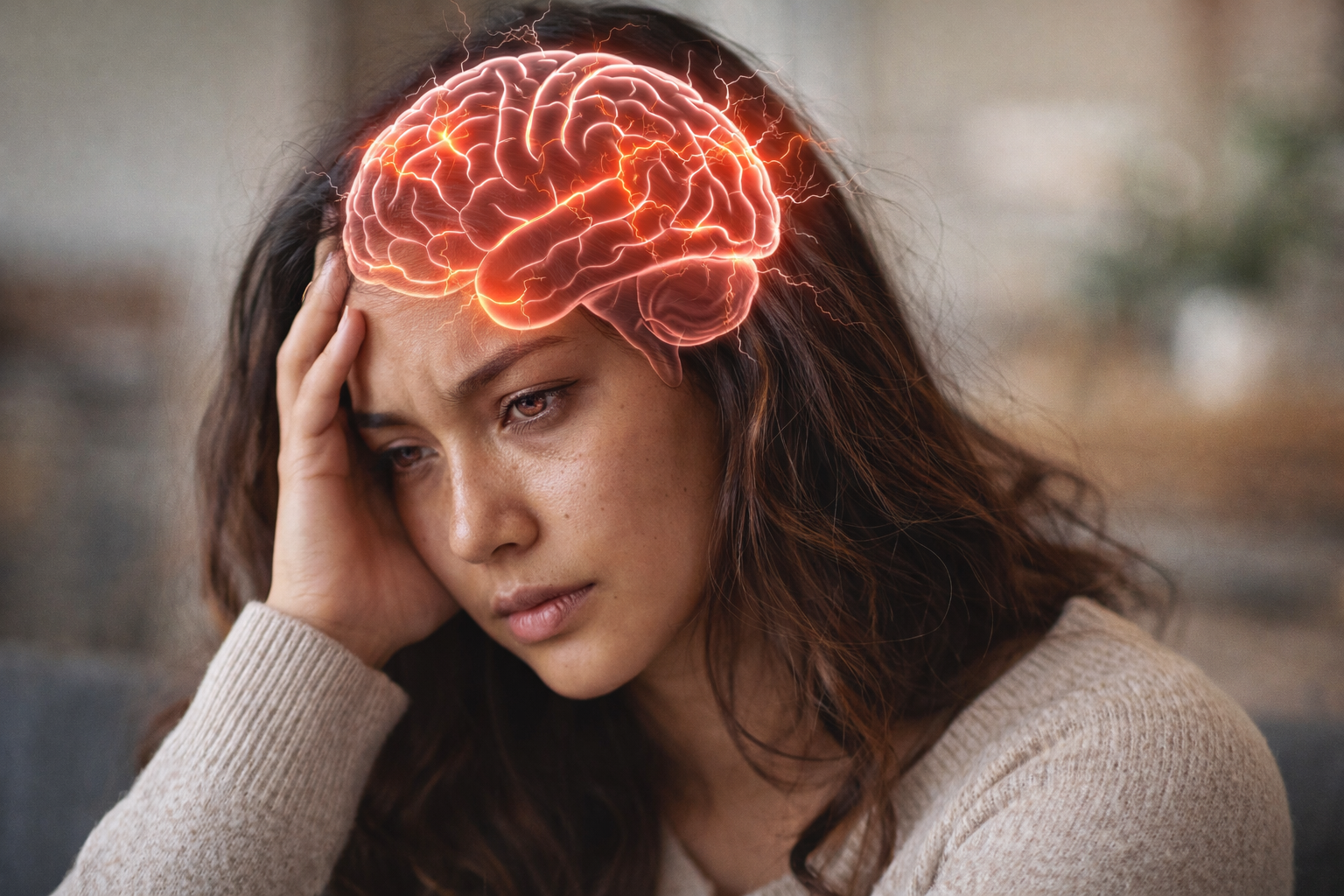
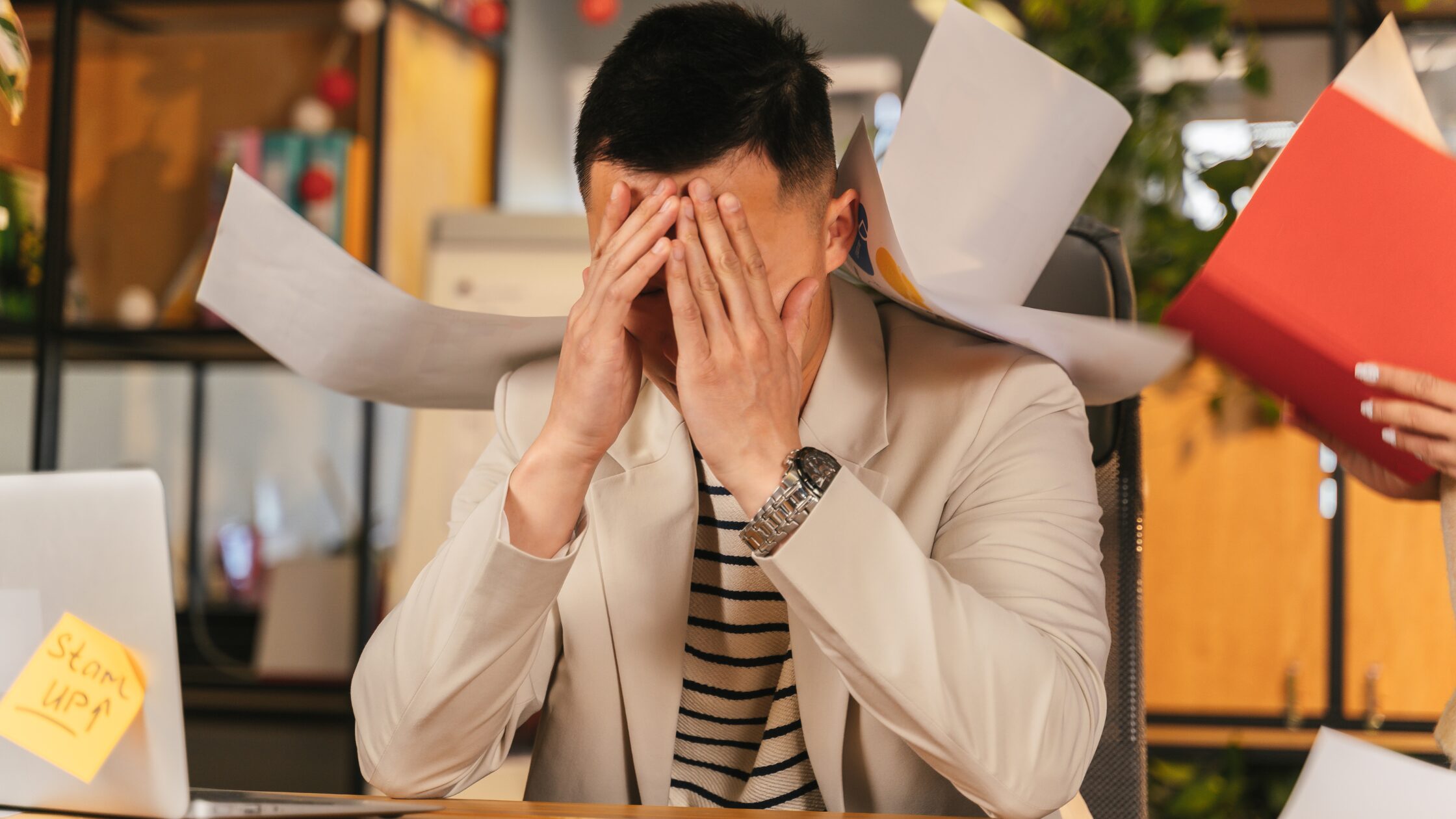
Stressors are external or internal conditions, events, or situations that provoke stress in an individual. In psychological and physiological terms, a stressor is any stimulus that disrupts the body’s natural equilibrium (homeostasis), triggering a stress response. These stressors can be physical, psychological, social, or environmental. While some stressors can have positive effects—such as motivating personal growth or enhancing performance—chronic or overwhelming stressors often lead to negative mental and physical health consequences.
Types of Stressors and Their Effects
Stressors vary in duration, intensity, and impact. Identifying different types of stressors is essential for effective stress management.
1. Acute Stressors
Acute stress is short-term and results from a sudden stressful event. While it may cause temporary discomfort, it usually does not lead to long-term damage. Examples include:
- Job demands like an urgent deadline
- Unexpected arguments with family members
- A minor car accident or a flat tire
- Public speaking anxiety
During acute stress, the body releases adrenaline and cortisol, leading to heightened alertness. Once the stressful event is over, stress levels return to normal. However, frequent exposure to acute stress can contribute to chronic stress if not managed properly.
2. Chronic Stressors
Unlike acute stress, chronic stress persists over extended periods and can significantly impact mental health. Examples include:
- Prolonged job demands with little work-life balance
- Financial problems leading to ongoing anxiety
- A toxic relationship causing emotional distress
- Long-term caregiving responsibilities for family members
- Living in unsafe or unstable conditions
Continuous exposure to chronic stress keeps the body in a heightened stress response, increasing the risk of stress disorder, anxiety, depression, and cardiovascular disease.
3. Psychological Stressors
These stressors originate from thoughts, emotions, and personal expectations rather than external circumstances. Common psychological stressors include:
- Perfectionism and unrealistic self-expectations
- Fear of failure, leading to self-doubt and anxiety
- Negative self-talk that lowers confidence
- Uncertainty about the future, causing excessive worry
Psychological stressors can be just as harmful as external stressors, often contributing to anxiety, depression, and other mental health disorders.
4. Environmental Stressors
Environmental conditions can act as sources of stress, especially when they are beyond an individual’s control. Common environmental stressors include:
- Noise pollution from traffic or construction
- Overcrowding, leading to discomfort and frustration
- Extreme weather conditions affecting daily routines
- Unsafe neighborhoods creating a constant sense of fear
Developing resilience and adapting to these stressors through effective stress management techniques is crucial for maintaining well-being.
5. Social Stressors
Interpersonal relationships can be significant sources of stress. Social stressors include:
- Workplace conflicts causing emotional strain
- Peer pressure leading to stress, especially among young adults
- Family obligations adding financial or emotional burden
- Discrimination or harassment, affecting self-esteem and confidence
Lack of emotional support can amplify the effects of social stressors, making it essential to build strong, supportive relationships.
6. Physiological Stressors
These stressors directly impact the body and can contribute to chronic stress and stress disorder. Examples include:
- Lack of sleep, impairing cognitive function and mood
- Poor nutrition, affecting overall well-being
- Chronic illness or chronic pain, increasing emotional distress
- Overexertion from exercise, leading to burnout
Addressing physiological stressors through lifestyle modifications—such as improved sleep habits and balanced nutrition—can enhance both physical health and mental health.
The Impact of Stressors on Mental Health
While the body’s stress response is designed to handle short-term threats, prolonged exposure to stressors can have serious mental health consequences. Some of the most common effects include:
1. Increased Risk of Anxiety and Depression
Long-term exposure to chronic or psychological stressors can lead to heightened levels of anxiety and depression. Elevated cortisol levels interfere with neurotransmitter function, reducing serotonin and dopamine—the brain chemicals responsible for mood regulation.
2. Cognitive Impairments
Chronic stress has been linked to impairments in cognitive function, including:
- Memory problems, as stress affects the hippocampus
- Difficulty concentrating, making tasks harder to complete
- Reduced problem-solving abilities, leading to decision fatigue
3. Emotional Dysregulation
Individuals experiencing prolonged stress often struggle with emotional regulation, resulting in:
- Irritability and frequent mood swings
- Increased sensitivity to criticism
- Difficulty managing frustration
4. Increased Risk of Substance Abuse
Many people turn to unhealthy coping mechanisms such as alcohol, smoking, or drug use to escape stress. While these may offer temporary relief, they often lead to addiction and worsening stress levels over time.
5. Physical Health Consequences Affecting Mental Health
The mind and body are deeply interconnected, meaning that prolonged stress can contribute to:
- Insomnia, worsening anxiety and depression
- Weakened immune function, leading to frequent illnesses
- High blood pressure and heart disease, increasing health risks
Over time, these physical effects can create a cycle of stress and poor health, making stress management crucial.

How to Manage Stressors Effectively
Stressors are an unavoidable part of life, but how we handle them determines their impact on our mental health and overall well-being. Since eliminating all potential stressors is unrealistic, developing effective stress management strategies is essential. Below are practical ways to reduce stress levels, enhance resilience, and protect both physical health and mental health from the harmful effects of chronic stress.
1. Identify and Categorize Stressors
The first step in managing stress is recognizing what triggers it. Different stressors—whether work-related, social, environmental, or psychological—affect individuals in unique ways. Keeping a stress journal can help identify patterns, making it easier to develop targeted coping strategies.
How to Identify Stressors Effectively:
- Write down stressful events as they happen and note your emotional and physical reactions.
- Categorize stressors into acute stressors (short-term, situational) and chronic stressors (long-term, persistent).
- Recognize which stressors are within your control and which ones require acceptance or adaptation.
By understanding your sources of stress, you can take proactive steps toward reducing their impact.
2. Build Healthy Coping Mechanisms
Effective coping mechanisms can help manage stress levels and prevent chronic stress from negatively affecting mental health. Developing positive responses to stressors ensures long-term emotional stability.
Healthy Coping Strategies:
- Cognitive reframing: Challenge negative thoughts by viewing stressors from a different perspective. Instead of seeing challenges as overwhelming, try to frame them as opportunities for growth.
- Mindfulness and meditation: Practicing mindfulness helps regulate emotions and prevents stress from escalating. Meditation, deep breathing, and progressive muscle relaxation can lower cortisol levels and promote calmness.
- Time management: Poor time management can be a major source of stress. Prioritizing tasks, setting realistic deadlines, and breaking larger projects into smaller steps can prevent burnout.
3. Maintain a Balanced Lifestyle
A well-balanced lifestyle plays a critical role in stress management. Taking care of your physical health directly impacts your ability to cope with stressful events.
Key Lifestyle Habits for Managing Stress:
- Regular exercise: Physical activity is one of the most effective ways to reduce stress levels. It helps lower cortisol, increases endorphins, and improves overall mood.
- Nutritious diet: Eating a balanced diet rich in omega-3 fatty acids, magnesium, and antioxidants helps regulate the body’s stress response. Avoid excessive caffeine, sugar, and processed foods, as they can contribute to anxiety and irritability.
- Adequate sleep: Sleep deprivation can make it harder to handle stressful events, leading to emotional instability and poor concentration. Aim for 7-9 hours of quality sleep per night to support mental health and emotional resilience.
Maintaining a balanced lifestyle ensures that both the mind and body are equipped to handle potential stressors effectively.
4. Seek Social Support
Strong emotional support from friends, family members, or support groups can provide comfort and perspective during stressful events. Social connections play a significant role in reducing stress levels and enhancing resilience.
How to Strengthen Social Support:
- Spend quality time with loved ones, whether through shared activities, conversations, or check-ins.
- Don’t hesitate to reach out for help when facing chronic stress. Talking to someone who understands can be incredibly reassuring.
- Engage in community activities, hobbies, or support groups where you can connect with like-minded individuals who provide encouragement.
When dealing with social stressors, having a support system can make challenges feel less overwhelming.
5. Professional Help and Therapy
If stressors become overwhelming and start to interfere with daily life, seeking professional help can provide valuable tools for managing stress. Therapy can be especially beneficial for individuals experiencing stress disorder, anxiety, or depression.
How Therapy Can Help:
- Cognitive Behavioral Therapy (CBT): This therapy helps change negative thoughts and behaviors that cause stress. CBT helps individuals develop healthier ways to respond to stressful events.
- Stress management programs: Many therapists offer structured programs that focus on relaxation techniques, problem-solving strategies, and emotional regulation.
- Medication (if needed): For serious stress or anxiety, a doctor may suggest medicine as part of your treatment.
Seeking professional support can be a proactive step toward long-term emotional stability and improved mental health.
Final Thoughts
Managing stress effectively is not about eliminating every potential stressor—it’s about learning how to navigate challenges while maintaining balance in your life. By identifying stress triggers, adopting healthy coping mechanisms, prioritizing self-care, and seeking emotional support, you can take control of your stress levels and protect your mental health and physical health.
If stress is impacting your daily life, it’s time to make a change. Take our quiz for personalized supplement recommendations tailored to your needs and explore premium stress-relief supplements.
Take the quiz now and start your journey to a healthier, stress-free life!
Frequently Asked Questions
What’s the difference between stress and anxiety?
Stress is usually a response to an external situation, like a deadline, argument, or financial issue, and it often goes away once the problem is resolved. Anxiety, on the other hand, can persist even when there’s no clear stressor and often involves constant worry, fear, or a sense of dread that interferes with daily life.
Can short-term stress ever be good for you?
Yes. Short-term or “acute” stress can sometimes be beneficial because it helps you stay alert, motivated, and focused. For example, it can boost performance before an exam, athletic event, or important presentation. The problem arises when stress is frequent or long-term, which puts strain on both mental and physical health.
How do I know when stress is becoming harmful?
Stress becomes harmful when it starts interfering with daily life, relationships, work, or physical health. Warning signs include constant fatigue, sleep problems, frequent headaches, irritability, poor concentration, and reliance on unhealthy coping mechanisms like alcohol or overeating. If these symptoms persist, it may be time to seek professional help.