
What Is the Vagus Nerve? Function, Facts, and Benefits
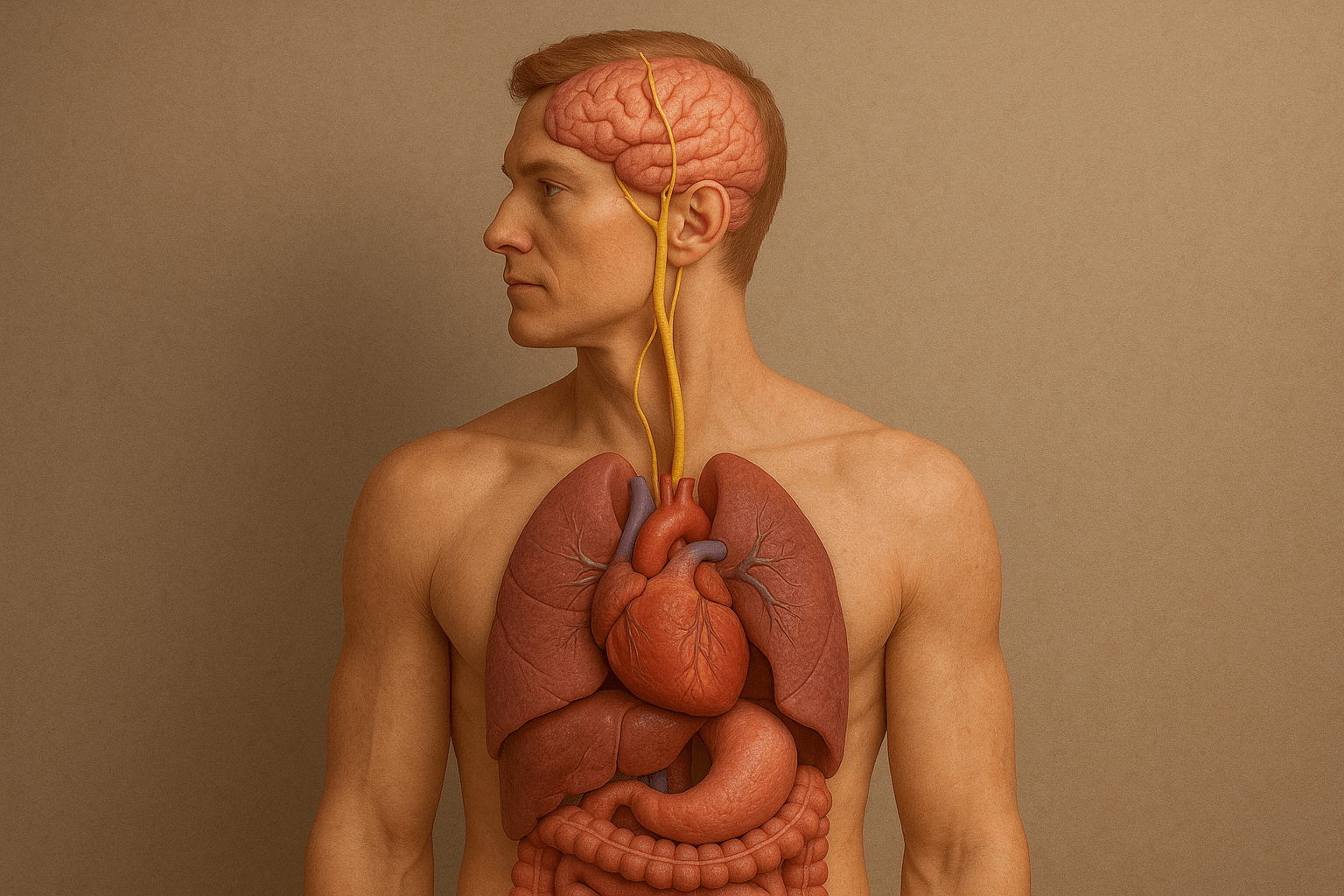
The vagus nerve, also referred to as the tenth cranial nerve, is one of the most influential components of the human nervous system. Stretching from the brainstem down to the digestive organs, this wandering nerve plays a central role in maintaining balance across multiple bodily systems. Its name comes from the Latin word vagus, meaning “wandering,” which perfectly describes the nerve’s extensive and meandering path through the body.
Often overlooked outside of medical or neuroscience circles, the vagal nerve is now gaining significant attention in clinical research, wellness practices, and therapeutic interventions for its impact on physical and mental health.
The vagus nerve, also known as the tenth cranial nerve, is one of the most important nerves in your entire body. What makes it unique is its dual role: it’s both a sensory and motor nerve.
- Sensory function means it sends information from your organs to your brain. This helps your brain understand what’s going on inside your body, like how your heart is beating or how full your stomach is.
- Motor function means it sends signals from your brain to your body, controlling muscles and making organs work, such as helping you swallow or digest food.
Think of the vagus nerve as a superhighway of communication between your brain and major parts of your body. It connects to many critical systems including the:
- Heart
- Lungs
- Stomach and intestines
- Voice box (larynx)
- Immune system
Unlike most cranial nerves that affect only the head or neck, the vagus nerve travels all the way from the brainstem to the abdomen, touching almost every major organ along the way. Because of its broad influence, it’s often referred to as the main nerve of the parasympathetic nervous system, which controls the body’s “rest and digest” responses.
Anatomy of the Vagus Nerve: A Deep Dive into Its Pathways
To understand how powerful the vagus nerve is, it helps to look at its path through the body and the branches it forms to connect with organs.
Where It Starts
The vagus nerve begins in the medulla oblongata, which is part of your brainstem, the area that controls basic functions like breathing and heartbeat.
From there, it exits the skull through an opening called the jugular foramen and travels down the neck next to two major blood vessels:
- The carotid artery (carries blood to the brain)
- The jugular vein (carries blood back to the heart)
Where It Goes
As it travels downward into the chest and abdomen, the vagus nerve branches off into smaller parts called plexuses. These branches reach various organs and help regulate their functions.
Key Branches and What They Do
| Branch Name | Function |
|---|---|
| Auricular Branch | Sends sensory signals from part of the outer ear. |
| Pharyngeal Branches | Controls muscles for swallowing and speaking. |
| Superior Laryngeal Nerve | Helps in voice control by affecting the vocal cords. |
| Cardiac Plexus | Sends signals to the heart to slow down the heartbeat. |
| Pulmonary Plexus | Regulates breathing by affecting the lungs. |
| Esophageal Plexus | Controls the muscles that help move food from the throat to the stomach. |
| Abdominal Branches | Connect with major abdominal organs: stomach, intestines, liver, kidneys, and pancreas. Helps regulate digestion, metabolism, and detoxification. |
This complex system of branches allows the vagus nerve to monitor and control many automatic functions, things your body does without you thinking about them.
Autonomic Function: How the Vagal Nerve Maintains Body Balance
The vagus nerve is the main driver of the parasympathetic nervous system, also known as the “rest and digest” system. It works like a natural counterbalance to the sympathetic nervous system, which is responsible for the “fight or flight” response.
When you’re stressed or in danger, the sympathetic system speeds everything up: your heart races, your breathing becomes rapid, and digestion slows down.
But once the danger is over, the vagus nerve activates to calm everything down, helping your body recover and return to a balanced state, known as homeostasis.
Major Functions of the Vagus Nerve in the Autonomic Nervous System
Here’s a breakdown of how the vagus nerve helps different systems in your body:
Heart
- Sends signals to slow down the heart rate.
- Helps lower blood pressure after physical activity or stress.
- Prevents the heart from working harder than it needs to during rest.
Digestive System
- Stimulates digestion by increasing the movement of the stomach and intestines (called gut motility).
- Helps release digestive enzymes that break down food.
- Supports the absorption of nutrients.
Immune System
- Controls inflammation by communicating with immune cells.
- Helps prevent the body from overreacting to stress or infection.
Brain and Emotions
- Supports the gut-brain connection, sending information between your stomach and your brain.
- Plays a role in emotional regulation and mental health by influencing neurotransmitters like serotonin.
- Helps the brain respond to stress more calmly.
Metabolism and Organ Health
- Sends signals to the liver and pancreas to help manage blood sugar levels, fat storage, and detoxification.
- Helps the kidneys filter blood and control fluid balance.
.png)
Why This Matters: A Balanced Nervous System = Better Health
When your vagus nerve is functioning properly, your body can recover from stress quickly, digest food efficiently, and maintain a healthy heart rate. It also means you’re better protected against inflammation and better equipped to handle emotional challenges.
But if the vagus nerve is underactive or damaged, it can lead to:
- Digestive problems like constipation or indigestion
- High heart rate or blood pressure
- Poor stress response
- Increased inflammation
- Issues with mental health, including anxiety and depression
Key Organs Influenced by Vagal Activity
This wandering nerve connects the brain to a wide range of organs, playing a significant role in regulating their function:
| Organ/System | Vagal Influence |
|---|---|
| Heart | Slows the heartbeat, reduces blood pressure |
| Lungs | Regulates breathing patterns and airway resistance |
| Stomach | Triggers release of gastric juices and controls motility |
| Intestines | Supports peristalsis and nutrient absorption |
| Liver | Involved in glucose regulation and detoxification |
| Kidneys | Influences renal blood flow and filtration |
| Immune System | Modulates inflammatory cytokines |
This widespread reach illustrates why the tenth cranial nerve is vital to both physical and emotional wellness.
Vagus Nerve and Mental Health: The Gut-Brain Axis
Recent studies highlight the role of the vagus nerve in mediating the gut-brain axis, a complex communication system between the gastrointestinal tract and the central nervous system. Through this connection, the vagal nerve influences mood, memory, and even mental conditions such as anxiety, depression, and chronic stress.
When the vagal tone is strong, the body can return to a state of calm more easily after stress. This is crucial for mental health, making the nerve a focus of therapeutic practices and psychological research.
Clinical Relevance: Disorders and Dysfunction
When the vagus nerve is impaired, symptoms can manifest in multiple systems:
- Voice changes or hoarseness
- Difficulty swallowing
- Heart arrhythmias
- Gastroparesis (delayed gastric emptying)
- Digestive disorders
- Chronic inflammation
In severe cases, vagal neuropathy may require medical intervention. Accurate diagnosis often involves heart rate variability tests, imaging, or electrophysiological studies.
Vagus Nerve Stimulation (VNS): A Breakthrough Therapy
One of the most promising treatments in neurology and psychiatry is vagus nerve stimulation (VNS). Approved by the Food and Drug Administration (FDA), this therapy involves implanting a small device that sends electrical impulses to the vagus nerve at regular intervals.
Conditions treated with VNS include:
- Epilepsy (especially drug-resistant forms)
- Treatment-resistant depression
- Cluster headaches
- Inflammatory disorders (such as rheumatoid arthritis)
- Anxiety and PTSD
VNS works by modifying brain activity, enhancing vagal tone, and resetting nervous system patterns. It’s a groundbreaking example of how targeted nerve stimulation can lead to meaningful health improvements.
Natural Ways to Stimulate the Vagal Nerve
You don’t need an implant to support your vagal health. Simple, daily practices can help stimulate the vagus nerve and boost parasympathetic activity:
- Meditation & Deep Breathing: Slows the heart rate and enhances vagal tone.
- Cold Exposure: Cold showers or splashing cold water on the face can activate the nerve.
- Singing, Humming, or Chanting: Stimulates muscles controlled by the vagus.
- Exercise: Especially rhythmic activities like walking or swimming.
- Social Connection: Positive interaction boosts oxytocin and parasympathetic activity.
By engaging in these practices, you can support digestive health, lower blood pressure, and promote emotional resilience.
Frequently Asked Questions
How does the vagus nerve support digestion?
The vagus nerve helps control digestion by moving food through the digestive tract and signaling the release of digestive enzymes and stomach acid. It keeps your gut functioning smoothly. If it’s not working properly, it can cause issues like bloating, indigestion, or constipation.
Can stimulating the vagus nerve help with stress or anxiety?
Yes. Stimulating the vagus nerve can activate the body’s relaxation response, helping to lower stress and anxiety. Simple activities like deep breathing, meditation, or cold exposure can naturally improve vagal tone and support mental well-being.
What are common signs of vagus nerve problems?
Signs of vagus nerve dysfunction include:
- Irregular heartbeat
- Swallowing difficulties
- Voice changes
- Digestive issues like nausea or reflux
- Feeling faint or lightheaded
- Chronic anxiety or poor stress recovery
These symptoms may affect different systems since the nerve connects to multiple organs.
Final Thoughts: Why You Should Care About Vagal Health
Whether you’re dealing with chronic stress, digestive disorders, or exploring holistic approaches to mental health, the vagal nerve is at the center of it all. Its ability to regulate involuntary functions across the autonomic nervous system, from heart rate to immune response, makes it one of the most critical and underrated systems in your body.
Understanding and supporting this system through techniques like vagus nerve stimulation, lifestyle practices, and therapeutic interventions can unlock new levels of well-being.
For more resources on the parasympathetic nervous system, digestion, and the gut-brain connection, be sure to explore our related articles on Cenario.com.