Agoraphobia is an anxiety disorder in which a person experiences intense fear or anxiety about being in situations where escape might be difficult or where help may not be available if they experience panic or distress. Because of this fear, individuals with agoraphobia may avoid certain places, situations, or activities that they believe could trigger anxiety or panic.
The word agoraphobia comes from Greek words meaning “fear of the marketplace”, but the condition is not limited to fear of open spaces. Instead, it involves fear of environments where a person might feel trapped, helpless, or unable to leave easily.
Agoraphobia can significantly affect daily life, making it difficult for individuals to travel, attend social events, or even leave their homes in severe cases.
You can read or explore more here at the Knowledge Hub for more mental health–related articles that explain conditions like anxiety disorders, stress management, and emotional well-being. If you’re interested in supporting your mental health, you can also take the quiz to get personalized supplement recommendations designed to support mood balance, stress resilience, focus, and overall cognitive wellness.
Understanding Agoraphobia
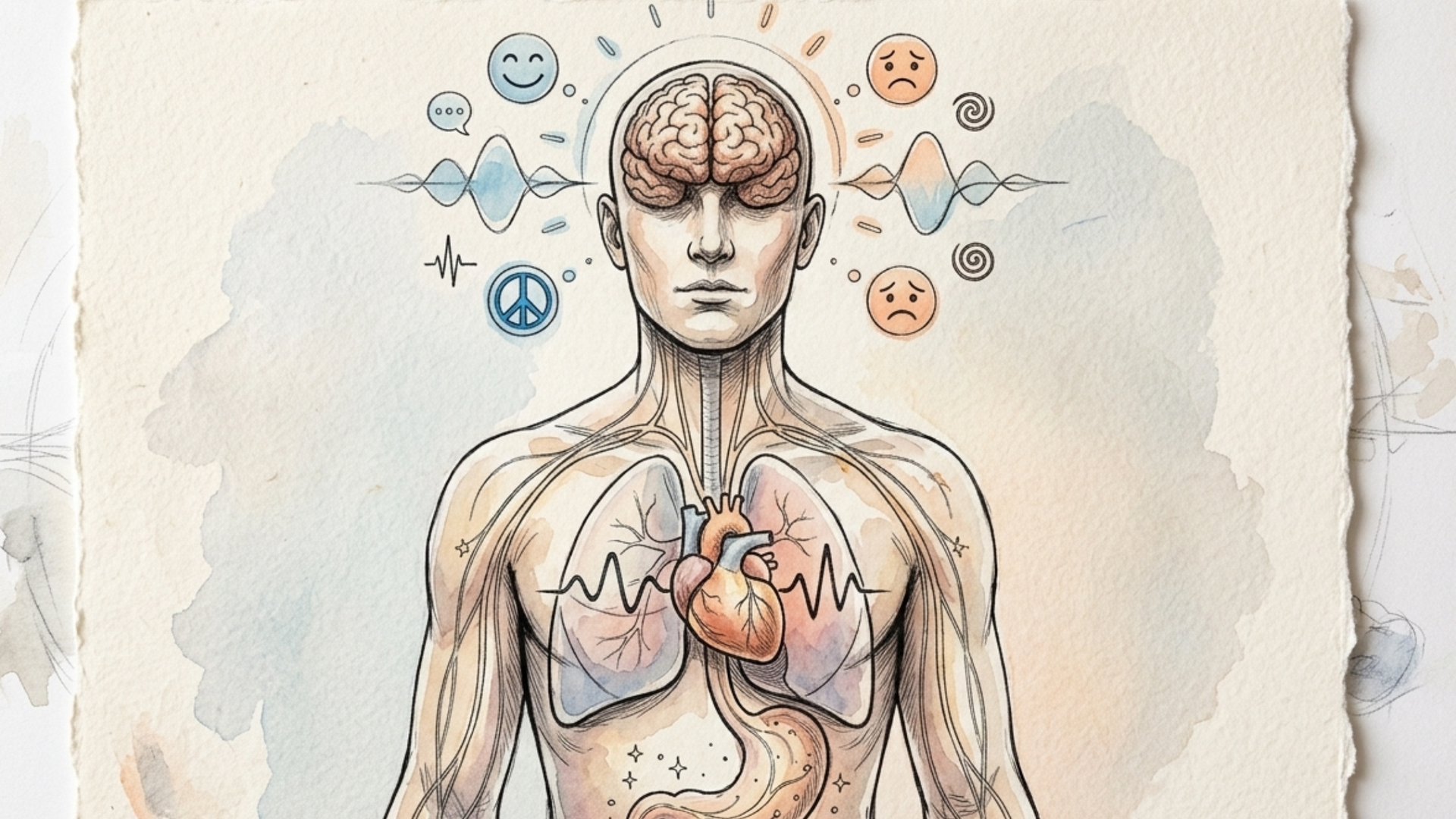
People with agoraphobia often fear situations where they might experience panic symptoms such as dizziness, shortness of breath, or a racing heart. The fear is usually connected to the concern that escaping the situation or getting help would be difficult or embarrassing.
As a result, individuals may begin to avoid certain environments or situations that trigger anxiety. Over time, this avoidance behavior can become more severe and may limit a person’s independence and daily activities.
Agoraphobia often develops after one or more panic attacks, where a person begins to associate specific places or situations with the possibility of experiencing another attack.
Common Situations That Trigger Agoraphobia
People with agoraphobia may fear a variety of situations, especially those where they feel trapped or unable to leave quickly. These situations commonly include:
- Using public transportation such as buses or trains
- Being in crowded places like shopping malls or stadiums
- Standing in long lines
- Being in enclosed spaces such as elevators or movie theaters
- Being outside the home alone
In severe cases, individuals may feel safe only when they are at home or accompanied by someone they trust.
Symptoms of Agoraphobia
Agoraphobia involves both emotional and physical symptoms. The intensity of symptoms can vary depending on the person and the situation.
Emotional and Psychological Symptoms
- Intense fear of certain places or situations
- Anxiety about leaving home alone
- Fear of losing control or experiencing panic in public
- Strong desire to avoid anxiety-triggering situations
Physical Symptoms
When confronted with feared situations, individuals may experience symptoms similar to a panic attack, including:
- Rapid heartbeat
- Shortness of breath
- Dizziness or lightheadedness
- Sweating
- Nausea
- Trembling
These physical symptoms can increase the individual’s fear and reinforce avoidance behavior.
Causes of Agoraphobia
The exact cause of agoraphobia is not fully understood, but several factors may contribute to its development.
Panic Disorder
Many individuals with agoraphobia also experience panic disorder, which involves recurring panic attacks. Fear of having another panic attack in public can lead to avoidance of certain places.
Stressful or Traumatic Experiences
Significant life stress, trauma, or negative experiences in public places may contribute to the development of agoraphobia.
Genetic and Biological Factors
Family history of anxiety disorders and certain biological factors may increase the likelihood of developing agoraphobia.
Personality and Environmental Factors
Individuals who are naturally more anxious or sensitive to stress may be more vulnerable to developing anxiety-related conditions.
Diagnosis
Agoraphobia is typically diagnosed by a mental health professional, such as a psychologist or psychiatrist. Diagnosis involves evaluating symptoms, personal history, and the impact of anxiety on daily functioning.
According to diagnostic guidelines, agoraphobia is usually identified when a person experiences intense fear in multiple types of situations and actively avoids them due to anxiety about being unable to escape or receive help.
Treatment Options
Agoraphobia is a treatable condition, and many people improve with appropriate support and therapy.
Cognitive Behavioral Therapy (CBT)
Cognitive behavioral therapy is one of the most effective treatments for agoraphobia. CBT helps individuals identify negative thought patterns and gradually face feared situations in a controlled and supportive way.
Exposure Therapy
Exposure therapy involves slowly and safely exposing individuals to the situations they fear. Over time, this process can reduce anxiety and help individuals regain confidence.
Medication
In some cases, healthcare professionals may prescribe medications such as antidepressants or anti-anxiety medications to help manage symptoms.
Lifestyle and Self-Help Strategies
Practices such as stress management, relaxation techniques, regular physical activity, and building supportive social connections can also help manage anxiety symptoms.
Living With Agoraphobia
Living with agoraphobia can be challenging, but many people successfully manage their symptoms with the right treatment and support. Gradual exposure to feared situations, combined with therapy and coping strategies, can help individuals regain independence and improve their quality of life.
Support from family, friends, and mental health professionals is often an important part of recovery.
Conclusion
Agoraphobia is an anxiety disorder characterized by intense fear of situations where escape might be difficult or help might not be available during a panic or anxiety episode. This fear can lead to avoidance of public places, travel, or leaving home.
Although agoraphobia can significantly affect daily life, effective treatments such as cognitive behavioral therapy, exposure therapy, and supportive strategies can help individuals manage symptoms and regain confidence in navigating everyday environments.
If you’re interested in supporting your mental well-being, take the quiz to get personalized supplement recommendations designed to support mood balance, stress resilience, focus, and overall cognitive health.
Frequently Asked Questions
What is agoraphobia in simple terms?
Agoraphobia is an anxiety disorder where a person feels intense fear of being in situations where escape might be difficult or help might not be available if they experience panic or distress.
Is agoraphobia only a fear of open spaces?
No. Although the name suggests a fear of open spaces, agoraphobia actually involves fear of many different situations, including crowded areas, public transportation, enclosed spaces, or being outside the home alone.
What causes agoraphobia?
Agoraphobia often develops after repeated panic attacks, but it can also be influenced by stress, traumatic experiences, genetic factors, or other anxiety disorders.
Can agoraphobia be treated?
Yes. Agoraphobia can be effectively treated through approaches such as cognitive behavioral therapy, exposure therapy, medication, and lifestyle strategies that help individuals manage anxiety and gradually face feared situations.