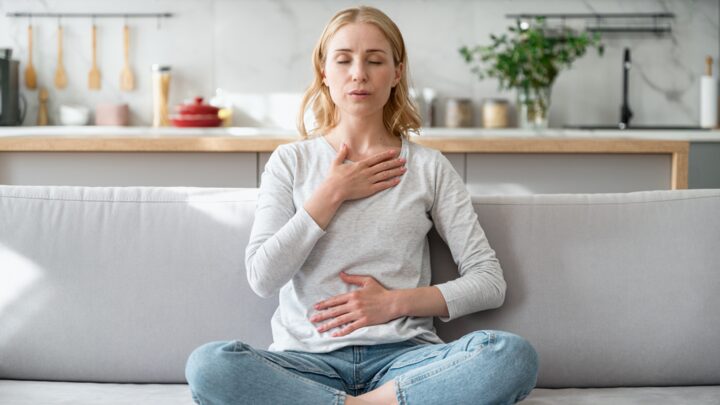

If you’ve ever felt your heart race, your chest tighten, or your thoughts spiral out of control, you’re not alone. When we feel anxious, our body’s stress response kicks in—fast breathing, a pounding heart, and muscle tension are just a few signs. Fortunately, One of the most powerful ways to interrupt this cycle is something you can do right now: take a deep breath.
This guide explores the best breathing techniques for anxiety—simple yet powerful tools to help you reduce stress, regulate emotions, and reconnect with your inner calm. Whether you’re looking for breathing exercises for anxiety to use daily or need a quick reset during stressful moments, these techniques will help you feel grounded and balanced.
Why Breathing Techniques Help Calm Stress and Anxiety (and How They Affect Your Nervous System)
When you experience anxiety, your body becomes hyperactive. Your breathing becomes shallow, your heart races, and your muscles tense up. This is the work of your sympathetic nervous system—also known as the “fight or flight” response. Designed to keep you safe in emergencies, but when it’s activated too often (like during chronic stress or anxiety), it can make you feel overwhelmed and out of control.
This is where breathing techniques come in.
Breathing and the Nervous System: What’s the Connection?
Your autonomic nervous system has two main branches:
- Sympathetic Nervous System (SNS): Triggers stress responses—fast breathing, increased heart rate, tension.
- Parasympathetic Nervous System (PNS): Activates your body’s relaxation response—slows the heart, relaxes the body, and restores calm.
Intentional breathing, especially slow, deep breaths, is one of the fastest ways to shift from the stress-driven SNS to the calming PNS. When you breathe in through your nose and lengthen your exhale, you send a signal to your brain and body: We’re safe now.
Why Deep Breathing Works
- Regulates the vagus nerve, which plays a central role in calming the body.
- Lowers cortisol (the stress hormone), reducing feelings of panic or tension.
- Slows heart rate and blood pressure, helping you feel more grounded.
- Increases oxygen flow to the brain, improving clarity and emotional control.
- Enhances heart rate variability (HRV), a marker of better stress resilience.
Techniques like box breathing and alternate nostril breathing are especially effective because they include breath retention and controlled exhales, both of which directly activate the parasympathetic nervous system.
The Vagus Nerve: Your Internal Calm Button
The vagus nerve is the longest cranial nerve in your body, connecting your brain to your heart, lungs, and digestive system. It plays a vital role in calming anxiety and regulating internal functions. When you engage in simple breathing practices, you stimulate this nerve—triggering a cascade of relaxation signals.
Research shows that breathing through your nose, especially with slow inhales and extended exhales, is more effective in stimulating the vagus nerve than mouth breathing.
1. Box Breathing (4-4-4-4 Method)
What it is: A highly structured and effective breathing technique often used by elite performers, military personnel, and mental health professionals to quickly reset the nervous system and regain focus.
How to do it:
- Breathe in through your nose for 4 seconds
- Hold your breath for 4 seconds
- Exhale slowly through your mouth for 4 seconds
- Hold again for 4 seconds
- Repeat this cycle for 4–6 rounds
Bonus Tip: As you practice, close your eyes to reduce distractions and place your left hand on your chest to feel the rise and fall of your breath.
Best time to use it: When your mind feels scattered, during a panic attack, or before a high-pressure situation.
Backed by research: A 2021 study in Frontiers in Psychology showed that slow-paced breathing, especially rhythmic styles like box breathing, significantly reduced cortisol levels and improved cognitive performance under stress.
2. 4-7-8 Breathing
What it is: A deeply calming technique that helps you reduce anxiety, slow racing thoughts, and prepare your body for rest. It lengthens the exhale, which is known to trigger the parasympathetic nervous system.
How to do it:
- Breathe in through your nose for 4 seconds
- Hold your breath for 7 seconds
- Exhale gently through your mouth for 8 seconds
- Repeat the process for 4–6 cycles
Best time to use it: At bedtime, after a stressful event, or when you feel mentally overwhelmed.
Backed by research: Research published in BMC Complementary Medicine and Therapies in 2017 confirmed that breathing with prolonged exhalation increases heart rate variability (HRV), a key marker of parasympathetic activation and stress reduction.
3. Diaphragmatic Breathing (Belly Breathing)
What it is: Also known as simple breathing, this technique encourages you to breathe deeply into your belly instead of your chest, reducing shallow breathing patterns often seen in people with anxiety.
How to do it:
- Sit or lie down comfortably
- Place your left hand on your chest and right hand on your belly
- Breathe in through your nose and feel your belly rise (your chest should remain still)
- Exhale through your mouth, feeling your belly fall
- Focus on the rise and fall of your belly for 5–10 minutes
Best time to use it: Use daily to retrain your natural breathing and reduce baseline anxiety.
Backed by research: A 2017 randomized study in Psychiatry Investigation found that participants who practiced diaphragmatic breathing for 8 weeks significantly lowered their anxiety scores and increased their focus.
4. Alternate Nostril Breathing (Nadi Shodhana)
What it is: A traditional yogic breathing practice that balances the two hemispheres of the brain and calms the nervous system. Commonly practiced in meditation and yoga to promote mental clarity and relaxation.
How to do it:
- Sit comfortably and close your eyes
- Use your right thumb to close your right nostril and inhale through your left
- Close your left nostril with your ring finger, open the right, and exhale
- Inhale through the right nostril
- Close the right, open the left, and exhale
- Repeat this alternate nostril breathing cycle for several rounds
Best time to use it: During emotional overwhelm, before meditation, or when you need to improve mental clarity.
Backed by research: A 2013 study in the Journal of Clinical Psychology found that alternate nostril breathing significantly improved cognitive performance and reduced physiological signs of stress after just 15 minutes of practice.
5. Resonant Breathing (Coherent Breathing)
What it is: A breathing style that syncs your breath with your heart rhythm, optimizing physiological function and supporting emotional regulation.
How to do it:
- Breathe in through your nose for 5 seconds
- Exhale through your mouth for 5 seconds
- Continue for several minutes, aiming for 6 full breaths per minute
- Feel the rise and fall of your breath as you enter a calm state
Best time to use it: While meditating, journaling, or transitioning out of a stressful situation.
Backed by research: Studies have shown that resonant breathing (6 breaths per minute) increases HRV, improves mood, and enhances resilience to stress. One landmark study published in Applied Psychophysiology and Biofeedback confirmed that this method helps regulate the autonomic nervous system.
Pro Tips for Making Breathing Exercises for Anxiety Work
- Practice daily, even if you’re not feeling anxious, to train your body’s response system
- Pair your breathwork with aromatherapy, gentle stretching, or calming sounds
- Use breathing apps to keep track of your breath rhythm
- Try combining simple breathing with positive affirmations or journaling
- Always breathe in through your nose and exhale slowly—it’s more effective and naturally soothing
Final Thoughts: Breathe Into Calm
Whether you’re trying to calm anxiety, navigate daily stressors, or simply feel more in control of your emotions, these breathing techniques offer a free, powerful, and natural way to take back control. Over time, consistent practice strengthens your nervous system’s resilience, making it easier to stay grounded no matter what life throws your way.
Make these breathing exercises for anxiety part of your daily wellness ritual and watch as you begin to feel calmer, clearer, and more connected to yourself.
Take the Next Step
Looking to take your mental well-being a step further? Pair your breathwork with natural supplements designed to reduce anxiety and help you feel calm and in control.
👉 Take Our Quiz to find what your body truly needs
Frequently Asked Questions
What is the best breathing for anxiety?
One of the most effective breathing techniques for anxiety is box breathing (also known as the 4-4-4-4 method). It helps calm the nervous system by slowing your breath and promoting balance between inhale, hold, exhale, and hold again. Techniques like 4-7-8 breathing and diaphragmatic (belly) breathing are also proven to reduce stress by activating the parasympathetic nervous system.
What is the 5 5 5 method for anxiety?
The 5-5-5 method typically refers to resonant breathing, where you breathe in through your nose for 5 seconds, then exhale through your mouth for 5 seconds. This is repeated continuously to achieve a calming rhythm—about six breaths per minute—which helps regulate heart rate and reduce anxiety quickly.
Can anxiety cause shortness of breath?
Yes, anxiety can cause shortness of breath. When your body enters “fight or flight” mode, your breathing often becomes shallow and rapid, which can make you feel like you’re not getting enough air. Practicing slow, deep breathing helps reverse this response and brings your breath back under control.