
Understanding Vitamins for Stress and Anxiety
In today’s fast-paced world, stress and anxiety have become common issues impacting millions of individuals globally. As people seek effective ways to manage these conditions, there’s an increasing interest in natural and nutritional approaches. Among these, vitamins for stress and anxiety relief have gained significant attention for their potential benefits.
Vitamins and supplements are increasingly recognized as valuable tools in alleviating stress and anxiety. This approach is not only popular but is also supported by a growing body of research. Various studies suggest that certain vitamins can play a crucial role in reducing symptoms associated with these conditions. These findings are encouraging for those looking to manage stress and anxiety through natural means
Scientific research continues to explore the impact of vitamins on stress and anxiety. The evidence points to specific vitamins that can help modulate mood and improve overall mental well-being. This post aims to delve into the key vitamins that have shown promise in reducing stress and anxiety, offering insights based on empirical evidence and expert opinions.
The Purpose of This Post
The primary goal of this post is to highlight the vitamins that have demonstrated potential in alleviating stress and anxiety. By examining empirical evidence and insights from experts in the field, we aim to provide a comprehensive overview of how these vitamins can support mental health. Whether you’re looking to supplement your diet or explore natural alternatives, understanding the role of vitamins in stress and anxiety relief can be a crucial step towards better mental wellness.
As we explore the benefits of vitamins for stress and anxiety, it’s important to consider their integration into a holistic approach to mental health. While vitamins can be beneficial, they are most effective when combined with other lifestyle changes and stress management techniques. By taking a well-rounded approach, individuals can better manage stress and anxiety in their daily lives.
Micronutrient and Multivitamin Supplements
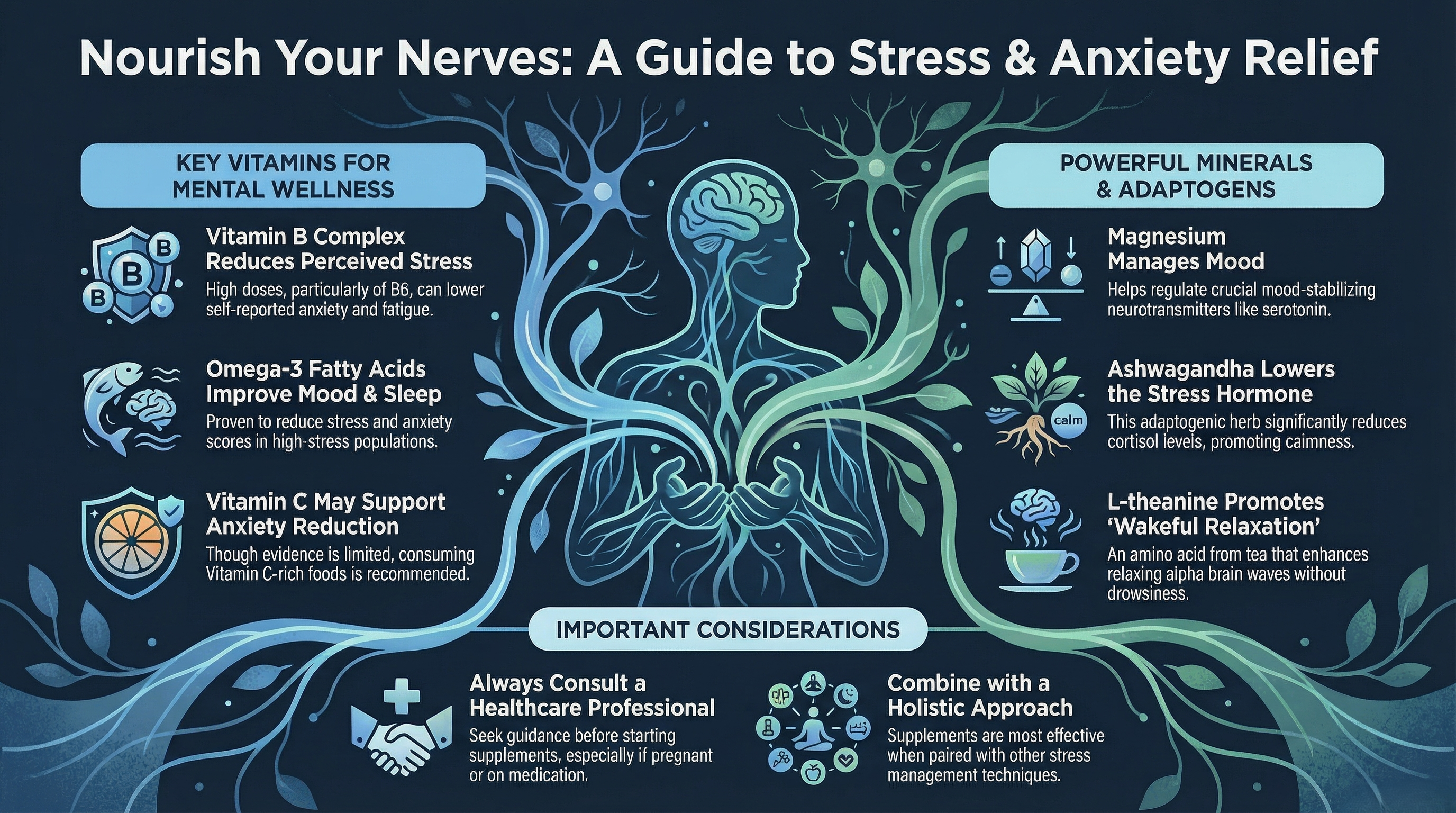
Recent research has shown that micronutrient and multivitamin supplements can play a significant role in alleviating stress and anxiety. Randomized, placebo-controlled trials and meta-analyses have highlighted the benefits of these supplements, particularly those rich in B vitamins. High doses of B vitamins have been found to reduce perceived stress, mild psychiatric symptoms, and anxiety in healthy adults. Additionally, these supplements can help decrease fatigue and confusion, which are often associated with stress and anxiety.
Strengths and Limitations of Current Research
While the evidence supporting the efficacy of multivitamin and micronutrient supplementation is strong, there are still questions about the optimal levels and best formulations. The strengths of current research lie in the consistent findings across various studies, emphasizing the positive impact of high-B-vitamin supplements on mood and stress relief. However, limitations include the variability in individual responses and the need for further research to determine the most effective combinations and dosages.
Vitamin B6 and B Complex
Vitamin B6 and B complex supplements have shown promising results in reducing anxiety. Clinical research indicates that high doses of Vitamin B6 can lower self-reported anxiety levels. The biological mechanisms behind this effect include enhanced GABAergic activity, which influences neurotransmitter balance in the brain. This mechanism is crucial, as it helps modulate mood and reduce anxiety symptoms.
Comparison with Conventional Medications
When compared to conventional medications, Vitamin B6 and B complex supplements offer a natural alternative with fewer side effects. While they may not be as potent as some pharmaceutical options, the appeal of these vitamins lies in their potential for dietary intervention and their role in managing chronic stress and anxiety. This makes them an attractive option for those seeking to avoid the side effects often associated with traditional medications.
Other Notable Vitamins & Nutritional Interventions
Omega-3 Fatty Acids
Omega-3 fatty acids have been extensively studied for their role in reducing stress, anxiety, and depression scores. Randomized trials have shown that omega-3 supplements can improve sleep and memory, particularly in high-stress populations. These benefits extend beyond mood modulation, offering broader well-being and cognitive enhancement.
Vitamin C
Although the evidence is limited, some studies suggest that Vitamin C may help lower anxiety levels. While more research is needed to confirm these findings, consuming fruits and vegetables rich in Vitamin C is a natural approach recommended by health authorities. This can be an effective way to support mental health while waiting for more conclusive evidence.
Incorporating these vitamins and nutritional interventions into a balanced diet can provide a natural boost to mental health. By understanding the role of vitamins like B6, omega-3, and Vitamin C, individuals can make informed decisions about their mental wellness strategies. It’s important to consult with healthcare professionals before starting any supplementation to ensure safe and effective use.
Minerals and Adaptogens for Stress and Anxiety Relief
Beyond vitamins, certain minerals and adaptogens are gaining recognition for their potential to alleviate stress and anxiety. These natural compounds offer unique benefits, often complementing the effects of vitamins.
Magnesium’s Role in Anxiety Management
Magnesium plays a crucial role in managing anxiety by regulating neurotransmitters like serotonin, which are vital for mood stabilization. Studies suggest that adequate magnesium intake can improve brain function and help reduce anxiety symptoms. It’s often recommended for those experiencing chronic stress, as it can help support overall mental well-being.
Ashwagandha: A Potent Adaptogen
Ashwagandha, an adaptogenic herb, has been extensively studied for its stress-relieving properties. Systematic reviews and clinical trials indicate that ashwagandha can significantly reduce stress and anxiety levels. Its effectiveness is attributed to its ability to lower cortisol levels, the hormone responsible for stress, thereby promoting a sense of calm and relaxation.
L-theanine and Relaxation
L-theanine, an amino acid found in tea leaves, has shown promising results in promoting relaxation and reducing anxiety. Small placebo-controlled trials have demonstrated its ability to enhance alpha brain wave activity, which is associated with a state of wakeful relaxation. This makes L-theanine a popular choice for those seeking a natural way to manage stress without drowsiness.
Incorporating these minerals and adaptogens into your routine can complement the benefits of vitamins for stress and anxiety. They offer a holistic approach to mental wellness, providing additional support for those looking to manage stress naturally.
Looking for the best option is pointless if it is not right for you.
Take the Cenario Quiz and get a personalized, science-backed recommendation in under 3 minutes.
Frequently Asked Questions
Which vitamins help with anxiety fast?
B vitamins and omega-3 supplements are known for their rapid effects in reducing anxiety symptoms. Studies suggest that they can help improve mood and mental clarity within a few weeks of supplementation.
Are there side effects of taking these vitamins?
While vitamins for stress and anxiety are generally safe, some individuals may experience mild side effects like digestive discomfort. It’s important to consult with a healthcare professional before starting any new supplement regimen to ensure it is appropriate for your individual health needs.
How fast do these vitamins work?
The timeframe for seeing results from vitamin supplementation can vary. Many people report improvements in stress and anxiety levels within a few weeks, though it may take longer for others depending on individual health factors and the specific vitamins taken.
Who should avoid these supplements?
Individuals with certain medical conditions, pregnant or breastfeeding women, and those taking specific medications should consult a healthcare provider before using these supplements to avoid potential interactions or adverse effects.