Depression is a complex mental health condition that affects mood, motivation, energy levels, sleep, cognition, and overall quality of life. It rarely has a single cause, and effective support often requires a multifaceted approach that addresses biological, psychological, and lifestyle-related factors. The Cenario Depression Knowledge Hub is built to help you understand depression in depth and explore evidence-based strategies that support long-term emotional resilience and mental wellbeing.
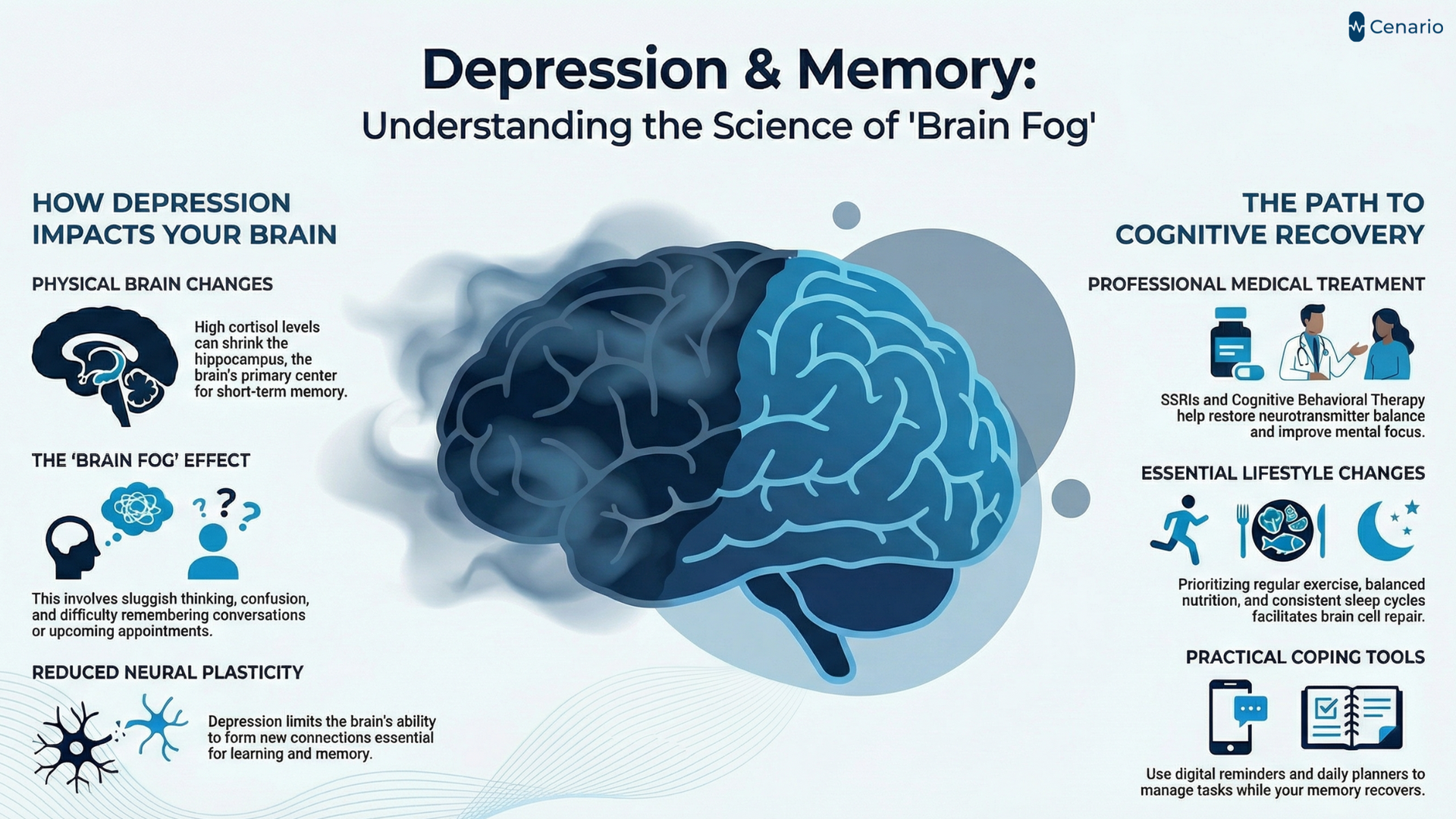
A central focus of this category is the biological side of depression, including how brain chemistry, inflammation, nutrient deficiencies, and chronic stress can influence depressive symptoms. We explain how imbalances in neurotransmitters such as serotonin, dopamine, and norepinephrine may contribute to low mood, emotional numbness, and reduced motivation. You will also find clear explanations of how hormonal factors, sleep disruption, and elevated stress hormones like cortisol can worsen depressive symptoms over time.
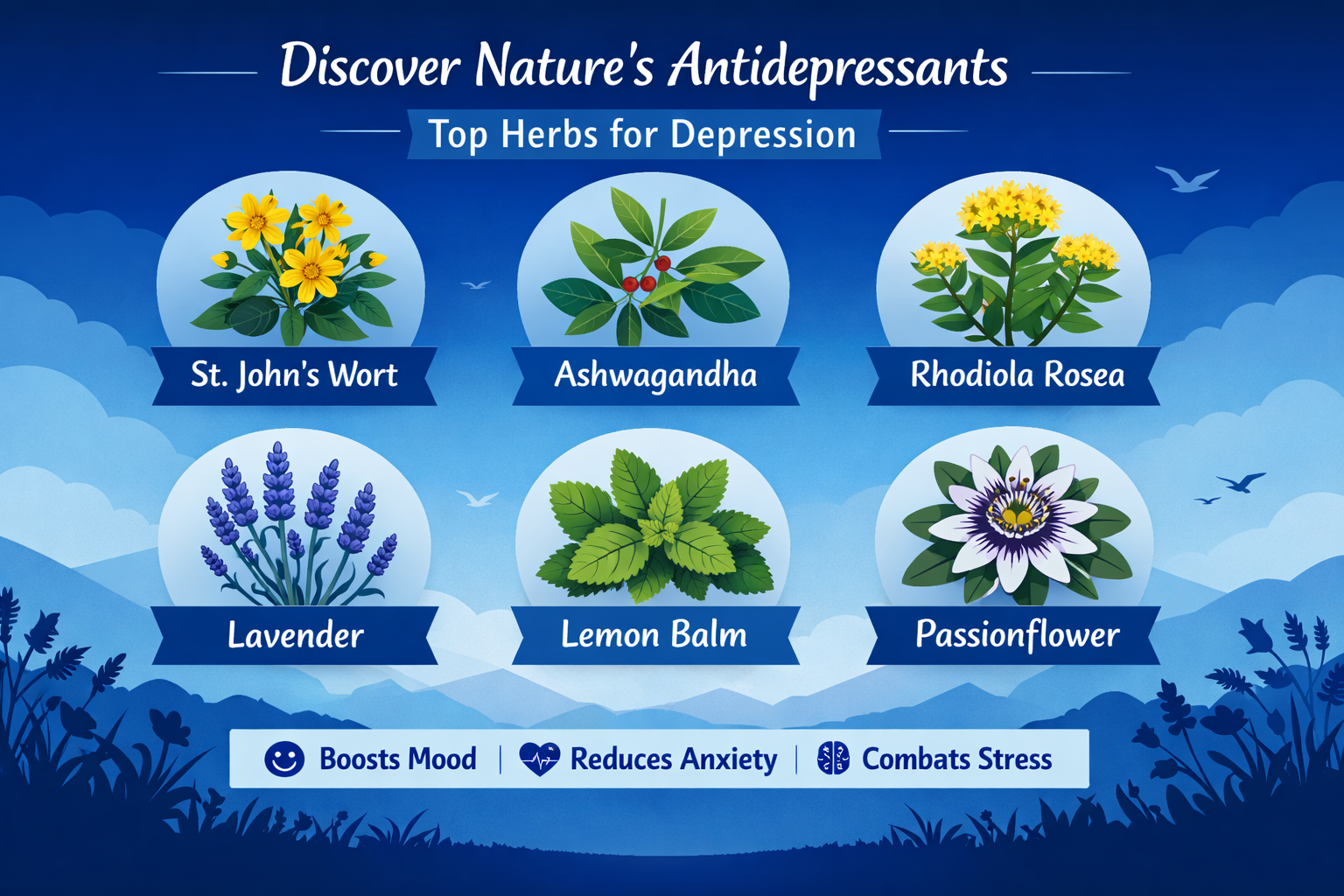
Nutrition and supplementation play an important role in many depression support strategies, but the landscape is crowded with misinformation. That is why we take a critical, evidence-first approach when discussing supplements for depression. Our in-depth guide to best supplements for depression: what works and what doesn’t evaluates commonly recommended options such as omega-3 fatty acids, B-complex vitamins, vitamin D, magnesium, SAMe, and herbal compounds, separating scientifically supported interventions from products that lack credible evidence.
For readers who are specifically looking for safer, more conservative options, we also cover safe natural supplements for depression. This resource focuses on supplements with a stronger safety profile and clearer usage guidelines, helping you understand which options may be appropriate to consider alongside lifestyle changes or professional care, and which require caution due to interactions or side effects.
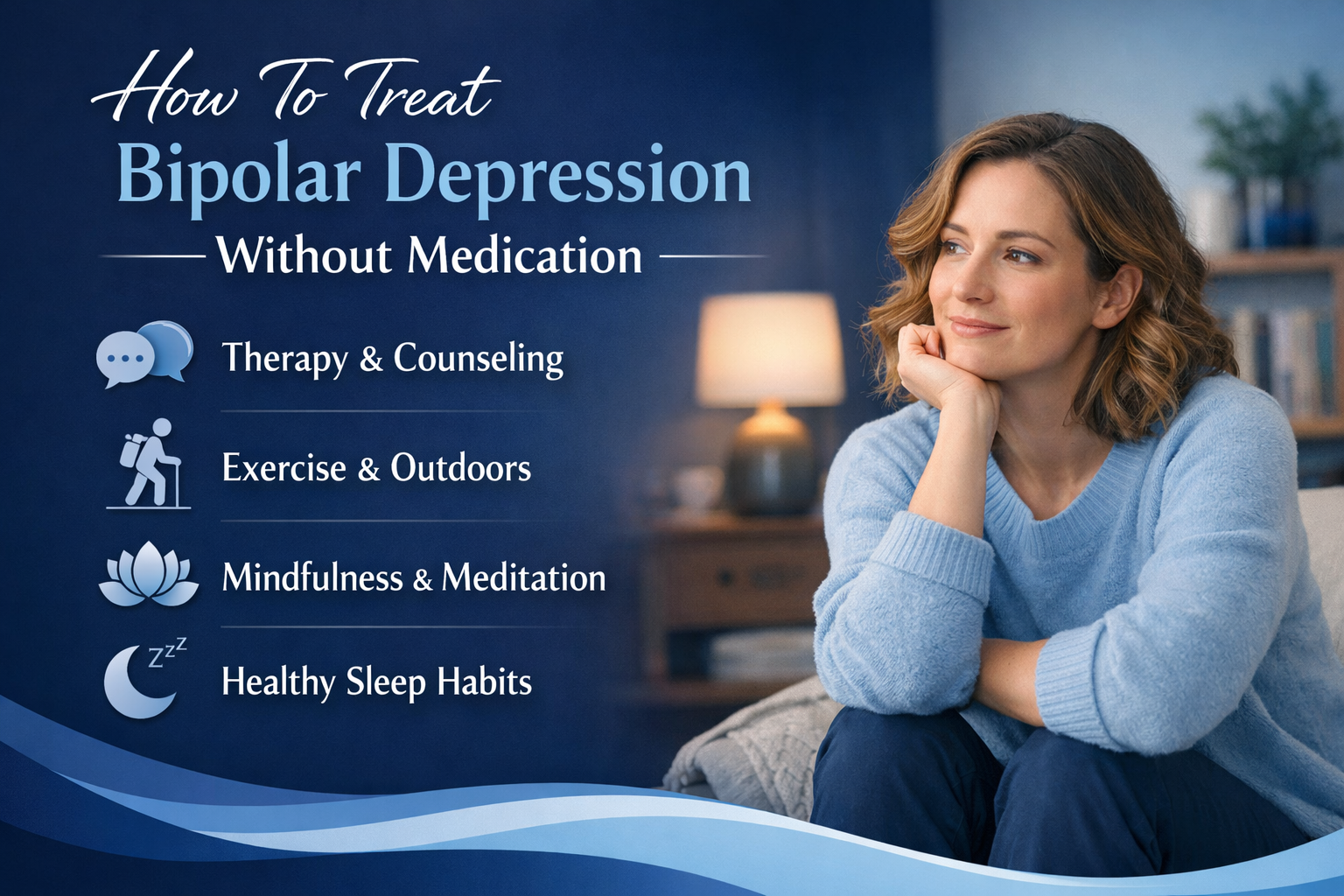
Beyond supplements, this category places strong emphasis on lifestyle and behavioral factors that influence depression. You will find content on how sleep quality, circadian rhythm alignment, physical activity, and dietary patterns can meaningfully impact mood and energy levels. We explain why consistent sleep routines, gentle exercise, and balanced nutrition can support brain health and emotional regulation, especially when depressive symptoms are persistent or recurrent.
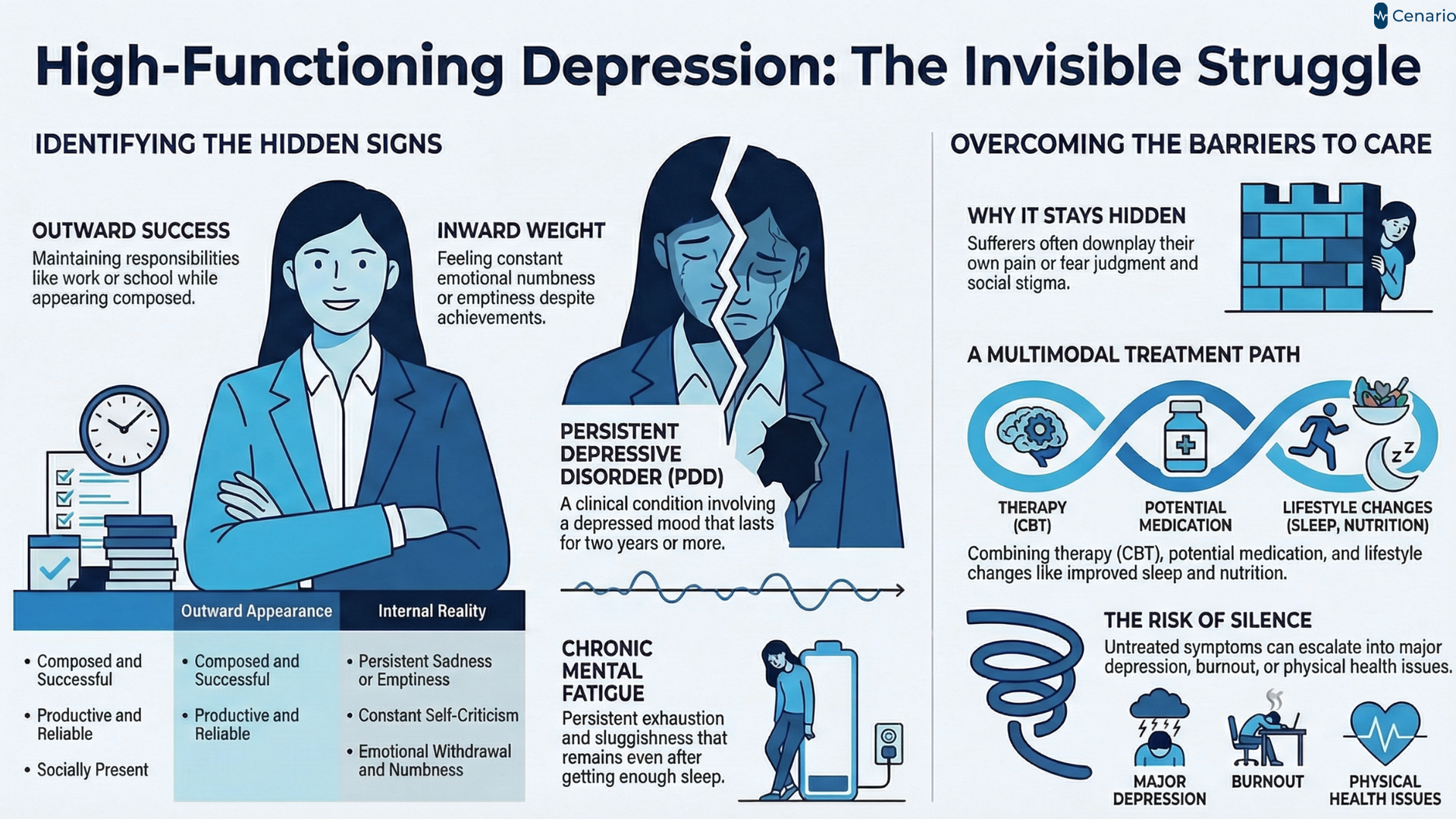
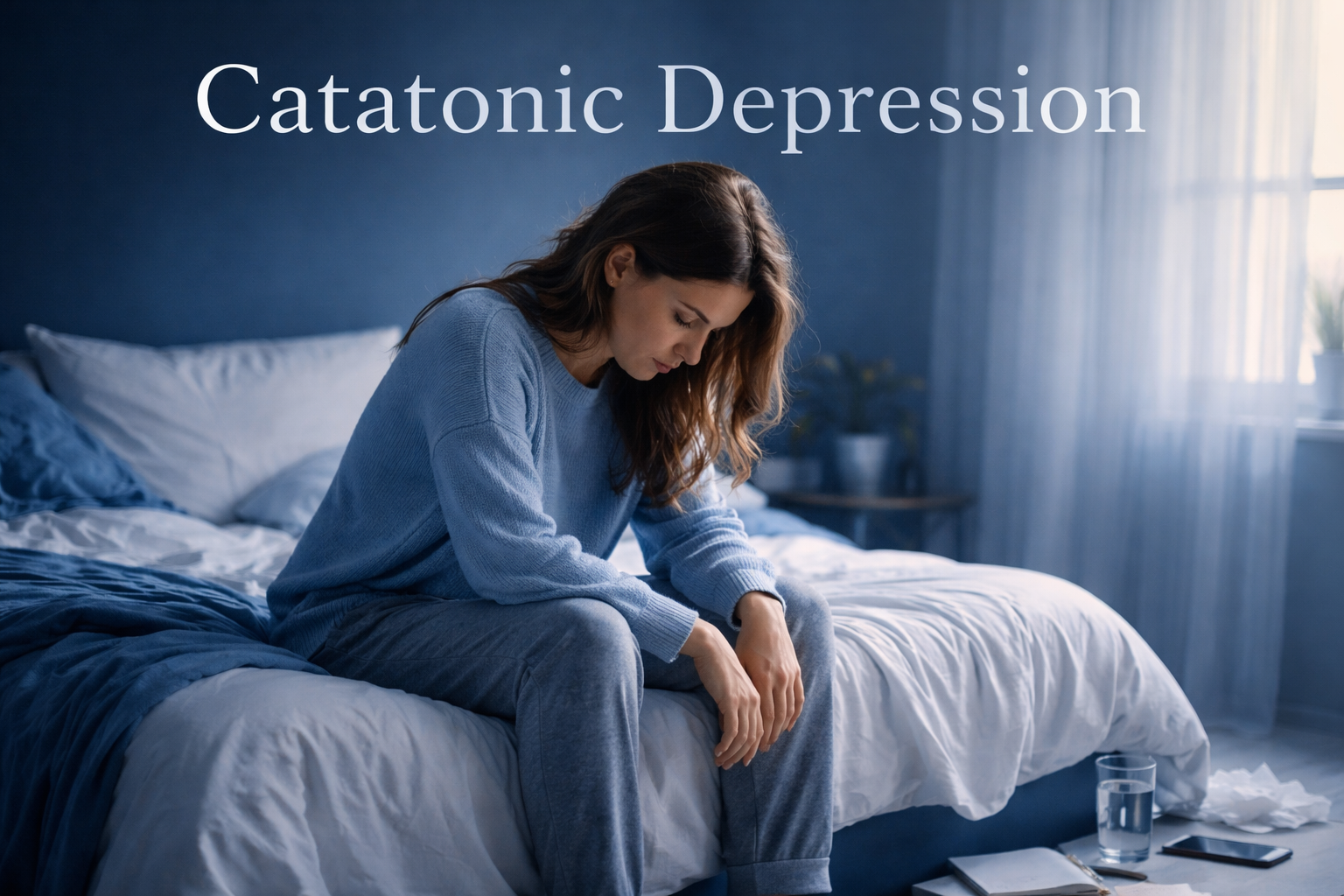
We also address the psychological and situational dimensions of depression. Our articles explore common symptoms such as persistent sadness, loss of interest, brain fog, fatigue, emotional blunting, and changes in appetite or sleep. You will find guidance on recognizing different forms of depression, including situational depression, seasonal patterns, postpartum mood changes, and atypical symptom profiles, helping you better understand what you are experiencing and why.
What defines the Depression category is specificity and practicality. Instead of vague encouragement, you will find targeted guidance that connects symptoms to potential underlying mechanisms. Examples include explaining why omega-3s may support mood in people with inflammation-related depression, or why certain micronutrients matter more when stress, poor sleep, or dietary gaps are present. Where relevant, we also discuss when self-guided strategies may not be enough and why professional support from a doctor or therapist can be an important part of recovery.
Throughout the Depression Knowledge Hub, related topics are intentionally linked to help you build a coherent understanding rather than consuming isolated advice. By combining nutritional science, lifestyle strategies, and clear explanations grounded in research, this category is designed to support informed decision-making and empower you to take meaningful steps toward improved mood, mental clarity, and emotional balance.