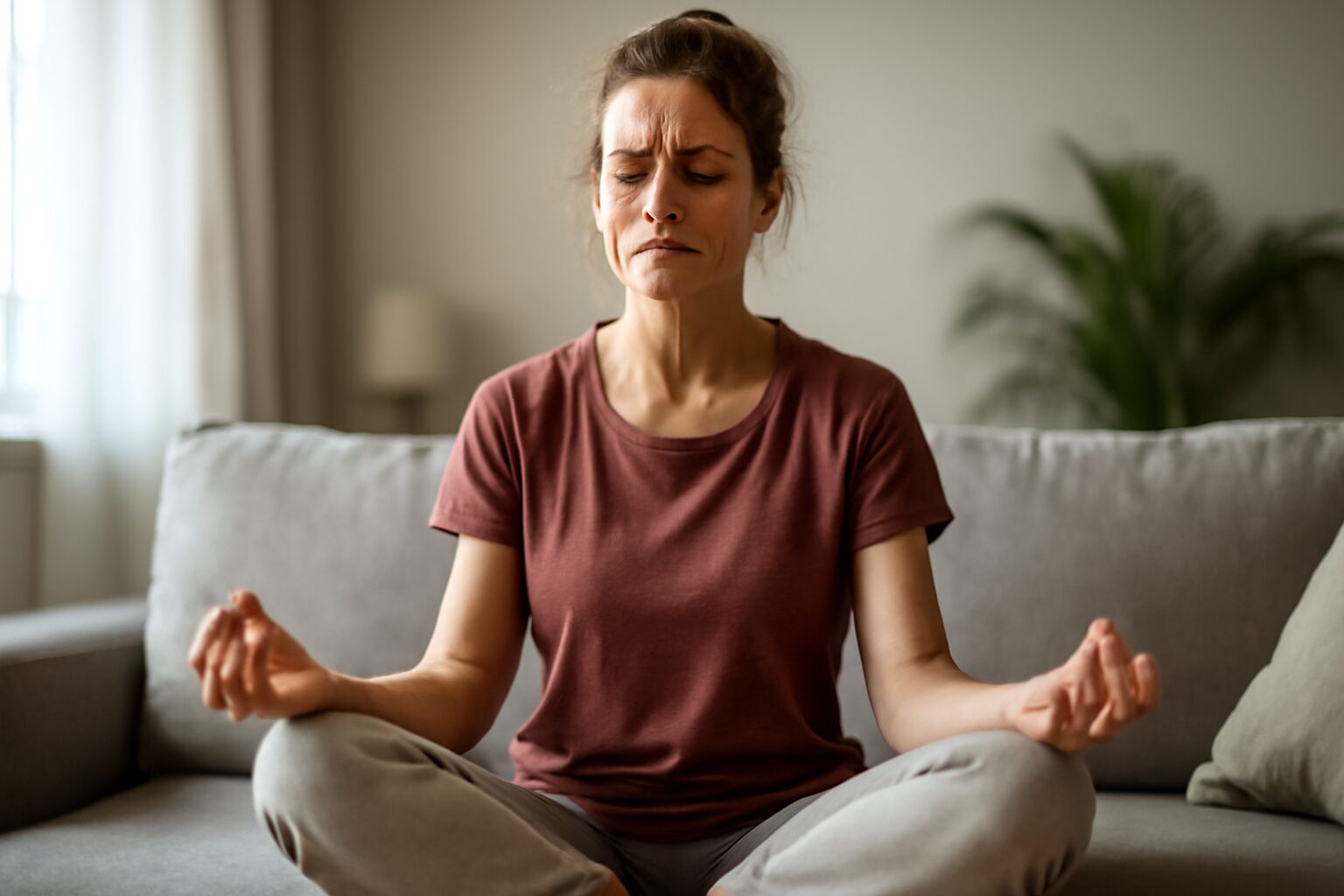

Ever Felt Your Mind Racing?
If you’ve ever felt your thoughts spiral out of control, leaving you restless and uneasy, you’re not alone. Anxiety has become one of the most common struggles in today’s busy world. It often shows up unexpectedly, disturbing our peace of mind and making it hard to focus or relax.
The good news is that there’s a simple and powerful practice that can help: mindful meditation. This centuries-old method is now backed by science and is being used worldwide to ease anxiety and improve mental well-being.
What Is Mindful Meditation?
Mindful meditation is about focusing on the present moment without judgment. Instead of trying to push away your thoughts or “clear your mind,” you learn to notice what you’re thinking and feeling without reacting. By observing your inner world calmly, you can step out of the cycle of worry and give your mind a break.
This practice helps create a sense of balance and peace. Over time, it can reduce anxiety, calm stress, and help you feel more grounded in daily life.
Why It’s Becoming So Popular
Mindful meditation has grown rapidly in popularity because it works and it’s accessible. You don’t need special equipment or years of training to get started. Even a few minutes a day can make a noticeable difference.
Scientific studies show that mindfulness can lower anxiety symptoms, improve mood, and even help the body handle stress better. By lowering stress hormones and improving emotional awareness, mindfulness gives you a natural way to care for both your mind and body.
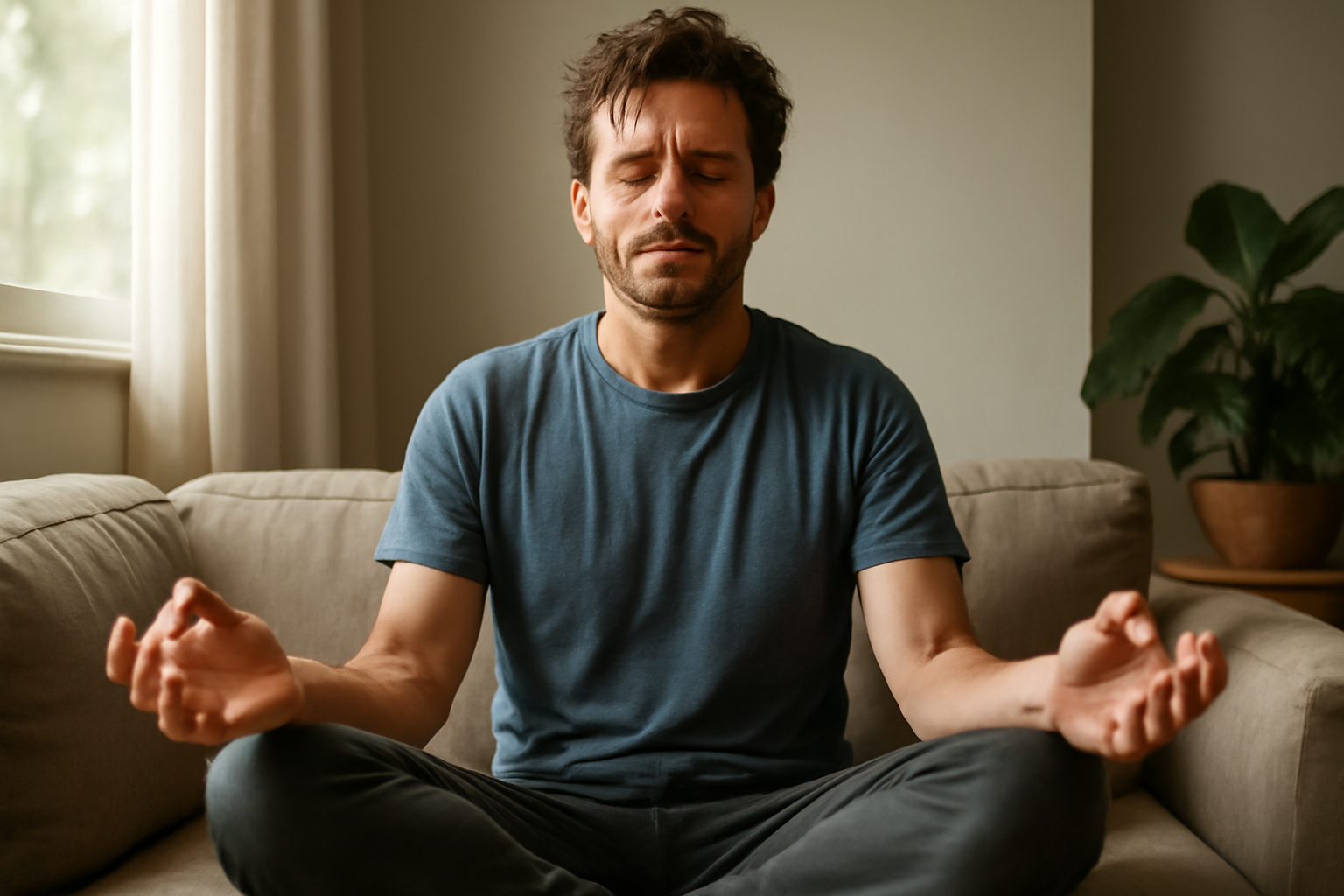
Why It’s Important to Manage Anxiety
Anxiety is one of the most common mental health issues worldwide, affecting millions of people. While therapy and medication are helpful, many people also turn to mindful meditation as a natural way to calm the mind and reduce stress.
Mindful meditation helps you notice your thoughts and feelings without judgment. This makes it easier to handle emotions, lower stress, and improve mood.
What Research Shows
Mindfulness has strong scientific support:
- A Georgetown University study found it lowers stress hormones and inflammation, both linked to anxiety.
- Harvard Health reports that mindfulness programs can ease anxiety, depression, and even pain.
- A JAMA Psychiatry study found mindfulness works as well as common anxiety medication (escitalopram).
By practicing mindfulness, you learn to watch your thoughts instead of being overwhelmed by them, which reduces anxiety’s hold.
Simple Ways to Start Mindfulness
- Start small: Try 3–5 minutes a day and build up slowly.
- Pick a quiet spot: Sit somewhere comfortable without distractions.
- Stay consistent: Practice at the same time each day, like mornings or before bed.
- Use guides: Apps like Headspace, Calm, or Insight Timer offer easy guided meditations.
- Even a few minutes daily can make a big difference for anxiety and overall well-being.
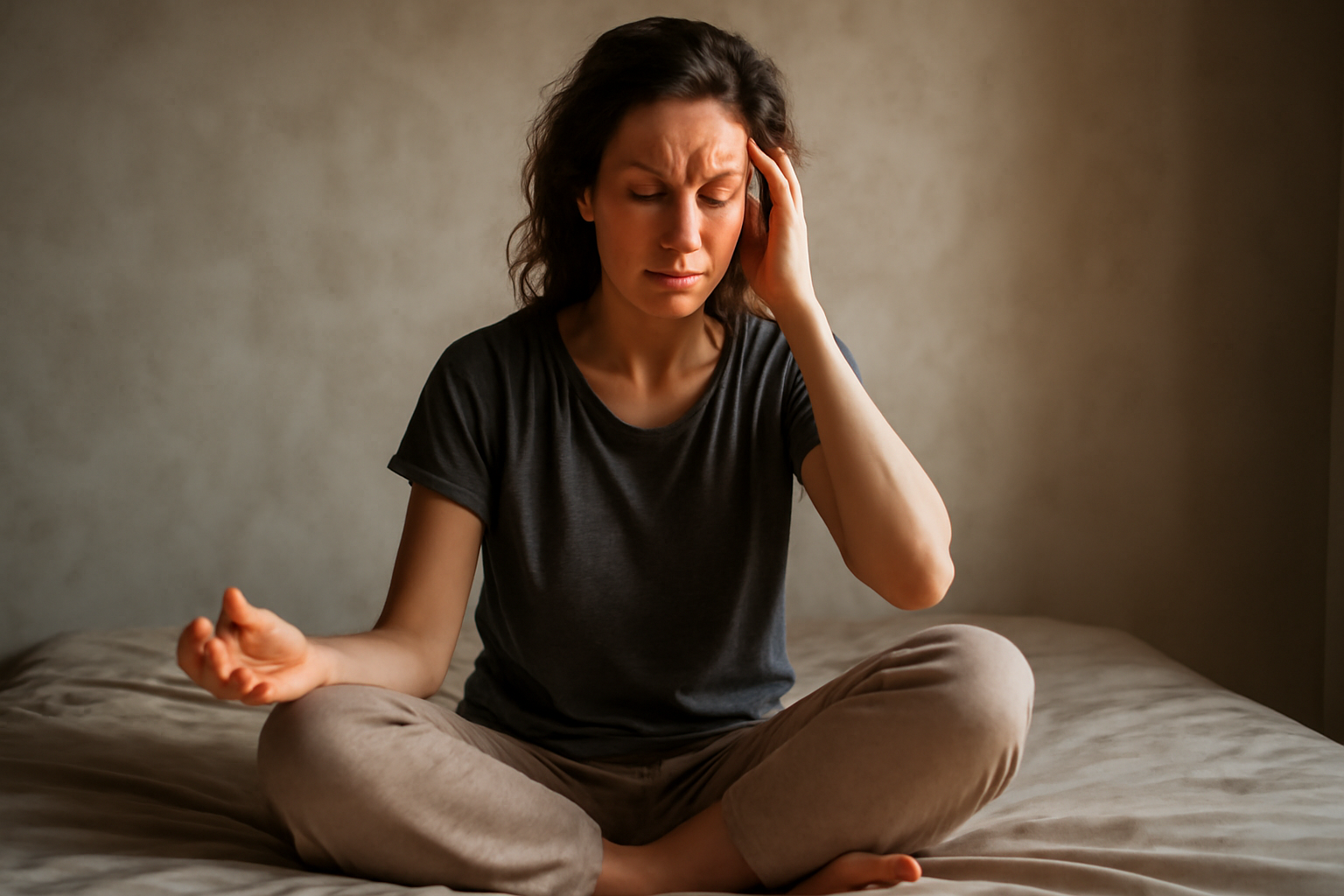
How Mindfulness Helps
The American Psychological Association (APA) explains that mindfulness meditation can actually change brain structure and improve emotional control. Programs like Mindfulness-Based Stress Reduction (MBSR) and Mindfulness-Based Cognitive Therapy (MBCT) teach people to understand their thoughts and feelings better, making them more resilient to stress and anxiety.
Consistency is key. Practicing regularly doesn’t just reduce anxiety it can also improve sleep, sharpen focus, and create a stronger sense of peace and balance in everyday life.
Beyond Anxiety Relief
Mindfulness does more than calm the mind in the moment. Studies show it helps people react to stress in healthier ways, lowering both emotional and physical stress responses. Research also suggests mindfulness can reduce severe symptoms like suicidal thoughts and build long-term resilience. By encouraging self-awareness and acceptance, mindfulness supports better mental health over time.
Digital Mindfulness
Technology has made mindfulness more accessible. While in-person programs are often deeper, digital tools like apps provide an easy way to get started. Headspace, Calm, and Insight Timer offer guided meditations and courses for different needs. These apps are not perfect replacements for traditional training, but they are practical, beginner-friendly tools that can fit into daily life.
Frequently Asked Questions
What is mindful meditation, and how is it different?
Mindful meditation focuses on being present and noticing thoughts and feelings without judgment. Unlike other practices that focus on specific goals, mindfulness is about gentle awareness of the moment.
How long until I see results?
Many people notice changes after about 8 weeks of regular practice. Consistency is more important than long sessions.
Can mindfulness replace medication?
Not on its own. For some, mindfulness works as well as certain medications, but it should be used with professional guidance, not as a substitute.
Which apps are best for beginners?
Apps like Headspace, Calm, and Insight Timer are popular and easy to use, offering guided sessions for all levels.
Is mindfulness safe for everyone?
Yes, for most people. Those with severe anxiety or other conditions should check with a healthcare professional to make sure it fits their overall treatment plan.