
Understanding Stress and Anxiety
In today’s fast-paced world, stress and anxiety have become common companions in our daily lives. Whether it’s due to work pressures, personal responsibilities, or global events, many individuals find themselves overwhelmed by these emotions. This has led to a growing interest in natural remedies as alternatives to pharmaceuticals, with many people seeking gentler, holistic approaches to managing their mental well-being.
Understanding Stress and Anxiety
Stress and anxiety manifest in various ways, from physical symptoms like headaches and fatigue to emotional signs such as irritability and restlessness. While these feelings are natural responses to challenging situations, chronic stress and anxiety can significantly impact one’s quality of life. As awareness of these issues rises, so does the curiosity about natural solutions that can offer relief without the side effects often associated with conventional medications.
The Role of Herbs
Herbs have long been used in traditional medicine to support mental health. They offer a natural way to manage stress and anxiety, appealing to those who prefer to explore plant-based options. Many readers are not only looking for information but are also interested in discovering products that they can incorporate into their wellness routines. This dual intent reflects a desire for both education and practical solutions.
The Power of Nature
The historical use of herbs in traditional medicine highlights their potential in promoting mental balance. Cultures around the world have relied on the calming effects of certain plants to soothe the mind and body. Today, this ancient wisdom is being revisited, with scientific research supporting the efficacy of specific herbs in reducing stress levels and balancing mood. By understanding which herbs can aid in calming the mind, individuals can make informed choices about incorporating these natural remedies into their lives.
In the sections that follow, we will explore some of the best herbs for stress and anxiety, delving into their benefits, preparation methods, and the scientific evidence supporting their use. Whether you’re seeking to enhance your mental clarity or simply looking for a way to unwind after a long day, these herbal allies can offer a gentle, supportive hand in your journey toward tranquility.
Top Herbs for Stress and Anxiety
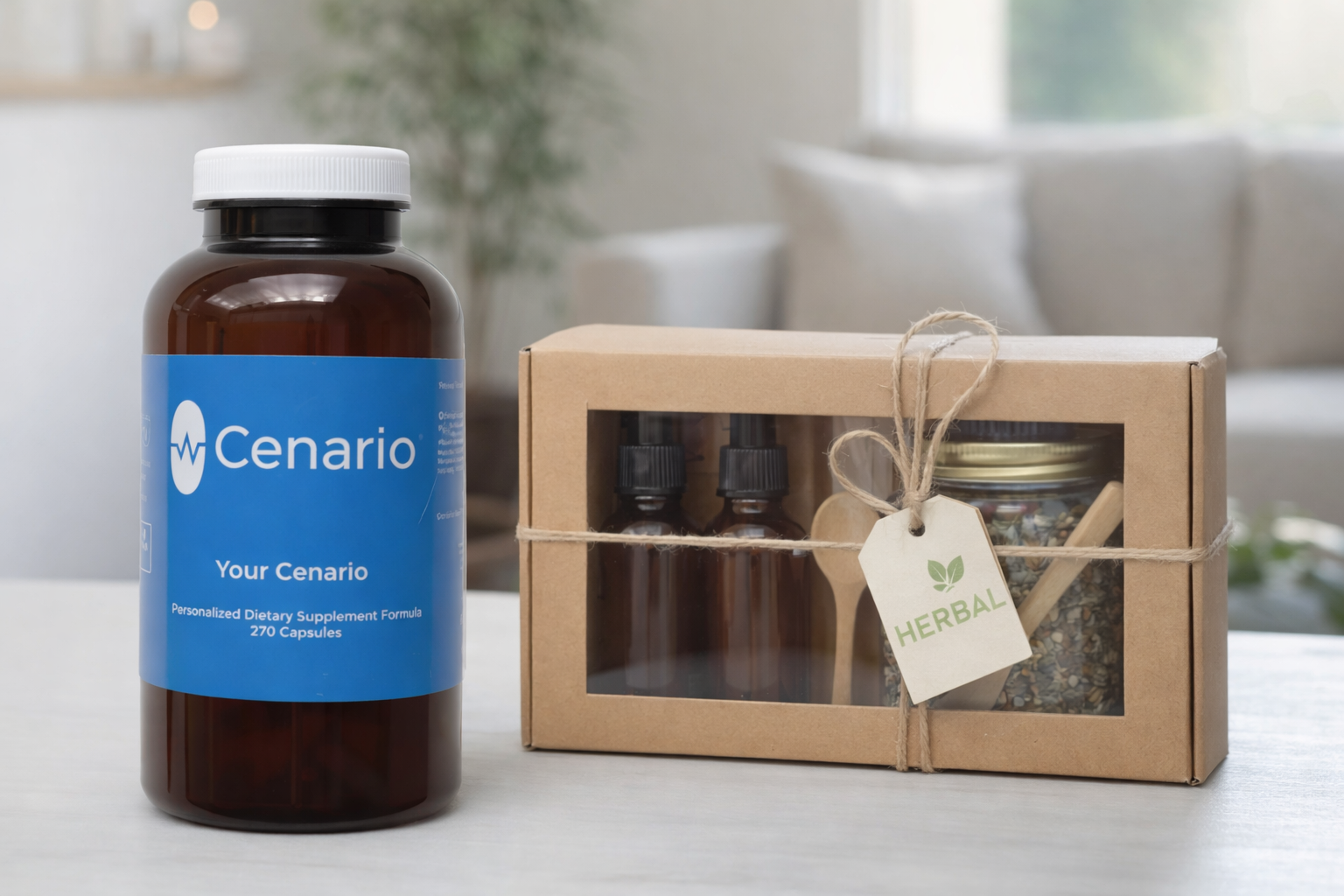
Ashwagandha: Adaptogenic Powerhouse
Ashwagandha is renowned for its adaptogenic properties, which help the body manage stress by reducing cortisol levels, the hormone often linked to stress. Regular intake of ashwagandha, typically around 600 mg daily, has been shown to significantly lower stress and anxiety levels. Scientific studies support its efficacy, demonstrating improvements in stress resilience and overall mental well-being.
Chamomile: Gentle Relaxation
Chamomile is celebrated for its calming effects, primarily due to the presence of apigenin, a compound that promotes relaxation. Commonly consumed as a tea, chamomile is a popular choice for easing anxiety and promoting restful sleep. Clinical trials have highlighted its effectiveness in reducing anxiety symptoms, making it a staple in natural stress relief.
Valerian Root: Nature’s Sedative
Valerian root is well-known for its sedative properties, often used to alleviate anxiety and improve sleep quality. Typically consumed as a supplement or tea, valerian root can help reduce the time it takes to fall asleep and enhance sleep quality. Although research results are mixed, many studies support its calming effects, particularly for those struggling with insomnia linked to anxiety.
Lavender: Aromatic Calm
Lavender offers anticonvulsant and antidepressant properties, making it a versatile herb for stress relief. Its essential oil is widely used in aromatherapy to soothe nerves and promote relaxation. Studies have shown that lavender can effectively reduce anxiety levels, whether used in teas or as an essential oil, making it a popular choice for calming the mind.
Lemon Balm: Daytime Tranquility
Lemon balm is a gentle herb often used for its calming effects without causing drowsiness, making it ideal for daytime use. It is commonly prepared as a tea or tincture. Scientific research supports its use in reducing anxiety and improving mood, providing a mild yet effective option for those seeking relief during the day.
Passionflower: Consistent Anxiety Relief
Passionflower is frequently mentioned for its ability to alleviate anxiety. It can be consumed as a tea or supplement, and its calming effects are supported by numerous research findings. Passionflower is particularly beneficial for those dealing with persistent anxiety, offering a natural way to achieve a more relaxed state.
Additional Herbs to Consider
Rhodiola: Combatting Burnout
Rhodiola is an adaptogen that helps combat burnout and mild anxiety. Often consumed in teas or supplements, it is known for enhancing mental clarity and reducing fatigue. Its ability to improve mood and reduce stress has been supported by various studies, making it a valuable addition to stress management routines.
Holy Basil (Tulsi): Balancing Cortisol
Holy basil, or tulsi, is revered for its adaptogenic properties, particularly in balancing cortisol levels. Commonly used in teas and tinctures, holy basil helps in managing stress and promoting mental clarity. Its inclusion in stress relief regimens is backed by traditional use and modern research.
Herbal Preparation Methods
Teas vs. Tinctures vs. Essential Oils
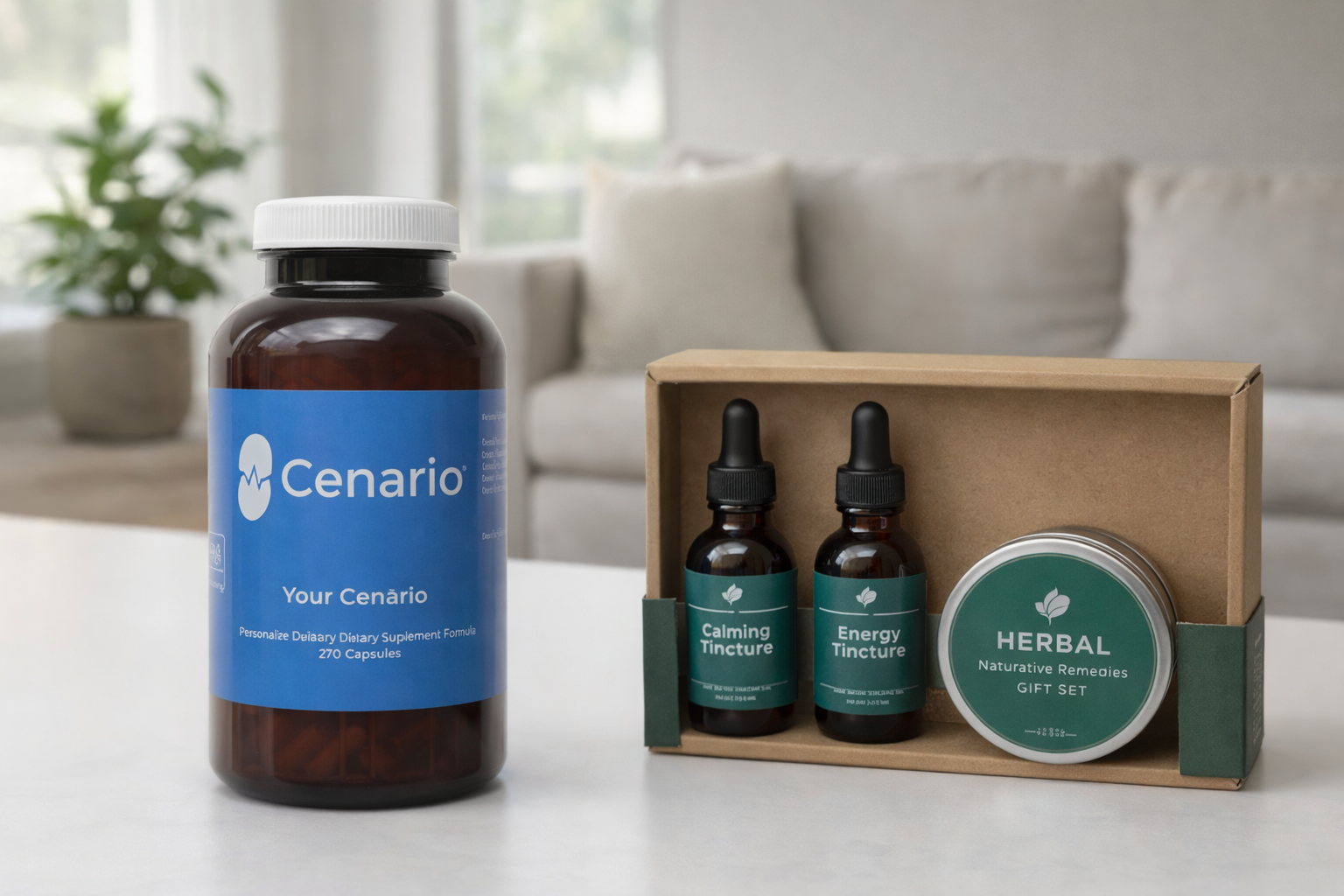
Understanding the different preparation methods for herbs can enhance their effectiveness. Teas are a simple way to enjoy the benefits of herbs like chamomile and lemon balm, offering a soothing ritual. Tinctures, which are alcohol-based extracts, provide a more concentrated form, ideal for herbs like ashwagandha and holy basil. Essential oils, particularly lavender, can be used in aromatherapy to quickly induce relaxation.
DIY Tips for Herbal Remedies
Creating your own herbal remedies at home can be both rewarding and cost-effective. Start by sourcing high-quality herbs, either fresh or dried. For teas, simply steep the herbs in hot water for several minutes. Tinctures require soaking herbs in alcohol for several weeks, while essential oils can be diffused or applied topically with a carrier oil. Experimenting with different methods allows you to find the best approach for your needs.
Safety and Contraindications
While herbs can offer natural relief from stress and anxiety, it’s crucial to consider potential side effects and interactions with medications. Some herbs may not be suitable for everyone, particularly pregnant women, nursing mothers, or individuals with specific health conditions. For instance, valerian root may cause drowsiness, and ashwagandha might interact with thyroid medications. It is always advisable to consult with a healthcare provider before introducing new herbs into your regimen, especially if you are currently taking prescription medications.
Combination Formulas for Enhanced Effects
Using synergistic combinations of herbs can enhance their stress-relieving effects. For example, pairing chamomile with lemon balm can provide a gentle calming effect suitable for daytime use, while combining valerian root with passionflower may be more effective for nighttime relaxation. These combinations can be consumed as teas or supplements, offering a balanced approach to managing stress and anxiety. Experimenting with different pairings can help you discover what works best for your unique needs.
Scientific Validity and Addressing Skepticism
The use of herbs for stress and anxiety is supported by a growing body of scientific evidence. However, skepticism remains due to varying study results and individual responses to herbal remedies. It’s important to rely on reputable sources and recent studies when evaluating the efficacy of these herbs. Clinical trials and meta-analyses provide valuable insights into how herbs like ashwagandha and chamomile can positively impact mental health. By staying informed and consulting with healthcare professionals, individuals can make educated decisions about incorporating herbs into their wellness routines.
Conclusion
Incorporating herbs into your daily routine can be a gentle and effective way to manage stress and anxiety. By understanding the benefits and preparation methods of herbs such as ashwagandha, chamomile, and valerian root, you can tailor your approach to suit your individual needs. Remember to consider potential interactions and consult with a healthcare provider to ensure safety. Embrace the calming power of nature and take a proactive step towards enhancing your mental well-being naturally.
Frequently Asked Questions
What is the best herb for anxiety?
The best herb for anxiety depends on individual needs and responses. Herbs like ashwagandha, chamomile, and valerian root are popular choices, each offering unique benefits. It’s important to try different herbs to find the one that works best for you.
Can I take these herbs with my current medication?
It’s crucial to consult with a healthcare provider before combining herbs with medications. Some herbs may interact with medications, potentially affecting their efficacy or causing adverse effects.
How long does it take for herbal remedies to work?
The timeframe for seeing results from herbal remedies can vary. Some individuals may notice effects within a few days, while others might take several weeks. Consistent use and individual factors, such as metabolism and severity of symptoms, play a role in effectiveness.
Are there any side effects to be aware of?
While herbs are generally safe, some may cause side effects like drowsiness or digestive issues. It’s important to start with a low dose and monitor your body’s response. Consult a healthcare provider if you experience any adverse effects.