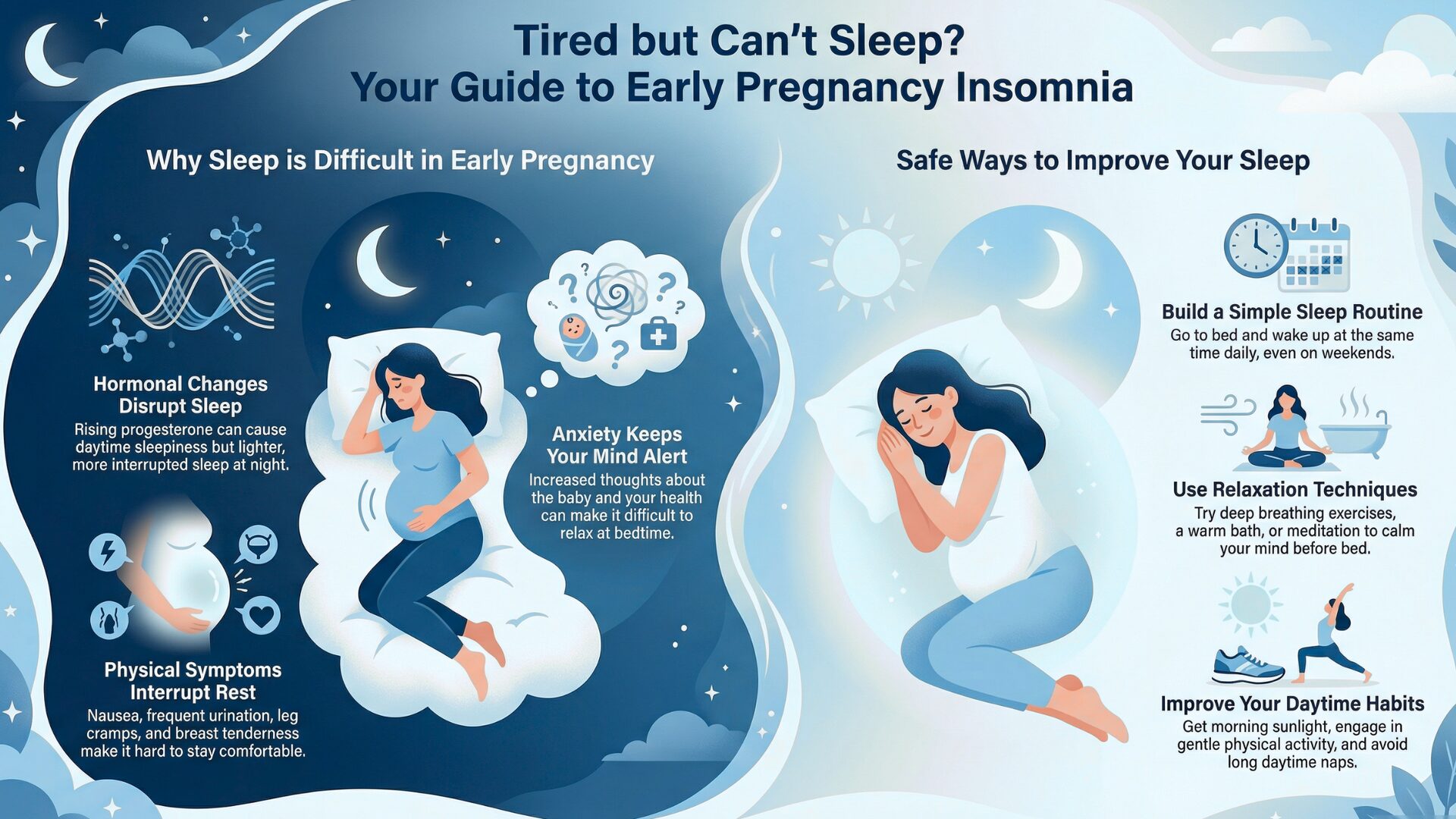
Insomnia is more than just trouble falling asleep. It is a complex, often chronic condition that affects cognitive performance, emotional regulation, hormone balance, immune function, and long-term mental health. The Cenario Insomnia Knowledge Hub is built for people who want to understand why their sleep is broken and how to restore deep, consistent sleep using evidence-based strategies rather than quick fixes.
A core focus of this category is sleep physiology. We break down how the sleep cycle works, including REM sleep, deep slow-wave sleep, circadian rhythm alignment, and nervous system regulation. Many cases of insomnia are driven by hyperarousal, elevated evening cortisol, poor melatonin signaling, or chronic sympathetic nervous system activation. Understanding these mechanisms explains why simply feeling tired does not automatically lead to falling asleep or staying asleep.
Beyond theory, this hub emphasizes practical, actionable solutions for improving sleep quality. You will find detailed guidance on sleep hygiene, bedtime routines, light exposure, temperature regulation, and behavioral changes that directly influence sleep onset and sleep maintenance. We address common insomnia patterns such as difficulty falling asleep, frequent nighttime awakenings, early morning waking, and non-restorative sleep, helping you identify which type of insomnia you are dealing with and how to target it effectively.
Nutrition and supplementation are another major pillar of our insomnia content. Many people turn to supplements out of frustration, yet few understand which options are supported by real evidence and which are unlikely to help long term. Our in-depth guide to natural sleep aids that truly work explains which compounds have meaningful effects on sleep latency, sleep depth, and nervous system calming, and which products are largely driven by marketing. We cover ingredients such as magnesium, glycine, L-theanine, valerian root, and melatonin alternatives, with clear explanations of mechanisms, dosing considerations, and who they are best suited for.
Magnesium deserves special attention in the context of sleep, and this category explores it in depth. Not all forms of magnesium affect sleep in the same way, and choosing the wrong type often leads to disappointing results. Our detailed breakdown of magnesium for sleep, including forms, mechanisms, evidence, and stacking strategies explains the differences between magnesium glycinate, threonate, citrate, and oxide, how they influence GABA signaling and muscle relaxation, and how to build effective stacks without unnecessary overlap.
We also address lifestyle and environmental contributors to insomnia, including stress load, late-night cognitive stimulation, blood sugar instability, caffeine sensitivity, and irregular sleep schedules. For people with demanding jobs, shift work, or frequent travel, we provide strategies to protect circadian rhythm integrity and reduce sleep disruption over time.
Throughout the Insomnia Knowledge Hub, topics are intentionally connected to help you build a complete mental model of sleep rather than chasing isolated tips. Articles link sleep problems to stress physiology, anxiety, mood regulation, and recovery, reflecting the reality that insomnia rarely exists in isolation. Whether you are dealing with occasional sleepless nights or long-standing chronic insomnia, this category is designed to guide you from understanding to sustainable action.
Every article in this hub prioritizes clarity, scientific accuracy, and real-world applicability. By combining sleep science, behavioral strategies, and carefully evaluated natural interventions, the Cenario Insomnia Knowledge Hub serves as a reliable reference for anyone looking to fall asleep faster, sleep deeper, and wake up genuinely restored.