
Anxiety is a prevalent mental health concern that affects millions of people worldwide. It manifests in various forms, from general unease to severe panic attacks, impacting daily life and overall well-being. With the increasing awareness and acceptance of mental health issues, many individuals are seeking natural remedies to manage their symptoms. Among these, l-theanine has emerged as a popular choice due to its potential calming effects without causing sedation.
Understanding L-Theanine
L-theanine is an amino acid predominantly found in tea leaves, especially green tea. It is celebrated for its ability to promote relaxation and reduce stress without the drowsiness associated with other calming agents. This natural compound has gained attention not only for its soothing properties but also for its role in enhancing focus and cognitive performance.
The Importance of Dosage
While l-theanine is generally considered safe, understanding the correct dosage is crucial to maximizing its benefits for anxiety relief. The right dosage can enhance its calming effects, while also ensuring safety and efficacy. This blog post will delve into the optimal l-theanine dosage for anxiety relief, supported by scientific research and clinical evidence.
Scientific studies have shown that a 200 mg dose of l-theanine is commonly recommended for anxiety relief. This dosage has been associated with increased alpha brainwave activity, which is linked to a state of relaxed alertness. By promoting this brainwave activity, l-theanine helps reduce stress responses and fosters a sense of calm.
In the sections that follow, we will explore the evidence supporting this dosage, compare it with natural sources of l-theanine, and discuss its safety profile. Understanding these aspects will help you make informed decisions about incorporating l-theanine into your anxiety management routine.
Effective Dosage for Anxiety Relief
When it comes to finding the optimal l-theanine dosage for anxiety relief, research consistently points to a 200 mg dose as the most effective. This amount has been shown to significantly increase alpha brainwave activity, which is associated with a state of relaxed alertness. By enhancing this brainwave activity, l-theanine helps reduce stress responses, fostering a calm and focused mental state.
Clinical Evidence Supporting L-Theanine
Several clinical studies have reinforced the efficacy of a 200 mg dose of l-theanine for anxiety relief. One notable study was a randomized, triple-blind placebo-controlled trial that demonstrated significant reductions in anxiety levels with this dosage. Participants not only experienced reduced stress responses but also reported improved relaxation without sedation.
Another key study found that taking 200 mg of l-theanine daily over four weeks led to a decrease in both depression and anxiety scores. Participants also noted improvements in sleep quality, highlighting l-theanine’s potential benefits beyond mere anxiety relief.
Comparison with Natural Sources
For those who prefer natural sources of l-theanine, it’s interesting to note that a typical 12 oz serving of tea contains between 153 mg and 382 mg of this amino acid. This makes regular tea consumption a viable way to complement l-theanine supplementation. However, achieving the precise 200 mg dose through tea alone can be inconsistent due to variations in l-theanine content among different tea types and brewing methods.
Safety and Tolerance
The safety profile of l-theanine is well-documented, with studies supporting its use at doses ranging from 100 mg to 400 mg. These studies report no significant adverse events, reinforcing the safety of l-theanine even at higher doses. This broad range not only aids in anxiety reduction but also improves attention and reduces mind wandering, making it a versatile supplement for mental well-being.
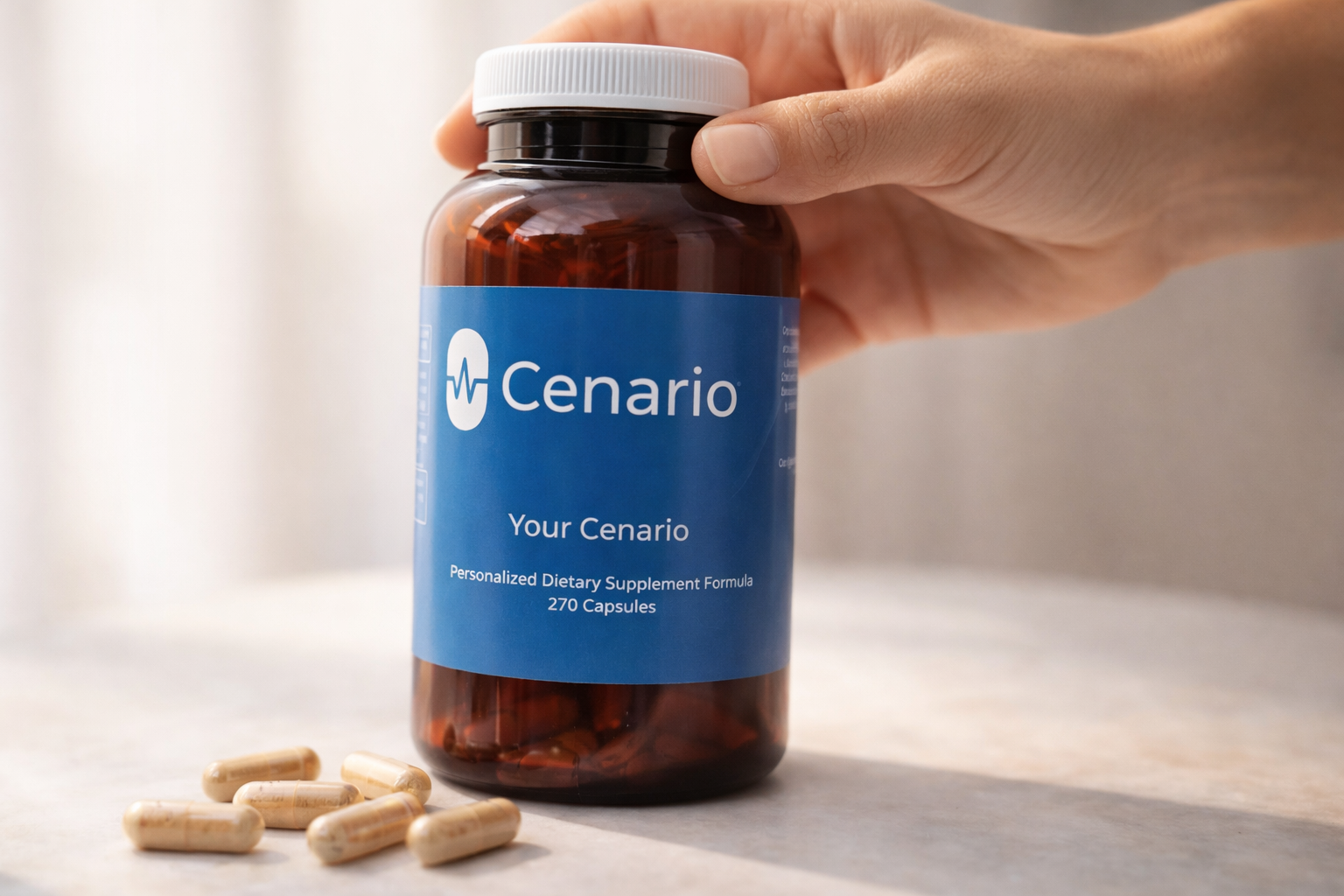
Overall, a 200 mg dose of l-theanine is widely regarded as a safe and effective starting point for anxiety relief among healthy adults. However, individuals with clinical anxiety disorders should consult healthcare professionals for personalized advice, especially when considering long-term use.
Practical Dosing Advice
For those considering l-theanine supplementation, understanding how and when to take it is crucial. A single 200 mg dose can be effective for acute stress relief, while ongoing supplementation can support long-term anxiety management. Incorporating l-theanine into your routine can be as simple as taking it with a morning beverage or as part of a daily supplement regimen.
It’s also beneficial to compare l-theanine supplements with tea consumption to understand the potential intake from each source. While tea provides a natural and enjoyable way to consume l-theanine, supplements offer precision and consistency, which can be advantageous for those seeking specific dosage levels.
Considerations for Specific Populations
While l-theanine is generally safe for healthy adults, those with clinical anxiety disorders or other health conditions should seek professional medical advice before starting supplementation. Additionally, more research is needed to fully understand the long-term efficacy of l-theanine in clinical anxiety populations, making professional guidance essential for these individuals.
By understanding the effective dosage, clinical evidence, and safety considerations, you can make informed decisions about incorporating l-theanine into your anxiety management strategy. Whether through supplementation or natural sources like tea, l-theanine offers a promising path to enhanced relaxation and reduced anxiety.
Practical Dosing Advice for L-Theanine
When considering l-theanine dosage for anxiety relief, it is essential to understand both the timing and method of consumption. For acute stress situations, a single 200 mg dose taken when needed can provide effective relief. For ongoing anxiety management, incorporating l-theanine into a daily routine can be beneficial. This can be achieved through supplements, which offer precise dosing, or through regular tea consumption, which naturally contains l-theanine.
For those who prefer a natural approach, consuming green tea or other l-theanine-rich teas can complement supplementation. However, keep in mind that the l-theanine content in tea can vary significantly depending on the type and brewing method, making supplements a more consistent option for achieving the desired dosage.
Considerations for Specific Populations
While a 200 mg dose of l-theanine is generally safe for healthy adults, individuals with clinical anxiety disorders or other health conditions should consult a healthcare professional before starting supplementation. This is particularly important for those considering long-term use, as more research is needed to fully understand the effects of prolonged l-theanine intake in these populations.
Additionally, pregnant or breastfeeding women, as well as individuals taking other medications, should seek medical advice to ensure there are no potential interactions or contraindications.
Still unsure what to take?
Answer a few questions and get a personalized supplement recommendation instantly. Take Cenario quiz now!
Quiz
Frequently Asked Questions
What is l-theanine?
L-theanine is an amino acid found in tea leaves, known for its calming effects without causing drowsiness. It is often used to promote relaxation and reduce anxiety.
How does l-theanine reduce anxiety?
L-theanine increases alpha brainwave activity, which promotes relaxation and reduces stress responses, helping to alleviate anxiety symptoms.
What is the optimal dosage for anxiety relief?
Most studies recommend a 200 mg dose of l-theanine, either as a single dose for acute stress or as a daily supplement for ongoing anxiety management.
Is l-theanine safe?
Yes, l-theanine is generally well-tolerated at doses up to 400 mg, with no significant adverse effects reported in most studies.
Can I get enough l-theanine from tea alone?
A typical serving of tea contains between 153 mg and 382 mg of l-theanine, so regular consumption can help supplement your intake, though achieving precise doses may require additional supplementation.
Conclusion
L-theanine offers a natural and effective option for anxiety relief, with a recommended dosage of 200 mg providing significant benefits. Whether through supplements or natural sources like tea, incorporating l-theanine into your routine can enhance relaxation and reduce stress. Always consult with a healthcare professional, especially if you have specific health conditions or are considering long-term use. Embrace l-theanine as part of a holistic approach to managing anxiety, and take the first step towards a calmer, more balanced life.