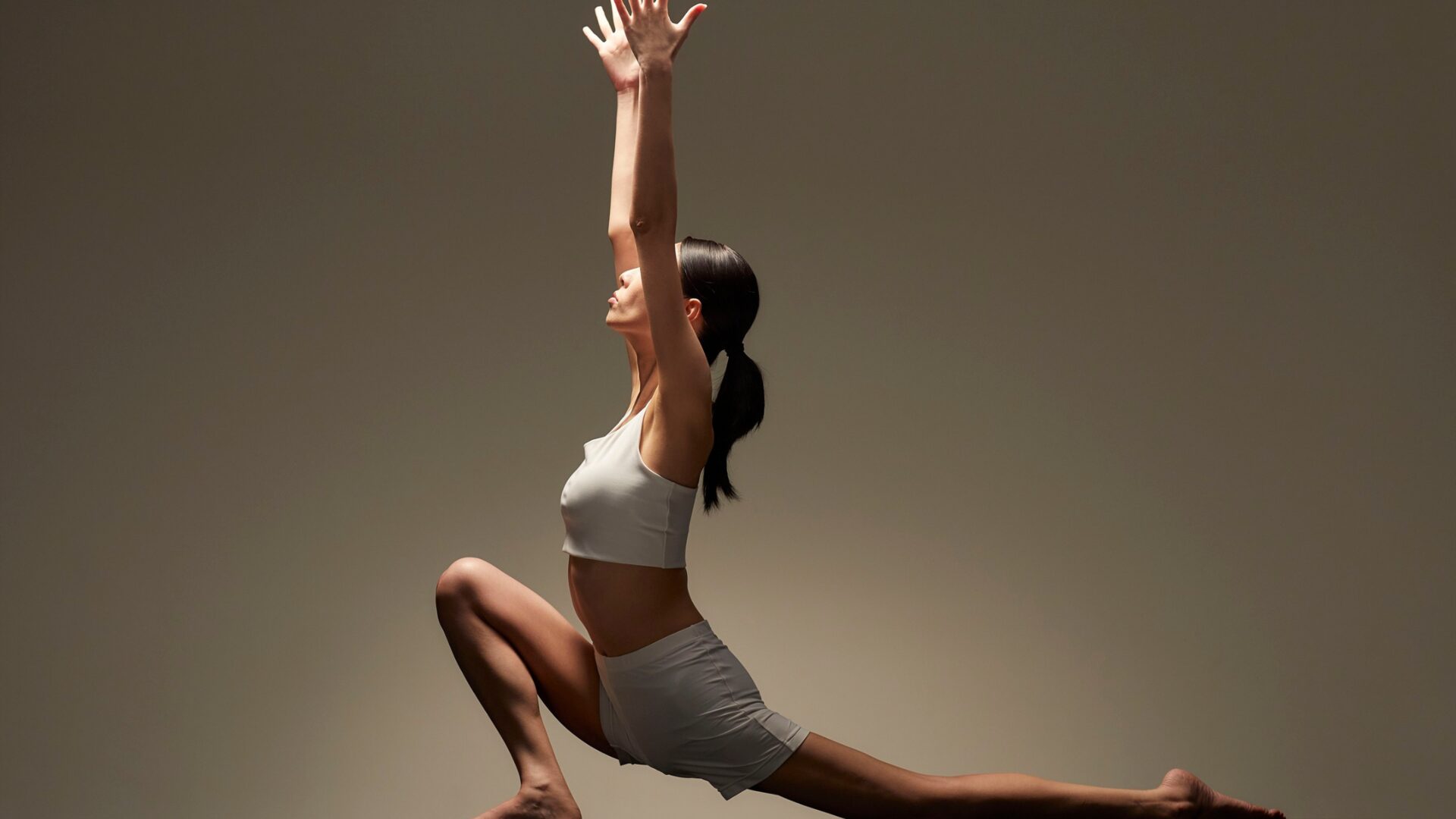

Why Yoga Matters for Anxiety
Anxiety has become one of the most common mental health struggles in today’s world. It affects millions of people, and it doesn’t just stay in the mind it often shows up in the body too. People with anxiety may feel restless, tense, or unable to focus. Their muscles tighten, their heart races, and even simple daily tasks can feel overwhelming.
While medication and therapy are proven treatments, many people want additional ways to feel better that don’t involve side effects or long waiting times.
This is why yoga is becoming such a popular option. Unlike quick fixes, yoga is a practice that combines physical movement, controlled breathing, and mindful awareness. Together, these elements help calm the nervous system, reduce stress hormones, and create a sense of balance in both the body and the mind.
Understanding Yoga’s Role in Anxiety Management
Yoga works on two levels at the same time:
- Physical relaxation: The postures (poses) stretch tight muscles, release built-up tension, and improve circulation. This alone can lower physical symptoms of anxiety like headaches, stiff shoulders, or shallow breathing.
- Mental calmness: Breathing exercises and meditation practices guide attention back to the present moment. They slow racing thoughts and stop the cycle of constant worry.
This dual effect makes yoga especially powerful for people struggling with anxiety. Instead of treating the body and mind separately, yoga treats them together.
The Science Behind Yoga’s Benefits
Scientists have studied yoga’s impact on anxiety for years, and the results are encouraging.
- A study at NYU published in JAMA Psychiatry showed that Kundalini yoga helped people with generalized anxiety disorder (GAD) reduce their symptoms significantly compared to standard stress education.
- Research on Hatha yoga found it lowers anxiety and depression, particularly in women, by combining simple poses, mindful breathing, and guided relaxation.
- Physiological studies show yoga reduces cortisol (the stress hormone), balances heart rate, and activates the parasympathetic nervous system the body’s natural “rest and digest” system.
In other words, yoga changes the way the body and brain respond to stress, making it easier to recover from anxious moments and stay calm over time.
Recommended Yoga Styles for Anxiety
There are many different kinds of yoga, but not all are designed to reduce stress. These three are especially helpful:
- Hatha Yoga: Gentle and slow-paced. Perfect for beginners who want simple poses and a calming atmosphere.
- Kundalini Yoga: Uses breathing, chanting, and flowing movements. Shown in studies to be especially effective for reducing anxiety symptoms.
- Restorative Yoga: Focuses on relaxation with supportive props like pillows or blankets. It encourages deep rest and nervous system recovery.
Each of these styles is adaptable, so you don’t need to be flexible or athletic to begin.
Key Yoga Poses to Relieve Anxiety
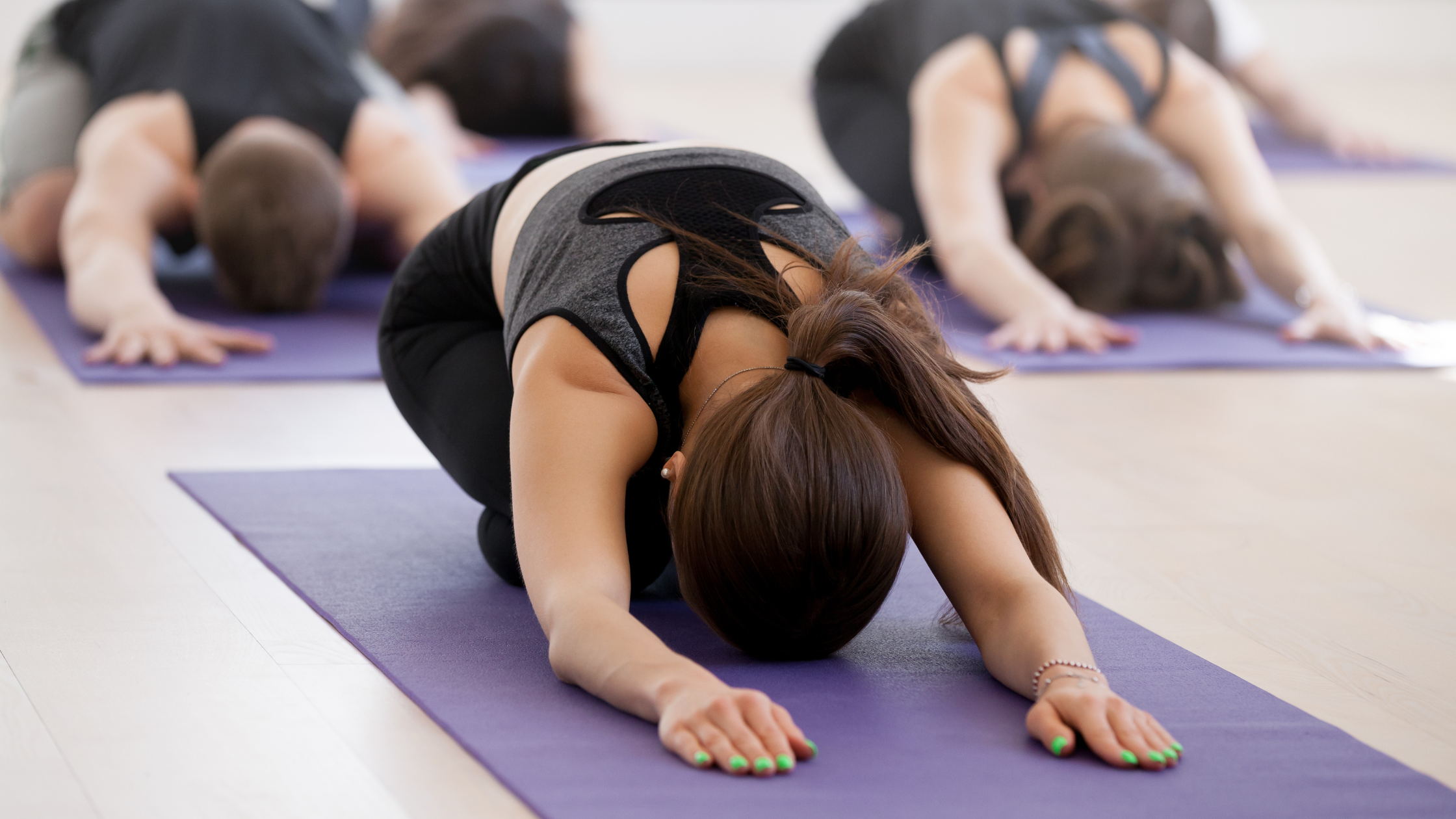
Child’s Pose (Balasana): A gentle forward bend that stretches the back and hips while encouraging deep breathing. It helps the mind feel safe and grounded.
Legs-Up-the-Wall (Viparita Karani): Resting with your legs elevated improves circulation, lowers heart rate, and soothes the nervous system.
Cat-Cow Stretch (Marjaryasana/Bitilasana): Flowing between arching and rounding the spine connects breath with movement, easing back tension and calming energy.
Corpse Pose (Savasana): Lying flat in stillness allows the body to fully rest. It’s often the final pose in yoga practice and brings deep relaxation.
Doing just two or three of these poses for 10–15 minutes a day can make a big difference.
Unlocking the Benefits of Regular Yoga
The biggest gains from yoga come with consistency. Practicing a few times a week teaches the body and mind how to relax more easily. Over time, many people notice:
- Reduced tension in muscles and joints
- Better sleep quality
- Fewer racing thoughts and less irritability
- Greater focus and clarity during the day
- More resilience when facing stressful situations
Yoga is not just about stretching it’s training your nervous system to shift from stress mode into calm mode more quickly.
Practical Tips for Starting a Yoga Routine
- Start small: Even 5–10 minutes a day is enough to feel benefits.
- Use online resources: Free videos and apps can guide beginners step by step.
- Join a class: Local studios provide structure and a supportive community.
- Set realistic goals: Aim for 2–3 sessions per week and increase as you feel more comfortable.
- Modify as needed: Use props or adjust poses so they feel safe and comfortable. Yoga should never cause pain.
- Remember: yoga is personal. Some days you may feel strong and energetic, other days you may want gentle stretching and breathing. Both are valuable.
By regularly practicing these poses, individuals can experience a noticeable reduction in anxiety symptoms, paving the way for greater mental and physical well-being. For those new to yoga, starting with short, guided sessions can build confidence and consistency. Additionally, numerous online resources offer accessible classes and videos for at-home practice, making yoga an inclusive and flexible option for anxiety management.
As you explore the calming effects of yoga, remember that it is a personal journey. Listen to your body, modify poses as needed, and consult a healthcare professional if you have any concerns. With dedication and patience, yoga can become a powerful ally in your quest for anxiety relief.
Unlocking the Benefits of Regular Yoga Practice for Anxiety
Yoga is not a quick fix it’s a practice that works best when done regularly. Over time, consistent yoga sessions help train both the body and the mind to respond differently to stress. Instead of automatically entering the fight-or-flight state that fuels anxiety, your body learns how to shift more quickly into a calmer, more balanced mode.
By practicing yoga, you strengthen mindfulness and conscious relaxation. These skills make you more aware of your body, your breathing, and your thoughts. That awareness allows you to spot the first signs of anxiety before they spiral out of control. With practice, you can replace racing thoughts and tension with steady breathing, focused movement, and a greater sense of presence.
Regular yoga practice also builds resilience. Each session helps your nervous system recover more quickly from stress and makes it easier to face challenges with clarity instead of panic. Over weeks and months, this leads to long-term changes: fewer triggers, calmer reactions, and stronger mental stability.
Practical Tips for Starting a Yoga Routine
If you’re new to yoga, start small and keep it simple. Here are practical ways to begin:
- Start with short sessions: Begin with 5–10 minutes of gentle yoga each day. This could include basic poses like Child’s Pose or Legs-Up-the-Wall. Short practices help you build consistency without feeling overwhelmed.
- Follow guided resources: Use online videos, apps, or beginner-friendly courses. These offer step-by-step instructions and show how to modify poses for different fitness levels.
- Join a class: If you prefer in-person guidance, a local yoga class can provide structure and community support. Being around others may also help keep you motivated.
- Make it part of your routine: Choose a specific time each day morning to start fresh, or evening to wind down. Linking yoga to an existing habit, like brushing your teeth or making tea, makes it easier to stick with.
- Be patient and flexible: Progress in yoga looks different for everyone. Some days will feel easier than others. The key is to keep showing up and listening to your body.
A Personal Journey
Yoga isn’t about perfection. It’s about building a healthier relationship with your body and mind. On some days, you may feel strong and flexible.
On others, you may need to keep it simple with just a few breathing exercises or stretches. Both approaches are equally valuable.
If you have any health conditions or worries, consult a healthcare professional before starting. Otherwise, approach yoga with curiosity and patience. With regular practice, yoga can shift from being just another activity to a trusted ally one that supports you in finding calm, strength, and resilience in the face of anxiety.
Frequently Asked Questions
How often should I practice yoga to see results?
Aim for 2–3 times a week to start. Many people notice small improvements within a few weeks. Daily practice, even for just 10 minutes, can bring stronger and longer-lasting results.
Can yoga replace medication or therapy for anxiety?
No. Yoga is best used as a complement to professional treatment. Always talk with your healthcare provider before making changes to your treatment plan.
Is yoga suitable for beginners or people who aren’t flexible?
Yes. Yoga can be adapted for any level of fitness or flexibility. Gentle styles like Hatha or Restorative yoga are especially beginner-friendly. Props like cushions or blocks can help make poses more comfortable.
What if I feel discomfort during a pose?
Yoga should never cause pain. If a pose feels uncomfortable, adjust it, use support, or skip it. Over time, your body will become more flexible and relaxed.
How long does it take to notice benefits from yoga?
Some people feel calmer after their very first session, while others may need several weeks of consistent practice. Like exercise, the benefits of yoga build up over time.
Which yoga style is best for reducing anxiety?
Gentle styles such as Hatha, Kundalini, and Restorative yoga are most effective. They focus on slow movements, breathing, and relaxation rather than fast-paced or intense workouts.
Do I need special equipment to start yoga?
Not really. A yoga mat is helpful for comfort and stability, but you can also practice on a carpet or rug. Props like pillows or blankets can make poses easier and more relaxing.
Is yoga safe if I have other health conditions?
In most cases, yes. But if you have an injury, chronic pain, or another medical condition, consult your doctor first. A yoga instructor can also help you adapt poses to suit your needs.
Can yoga really help during an anxiety attack?
Yes, certain techniques like slow breathing, grounding poses (such as Child’s Pose), or Legs-Up-the-Wall can help the body calm down in the moment. However, regular practice is more effective for long-term anxiety management.
How can I stay motivated to practice regularly?
Set realistic goals, start small, and track your progress. Trying different yoga styles can keep things interesting. Joining a class or online community also helps with accountability and encouragement.
Can I combine yoga with other relaxation methods?
Absolutely. Yoga works well alongside meditation, journaling, somatic exercises, or vagus nerve exercises. Combining practices often leads to even better results for anxiety relief.
Final Thoughts
Yoga offers a natural and effective way to manage anxiety by calming the body, quieting the mind, and teaching balance over time. Backed by scientific research and accessible to people of all fitness levels, it can be done at home, online, or in classes. Whether you start with one pose or commit to regular sessions, each practice builds resilience and peace.
With patience and consistency, yoga can become a reliable tool for managing anxiety helping you feel calmer, more present, and more in control of your daily life.
.