
Depression and anxiety are two of the most common mental health conditions in the world. Millions of people struggle with persistent sadness, worry, fear, low energy, or a loss of interest in activities they once enjoyed. While traditional treatments such as medication and psychotherapy are highly effective for many individuals, some people look for additional or alternative approaches to support their mental health.
Alternative treatments are not meant to replace professional medical care, especially in severe cases. However, they can work alongside therapy and medication or serve as starting points for people with mild symptoms. If you would like to better understand the causes, symptoms, and treatment options for depression, you can read more in our knowledge hub: https://cenario.com/blog/depression/. In this blog post, we will explore several evidence-based alternative treatments for depression and anxiety in a clear and practical way.
1. Exercise and Physical Activity
One of the most powerful natural treatments for depression and anxiety is regular physical activity. Exercise helps release endorphins, often called “feel-good” chemicals, which improve mood and reduce stress.
How Exercise Helps:
- Increases serotonin and dopamine levels
- Reduces stress hormones like cortisol
- Improves sleep quality
- Boosts self-confidence and energy
You don’t need intense workouts to see benefits. Walking for 30 minutes a day, practicing yoga, swimming, or cycling can significantly improve mental well-being. Consistency is more important than intensity.
2. Mindfulness and Meditation
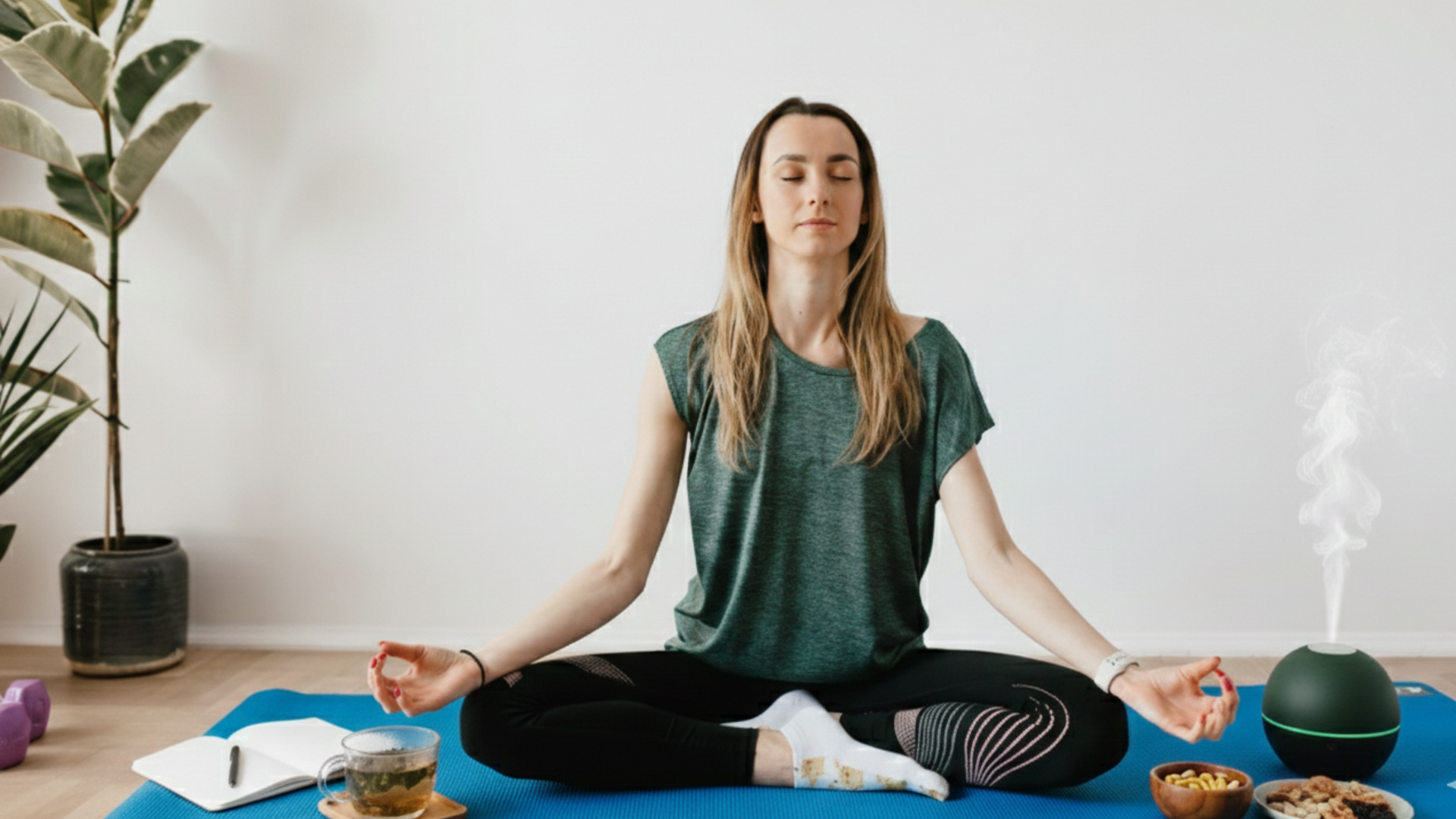
Mindfulness involves focusing on the present moment without judgment. Meditation trains the brain to become more aware and less reactive to negative thoughts.
Benefits of Mindfulness:
- Reduces overthinking
- Improves emotional regulation
- Lowers anxiety levels
- Enhances concentration
Even 10–15 minutes of daily meditation can make a difference. Apps, guided recordings, or simple breathing exercises can help beginners get started.
3. Herbal Supplements
Some people use natural supplements to help manage symptoms. However, it is important to speak with a healthcare provider before trying any supplement, as they can interact with medications.
Common Herbal Options:
- St. John’s Wort – Often used for mild to moderate depression
- Ashwagandha – May reduce stress and anxiety
- Chamomile – Known for calming effects
- Omega-3 fatty acids – Found in fish oil, linked to improved mood
While research shows promise, supplements should be used carefully and under supervision.
4. Nutrition and Diet
What we eat affects how we feel. A balanced diet supports brain function and emotional health.
Foods That Support Mental Health:
- Leafy greens and vegetables
- Fatty fish (such as salmon and tuna)
- Whole grains
- Nuts and seeds
- Fruits rich in antioxidants
Limiting processed foods, excess sugar, and caffeine may help reduce mood swings, irritability, and anxiety symptoms.
Adding Supplements for Extra Support
In some cases, diet alone may not provide enough nutrients, especially if someone has deficiencies. Certain supplements are often used to support mood and mental clarity. These may include:
- Omega-3 fatty acids (fish oil) for brain health
- Vitamin D for mood regulation
- Magnesium to help reduce stress and promote relaxation
- B-complex vitamins for energy and nervous system support
- Probiotics for gut health, which is closely connected to mental health
Before starting any supplement, it is important to consult a healthcare professional, especially if you are taking medication.
If you’re unsure which nutrients your body may need, consider taking a short assessment to guide you. You can take the quiz to get personalized supplement recommendations based on your symptoms, lifestyle, and health goals. Personalized guidance can help you choose the right support rather than guessing.
5. Sleep Hygiene
Poor sleep can worsen both depression and anxiety. Improving sleep habits can significantly boost mental health.
Tips for Better Sleep:
- Go to bed and wake up at the same time daily
- Avoid screens 1 hour before bed
- Create a calm and dark sleep environment
- Limit caffeine in the evening
Quality sleep helps regulate mood and improves the brain’s ability to handle stress.
6. Acupuncture
Acupuncture is a traditional Chinese medicine practice that involves inserting thin needles into specific points on the body. Some research suggests it may help relieve symptoms of anxiety and depression by stimulating the nervous system and improving blood flow.
Although more research is needed, some individuals report feeling calmer and more balanced after treatments.
7. Art and Music Therapy
Creative expression can be a powerful emotional outlet. Art therapy and music therapy allow individuals to express feelings that may be difficult to put into words.
Benefits:
- Reduces stress
- Encourages emotional release
- Builds self-awareness
- Improves mood
You do not need to be an artist or musician. The goal is expression, not perfection.
8. Social Support and Community
Human connection is essential for mental health. Isolation can worsen depression and anxiety, while supportive relationships can improve recovery.
Ways to build connection:
- Join support groups
- Volunteer
- Spend time with friends and family
- Participate in community activities
Feeling understood and supported can make a significant difference.
9. Cognitive Behavioral Techniques (Self-Help Version)
Cognitive Behavioral Therapy (CBT) is a professional therapy method, but some techniques can be practiced independently.
Examples include:
- Challenging negative thoughts
- Keeping a gratitude journal
- Setting small, achievable goals
- Practicing positive self-talk
These techniques help reframe negative thinking patterns that often fuel depression and anxiety.
When to Seek Professional Help
While alternative treatments can be helpful, they are not a substitute for professional care in serious cases. Seek immediate help if you experience:
- Thoughts of self-harm
- Severe mood swings
- Inability to function in daily life
- Panic attacks that interfere with work or school
Mental health professionals can provide personalized treatment plans that may include therapy, medication, or a combination of approaches.

Final Thoughts
Alternative treatments for depression and anxiety offer many supportive options for improving mental health. Exercise, mindfulness, proper nutrition, sleep, creative expression, and strong social connections can all contribute to emotional well-being.
The most effective approach is often a balanced one, combining healthy lifestyle habits with professional care when needed. Mental health recovery is not a one-size-fits-all journey, and it may take time to find what works best for you.
If you or someone you know is struggling, remember that help is available, and improvement is possible with the right support and strategies.
Ready to take the next step? Take the quiz to receive personalized supplement recommendations tailored to your symptoms, lifestyle, and wellness goals. A personalized plan can help you move forward with clarity and confidence.
Frequently Asked Questions
1. Can alternative treatments completely replace medication or therapy?
Alternative treatments can be helpful, but they are not a complete replacement for professional medical care, especially in moderate to severe cases of depression or anxiety. Lifestyle changes, supplements, and mindfulness practices often work best when combined with therapy or medication under the guidance of a healthcare professional.
2. How long does it take to see results from alternative treatments?
The timeline varies from person to person. Some people may notice improvements in mood and energy within a few weeks of consistent exercise, better nutrition, or improved sleep. However, lasting results usually require consistency and patience. Mental health improvement is a gradual process.
3. Are supplements safe for anxiety and depression?
Many supplements can support mental health, but they are not risk-free. Certain vitamins and herbal products can interact with medications or may not be suitable for everyone. It is important to consult a healthcare provider before starting any new supplement to ensure safety and proper dosage.