
Understanding Depression and Its Impact
Depression is not just low mood. It is a neurological and metabolic disorder with psychological, biological, and social drivers. It affects hundreds of millions of people and contributes to lost productivity, increased healthcare burden, and declining quality of life across entire populations. Symptoms go far beyond sadness. They include anhedonia, cognitive slowdown, distorted reward processing, sleep disruption, appetite changes, and increased inflammation.
Conventional treatments like antidepressants and therapy work for many people. They do not work for everyone. A large portion of patients experience partial response or no response at all. This is why interest in adjunctive treatments has grown. Supplements are being studied as add-ons or alternatives because some target biological pathways that common antidepressants ignore.
Depression support requires careful evaluation of evidence, safety, and individual response. This article contributes to our holistic view of mood regulation and nutritional support, which we cover throughout our Depression insights and recovery resources.
The Rise of Supplement Use for Depression
Supplement use is driven by two factors. First, many consumers want treatments that feel natural and non-pharmaceutical. Second, several supplements show measurable effects on inflammation, neurotransmitter synthesis, mitochondrial function, and nutrient deficiencies. People are not turning to supplements because of marketing hype. They do it because major clinical trials show benefits in specific cases.
The key problem is the gap between what is marketed and what is proven. Some supplements have strong evidence. Many do not. You need a clear separation between the two.
Why Evidence Matters
Most supplements marketed for mood improvement have no clinical data. Many rely on mechanistic speculation. Others use tiny studies with poor methodology. Using unproven substances delays real treatment and wastes money.
Evidence-based supplements have randomized controlled trials, meta-analyses, and clear biological mechanisms. These are the only ones worth discussing. Everything else belongs in the nice idea but not proven category.
Below are the supplements with real data. This is where the research actually supports clinical use.
Omega-3 Fatty Acids
Omega-3s, specifically EPA and DHA, modulate membrane fluidity, serotonin receptor function, and inflammatory signaling. EPA has the strongest antidepressant effect because it downregulates inflammatory cytokines involved in depressive pathology.
Clinical Evidence
Meta-analyses show that EPA-dominant formulations reduce depressive symptoms. Roughly two out of three well-designed trials report improvement. Effects are strongest when:
- EPA intake is at least 1 gram daily
- EPA is higher than DHA
- Supplementation is paired with antidepressants in moderate depression
- Baseline inflammation is high
Trials that show no benefit generally use DHA-heavy formulas or doses below the therapeutic threshold. Conclusion: omega-3s work, but only when dosed correctly.
Vitamin D
Vitamin D receptors are found throughout the brain. Vitamin D modulates dopamine and serotonin pathways and influences inflammatory signaling. Low vitamin D correlates strongly with depression severity.
Research Findings
Large meta-analyses confirm that supplementing vitamin D improves depressive symptoms. The strongest effects appear in people with documented deficiency. Vitamin D often performs as well as antidepressants in mild to moderate depression. In some trials, combined therapy outperforms antidepressants alone.
Vitamin D is one of the few nutraceuticals with consistent evidence and real effect size.
Probiotics and the Gut Brain Axis
Gut microbes influence neurotransmitter production, immune activity, and the vagus nerve. These pathways affect mood regulation. The concept is valid. The evidence is mixed.
Current State of Research
Many probiotic studies are underpowered or use strains that have no real mechanistic rationale. The few high-quality studies show mild improvements in mood, mostly in people with IBS or inflammatory issues.
Probiotics are promising but not reliable. Anyone claiming they are a primary treatment is overstating the data.
Folate and Methylfolate
Folate is required for methylation and neurotransmitter synthesis. Methylfolate bypasses common genetic variants that impair folate metabolism. This makes it useful for people with MTHFR polymorphisms.
Guideline Position
Psychiatric guidelines recognize methylfolate as a legitimate adjunctive treatment for major depressive disorder. It enhances the effect of SSRIs and reduces treatment resistance. This is not fringe. It is mainstream clinical practice.
SAMe
SAMe supports methylation, dopamine synthesis, and glutathione production. It has decades of research behind it.
Clinical Evidence
SAMe consistently performs better than placebo and often performs as well as standard antidepressants. It also enhances antidepressant response in resistant depression.
Important note: it is stimulating. Not ideal for people with anxiety.
Saffron
Saffron affects serotonin reuptake and has potent antioxidant activity. It is not hype. It has clinical data.
Comparative Effectiveness
Network meta-analyses show that saffron matches or exceeds standard antidepressants in moderate to severe depression. It also has far fewer side effects. This places saffron among the top evidence-based supplements.
Other Herbal Supplements for Depression
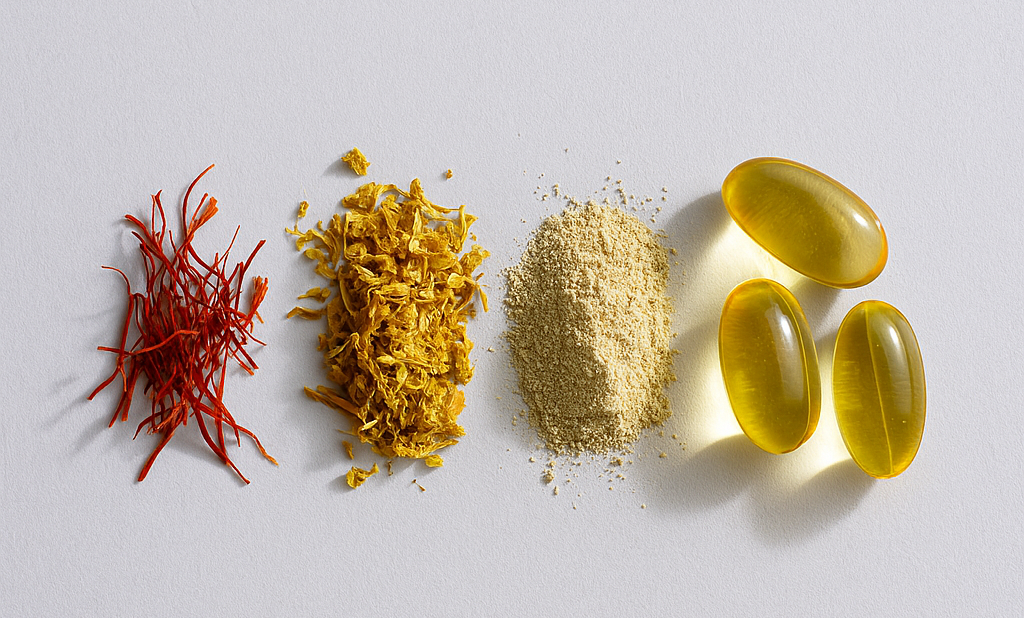
Beyond the well-researched supplements like omega-3s and vitamin D, several herbal supplements have shown promise in managing depression. St. John’s Wort is perhaps the most well-known, with studies indicating its efficacy comparable to selective serotonin reuptake inhibitors (SSRIs) for mild-to-moderate depression. However, it is crucial to be aware of its potential drug interaction risks, especially with other antidepressants.
Rhodiola rosea is another herbal supplement that has gained attention for its adaptogenic properties. It offers modest efficacy and is often better tolerated by individuals sensitive to the side effects of SSRIs. Other herbs like lavender, chamomile, and lemon balm also contribute to mood stabilization and anxiety reduction, though more research is needed to confirm their effectiveness in treating depression.
Magnesium and N-acetylcysteine (NAC)
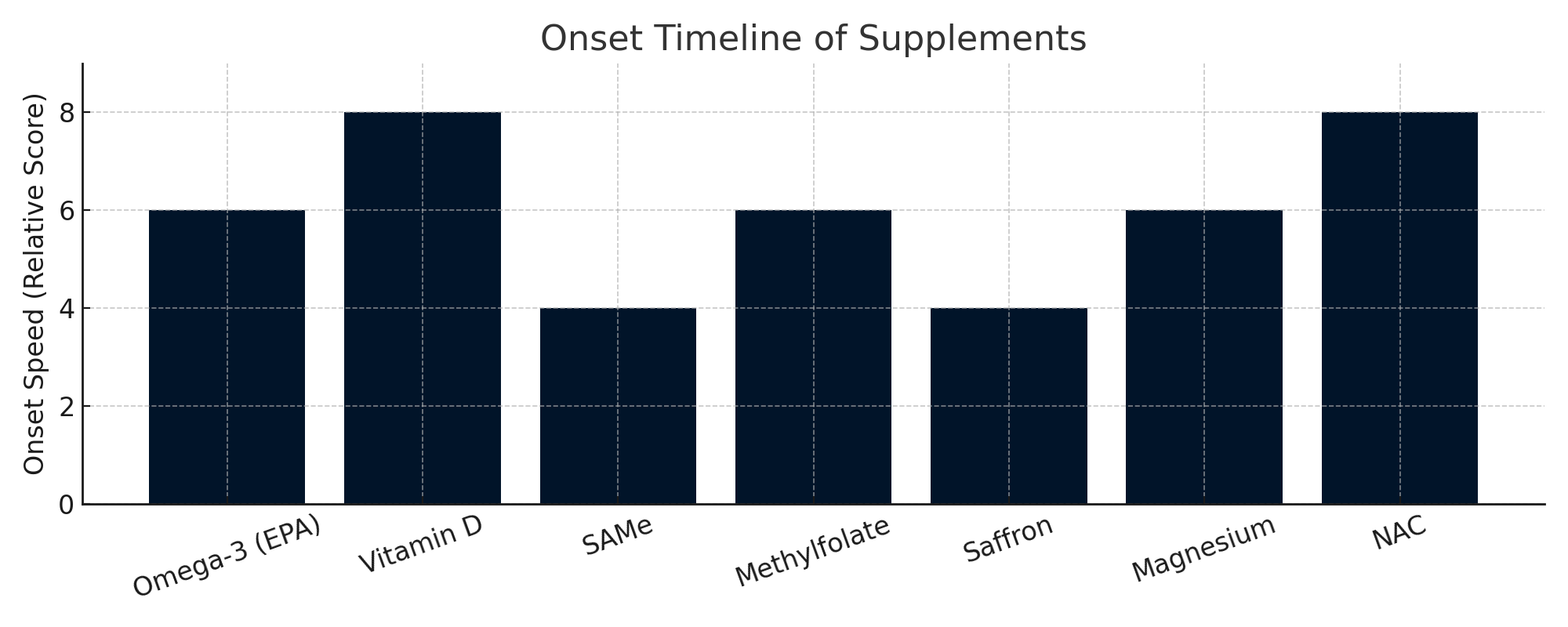
Magnesium plays a vital role in brain function and mood regulation. Studies have shown that magnesium supplementation can lead to a modest but significant reduction in depression scores. This mineral is particularly useful for those with magnesium deficiencies, which can exacerbate depressive symptoms.
N-acetylcysteine (NAC) is another supplement that has garnered interest due to its antioxidant properties. It is believed to help restore the balance of neurotransmitters in the brain, potentially improving mood and reducing symptoms of depression. While research is still emerging, NAC shows promise as an adjunct treatment for depression, especially for those with treatment-resistant symptoms.
.png)
Patient Guidance and Safety Considerations
When considering supplements for depression, it is essential to prioritize safety and informed decision-making. Always consult with a healthcare provider before starting any supplement regimen, particularly if you are taking other medications or have underlying health conditions. This is crucial to avoid potential drug-supplement interactions, such as those associated with St. John’s Wort.
Additionally, be mindful of the dosages and quality of the supplements you choose. Opt for reputable brands that provide clear labeling and third-party testing to ensure product safety and efficacy. Supplements can be a valuable component of a comprehensive depression management plan, but they should be used responsibly and in conjunction with professional medical advice.
Ready to find the right supplement formula for your mood and mental wellness?
Take Cenario’s quick quiz and get a personalized recommendation based on your symptoms and goals.
Frequently Asked Questions
What are the most effective supplements for depression?
Based on current evidence, omega-3 fatty acids, vitamin D, and SAMe are among the most effective supplements for depression. These supplements have shown significant improvements in depressive symptoms in various clinical studies.
Can supplements replace antidepressants?
Supplements are generally used as adjuncts to traditional treatments rather than replacements. They can enhance the effectiveness of antidepressants but should not be considered a standalone solution for depression
Are there any risks associated with taking supplements for depression?
Yes, there are potential side effects and interaction risks when taking supplements for depression. It is crucial to consult a healthcare provider to ensure safe use, especially if you are on other medications.
How long does it take for supplements to show effects on depression?
The time it takes for supplements to show effects can vary. Some individuals may notice improvements within a few weeks, while others may take several months. Individual response times can differ based on factors such as baseline nutrient levels and overall health.
Is it necessary to consult a healthcare provider before starting supplements?
Yes, it is strongly recommended to consult a healthcare provider before starting any supplements for depression. They can provide personalized advice and help prevent potential interactions with other medications you may be taking.