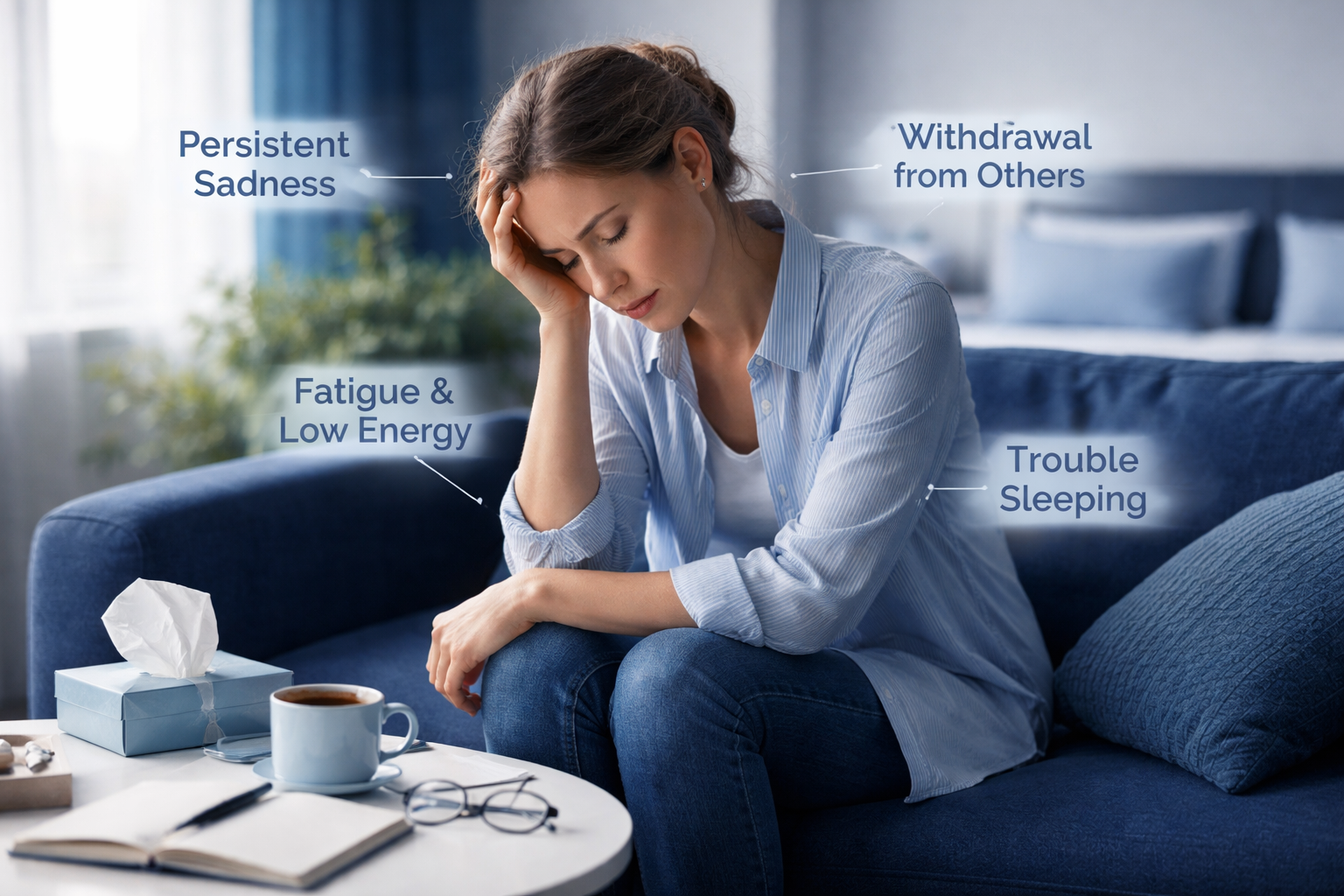

Understanding bipolar depression is crucial for anyone seeking to manage this complex mental health condition. Bipolar disorder is characterized by extreme mood swings, including depressive episodes that can significantly impact daily life. During these depressive phases, individuals may experience symptoms such as overwhelming sadness, fatigue, and a lack of interest in activities they once enjoyed. These challenges can make it difficult to function at work, maintain relationships, and manage everyday tasks.
Why consider non-medication approaches?
Managing bipolar depression without medication is an option that some individuals explore for various reasons. For some, the side effects of medication can be challenging to handle, while others may prefer to avoid pharmaceuticals altogether. Additionally, some people look to complement their existing treatment with alternative strategies to enhance their overall well-being. It’s important to note that these non-medication approaches should be pursued under professional guidance to ensure they are safe and effective.
Setting realistic expectations
When considering how to deal with bipolar depression without medication, it’s essential to set realistic expectations. Non-medication strategies are often most effective when used as part of a comprehensive treatment plan. This holistic approach typically involves lifestyle changes, therapy, and ongoing support from mental health professionals. By integrating these elements, individuals can work towards stabilizing their mood and improving their quality of life.
In the following sections, we will delve into various lifestyle changes and therapeutic approaches that can play a significant role in managing bipolar depression without medication. These strategies can provide valuable tools for those seeking alternative ways to cope with their condition, while still emphasizing the importance of professional oversight and support.
Lifestyle Changes for Managing Bipolar Depression
Diet and Nutrition
Diet plays a crucial role in managing bipolar depression without medication. Regular, balanced meals rich in fiber and nutrients can help stabilize mood by regulating serotonin levels. Key nutrients to focus on include Omega-3 fatty acids, magnesium, and vitamin C, which have been associated with improved mental health. However, it’s essential to consult healthcare providers before starting any new supplements to ensure they don’t interfere with existing treatments.
Turn information into action
Take the Cenario quiz and translate evidence into a plan.
Exercise and Physical Activity
Incorporating regular exercise into your routine can significantly impact mood stabilization. Physical activities like walking, yoga, and swimming not only improve physical health but also provide structure and routine, which are vital for managing bipolar depression. Exercise releases endorphins, which can help alleviate depressive symptoms and improve overall well-being.
Sleep Hygiene
Establishing a consistent sleep routine is another critical lifestyle change. Adequate sleep is essential for mood regulation, and disruptions can exacerbate depressive episodes. Creating a conducive sleep environment by minimizing electronics before bed and maintaining a regular sleep schedule can help stabilize mood swings and improve daily functioning.
Sunlight Exposure and Routine Building
Natural sunlight exposure can enhance mood and help regulate circadian rhythms. Spending time outdoors, even for short periods, can be beneficial. Additionally, maintaining a structured daily routine can provide stability and predictability, reducing the likelihood of mood swings. This routine should incorporate regular meals, exercise, and rest periods.
Therapeutic Approaches
Cognitive Behavioral Therapy (CBT)
Cognitive Behavioral Therapy (CBT) is a widely recognized approach for managing bipolar depression. CBT helps individuals identify and change negative thought patterns that contribute to depressive symptoms. Success stories from those who have used CBT highlight its effectiveness in providing coping mechanisms and improving mental health.
Interpersonal and Social Rhythm Therapy (IPSRT)
IPSRT focuses on stabilizing daily routines and improving interpersonal relationships. This therapy emphasizes the importance of maintaining regular daily rhythms, which can help manage mood swings. Techniques used in IPSRT include identifying and addressing interpersonal issues that may trigger depressive episodes.
Family and Couples Therapy
Involving family members in therapy can enhance communication and provide a supportive home environment. Family and couples therapy can improve understanding and support, which are crucial for managing bipolar depression. A supportive network can significantly impact the effectiveness of non-medication strategies.
Together, these lifestyle changes and therapeutic approaches offer a comprehensive strategy for managing bipolar depression without medication. While these methods can be highly effective, they should be pursued under professional guidance to ensure safety and efficacy. By integrating these elements into daily life, individuals can work towards stabilizing their mood and improving their quality of life.
In the next section, we will explore mind-body practices, supplements, and support structures that further enhance the management of bipolar depression.
Mind-Body and Stress-Relief Practices
Meditation and Mindfulness
Incorporating meditation and mindfulness into daily routines can be a powerful tool for managing bipolar depression without medication. These practices help individuals stay present and reduce stress, which can alleviate symptoms of depression. Techniques such as focused breathing, body scanning, and mindful walking are simple yet effective ways to integrate mindfulness into your life. Evidence suggests that regular meditation can decrease anxiety and improve overall emotional well-being.
Yoga and Acupuncture
Yoga is another beneficial practice for those dealing with bipolar depression. It combines physical postures, breathing exercises, and meditation to promote mental clarity and emotional stability. Regular yoga practice can enhance mood, increase flexibility, and reduce stress. Acupuncture, an alternative therapy involving the insertion of thin needles into specific points on the body, has also been reported to help some individuals manage symptoms of depression and anxiety. As with any alternative therapy, it is essential to consult with a qualified practitioner to ensure safety and effectiveness.
Massage Therapy
Massage therapy can play a significant role in relaxation and stress relief, which are crucial for managing bipolar depression. The physical touch involved in massage can promote relaxation, improve circulation, and reduce muscle tension. Choosing a qualified massage therapist who understands your specific needs is essential to maximize the benefits of this therapy.
Supplements and Herbal Remedies
While supplements and herbal remedies are often considered in managing bipolar depression without medication, they should be approached with caution. Commonly suggested supplements include fish oil, known for its Omega-3 fatty acids, and Rhodiola rosea, which may help reduce fatigue and stress. However, some supplements, like St. John’s Wort, can interact with other medications and potentially worsen symptoms. It is crucial to consult with a healthcare provider before starting any new supplement to ensure it is safe and appropriate for your situation.
Support Structures and Resources
Building a strong support network is vital for managing bipolar depression without medication. Education and support groups can provide valuable resources and a sense of community for individuals and their families. Engaging with others who understand the challenges of bipolar depression can offer emotional support and practical advice. It’s also important to seek professional help, especially for moderate to severe symptoms, as a mental health professional can provide guidance and tailor strategies to your specific needs.
From research to real-world guidance
Use the Cenario quiz to see what applies to you.
Frequently Asked Questions
Can bipolar depression be managed without medication?
Yes, bipolar depression can be managed without medication, especially in mild cases. Non-medication approaches such as therapy, lifestyle changes, and mind-body practices can be effective. However, these should complement professional care rather than replace prescribed treatment, particularly for moderate to severe symptoms.
What are the risks of stopping medication?
Stopping medication abruptly can lead to a relapse or worsening of symptoms. It is crucial to consult with a healthcare provider before making any changes to your medication regimen. Gradual adjustments under professional supervision can help mitigate risks.
How effective are lifestyle changes and therapy in managing symptoms?
Lifestyle changes and therapy can be highly effective in managing symptoms of bipolar depression. Regular exercise, a balanced diet, consistent sleep, and therapies such as CBT and IPSRT can significantly improve mood stability and overall quality of life.
Are there any supplements that can replace medication?
Supplements should not replace medication but can be used as complementary treatments. It’s essential to consult with a healthcare provider to ensure that any supplements are safe and do not interact negatively with other treatments.
What should I consider when choosing a therapist?
When choosing a therapist, consider their experience with bipolar disorder and their approach to treatment. Look for a licensed professional who uses evidence-based practices and with whom you feel comfortable discussing your concerns.