
Why Food Matters for Depression
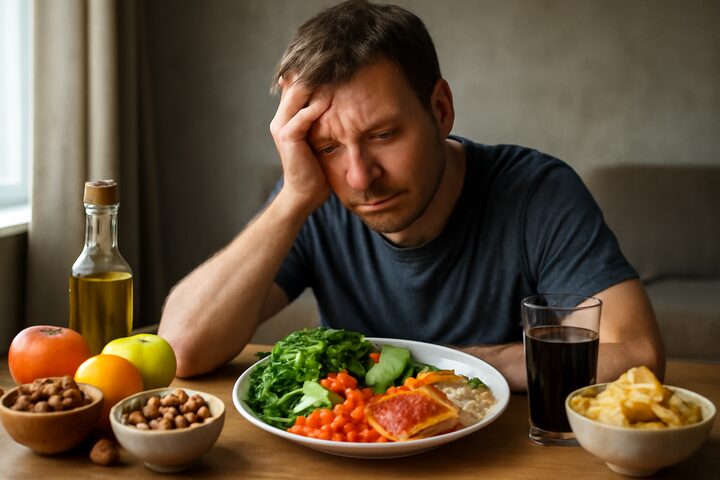
More research now shows that what you eat affects how you feel. A growing number of studies suggest that food plays a big role in mental health, especially for people dealing with depression.
Eating the right foods can support brain function, improve mood, and help manage symptoms of depression. On the other hand, poor diets, full of sugar and processed foods can make things worse.
The Link Between Diet and Depression
Depression is a complex condition that affects millions of people worldwide. While therapy and medication are the main forms of treatment, diet is becoming a powerful complementary strategy.
Why? Because the brain needs certain nutrients to regulate mood. Without them, mental health can suffer. Healthy eating helps create a strong foundation for emotional well-being.
What the Research Says
Meta-analyses and clinical studies show that healthier eating habits can reduce symptoms of depression. Most of these studies focus on reducing junk food and increasing intake of whole grains, vegetables, and healthy fats.
Even short-term dietary changes can lead to noticeable improvements in mood especially in young adults. The key is to stay consistent.
The Mediterranean Diet: A Natural Mood Booster
The Mediterranean diet is one of the best-researched diets for mental health. It includes:
- Fruits and vegetables
- Whole grains
- Fish and seafood
- Olive oil
- Nuts and seeds
Studies show that people following this diet report fewer depressive symptoms. In some cases, up to 32% of participants experienced major mood improvements.
This diet works because it’s not focused on one food it’s the combination of many healthy foods working together.
How Diet Supports Mental Health
Here’s how a good diet helps improve mood:
Reduces Inflammation
Foods rich in omega-3 fatty acids and antioxidants can reduce inflammation in the brain, which is linked to depression.
Supports Brain Chemicals
Vitamins like B-complex, omega-3s, and zinc help the brain produce neurotransmitters like serotonin and dopamine.
Improves Gut Health
Your gut and brain are connected. A diet rich in fiber and probiotics supports healthy bacteria in your gut, which in turn supports mental health.
The Diet-Mood Cycle
People with depression often crave comfort foods, which are high in sugar and fat. But these foods can worsen mood in the long run.
This creates a vicious cycle: low mood → poor food choices → worse mood. Breaking this cycle with better food choices can support long-term recovery.
How diet influences mental health
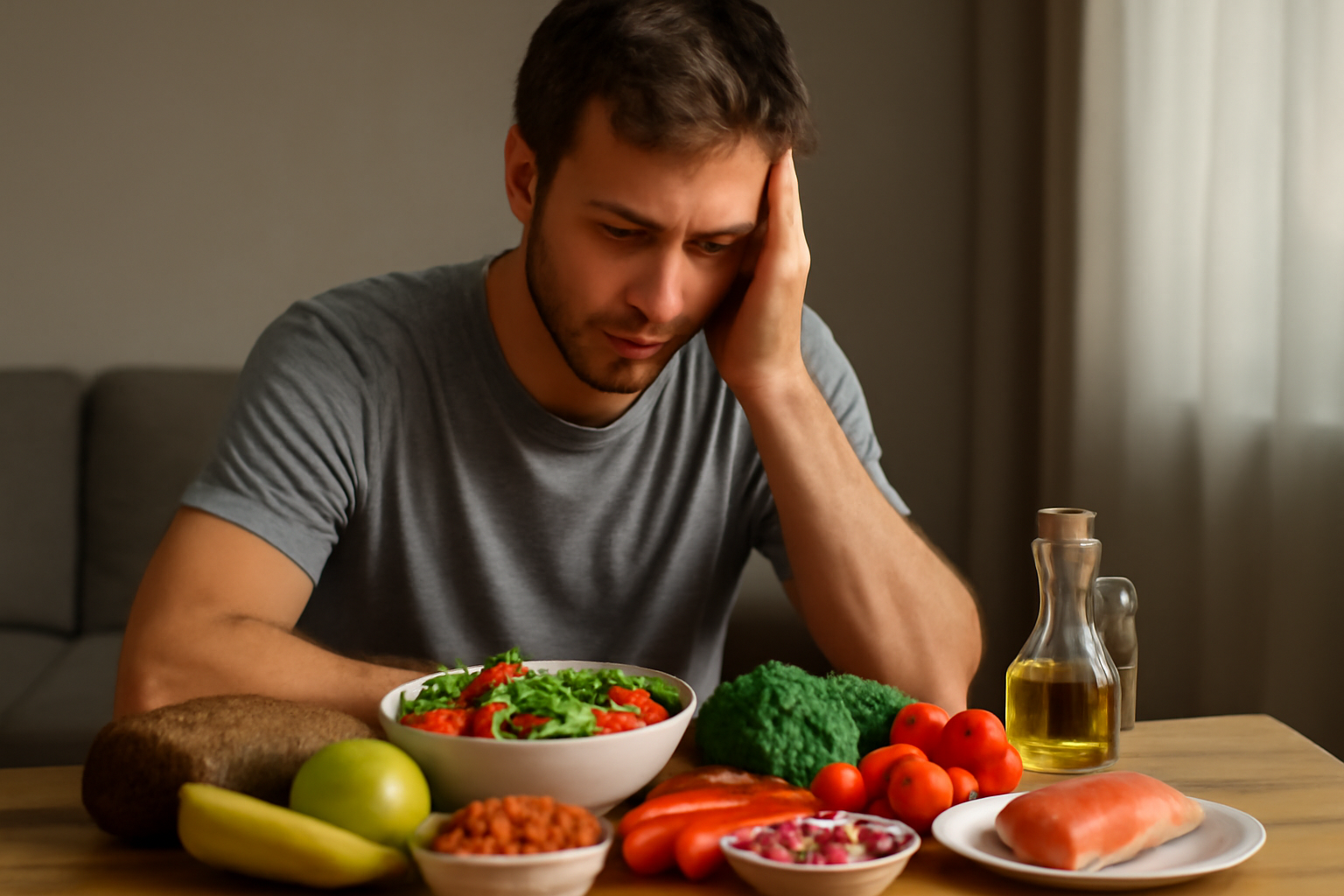
Understanding the mechanisms by which diet affects mental health can provide deeper insights into its role in managing depression. Here are some key processes:
- Inflammation reduction: Diets rich in antioxidants and omega-3 fatty acids can help reduce inflammation, which is linked to depression.
- Neurotransmitter synthesis: Nutrients like omega-3s and B vitamins are crucial for the production of neurotransmitters, chemicals that regulate mood.
- Gut microbiota modulation: A healthy diet supports a balanced gut microbiome, which has been associated with improved mental health outcomes.
Short-term dietary changes and mood improvement
Even brief dietary interventions can lead to significant mood improvements, especially among young adults with elevated depressive symptoms. Randomized trials indicate that changes implemented over just a few weeks can result in noticeable mood enhancements. However, the key to achieving these benefits lies in adherence to the new dietary patterns. Consistency in making healthier food choices is crucial for sustaining mood improvements over the long term.
In conclusion, while no single food can cure depression, evidence supports the idea that adopting healthier dietary patterns can contribute positively to mental health. By understanding the relationship between diet and depression, individuals can make informed dietary choices that support their mental well-being. Transitioning to a diet rich in whole, minimally processed foods, such as the Mediterranean diet, may offer a promising path to a happier mind.
As you consider making dietary changes, remember that small, consistent steps can lead to meaningful improvements in your mental health. Stay tuned for the next section, where we’ll explore population-based studies and practical dietary advice to help you on your journey to better mental health.
Population-based studies and the diet-mood cycle
Extensive population-based studies have consistently shown that individuals who consume a diet rich in grains, fruits, and vegetables tend to have a lower risk of developing depressive symptoms. These findings underscore the importance of incorporating a variety of nutrient-dense foods into daily meals. However, the relationship between diet and mood is bidirectional. Depression can influence dietary choices, often leading individuals to opt for comfort foods that are high in sugars and processed ingredients, which can further exacerbate depressive symptoms. This cycle highlights the necessity of mindful eating habits to break free from the downward spiral of poor nutrition and declining mental health.
Frequently Asked Questions
Can diet alone cure depression?
No, food for depression is not a standalone cure but can be an essential part of a holistic approach to managing depressive symptoms. It’s important to combine dietary changes with other treatments like therapy and medication.
How quickly can dietary changes affect mood?
Some studies suggest that dietary changes can lead to mood improvements in as little as a few weeks. However, the effects vary based on individual compliance and other factors.
Are there any foods to completely avoid for mental health?
It’s best to limit processed foods and high-sugar items, as these are linked to an increased risk of depression. A focus on whole, nutrient-dense foods is recommended.
Is the Mediterranean diet suitable for everyone?
Generally, the Mediterranean diet is suitable for most people, but individual dietary needs may vary. It’s always best to consult with a healthcare provider to tailor dietary choices to personal health conditions and preferences.