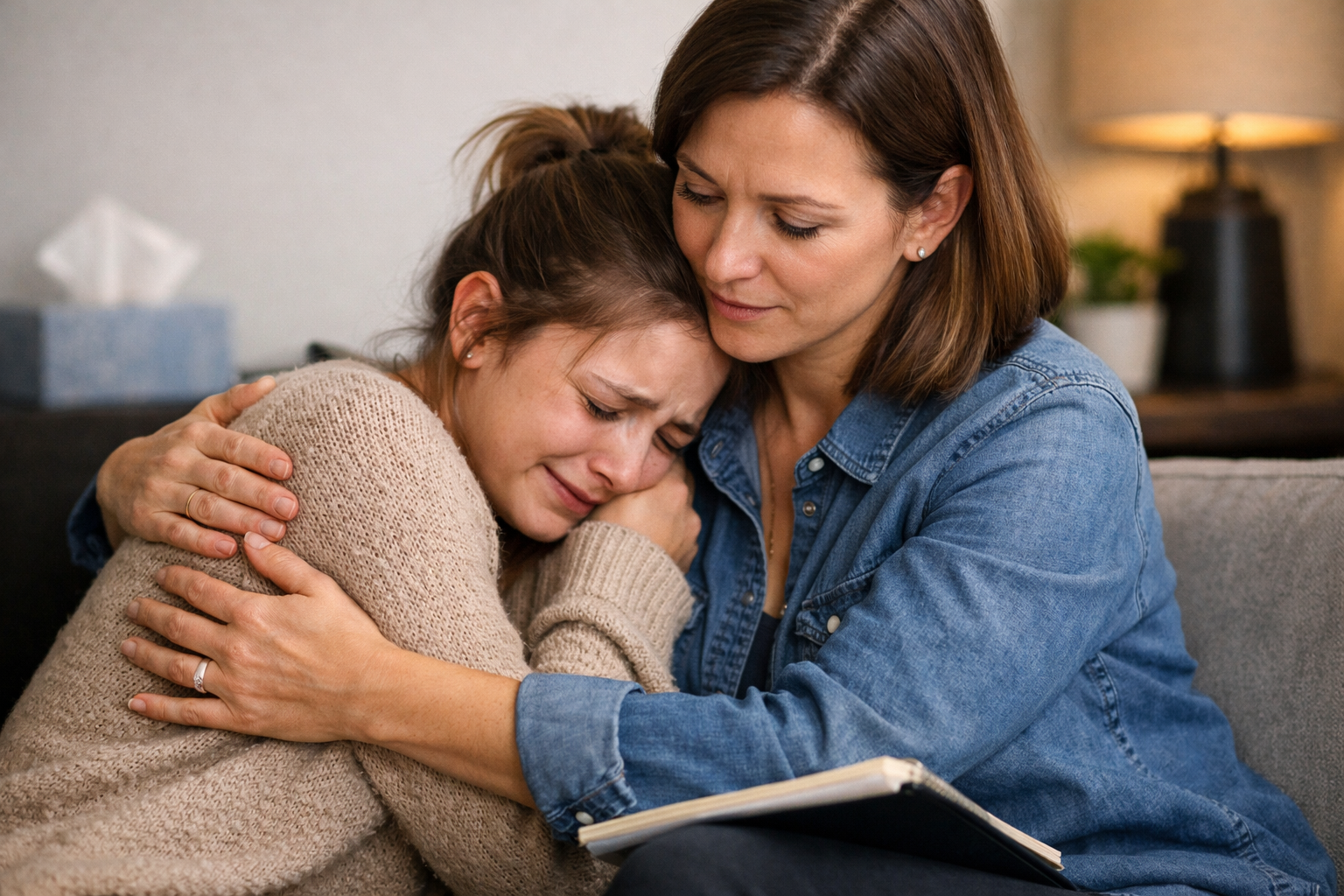

Bullying and suicide are linked in ways that demand immediate attention. When harassment moves beyond insults, it can erode a young person’s sense of safety and worth. That damage sometimes leads to severe depression, self-harm, and tragically, death. Parents, educators, and health professionals need clear information about the scope of the problem and the warning signs that connect bullying and suicide.
Bullying And Suicide As A Public Health Concern
Both in-person bullying and online abuse raise the risk of suicidal thoughts and behaviors. Repeated humiliation, exclusion, and threats can trigger or worsen mental health conditions such as major depression and anxiety. For many young people, the effects of bullying extend beyond school hours because digital platforms allow harassment to continue at home. That constant exposure amplifies the link between bullying and suicide.
Key Statistics To Know
- About 19.2% of U.S. high school students report being bullied on school property.
- Bully-victims show some of the highest rates of suicidal ideation and attempts, making the bullying and suicide connection especially acute for those who both bully and are bullied.
- Victims and perpetrators both report higher suicidal thoughts compared with uninvolved youth, underscoring that involvement in bullying in any role raises risk.
- Cyberbullying increases the odds of suicidality, with studies showing roughly a 1.7 times higher risk when online harassment is present.
- LGBQ+ and transgender youth face two to five times higher rates of bullying and suicide-related thoughts or attempts than their peers.
- Widespread social media use, reported by about three quarters of teens, can correlate with higher rates of victimization, sadness, and suicide planning.
These figures show why conversations about bullying and suicide cannot wait. The relationship is not just theoretical. Repeated peer victimization, feelings of isolation, and untreated depression form a pathway that leads many young people toward crisis. Recognizing the signs early and taking action can reduce harm.
In the next section, we will examine how risk varies by role and demographic group and review the data behind those differences. That deeper look will help families and schools identify who needs support most and which steps reduce the chance that bullying leads to suicide.
Risk levels by role
When examining the link between bullying and suicide, who is involved matters. Rates of suicidal thoughts and attempts differ sharply depending on whether a young person is a bully, a victim, both, or not involved. Presenting those differences clearly helps schools and families prioritize screening and response.
| Bullying role | Suicidal ideation | Suicide attempts |
|---|---|---|
| Uninvolved | 6.3% | 1.2% |
| Bullies | 16.5% | 5.0% |
| Victims | 21.8% | 6.5% |
| Bully-victims | 26.1% | 11.1% |
Those numbers show bully-victims carry the highest burden. Odds ratios reported in research vary widely, from small increases to more than tenfold higher risk in certain groups. Importantly, some longitudinal studies show elevated risk for bully-victims even after accounting for prior mental health issues. That means involvement in bullying can be an independent marker of crisis risk.
Take the 3 minute assessment and build your personalized memory support formula
Your brain is unique. Your inputs should be too.
Cenario quiz
Demographic patterns and cyberbullying
Patterns in the data reveal vulnerable subgroups. Female students, particularly girls who are bully-victims or perpetrators, face higher odds of suicide attempts compared with many male peers. Analyses also find that LGBQ+ and transgender youth experience substantially higher rates of both bullying and suicide-related behaviors, often two to five times greater than cisgender, heterosexual peers.
Online harassment amplifies risk. Cyberbullying is associated with higher odds of suicidality, and frequent social media use can lengthen exposure to harassment and humiliation. Digital abuse can follow students into their homes and spare no relief, which intensifies the connection between bullying and suicide.
How bullying leads to suicide risk
Bullying affects mental health through several pathways. Repeated victimization can trigger or worsen depression, reduce self-esteem, and create social isolation. Public humiliation and chronic stress increase feelings of hopelessness and entrapment. These mental states are strong proximal drivers of suicidal thinking.
At the same time, bullying often co-occurs with other risk factors such as childhood trauma, family conflict, and existing psychiatric conditions. Research shows that while mental health problems mediate some of the effect, bullying involvement remains a distinct risk factor. That is why interventions must address both the behavior and the emotional consequences.
Long-term outcomes and what reduces risk
Chronic bullying predicts poorer adult mental health, including persistent anxiety and depression. The good news is that effective prevention and response can lower both victimization and its downstream harms.
- School-based programs that combine policy, adult supervision, and social-emotional learning often reduce victimization rates. Many evaluations report reductions in victimization often in the 20 to 30 percent range and corresponding improvements in anxiety and depressive symptoms.
- Building school connectedness is protective. Students who feel supported by teachers and peers report lower suicidal ideation even when bullied.
- Early, role-specific screening helps. Identifying bully-victims is critical because they face the highest risk and may need both behavior-focused interventions and clinical assessment.
Practical steps for educators and parents include routine check-ins, clear reporting pathways for both in-person and online incidents, training for staff on trauma-informed response, and prompt referral to mental health care when safety concerns arise. Combining these measures reduces the chance that bullying escalates into a crisis.
Understanding the differences by role, the demographic disparities, and the mechanisms that connect bullying and suicide gives schools and families a clearer roadmap. Focused prevention and timely support can cut risk and protect vulnerable youth.
Long-Term Effects And Interventions
When bullying persists over months or years, its impact often outlasts adolescence. Chronic exposure to harassment can shape adult mental health, increasing risk for persistent depression, anxiety, substance use, and self-harm behaviors. That trajectory helps explain why the link between bullying and suicide is not just immediate. Early patterns of social exclusion and shame can become entrenched, reducing resilience and making future stressors harder to cope with.
Why Chronic Bullying Raises Long-Term Risk
Repeated victimization rewires how young people view themselves and others. Over time they may develop a core belief that they are unsafe or unworthy. Those internalized messages increase the likelihood that suicidal thoughts will surface during later crises. For some bully-victims, who both perpetrate and experience abuse, the combination of shame and learned aggression compounds risk and complicates recovery.
Evidence-Based School Interventions
Several school-based approaches reduce both bullying and downstream mental health harms. Effective programs tend to have these features:
- Clear policies and consistent enforcement that establish consequences for bullying and protect reporting students.
- Adult supervision in social spaces and structured opportunities for positive peer interaction.
- Social-emotional learning that teaches empathy, emotion regulation, and conflict resolution.
- Staff training in trauma-informed response so educators can identify and support at-risk youth.
Evaluations commonly report 20 to 30 percent reductions in victimization and measurable improvements in anxiety and depressive symptoms. Integrating mental wellness support options on campus and providing confidential referral pathways further weakens the link between bullying and suicide.
Discover what your body needs to support mood and emotional balance.
Small changes in input can create meaningful shifts over time.
Explore more depression-related guides.
What Educators And Parents Can Do
Both teachers and caregivers play distinct but complementary roles in prevention and response.
- Educators should create predictable routines, enforce anti-bullying policies, and hold regular check-ins with students who show social withdrawal.
- Parents can model respectful conflict resolution, monitor online activity without shaming, and validate a child’s feelings while connecting them to help.
- When signs of distress appear, immediate safety assessment and referral to a mental health professional are essential.
Prompt, coordinated action across home and school reduces the chance that bullying and suicide become linked in a young person’s life.
Measuring Success And Sustaining Change
Programs should track both short-term outputs and long-term outcomes. Useful measures include incident reports, student surveys on school connectedness, rates of counseling referrals, and changes in anxiety or depressive symptoms. Regular review helps schools refine strategies and maintain gains over time.
Final Thoughts And Call To Action
The relationship between bullying and suicide is complex but preventable. Reducing that risk requires early identification, role-specific support for bully-victims, consistent school policies, and active family involvement. If you are an educator, parent, or policymaker, commit to routine screening, trauma-informed training, and clear reporting systems. These steps save lives.
If you suspect a young person is in crisis, contact local mental health services or emergency responders immediately and remove access to means of harm. Stay engaged, listen without judgment, and escalate concerns quickly. Your actions matter.
Take the 3 minute assessment to find your personalized mood support formula.
Support should be specific, not generic.
Learn more about depression and how it affects the brain.
Frequently Asked Questions
How effective are school anti-bullying programs at reducing bullying and suicide risk?
Well-designed school programs that combine policy, adult supervision, and social-emotional learning reduce bullying and associated mental health problems. These interventions lower the chance that bullying and suicide become linked by improving connectedness and increasing access to support.
Can cyberbullying cause the same suicide risk as in-person bullying?
Yes. Cyberbullying extends the reach and duration of harassment, which can increase the likelihood that bullying and suicide are connected. Persistent online abuse removes safe spaces and can intensify feelings of hopelessness.
What immediate signs suggest a bullied young person may be at risk of suicide?
Warning signs include talk of hopelessness, social withdrawal, dramatic mood changes, giving away possessions, and sudden decline in performance. Noticing these indicators can help prevent bullying and suicide by prompting rapid assessment and support.