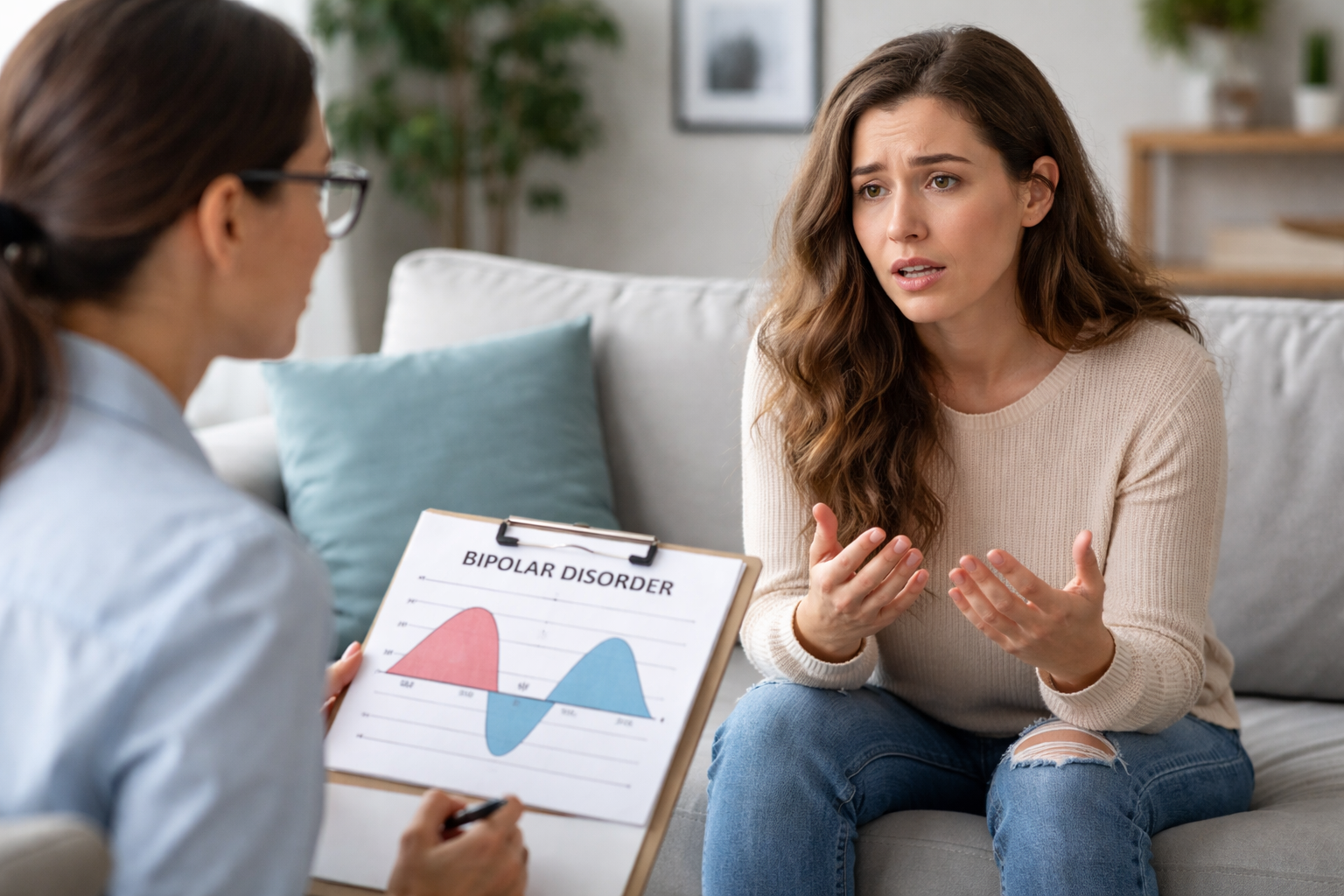

Mood swings in women are common and can affect everything from relationships to work performance. These emotional ups and downs often appear more in women than in men, which leads many people to ask why. Understanding the causes of mood swings in females can help improve both mental health and overall well-being.
The Complex Nature of Mood Swings
Mood swings aren’t caused by just one thing—they happen because of many different factors. Hormonal fluctuations during the menstrual cycle, pregnancy, and menopause are well-known triggers. However, mental health conditions, stress, certain medications, and other physical health issues also play big roles.
Why It’s Important to Understand Mood Swings
Understanding the reasons behind mood swings can lead to better emotional control and improved quality of life. It can also help reduce the stigma around mental health conditions, encouraging more women to seek help from a mental health professional when needed.
Let’s explore both hormonal and non-hormonal causes in more detail, along with practical tips to manage them.
Hormonal Fluctuations and Their Impact on Mood
Hormonal changes are a top reason women experience mood swings.
- Menstrual Cycle: Changes in estrogen and progesterone before a period starts can affect brain chemicals like serotonin. This can lead to premenstrual syndrome (PMS), which includes common symptoms like moodiness, irritability, and sadness. A more serious condition, premenstrual dysphoric disorder (PMDD), affects about 5% of women.
- Menopause and Perimenopause: As women age, hormone levels drop, especially estrogen. These shifts can lead to mood disorders, including symptoms like anxiety, depression, and anger.
- Puberty: Teen girls often face intense emotions due to rapidly changing hormones, causing mood changes and sensitivity.
- Pregnancy and Postpartum: Pregnancy brings major hormonal shifts. After birth, many women experience the “baby blues” or even postpartum depression, which includes serious emotional symptoms.
Other Contributing Factors to Mood Swings
Mood swings aren’t always tied to hormones. Here are other possible causes:
- Mental Health Conditions: Disorders like bipolar disorder, depression, anxiety, and borderline personality disorder can lead to unpredictable mood changes. These mental health conditions can exist with or without hormonal changes.
- Medications: Certain drugs—like birth control, antidepressants, and steroids—can have side effects that include mood swings.
- Physical Health Conditions: Diseases such as PCOS (polycystic ovary syndrome), endometriosis, thyroid problems, and even blood sugar imbalances can affect mood.
- Stress and Genetics: High stress levels and genetic predisposition can make someone more sensitive to emotional changes, especially when hormones are also shifting.
Sociocultural Influences on Mood
Cultural beliefs and societal expectations also impact how mood swings are handled. In many places, discussing emotions is still taboo, which can prevent women from seeking support. Raising awareness and encouraging open conversations can make it easier for women to access care and support.
How to Manage Mood Swings
Managing mood swings isn’t just about reacting to emotions—it’s about creating healthy habits and getting the right support. Whether caused by hormonal fluctuations, stress, or an underlying mental health condition, the following strategies can make a big difference in how you feel.

Exercise Regularly
Physical activity releases endorphins, the “feel-good” chemicals in your brain. Exercise also helps regulate blood sugar, reduce stress, and improve sleep—factors that directly affect your mood. Activities like walking, dancing, swimming, or yoga can all help you feel more balanced emotionally.
Eat a Balanced Diet
What you eat has a big impact on your hormones and mental well-being. A healthy diet that includes whole grains, lean proteins, fruits, and vegetables can help stabilize your mood. Avoiding too much sugar or caffeine can prevent mood crashes. Don’t forget key nutrients like magnesium, omega-3 fatty acids, and vitamin D, which are linked to emotional health.
Get Enough Sleep
Sleep is essential for brain function and mood regulation. When you don’t get enough rest, your stress levels rise and emotional control weakens. Aim for 7–9 hours of quality sleep each night to help reduce mood swings and improve overall mental health.
Try Stress-Reducing Practices
Chronic stress can make mood swings worse. Using relaxation techniques like mindfulness, deep breathing, journaling, or guided meditation can calm the nervous system and improve emotional stability. Even spending time in nature or doing a creative hobby can reduce stress and lift your mood.
Lean on Your Support System
Talking to someone you trust—like a friend, family member, or partner—can ease emotional burdens. A strong support network helps you feel understood, cared for, and less alone during difficult times. It’s okay to ask for help or simply have someone listen when you’re feeling off.
Seek Professional Help When Needed
If mood swings are severe, long-lasting, or interfering with your daily life, it’s important to speak with a doctor or mental health professional. They can evaluate whether therapy, medication, or hormone therapy might help. Conditions like bipolar disorder, PMDD, or depression often require medical treatment to improve.
Herbal and Natural Remedies for Mood Swings
Alongside lifestyle changes and medical treatments, many women turn to natural remedies and herbal supplements to help manage mood swings. These options appeal to those seeking a more holistic or gentle approach.

Popular Natural Remedies
- Magnesium: Helps calm the nervous system and regulate mood, especially during PMS or perimenopause. Found in leafy greens, nuts, and whole grains.
- Vitamin D: Low levels are linked to mood disorders. Sun exposure or supplements may help balance emotions.
- Omega-3 Fatty Acids: Found in fish oil and flaxseeds, these support brain health and may ease anxiety and depression symptoms.
- Chasteberry (Vitex): A popular alternative treatment for PMS, believed to help balance hormones and reduce irritability and sadness.
- St. John’s Wort: Commonly used for mild to moderate depression. It’s effective but can interact with medications—consult a doctor first.
- Evening Primrose Oil: Sometimes used for PMS-related mood swings, though research results are mixed.
Important Reminder
Natural remedies aren’t one-size-fits-all. Effects vary, and some herbs can cause side effects or interfere with other medications. Always speak with a doctor before starting new supplements.
With the right combination of alternative treatments, healthy habits, and medical advice, many women find greater emotional balance and improved well-being.
Not sure which remedy is right for you?
Take our quiz to get a personalized supplement recommendation based on your symptoms and health goals.
Frequently Asked Questions
How do I know if my mood swings are something serious?
Mood swings become serious when they are frequent, intense, or start to disrupt your daily life, relationships, or work. If you feel out of control emotionally, experience symptoms like persistent sadness, irritability, or sudden mood changes without a clear reason, it may point to an underlying mental health condition such as bipolar disorder, PMDD, or depression.
In these cases, it’s important to speak with a mental health professional to get a proper evaluation and support.
What is an example of a mood swing?
A mood swing could look like suddenly going from feeling happy and calm to irritated or sad for no clear reason. For example, someone might feel excited one minute, then overwhelmed or tearful the next—especially around their period or during stressful situations.
How to deal with a woman’s mood swings?
Be patient, supportive, and avoid judgment. Instead of trying to “fix” her emotions, listen and offer help when asked. Encourage open conversations, and if needed, suggest she talk to a mental health professional. Understanding that mood swings may be tied to hormonal fluctuations or mental health conditions can help create a more supportive environment.
By recognizing the causes of mood swings in females, both hormonal and non-hormonal, women can take steps toward better emotional health. Open dialogue, support, and professional guidance can make a big difference in managing these ups and downs.