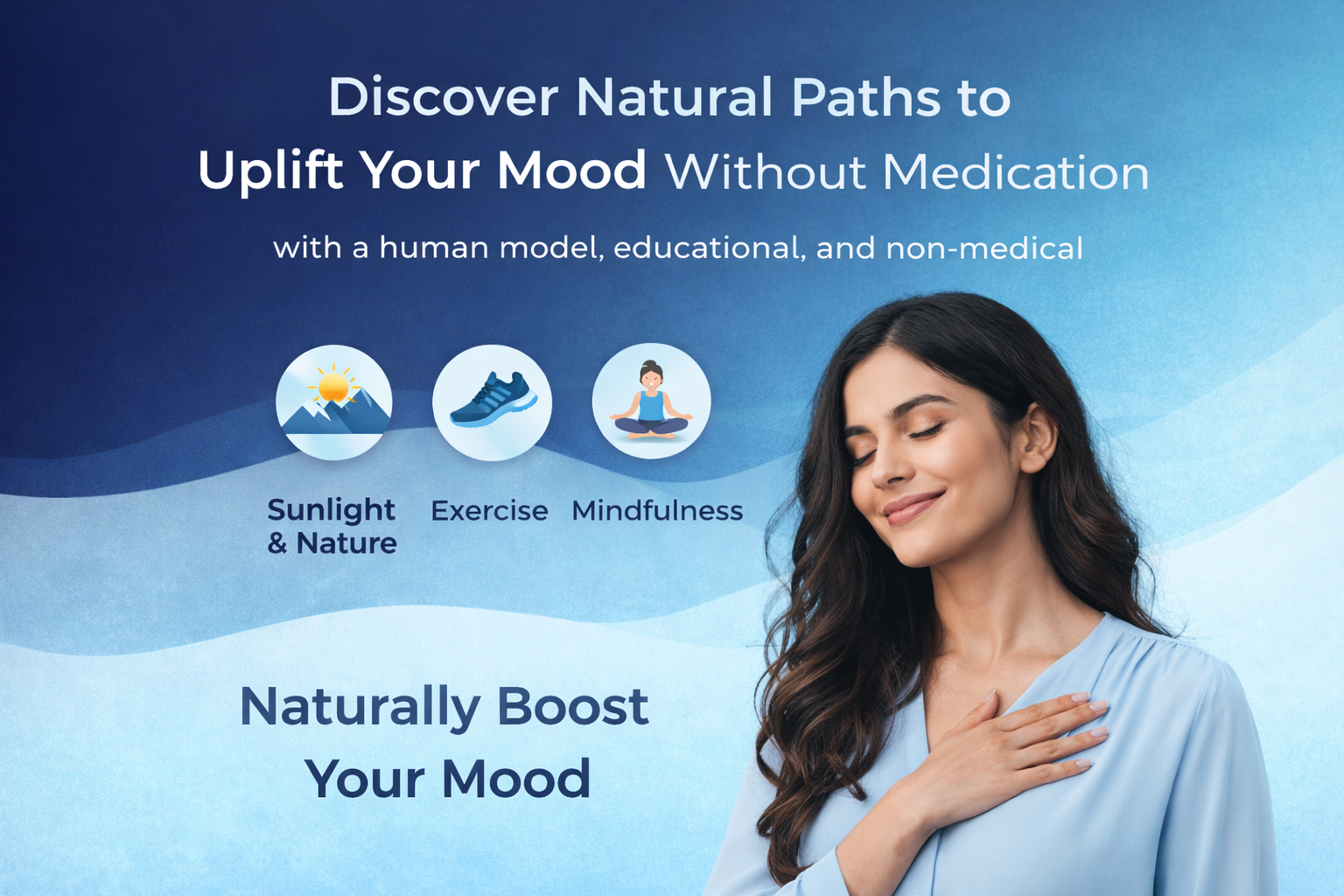

In recent years, there has been a noticeable shift towards exploring natural and holistic alternatives to traditional antidepressants. This growing interest is driven by a desire for fewer side effects and a more integrative approach to mental health. Many individuals are seeking ways to uplift their mood and manage depression without relying solely on medication, opening the door to a variety of non-pharmaceutical paths.
Understanding the Prevalence of Depression
Depression is a common mental health condition affecting millions worldwide. Traditionally, antidepressant medications have been a go-to solution for managing symptoms. However, these medications often come with potential side effects and limitations, leading some to question whether they are the best option for everyone. As a result, many people are turning to alternative methods that may offer effective mood enhancement and depression management without the drawbacks of conventional medications.
Exploring Non-Pharmaceutical Paths
The search for alternatives to antidepressants has led to the discovery of various natural and lifestyle-based options. These alternatives aim to provide individuals with evidence-based solutions that align with their preferences and health needs. From herbal remedies to lifestyle changes and psychological interventions, there is a broad spectrum of options available for those looking to manage their mental health in a more holistic way.
Purpose of This Exploration
This blog post sets the stage for a comprehensive exploration of alternatives to antidepressants. Our goal is to provide readers with a range of natural and lifestyle-based options that can help uplift mood and manage depression effectively. By understanding these alternatives, individuals can make informed decisions about their mental health care, potentially finding solutions that better suit their unique circumstances and preferences.
Pharmaceutical Alternatives to Antidepressants
For those who cannot tolerate SSRIs, there are several pharmaceutical alternatives available. These include SNRIs, TCAs, MAOIs, bupropion, and buspirone. Each of these medications works differently in the brain to help alleviate symptoms of depression. For instance, SNRIs like venlafaxine and duloxetine increase serotonin and norepinephrine levels, which can improve mood and energy levels. TCAs, although older, are still effective for some patients, particularly when newer medications fail to provide relief.
It’s crucial to consult with healthcare professionals when considering these options due to their potential side effects and risks. Each medication comes with its own profile of benefits and drawbacks, making professional guidance essential in determining the most appropriate choice.
Exploring Natural Remedies and Supplements
St. John’s Wort
St. John’s Wort is a popular herbal remedy for mild to moderate depression. Research suggests it may be as effective as some standard antidepressants, but it’s important to be aware of potential drug interactions. Those taking other medications should consult with a healthcare provider before starting St. John’s Wort to avoid adverse effects.
SAM-e and Omega-3 Fatty Acids
SAM-e, a compound naturally found in the body, has shown moderate effectiveness in improving mood. Omega-3 fatty acids, commonly found in fish oil, are also considered beneficial for mental health. These supplements can serve as adjuncts to other treatments, enhancing their overall effectiveness. However, it’s important to be aware of potential interactions and consult with a healthcare provider, especially for those with existing health conditions.
Additional Supplements
Other supplements such as saffron, 5-HTP, and B vitamins have varying levels of evidence supporting their use for depression. While saffron has shown promise in some studies, 5-HTP and B vitamins are often recommended as part of a broader nutritional approach to mental health. As with any supplement, it’s essential to consider safety and consult with a healthcare provider to ensure they are suitable for your individual needs.
Lifestyle and Behavioral Interventions
The Impact of Exercise
Exercise is one of the most effective lifestyle interventions for improving mood and reducing symptoms of depression. Regular physical activity releases endorphins, which are natural mood lifters. Whether it’s a daily walk, yoga, or a more structured workout, incorporating exercise into your routine can have significant mental health benefits.
The Role of Psychotherapy
Cognitive Behavioral Therapy (CBT) and other talking therapy are highly effective for managing depression. These therapies help individuals understand and change negative thought patterns, leading to improved mental health. For those with mild to moderate depression, psychotherapy can be a first-line or adjunct treatment, offering long-term benefits without medication.
Mindfulness and Creative Therapies
Mindfulness-based cognitive therapy, art therapy, and ecotherapy offer holistic approaches to mental health. These therapies encourage self-awareness and creative expression, helping individuals connect with their emotions and environment. They can be particularly beneficial for those seeking non-drug interventions.
No generic stacks. Just what fits you.
Answer a few questions and let Cenario guide you.
Exploring these alternatives to antidepressants provides a range of options for those seeking to manage depression through natural and lifestyle-based approaches. By considering these evidence-based solutions, individuals can find the right path to mental wellness that aligns with their preferences and health needs.
Emerging and Complementary Therapies
Repetitive Transcranial Magnetic Stimulation (rTMS)
Repetitive Transcranial Magnetic Stimulation (rTMS) is a non-invasive treatment that has gained attention as an alternative to antidepressants. By using magnetic fields to stimulate nerve cells in the brain, rTMS aims to improve symptoms of depression. Research into its efficacy is ongoing, but it shows promise for those who have not responded to traditional treatments. As with any medical intervention, it’s important to consult with a healthcare provider to determine suitability.
Complementary Therapies
Complementary therapies such as acupuncture, massage, and Ayurveda are increasingly being used to support mental health. Acupuncture, for instance, is believed to balance the body’s energy flow, potentially alleviating symptoms of depression. Massage therapy can reduce stress hormones and promote relaxation, while Ayurveda focuses on holistic balance through diet, herbal treatments, and lifestyle changes. These therapies are generally considered safe for mild cases of depression or as adjuncts to other treatments. However, consulting with a professional is advisable to ensure they complement your overall health plan.
The Role of Social Support and Community Engagement
Social connections play a crucial role in managing depression. Engaging with supportive community can significantly mitigate the risk of depression and aid in recovery. Whether through family, friends, or community groups, having a network of support can provide emotional comfort and practical assistance. Participating in group activities or volunteering can also enhance a sense of purpose and belonging, further uplifting mood and mental well-being.
Comparison of Alternatives
To assist readers in making informed decisions, the following table summarizes key features and considerations of each alternative discussed:
| Alternative | Benefits | Considerations |
|---|---|---|
| Pharmaceutical Alternatives | Effective for those intolerant to SSRIs | Potential side effects; requires professional consultation |
| St. John’s Wort | Herbal remedy with evidence for mild depression | Potential drug interactions; consult healthcare provider |
| SAM-e and Omega-3 | Adjuncts with moderate evidence | Potential interactions; consult healthcare provider |
| Exercise | Improves mood and reduces depression symptoms | Requires regular commitment |
| Psychotherapy | Effective for managing depression | May require time and financial investment |
| rTMS | Non-invasive; promising for treatment-resistant cases | Availability and cost; consult healthcare provider |
| Complementary Therapies | Supports overall well-being | Varies in evidence; consult healthcare provider |
| Social Support | Reduces depression risk; aids recovery | Requires active engagement |
Your mood is personal. Your supplements should be too.
Take the Cenario quiz to get a tailored starting point.
Frequently Asked Questions
What are the most effective natural alternatives to antidepressants?
Some of the most effective natural alternatives to antidepressants include supplements like St. John’s Wort and lifestyle changes such as regular exercise. Both have shown promise in improving mood and managing depression symptoms.
Are there risks associated with natural remedies for depression?
Yes, natural remedies can have potential risks, including drug interactions. It is important to consult with a healthcare provider before starting any new treatment to ensure it is safe and appropriate for your individual health needs.
How can I choose the right alternative treatment for me?
Choosing the right alternative treatment involves considering personal preferences, the severity of depression, and professional advice. Consulting with healthcare professionals can help tailor a treatment plan that aligns with your health goals and lifestyle.
Can lifestyle changes really make a difference in managing depression?
Absolutely, lifestyle changes can significantly impact depression management. Exercise, social support, and mindfulness practices have substantial evidence supporting their effectiveness in improving mood and reducing symptoms.
.