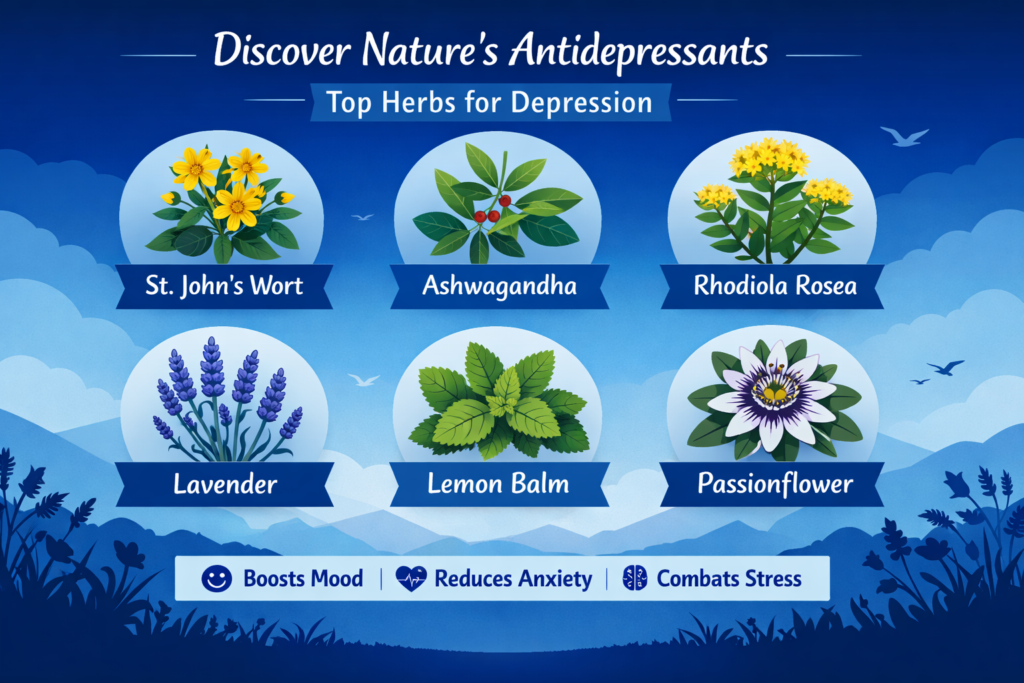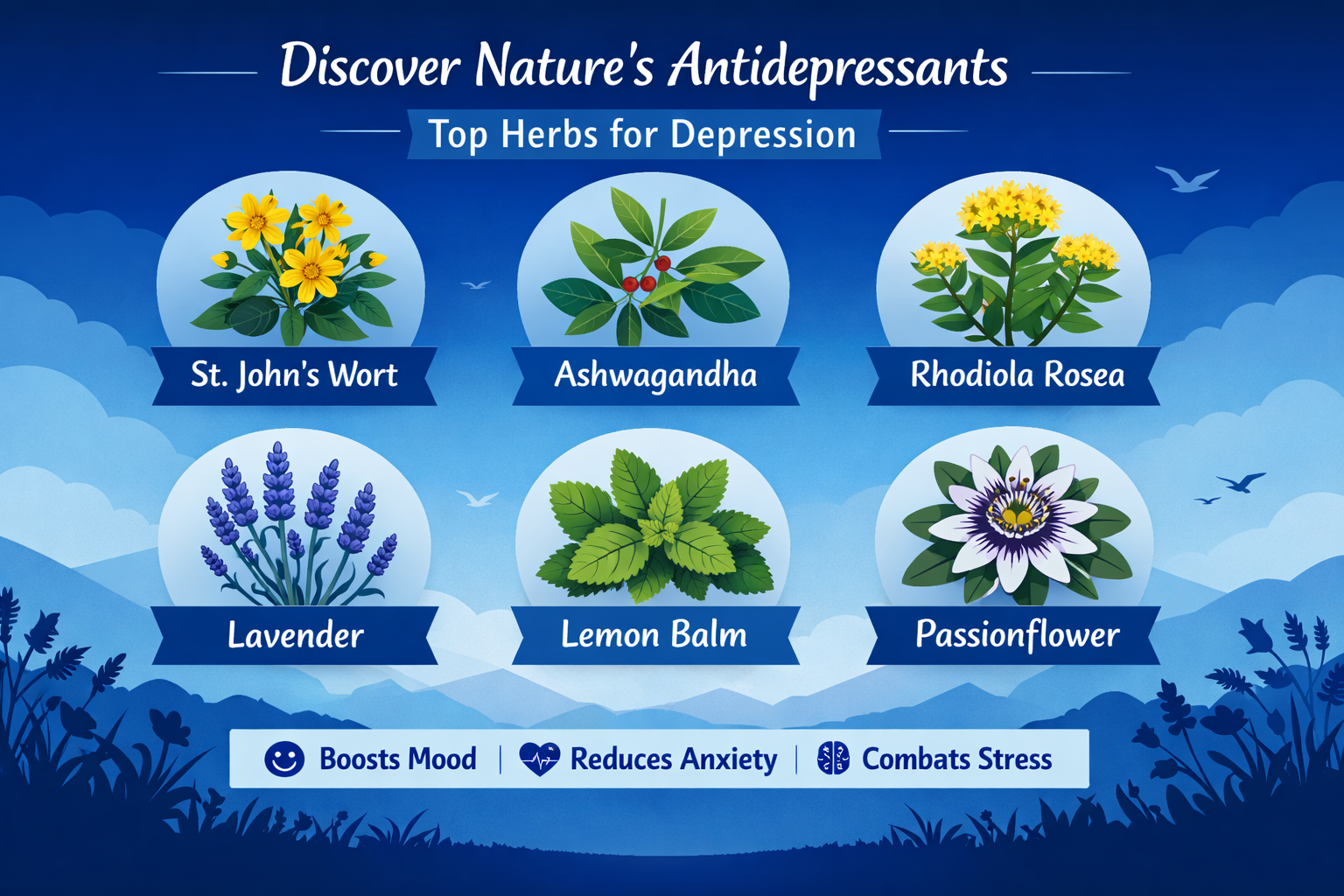

In recent years, there has been a growing interest in natural remedies for mental health, particularly in addressing depression. This shift towards nature’s solutions is not new; herbs have long been used in traditional medicine to enhance mood and alleviate stress. As more people seek alternatives to pharmaceutical treatments, the spotlight has turned to the potential of herbs to provide relief from depression.
Understanding Depression and Herbal Remedies
Depression is a common mental health disorder that affects millions of people worldwide. It is characterized by persistent feelings of sadness, loss of interest, and a range of emotional and physical problems. The prevalence of depression in modern society has led many to explore various treatment options, including herbal remedies. These natural alternatives are appealing to those who prefer a holistic approach or wish to complement their existing treatment plans.
Herbal remedies offer a promising avenue for those looking to manage depression without the side effects often associated with conventional medications. While not a substitute for professional medical advice or treatment, herbs can play a supportive role in a comprehensive mental health strategy. The use of herbs for depression is backed by a growing body of scientific research, which highlights their potential benefits and mechanisms of action.
The Purpose of This Exploration
This blog post aims to delve into the most effective herbs for depression, providing insights based on scientific research. By focusing on evidence-based approaches, we will explore how these natural remedies can support mental health. It is crucial to approach the use of herbs with an understanding of their potential and limitations, ensuring that any treatment plan is both safe and effective.
As we embark on this exploration, it is important to remember that while herbs can offer benefits, they should be used responsibly and in consultation with healthcare professionals. This ensures that they complement other treatments and do not interfere with any existing medications. Join us as we uncover the top herbs for depression and their role in promoting mental well-being.
Exploring the Most Frequently Cited Herbs
St. John’s Wort: A Well-Researched Herbal Remedy
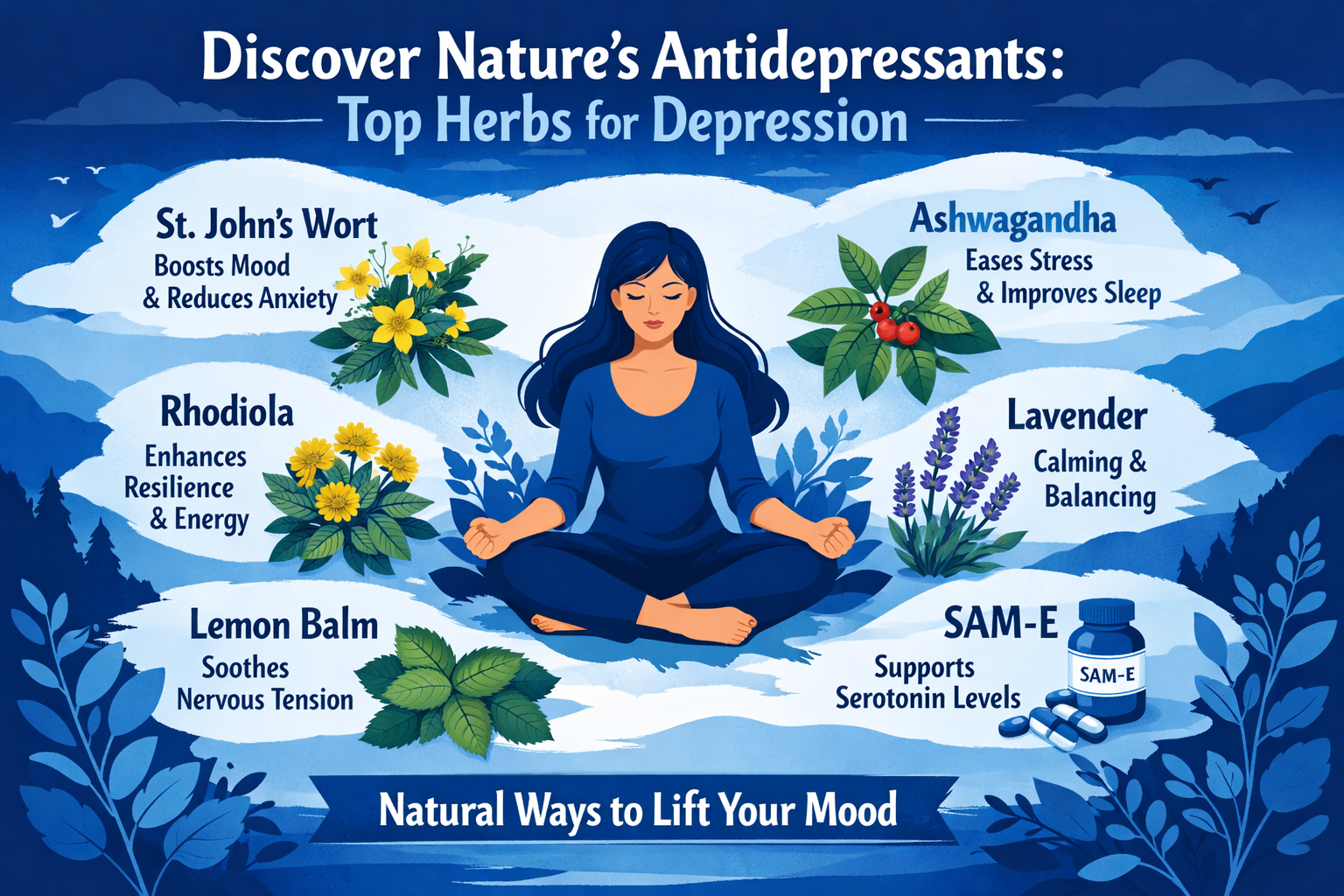
St. John’s Wort (_Hypericum perforatum_) stands out as one of the most researched herbs for depression. Numerous randomized controlled trials (RCTs) have demonstrated its effectiveness, particularly for mild-to-moderate depression. Its efficacy has been compared to some prescription antidepressants, making it a popular choice for those seeking natural alternatives. However, it’s crucial to note that St. John’s Wort can interact with other medications, affecting their metabolism. Therefore, medical supervision is strongly advised when using this herb.
Saffron: A Bright Spot in Depression Treatment
Saffron (_Crocus sativus_) has gained attention for its antidepressant effects, which are comparable to medications like fluoxetine and imipramine. Clinical studies have shown saffron’s benefits for mild-to-moderate depression and its positive impact on various comorbid conditions. This vibrant spice not only adds color to dishes but also holds promise for enhancing mental well-being.
Lavender: A Gentle Mood Enhancer
Lavender (_Lavandula angustifolia_) is well-known for its calming properties. Clinical trials have reported mood improvements and reductions in depression scores, particularly for mild forms of depression. Its gentle nature and affordability make lavender an appealing option, though its efficacy at higher doses remains a topic of debate. As a versatile herb, lavender can be used in various forms, from essential oils to teas.
Turmeric: The Golden Spice with Antidepressant Potential
Turmeric (_Curcuma longa_) contains curcumin, a compound that may act as an antidepressant and anti-inflammatory agent. Some RCTs have found significant improvements in depression symptoms when compared to placebo treatments. Turmeric’s ability to impact neurochemical pathways makes it a notable herb in the realm of natural mood enhancers.
Rhodiola Rosea: An Emerging Herbal Ally
Rhodiola rosea is gaining recognition for its potential antidepressant effects. Emerging evidence from systematic reviews suggests its benefits, though more research is needed to confirm its efficacy. This adaptogenic herb may help the body adapt to stress, offering additional support for mental health.
Other Promising Herbal Options
In addition to the herbs mentioned above, other plants like lemon balm, passionflower, chamomile, black cohosh, and chasteberry show promise for both depression and anxiety relief. While the evidence is less extensive, these herbs warrant further exploration in clinical settings to better understand their potential benefits.
Supplementary Options for Enhancing Mental Health
Beyond herbs, various supplements such as omega-3 fatty acids, omega-3 fatty acids, folic acid, tryptophan, zinc, probiotics, melatonin, and magnesium are often discussed in the context of mental health support. These supplements can be used alongside herbal therapies or as standalone remedies. However, the evidence for their efficacy is mixed or insufficient, highlighting the need for individualized approaches and professional guidance.
Conclusion
The exploration of herbs for depression offers a glimpse into nature’s potential to support mental health. While herbs like St. John’s Wort and saffron have robust evidence backing their use, others like lavender and turmeric provide gentle options for mood improvement. As interest in natural remedies grows, it remains essential to approach herbal treatments with caution and consult healthcare professionals to ensure safety and efficacy.
By understanding the benefits and limitations of these herbs, individuals can make informed decisions about incorporating them into their mental health strategies. As research continues to evolve, the role of herbs in depression treatment will likely expand, offering hope for those seeking holistic approaches to well-being.
Trends and Recommendations for Herbal Depression Treatments
Among the herbs explored, _St. John’s Wort_ and _Saffron_ consistently rank as the most effective based on rigorous scientific studies. _St. John’s Wort_ is often compared to prescription antidepressants, while _Saffron_ has shown efficacy comparable to selective serotonin reuptake inhibitors (SSRIs). These herbs have become popular choices for those seeking natural alternatives or complements to conventional treatments.
In addition, _Lavender_ and _Turmeric_ are recognized as gentle options for mood improvement. _Lavender_, known for its calming properties, is particularly appealing due to its affordability and versatility, although its effectiveness at higher doses is debated. _Turmeric_, with its active compound curcumin, offers potential benefits through its anti-inflammatory and neurochemical effects.
It’s important to consult with a healthcare professional before starting any herbal treatment, especially due to potential interactions with other medications. _St. John’s Wort_, for instance, is known to affect liver enzymes and may alter the effectiveness of other drugs. Professional guidance ensures that herbal remedies are used safely and effectively.
Combining Herbal and Conventional Treatments
The trend towards using herbs as adjuncts with conventional pharmacotherapy is gaining traction. This approach can help mitigate side effects associated with prescription medications and enhance overall well-being. By integrating herbal remedies with traditional treatments, individuals may experience improved outcomes and a more balanced mental health strategy.
For those considering this combination, it’s essential to work closely with healthcare providers to tailor a treatment plan that addresses individual needs and ensures compatibility between herbal and pharmaceutical therapies.
Still unsure what to take?
Answer a few questions and get a personalized supplement recommendation instantly. [Take Cenario Quiz now!](https://cenario.com/quiz/)
Frequently Asked Questions
What are the most effective herbs for depression?
Research highlights _St. John’s Wort_ and _Saffron_ as the most effective herbs for depression, with numerous studies supporting their use for mild-to-moderate cases.
Can herbs be used alongside prescription antidepressants?
Yes, herbs can be used in combination with prescription antidepressants, but it is crucial to do so under medical supervision to avoid potential interactions and ensure safety.
Are there any side effects or interactions to be aware of?
Common side effects and interactions include those associated with _St. John’s Wort_, which can interact with various medications by affecting liver enzymes. Consulting with a healthcare provider is essential.
How should one start using herbs for depression?
Begin by consulting a healthcare professional to discuss your specific needs and any existing treatments. They can guide you on appropriate herbs and dosages to start with.
Is there scientific evidence supporting the use of herbs for depression?
Yes, there is substantial scientific evidence supporting the use of certain herbs like _St. John’s Wort_ and _Saffron_ for depression, although further research is needed to confirm the efficacy of other herbs.
.