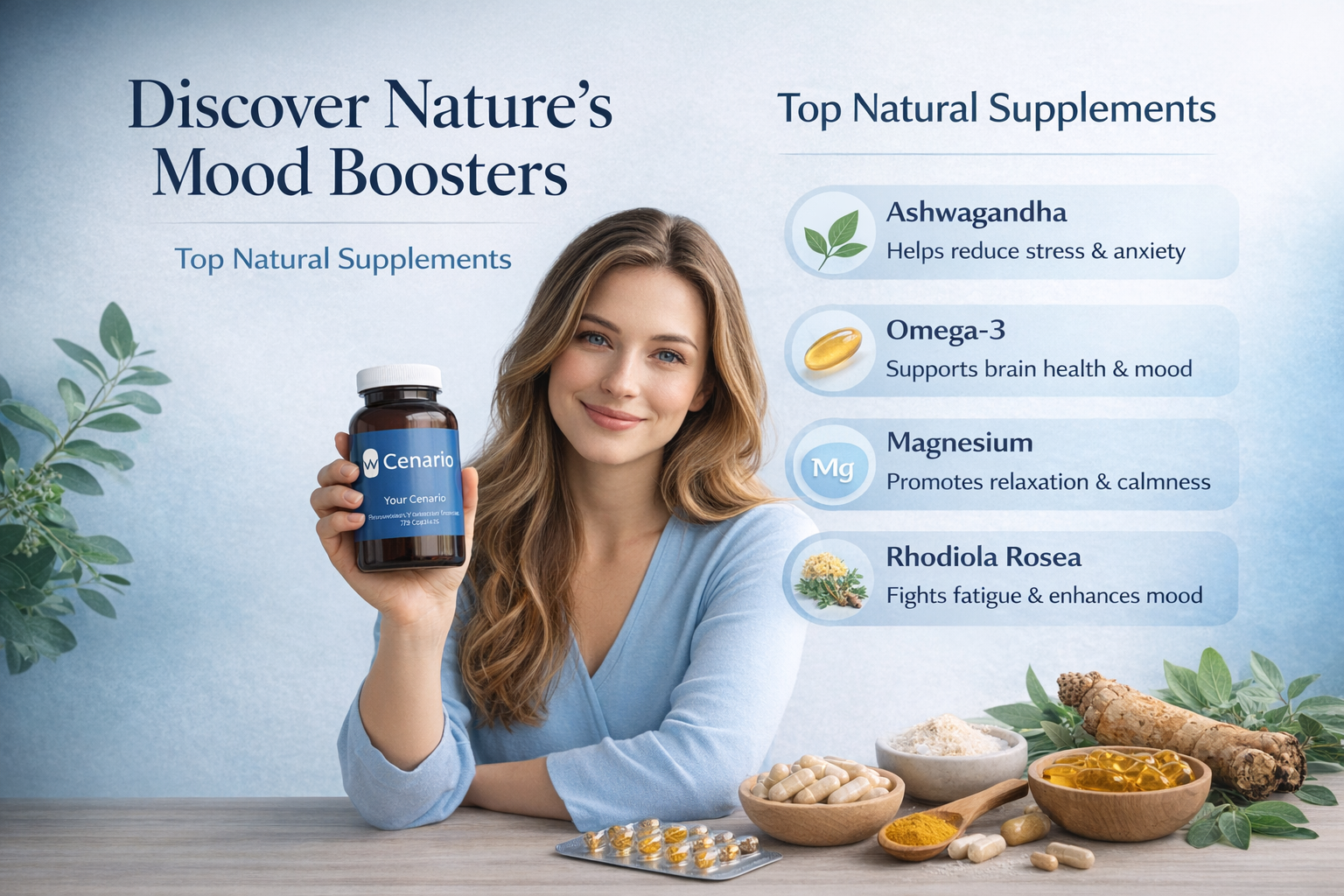

In recent years, there has been a noticeable shift towards exploring natural antidepressant supplements as alternatives to traditional prescription medications. This trend is fueled by a growing interest in holistic wellness and a desire to minimize the side effects often associated with conventional treatments. People are increasingly looking for ways to manage their mental health through natural means, seeking options that align with a more balanced lifestyle.
The Rise of Natural Remedies
Depression is a widespread condition that affects millions of individuals worldwide. While conventional antidepressants play a crucial role in treatment, they are not without their limitations. Many users experience side effects that can range from mild to severe, and medication interactions can complicate treatment plans. This has led to an increased interest in natural supplements as a complementary approach, particularly for those with mild-to-moderate depression.
Natural supplements offer an appealing alternative for individuals seeking to enhance their mental well-being without the drawbacks of prescription drugs. These supplements are believed to provide mood-boosting benefits with fewer side effects, making them an attractive option for many.
Purpose and Scope of the Blog
The aim of this blog post is to delve into the world of natural antidepressant supplements, focusing on those that are backed by scientific evidence. We will explore various supplements that have shown promise in alleviating symptoms of depression, providing insights into their potential benefits and mechanisms of action. However, it is important to note that while these natural options can be beneficial, they are not a replacement for professional medical advice. Consulting with healthcare providers before starting any new supplement regimen is crucial to ensure safety and efficacy.
By the end of this post, you’ll have a clearer understanding of the natural supplements available and how they might fit into a holistic approach to managing depression. Whether you’re exploring these options for yourself or a loved one, this guide aims to provide valuable information to help you make informed decisions about your mental health journey.
Supplements with Strongest Evidence
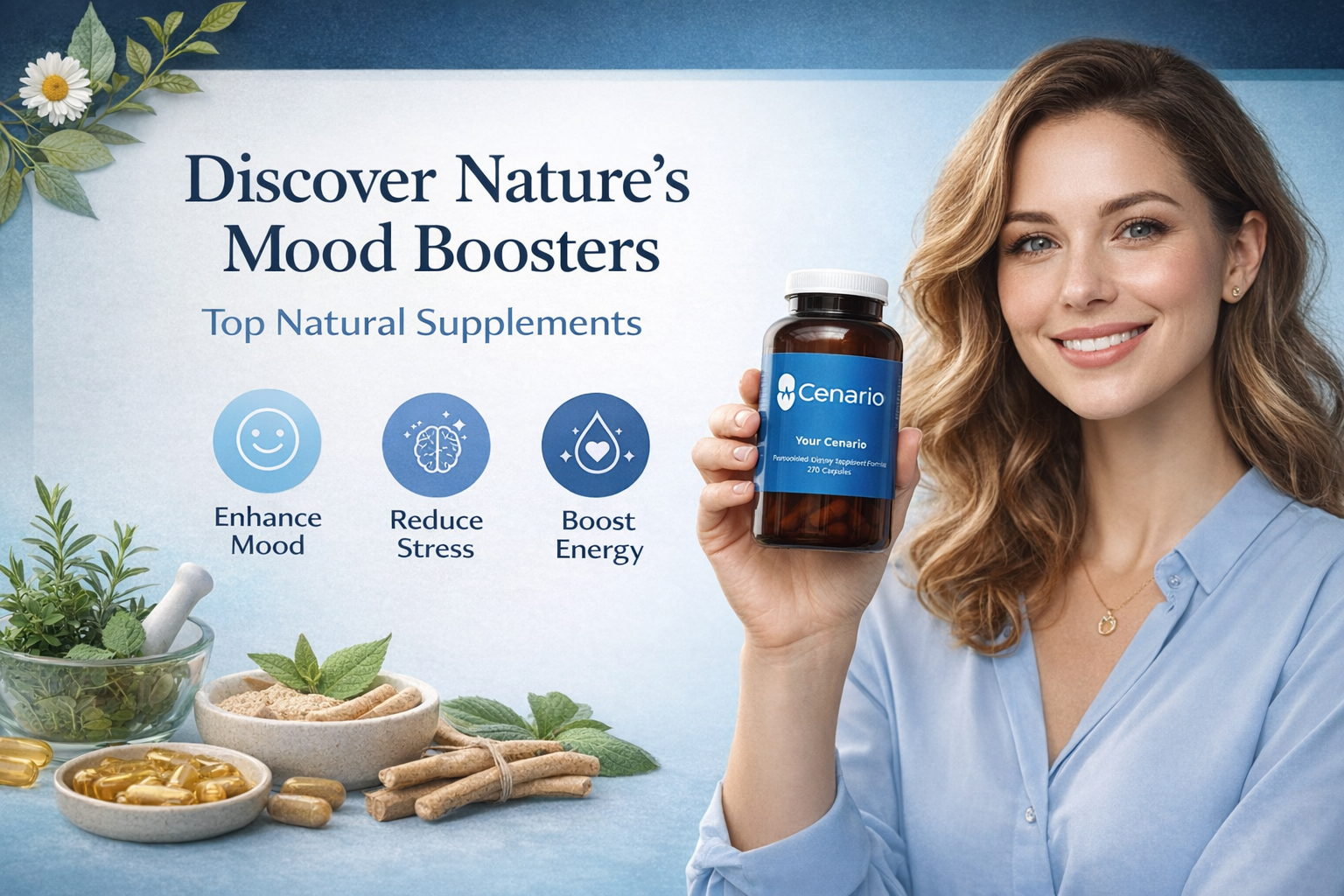
When exploring natural antidepressant supplements, several options stand out due to their substantial clinical support. These supplements have shown promise in alleviating symptoms of depression, particularly in mild-to-moderate cases.
St John’s Wort
St John’s Wort is one of the most researched natural supplements for depression. Studies have consistently shown its effectiveness in treating mild-to-moderate depression, with some findings suggesting it can be as effective as standard antidepressants. However, it is essential to note the regulatory cautions associated with its use. St John’s Wort can interact with various medications, such as oral contraceptives and anticoagulants, due to its influence on liver enzymes. Additionally, the lack of standardization in its preparation can lead to varying efficacy and safety profiles.
Omega-3 Fatty Acids
Omega-3 fatty acids, commonly found in fish oil supplements, have been studied for their potential mood-enhancing properties. These fatty acids, particularly EPA and DHA, are thought to have anti-inflammatory effects and influence neurotransmitter pathways, which may help improve mood. While some trials have shown positive results, others have yielded mixed outcomes, highlighting the importance of proper dosage and EPA/DHA content in supplements for achieving desired effects.
No generic stacks. Just what fits you.
Answer a few questions and let Cenario guide you.
Saffron
Saffron, a spice derived from the Crocus sativus flower, has demonstrated antidepressant properties in multiple randomized controlled trials (RCTs). Its efficacy is often compared to conventional antidepressants, and it also shows potential benefits for comorbid conditions like anxiety. Saffron is believed to increase serotonin levels and has antioxidant properties, contributing to its mood-enhancing effects.
Probiotics and Vitamin D
Probiotics and vitamin D have emerged as promising supplements for mood regulation. Probiotics are thought to influence the gut-brain axis, modulating neurotransmitter production and potentially improving mood. Vitamin D, on the other hand, plays a crucial role in neurotransmitter synthesis and supports overall brain health. Both supplements have shown encouraging results in studies, particularly for individuals with mild-to-moderate depression.
Mechanisms of Action
Understanding how these supplements work can provide insight into their potential benefits for mood enhancement. Here is a brief overview of their mechanisms of action:
- St John’s Wort: Inhibits the reuptake of serotonin, dopamine, and norepinephrine, contributing to its antidepressant effects.
- Omega-3s: Possess anti-inflammatory properties and modulate neurotransmitter pathways, which may help improve mood.
- Saffron: Increases serotonin levels and offers antioxidant benefits, supporting mood improvement.
- Probiotics: Modulate the gut-brain axis and influence neurotransmitter production, potentially enhancing mood.
- Vitamin D: Supports brain health and regulates neurotransmitter synthesis, contributing to mood stabilization.
These mechanisms highlight the diverse ways in which natural supplements can contribute to mental well-being. While they offer promising benefits, it is crucial to approach their use with caution and under the guidance of healthcare professionals. This ensures that any potential interactions with existing medications are managed effectively, and that the supplements are used safely as part of a comprehensive approach to mental health.
As we continue to explore natural antidepressant supplements, it is important to remain informed about their potential benefits and limitations. By understanding the evidence and mechanisms behind these supplements, individuals can make informed decisions about incorporating them into their mental health strategies.
Other Promising Supplements
Beyond the well-established supplements, there are several emerging options that show potential in supporting mental well-being. These include lavender, lemon balm, chamomile, Rhodiola, tryptophan, zinc, and folic acid. While initial studies suggest modest benefits, these supplements require more robust research to confirm their efficacy and safety. Lavender and lemon balm, for instance, are noted for their calming effects, while Rhodiola is believed to help with stress adaptation.
Additionally, supplements like DHEA and SAMe have garnered attention. DHEA, a hormone precursor, and SAMe, a compound involved in methylation processes, have shown some promise in mood regulation. However, like many emerging supplements, further research is needed to fully understand their impact and ensure safe usage.
Safety Considerations
When considering natural antidepressant supplements, safety is paramount. It is crucial to consult with healthcare providers before starting any new supplement, especially for individuals already taking prescription medications. St John’s Wort, in particular, is known for its potential to interact with a wide range of drugs, including oral contraceptives and anticoagulants, which can lead to significant side effects or reduced efficacy of these medications.
Moreover, the lack of standardization in supplement quality can result in variability in potency and effectiveness. Consumers are advised to look for third-party testing certifications to ensure they are purchasing high-quality products. Consulting with healthcare professionals not only helps in avoiding potential interactions but also provides guidance on appropriate dosages and formulations.
Your mood is personal. Your supplements should be too.
Take the Cenario quiz to get a tailored starting point.
Frequently Asked Questions
What are the most effective natural antidepressant supplements?
The most effective natural antidepressant supplements, based on current evidence, include St John’s Wort, Omega-3 fatty acids, saffron, probiotics, and vitamin D. These have shown the strongest clinical support for alleviating symptoms of mild-to-moderate depression.
Are natural supplements safe to use with prescription antidepressants?
While some natural supplements can be used alongside prescription antidepressants, it is crucial to consult with a healthcare provider to avoid potential interactions. St John’s Wort, for instance, is known to interact with many medications, including antidepressants, which can alter their effectiveness.
Can natural supplements replace prescription antidepressants?
Natural supplements are best used as complementary options, not replacements, for prescription antidepressants. They may be beneficial for mild-to-moderate depression, but for severe cases, professional medical treatment is recommended.
How long do natural supplements take to work?
The effects of natural supplements can vary, but generally, it may take several weeks to notice significant changes in mood. Consistent use and appropriate dosages are essential for achieving optimal results.
Where can I find reliable information on supplement quality?
Reliable information on supplement quality can be obtained by consulting healthcare providers and looking for products with third-party testing certifications. These certifications ensure that the supplements meet quality and safety standards.