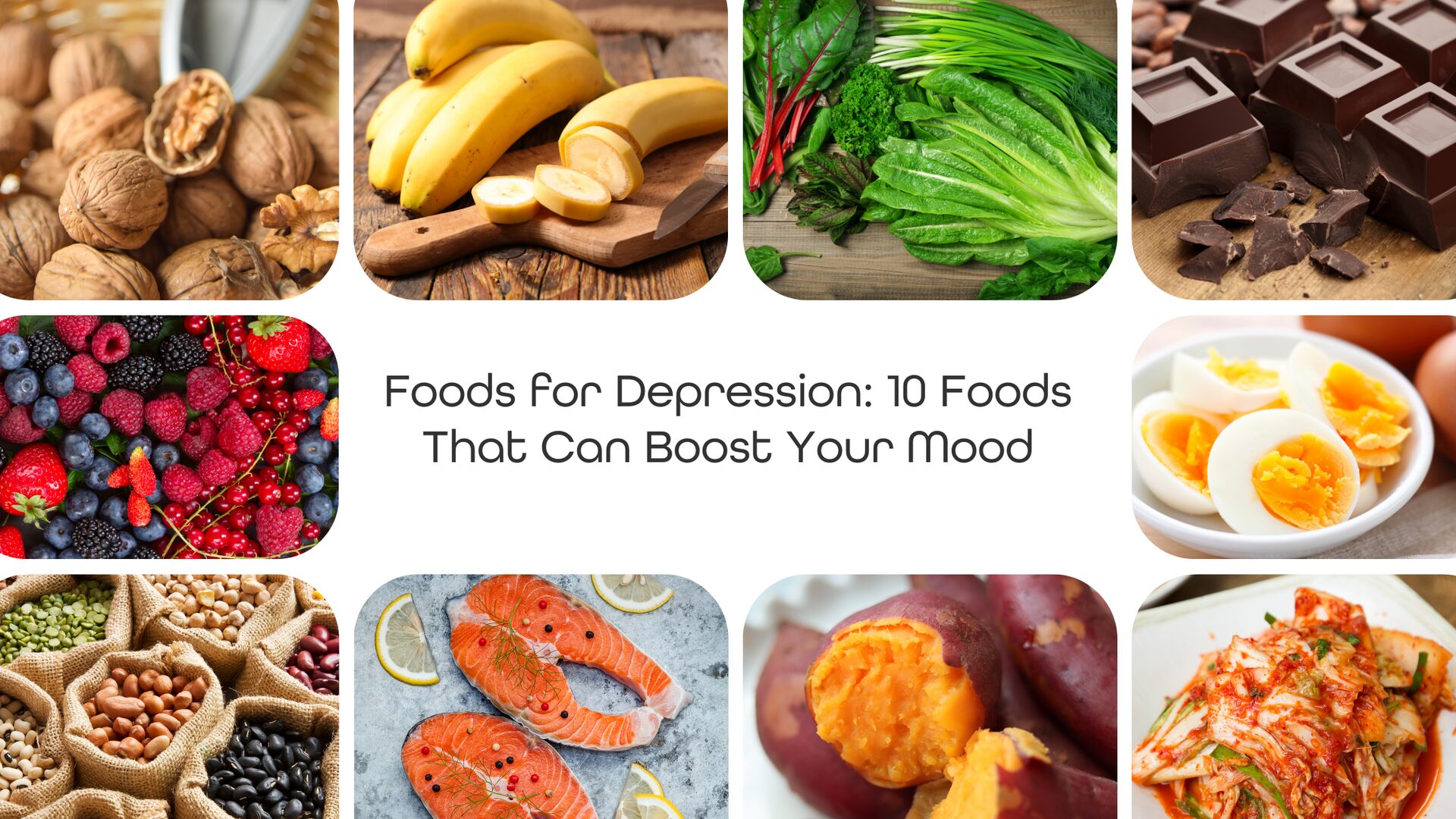

Foods for Depression: 10 Foods That Can Boost Your Mood!
When you’re struggling emotionally, food might not seem like a top priority. But research shows that what you eat can significantly impact how you feel—both physically and mentally. In fact, the connection between diet and mental health is becoming increasingly clear, with many studies showing that specific foods can support brain function, enhance emotional balance, and assist in reducing symptoms of depression.
If you’re looking for natural, science-backed ways to support your emotional well-being, start with your plate. In this guide, we explore 10 nutrient-dense foods for depression that can help reduce depressive symptoms and promote a more stable, uplifted mood.
Why Food Matters in Mental Health
Depression is a complex condition influenced by genetics, environment, biology, and lifestyle. Although food alone isn’t a cure, it’s a critical component of holistic wellness. Your brain depends on a consistent supply of essential nutrients—such as omega-3 fatty acids, amino acids, vitamins, and minerals—to create neurotransmitters like serotonin and dopamine, which are key in regulating mood.
Diets low in fruits, vegetables, whole grains, and healthy fats—but high in fried foods, junk food, and processed foods—have been linked to a higher risk of developing mood disorders, including depression and anxiety.
1. Fatty Fish (Salmon, Mackerel, Sardines)
Why it helps: Fatty fish are one of the best sources of omega-3 fatty acids (EPA and DHA), which are essential for brain health. People with low omega-3 levels are at a greater risk of depression, according to multiple studies showing a strong relationship between fatty acid intake and mood stabilization.
Try it: Eat wild-caught salmon 2–3 times a week, or supplement with high-quality fish oil or plant-based omega-3s (like algae oil) if you’re vegan.
2. Nuts and Seeds (Walnuts, Flaxseeds, Chia Seeds)
Why it helps: These nutrient-dense superfoods provide plant-based omega-3 fatty acids, amino acids, and magnesium—a mineral often found to be deficient in people with depression and anxiety.
Try it: Add ground flaxseeds to your morning oatmeal, blend chia seeds into nutrient-rich smoothies, or include a serving of walnuts as part of a balanced snack to support cognitive function and emotional well-being.
3. Leafy Green Vegetables (Spinach, Kale, Swiss Chard)
Why it helps: Leafy green vegetables are rich in folate, a B-vitamin that supports the production of serotonin and dopamine. Low folate levels are associated with more severe depressive symptoms.
Try it: Add spinach to soups and stews, blend kale into smoothies for a nutrient boost, or lightly sauté Swiss chard as a nourishing side dish. Increasing your daily intake of fruit and vegetable servings has been consistently linked to a reduced risk of developing mood disorders, according to current research.
4. Dark Chocolate (70%+ Cacao)
Why it helps: Rich in flavonoids and natural compounds that stimulate endorphin release, dark chocolate can provide a feel-good boost. It also reduces cortisol, your body’s primary stress hormone.
Try it: Select dark chocolate containing at least 70% cacao to maximize its antioxidant benefits. Limit consumption to 1–2 small squares per day, and opt for varieties with minimal added sugars and no artificial ingredients, as overly processed options may counteract the potential mood-enhancing effects.
5. Berries (Blueberries, Strawberries, Raspberries)
Why it helps: Berries are loaded with antioxidants, especially anthocyanins, which help reduce inflammation and oxidative stress—both of which are contributors to depression and anxiety.
Try it: Add fresh berries to Greek yogurt, oatmeal, or mixed green salads to increase your intake of antioxidants and natural fiber. A diet rich in fruits, vegetables, and whole grains has been associated with improved emotional resilience, enhanced cognitive function, and a lower risk of mood disturbances.
6. Eggs
Why it helps: Eggs provide high-quality protein and essential nutrients like vitamin B12, choline, and vitamin D—key players in brain health. Research suggests that deficiencies in these nutrients are linked to increased depressive symptoms.
Try it: Scrambled, boiled, or poached—eggs are easy to integrate into any meal.
7. Bananas
Why it helps: A great source of vitamin B6, bananas help your brain produce dopamine and serotonin naturally. They also offer quick energy without the crash, making them a perfect feel-good snack.
Try it: Eat with almond butter or slice into your breakfast for a natural energy lift.
8. Sweet Potatoes
Why it helps: Rich in complex carbohydrates, beta-carotene, and fiber, sweet potatoes help balance blood sugar—crucial for mood regulation. They also feed the healthy bacteria in your gut, which plays a direct role in your brain chemistry.
Try it: Roast sweet potatoes with fresh herbs for a savory side, mash them with a touch of olive oil for a nutrient-rich alternative to traditional mashed potatoes, or include them in grain bowls to add complex carbohydrates and fiber that support stable energy and mood regulation.
9. Fermented Foods (Yogurt, Kimchi, Sauerkraut, Kefir)
Why it helps: A large portion of your serotonin is made in the gut. Fermented foods contain probiotics that support a healthy gut microbiome, which in turn supports better mental function and reduced depressive symptoms.
Try it: Enhance your gut health by adding kefir to smoothies, incorporating sauerkraut as a flavorful side or topping, or enjoying plain Greek yogurt paired with fresh berries for a probiotic-rich, mood-supportive snack.
10. Beans and Legumes (Lentils, Chickpeas, Black Beans)
Why it helps: These nutrient-dense foods are full of fiber, amino acids, iron, and B vitamins—all crucial for producing neurotransmitters. They also promote stable blood sugar levels and reduce mood swings.
Try it: Prepare a hearty lentil soup, a protein-rich chickpea salad, or fiber-packed black bean tacos to create balanced meals that support sustained energy levels and promote emotional well-being through essential nutrients.
What to Limit: Foods That May Worsen Mood
While including foods for depression is vital, avoiding certain items can also improve how you feel.
Limit:
- Fried foods: Linked to higher risk of developing mood disorders.
- Processed foods: Often low in nutrients and high in sugar/sodium.
- Junk food: Can trigger inflammation and worsen mood over time.
Additional Mental Health Support Tips
- Stay hydrated: Even mild dehydration can cause irritability and fatigue.
- Eat consistently: Skipping meals can lead to energy crashes and low mood.
- Move your body: Exercise complements nutrition in managing depression.
- Talk to a professional: Nutrition can help, but therapy and medical care are vital too.
Final Thoughts: Food as Emotional Medicine
While food alone isn’t a cure for depression, it serves as a powerful and foundational tool in supporting mental health and emotional resilience. A diet rich in fruit and vegetable servings, omega-3 fatty acids, and nutrient-dense whole foods can support better mood, improve energy, and contribute to long-term mental wellness. And when paired with therapy, exercise, and meaningful connection, it becomes part of a sustainable path toward healing.
Ready to Take Action?
Take our quick quiz to get a personalized ingredient recommendations based on your unique mental health needs.
Frequently Asked Questions
Can diet alone cure depression?
No. While a nutrient-rich diet can significantly support brain health and ease depressive symptoms, depression is a complex condition often requiring a combination of treatments. Food should be seen as part of a holistic approach that may also include therapy, medication, exercise, and social support.
How long does it take for dietary changes to impact mood?
It varies from person to person, but research suggests that improvements in mood and energy can be noticed within a few weeks of consistently eating nutrient-dense, anti-inflammatory foods. Long-term benefits are strongest when healthy eating is maintained as part of a lifestyle rather than a short-term fix.
Are there specific nutrients most important for depression?
Yes. Nutrients like omega-3 fatty acids, B vitamins (especially B6, B9, and B12), magnesium, vitamin D, and antioxidants play key roles in producing neurotransmitters such as serotonin and dopamine, regulating stress hormones, and protecting the brain from inflammation and oxidative damage.