
The science behind gut microbiome and mental health is reshaping how we think about mood, stress, and overall wellbeing. What once felt like a surprising idea is now a growing field of research. Clinicians and researchers are exploring how community of bacteria in the gut send signals that influence emotions, cognition, and the body’s stress response. This introduction explains the basic concept and why it matters for people living with anxiety, depression, or chronic stress.
How The Gut-Brain Axis Connects Body And Mind
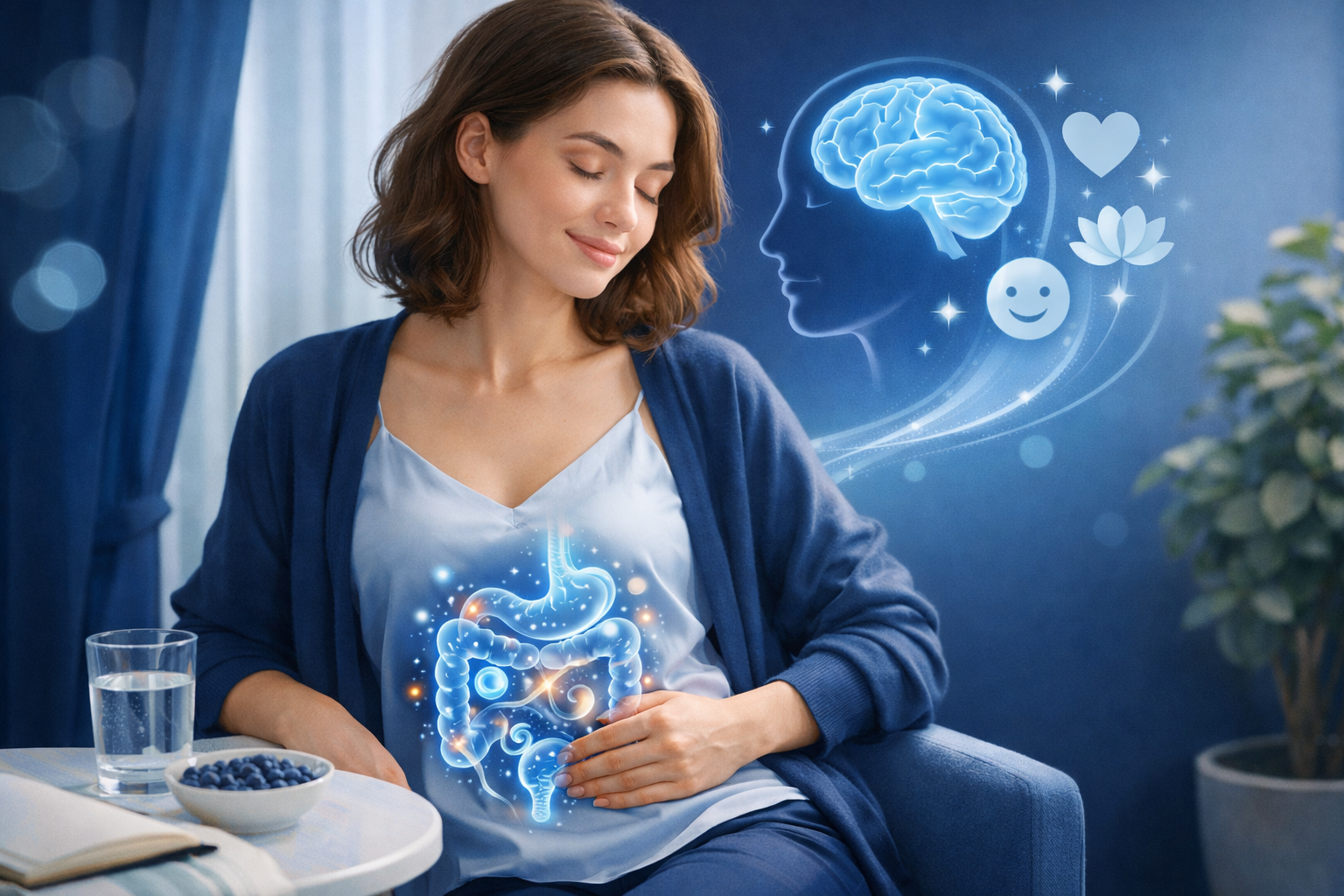
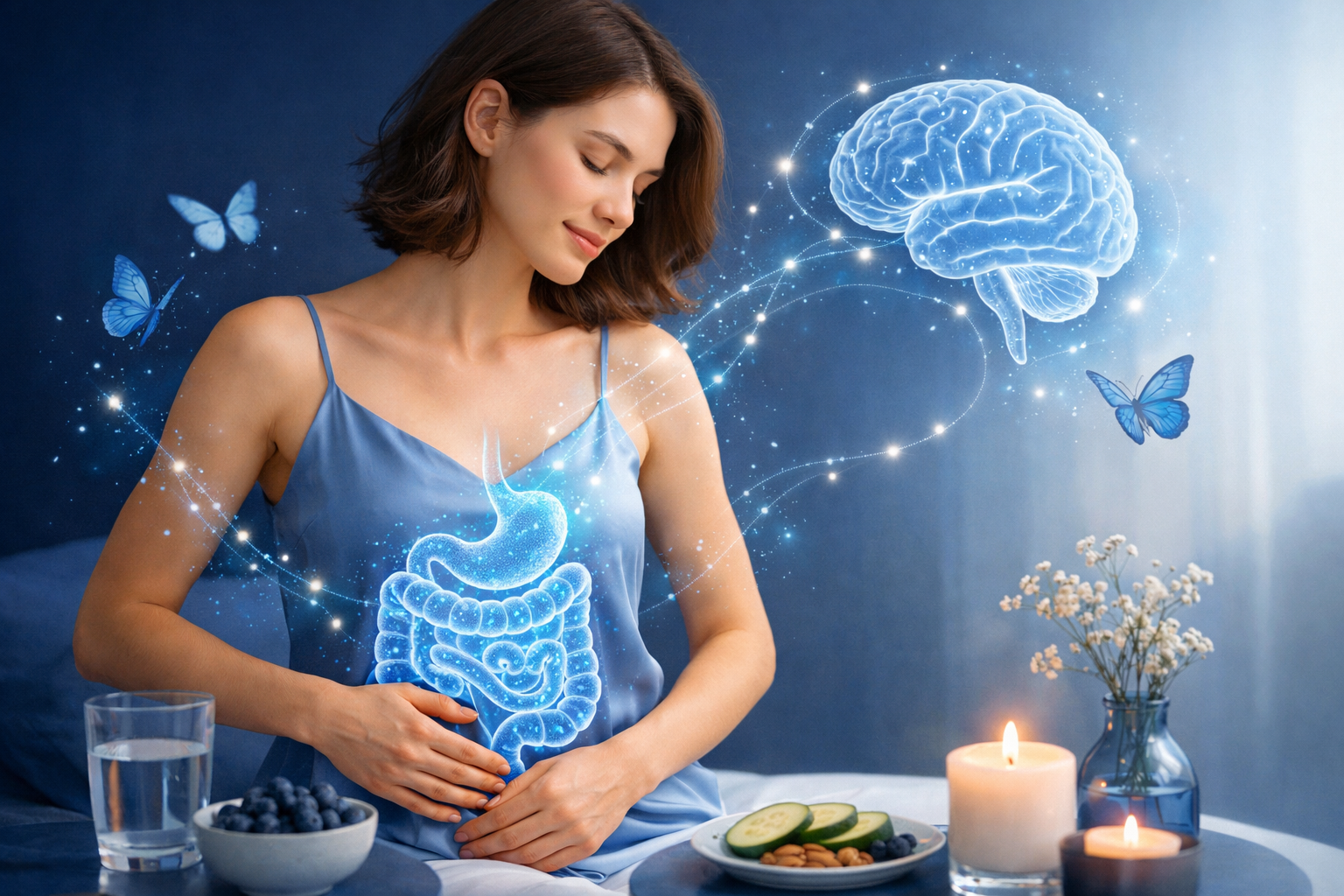
The gut-brain axis is a two-way communication network linking the central nervous system with the digestive system. It includes neural pathways, immune signaling, and metabolic routes. Together these channels let gut microbes affect brain chemistry and vice versa. Studying the gut microbiome and mental health means looking at how changes in microbial communities can alter mood, sleep, and stress resilience.
Three broad routes help explain the link. First, the body’s stress system, including the HPA axis, reacts to microbial signals and shapes stress hormones. Second, gut bacteria influence immune activity and inflammation, which can change brain function. Third, some microbes produce or modulate neurotransmitters such as serotonin, dopamine, and GABA, chemicals directly tied to mood. While Part 2 will explore mechanisms in detail, it is important to keep these pathways in mind when thinking about gut microbiome and mental health.
Why This Connection Matters
Understanding gut microbiome and mental health has practical implications. If gut communities help drive symptoms of anxiety or depression, therapies that change the microbiome could become part of mental health care. This does not mean quick fixes. Research is ongoing and evidence is still emerging. Still, the idea opens doors to new approaches that combine diet, lifestyle, and targeted interventions to support mental wellbeing.
Public interest reflects the scientific momentum. People increasingly ask whether improving gut health can ease their mood or reduce stress. Clinicians also want clearer guidance. For readers seeking reliable updates and practical advice, our highlights developments and next steps. In Part 2 we will examine the specific pathways and current clinical research that link the gut microbiome and mental health, showing where the strongest evidence lies and where more study is needed.
Mechanistic pathways
Research into the gut microbiome and mental health has moved past basic association and now explores how microbes actually influence brain function. Three detailed mechanisms stand out: stress-axis regulation, immune signaling, and microbial metabolites that act like neuroactive chemicals.
HPA axis and stress regulation
Gut bacteria can shape how the hypothalamic-pituitary-adrenal system reacts to threats. Certain microbes alter cortisol release by affecting vagus nerve signaling and gut barrier integrity. When the intestinal barrier becomes more permeable, bacterial products can reach circulation and amplify systemic stress responses. Over time, altered HPA activity may change mood, sleep, and resilience to stress.
Immune modulation and neuroinflammation
Microbial communities train the immune system. Beneficial bacteria promote anti-inflammatory signaling and regulatory immune cells. Conversely, dysbiosis can increase proinflammatory cytokines that cross into the brain or activate microglia. Chronic low-grade inflammation is a common feature observed in many mood disorders, suggesting immune pathways link gut microbiota to changes in cognition and affect.
Microbial metabolites and neurotransmitter pathways
Microbes produce short-chain fatty acids, neurotransmitter precursors, and other metabolites that influence the nervous system. Examples include:
- Short-chain fatty acids such as butyrate, which support blood-brain barrier health and modulate gene expression in neurons.
- Tryptophan metabolism shifts, where gut bacteria influence whether tryptophan becomes serotonin or neuroactive kynurenine compounds.
- Direct microbial synthesis or modulation of GABA, dopamine precursors, and other neurochemicals that affect mood and anxiety.
Disease-specific associations
Studies have begun mapping which bacterial genera change consistently with certain conditions. These patterns do not prove causation but help prioritize targets for intervention.
Common genera linked to mood and anxiety
| bacterial genus | reported change | associated condition |
|---|---|---|
| Coprococcus | decreased | depression |
| Dialister | decreased | depression |
| Fusobacteria | increased | generalized anxiety disorder |
Interpret these mappings cautiously. Individual studies report heterogeneity. Factors such as diet, medication, and geography often drive differences across cohorts. Still, repeated findings for genera like Coprococcus and Dialister make them promising leads for future trials.
Clinical trials and research direction
The field is shifting from observational work to controlled interventions. Early probiotic trials show variable results, with benefits in some anxiety and depression measures but not others. Key themes emerging from recent trials include:
- Small effect sizes in heterogeneous populations, highlighting the need for larger samples.
- Strain specificity, where effects depend on exact probiotic strains rather than broad categories.
- Adjunctive designs that combine probiotics with therapy, diet, or medication for greater impact.
Personalized microbiome interventions
Researchers now emphasize personalized approaches. Individuals differ in baseline microbiome composition, immune state, and lifestyle. Personalized strategies may include targeted probiotic strains, prebiotic fibers chosen to feed beneficial microbes, or dietary patterns that reshape metabolites. This move away from one-size-fits-all interventions aims to increase effectiveness and reduce variability in outcomes.
Notable trials and what they show
Large trials and those that integrate cognitive or lifestyle measures are particularly informative. For example, the MACO Study examines links between specific bacterial markers and anxiety severity while accounting for cognitive factors. Trials like this help identify which microbial signatures predict symptom changes and which interventions might work best for particular subgroups.
Implications for practice and next steps
For clinicians and informed readers, the evolving evidence means cautious optimism. Practical research priorities include:
- standardizing microbiome sampling and outcome measures across trials
- testing strain-specific probiotics in adequately powered randomized trials
- combining microbiome-focused treatments with established therapies
To follow new findings and practical guidance on lifestyle and dietary choices that may influence the gut microbiome and mental health, see our for ongoing updates and patient-facing resources.
Youth mental health focus
The link between gut microbiome and mental health may look different in children and teens than in adults. Early life is a critical window when microbial communities form, immune systems mature, and the brain undergoes rapid development. Factors such as mode of birth, breastfeeding, childhood diet, antibiotic exposures, and changing hormones during puberty all shape the gut ecosystem and its signaling to the brain.
Because adolescent brains are still developing, disruptions in the gut-brain axis can have distinct effects on mood, emotion regulation, and social behavior. Current research suggests stronger signals for depression and internalizing symptoms in youth, but studies vary in size and methods. That means we need more standardized, long-term research before making firm recommendations for screening or treatment based on the gut microbiome and mental health in young people.
Clinicians working with families should weigh gut-focused strategies against established treatments. Low-risk lifestyle approaches that support microbial diversity can be considered alongside therapy and, when appropriate, medication. For ongoing updates aimed at clinicians and families, visit our.
Consumer health and practical applications
Probiotics and mental wellbeing
Probiotics show promise but are not a universal solution for mood disorders. Evidence points to strain-specific effects. Strains from Lactobacillus and Bifidobacterium genera have appeared in trials with improvements on some anxiety and depression measures, yet results remain inconsistent. Key points for consumers:
- Choose probiotics that list specific strain names, not just genus. Strain matters for outcomes.
- Look for clinical trials backing the strain when possible, and typical dosing ranges used in studies.
- Use probiotics as an adjunct to, not a replacement for evidence-based mental health care.
Actionable diet and lifestyle tips
Simple, evidence-aligned steps can help support a resilient gut ecosystem that in turn may benefit mood and stress resilience:
- Eat diverse, fiber-rich foods: legumes, oats, apples, berries, and whole grains feed beneficial microbes.
- Include prebiotic fibers: inulin (found in chicory, onions, garlic), resistant starches (cooled potatoes, green banana), and wheat dextrin.
- Try fermented foods: plain yogurt with live cultures, kefir, sauerkraut, kimchi, miso, and tempeh to introduce live microbes and fermentation metabolites.
- Favor polyphenol-rich foods: berries, cocoa, green tea, and nuts help beneficial bacteria thrive.
- Prioritize sleep, regular physical activity, and stress-reduction techniques, which shape both the gut microbiome and mood.
- Avoid unnecessary antibiotics and limit ultra-processed foods high in added sugars and emulsifiers that can reduce microbial diversity.
Small, consistent changes tend to be more sustainable than quick fixes. If you are considering probiotic supplements, pick evidence-informed products, track symptoms over several weeks, and discuss options with a healthcare professional who understands the gut microbiome and mental health connection.
Practical next steps and call to action
Practical application of gut microbiome science means combining lifestyle, dietary choices, and careful use of targeted supplements when appropriate. For people curious about testing or personalized interventions, ask clinicians about validated options and ongoing trials. To stay informed about new findings, probiotic guidance, and consumer-facing strategies related to gut microbiome and mental health, check our regularly.
If you are experiencing anxiety or depression, prioritize professional mental health care while exploring gut-focused strategies as complementary practices. Small dietary shifts, better sleep, and regular movement are low-risk steps that may benefit both gut health and mood.
Ready for the next step?
Take the Cenario quiz and get structured guidance.
Frequently Asked Questions
How does gut microbiome and mental health link change during adolescence?
During adolescence the gut microbiome is still maturing and interacts with hormonal changes and brain development. These dynamics can influence how the gut microbiome and mental health relate, making long-term studies in youth essential.
Which probiotic strains have shown promise for anxiety or depression?
Some Lactobacillus and Bifidobacterium strains have shown beneficial signals in trials, but effects are strain-specific and not guaranteed. When evaluating options, consider the strain name, dosing, and the clinical context of gut microbiome and mental health research.
How long does it take for diet changes to affect the gut microbiome and mental health?
Microbial shifts can occur within days to weeks after dietary changes, but measurable effects on mental health often take several weeks to months. Consistency matters for lasting changes in the gut microbiome and mental health outcomes.