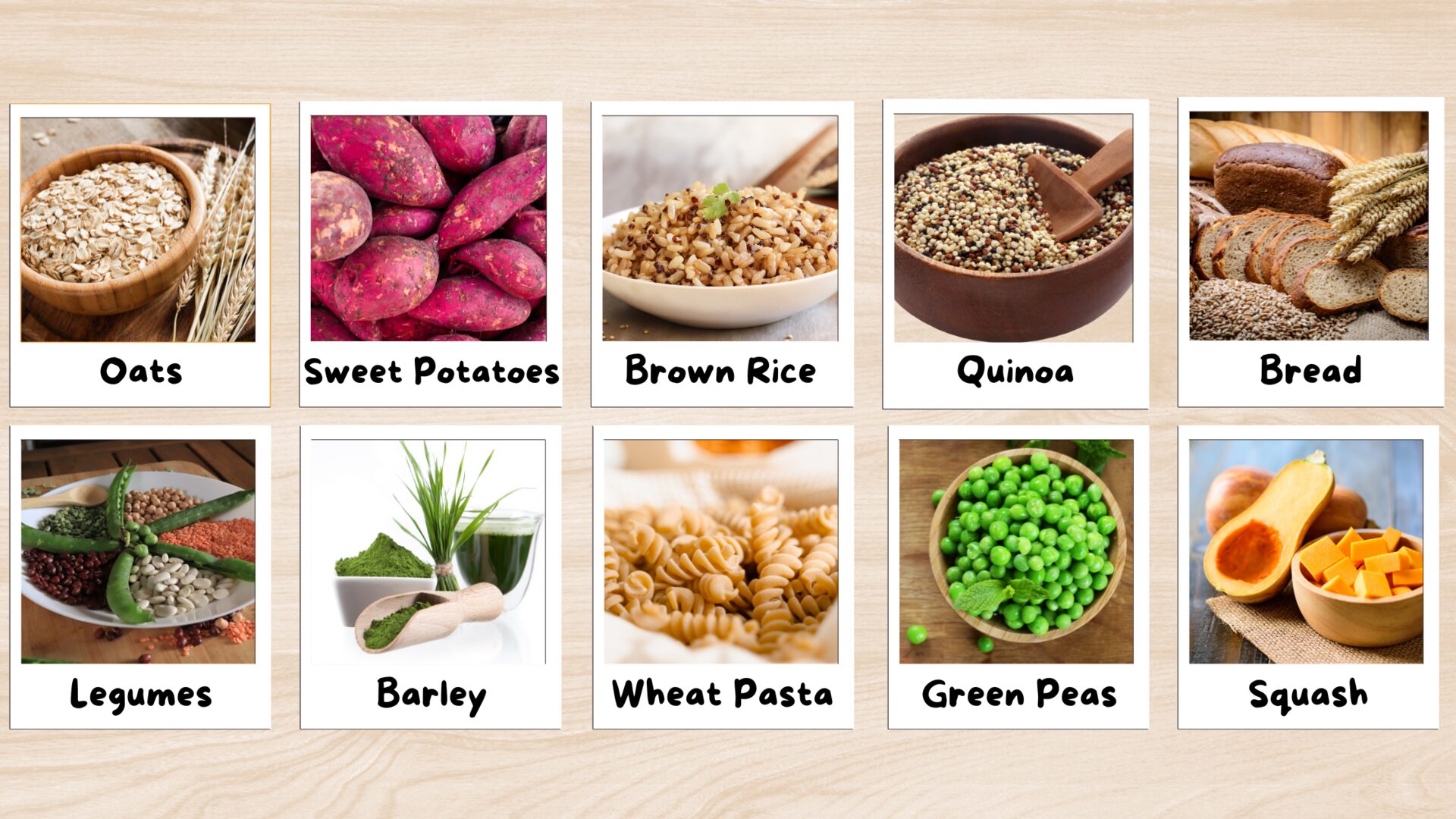

List of Complex Carbohydrates for Energy & Mental Health
When it comes to fueling your body and powering your mind, understanding the types of carbohydrates—simple and complex—is crucial. Not all carbs are created equal. Simple carbohydrates like white bread, table sugar, and white rice can give you a quick energy jolt—but that energy spike is short-lived. These refined grains and added sugars are digested rapidly, often leading to blood sugar crashes, fatigue, and mood swings.
In contrast, complex carbohydrates take longer to digest and provide a steady source of energy. They also come packed with nutrients that support brain function, hormonal balance, and emotional well-being.
What Are Complex Carbohydrates?
Complex carbs include fiber-rich whole foods like starchy vegetables, legumes, and whole grains. They’re made up of long chains of simple sugars, which your body breaks down more slowly. This slower digestion helps prevent sudden blood sugar spikes and supports longer-lasting energy.
Complex carbohydrates are also rich in B-vitamins, iron, magnesium, and other nutrients essential for:
- Cognitive performance
- Hormone regulation
- Neurotransmitter production (like serotonin and dopamine)
Why Complex Carbohydrates Matter for Mental Health
Your brain relies on glucose as its primary source of energy—but the quality of that glucose matters. Complex carbs deliver this fuel in a sustained, balanced way, unlike simple carbohydrate sources that lead to emotional highs and lows.
Here’s how complex carbs benefit mental health:
- Stabilize blood sugar, reducing emotional ups and downs
- Boost serotonin and dopamine—your brain’s natural mood enhancers
- Feed gut bacteria, which influence mood and cognitive health
- Enhance focus, memory, and reduce symptoms of brain fog
The Omega-3 & Complex Carb Connection
Pairing complex carbs with omega-3 fatty acids—especially EPA and DHA found in fatty fish—can supercharge brain health. Omega-3s help reduce inflammation, improve neural communication, and protect against heart disease and age-related cognitive decline.
Omega-3 Benefits:
- Enhances memory and learning
- Helps manage anxiety and depression
- Supports neuron growth
- Boosts mood and mental clarity
Together, complex carbohydrates and omega-3s are a dynamic duo for improving both physical vitality and emotional balance.
Top 10 Complex Carbohydrates for Energy & Mental Health
Choosing the right carbohydrates can make a huge difference in how you feel both physically and mentally. Unlike simple carbs that can cause quick energy spikes and crashes, complex carbohydrates digest slowly, providing a more consistent energy source and a wide range of nutrients that support mental clarity, emotional stability, and long-term brain health.
Here’s a closer look at ten of the best complex carbs to include in your diet—and how they benefit your mental well-being:
1. Oats
Why it’s great: Oats are a whole grain rich in beta-glucan, a type of soluble fiber that slows digestion and helps stabilize blood sugar.
Mental health benefit: By reducing blood sugar spikes and regulating cortisol (the stress hormone), oats help minimize brain fog and support focus and calmness.
2. Sweet Potatoes
Why it’s great: This colorful starchy vegetable is high in fiber, vitamin A, and potassium—important for nerve and muscle function.
Mental health benefit: Sweet potatoes contain magnesium, which is known for promoting relaxation, reducing anxiety, and supporting better sleep.
3. Brown Rice
Why it’s great: A nutrient-rich whole grain, brown rice is a healthier alternative to white rice, offering more fiber and essential B-vitamins.
Mental health benefit: Brown rice is rich in vitamin B6 and folate, both critical for producing serotonin, the brain’s “feel-good” chemical that helps regulate mood.
4. Quinoa
Why it’s great: Quinoa is a unique plant food that is both a complete protein and a complex carbohydrate, making it ideal for sustained energy.
Mental health benefit: It’s packed with iron and magnesium, which help improve oxygen flow to the brain and support healthy neurotransmitter activity—helping reduce stress and improve concentration.
5. Whole Grain Bread
Why it’s great: Unlike breads made with refined grains like white bread, whole grain bread is high in fiber, protein, and B-vitamins.
Mental health benefit: Its slow-digesting carbs help keep your energy steady and avoid mental crashes or mood swings often triggered by simple carbohydrates.
6. Legumes (Lentils, Chickpeas, Black Beans)
Why they’re great: Legumes are full of plant-based protein, iron, and complex carbs that digest slowly and keep you full.
Mental health benefit: These foods are rich in folate, which supports serotonin production, and iron, which prevents fatigue and supports brain oxygenation—both important for maintaining a stable mood.
7. Barley
Why it’s great: Barley is a fiber superstar, containing high levels of beta-glucan, which helps manage blood sugar and cholesterol.
Mental health benefit: Its fiber content promotes a slow release of glucose, supporting steady brain energy and helping prevent mood dips due to sugar crashes.
8. Whole Wheat Pasta
Why it’s great: A great alternative to white pasta, whole wheat pasta retains the grain’s natural fiber and nutrients.
Mental health benefit: The B-vitamins in whole wheat pasta support nerve function and mental sharpness. It pairs especially well with omega-3-rich foods including salmon or mackerel for an extra brain-boosting meal.
9. Green Peas
Why they’re great: These small but mighty legumes are loaded with fiber, antioxidants, and plant-based protein.
Mental health benefit: Green peas help fight oxidative stress, which can negatively affect brain cells and mood. They’re also a great source of vitamin C, which supports overall mental and immune health.
10. Butternut Squash
Why it’s great: A naturally sweet starchy vegetable, butternut squash is high in fiber, vitamin C, and beta-carotene.
Mental health benefit: Its manganese content supports brain metabolism and energy production, helping you feel more mentally alert and emotionally balanced.
Simple Ways to Add Complex Carbs & Omega-3s to Your Day
Breakfast: Start with oatmeal topped with chia seeds or ground flaxseed
Lunch: Toss quinoa, sweet potatoes, or green peas into salads
Dinner: Pair whole wheat pasta with grilled salmon or sardines
Snacks: Enjoy chickpeas, lentil soup, or whole grain crackers with walnuts
Final Thoughts
If you’re battling low energy, poor focus, or mood swings, your diet may be the missing link. Swapping out simple sugars and refined grains for whole, nutrient-dense complex carbs can transform how you feel—mentally and physically.
And when you combine these powerful carbs with omega-3 fatty acids, you create a foundation for better emotional resilience, improved memory, and all-day energy.
Want to take your wellness to the next level?
Take our Mental Health Survey to discover what nutrients your might be lacking. You’ll receive personalized supplement recommendations based on your mood, energy levels, stress, and sleep patterns.
Frequently Asked Questions
Are all complex carbohydrates healthy?
Not necessarily. While whole foods like oats, quinoa, and legumes are excellent choices, some processed foods labeled as “complex carbs” may still contain refined grains, added sugars, or low fiber. For mental health and steady energy, it’s best to focus on minimally processed sources of complex carbs.
Can complex carbohydrates help with weight management?
Yes. Because complex carbs are high in fiber and digest slowly, they help you feel fuller for longer, which can reduce overeating and support balanced blood sugar. This steady energy also prevents cravings and mood swings often caused by simple sugar crashes.
How much complex carbohydrate should I eat daily for brain health?
The amount varies depending on age, activity level, and health needs, but experts generally recommend that 45–65% of daily calories come from carbohydrates, with the majority being complex carbs from whole grains, legumes, vegetables, and fruits. Choosing the right carbs ensures a steady supply of glucose to fuel the brain and support mental clarity.
.