
Why Meditation Matters
In recent years, meditation has gained a lot of attention as a tool for improving mental health. Many people use it to manage stress, anxiety, and especially depression. As more people look for non-medication options, mindfulness meditation stands out as an accessible and practical practice backed by growing scientific research.
The Global Challenge of Depression
Depression affects more than 264 million people worldwide, according to the World Health Organization. It can cause sadness, loss of motivation, and difficulty enjoying daily life. While medication and therapy are helpful for many, there’s a rising interest in additional methods that can fit easily into everyday routines. Mindfulness meditation is one of these options.
What Is Mindfulness Meditation?
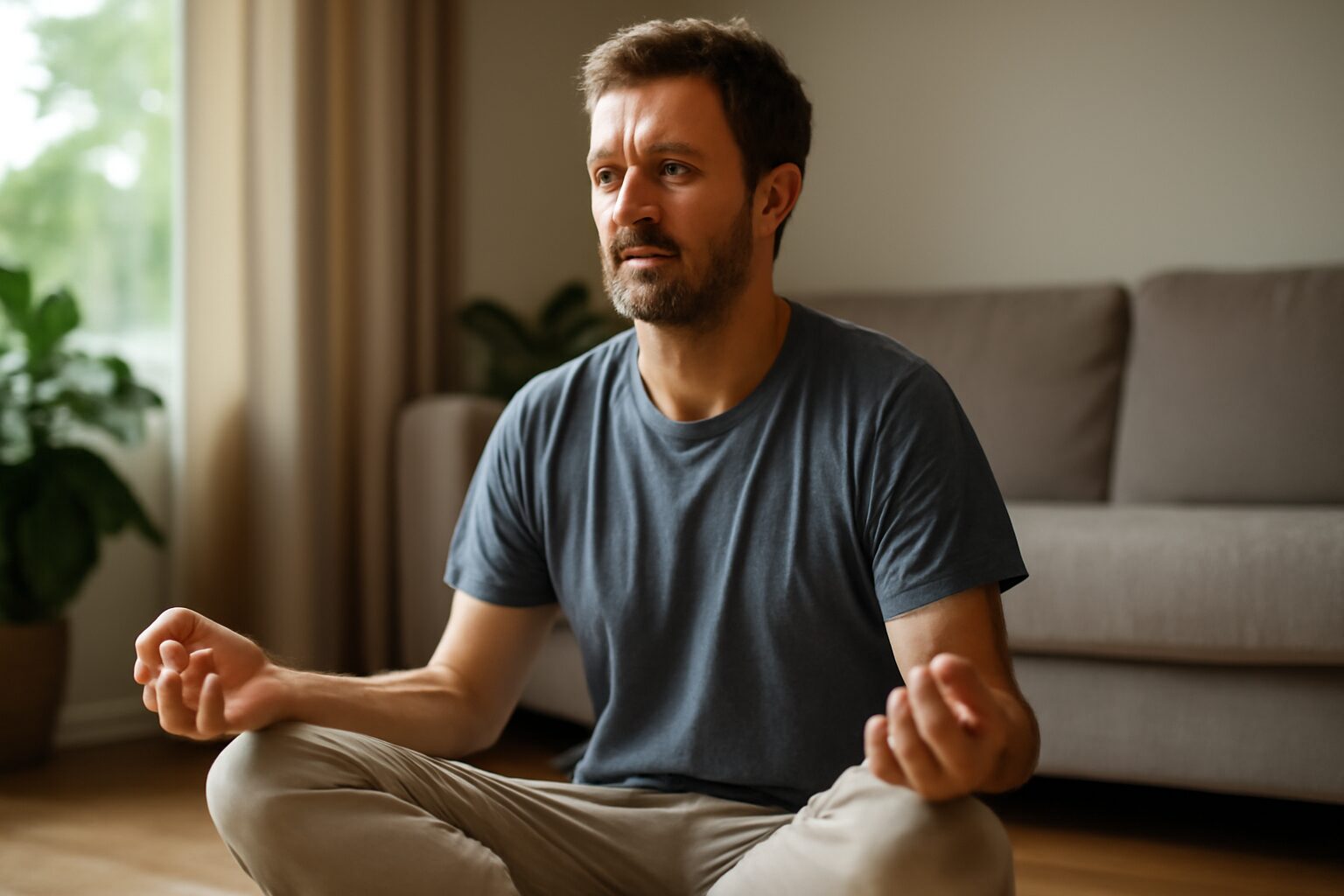
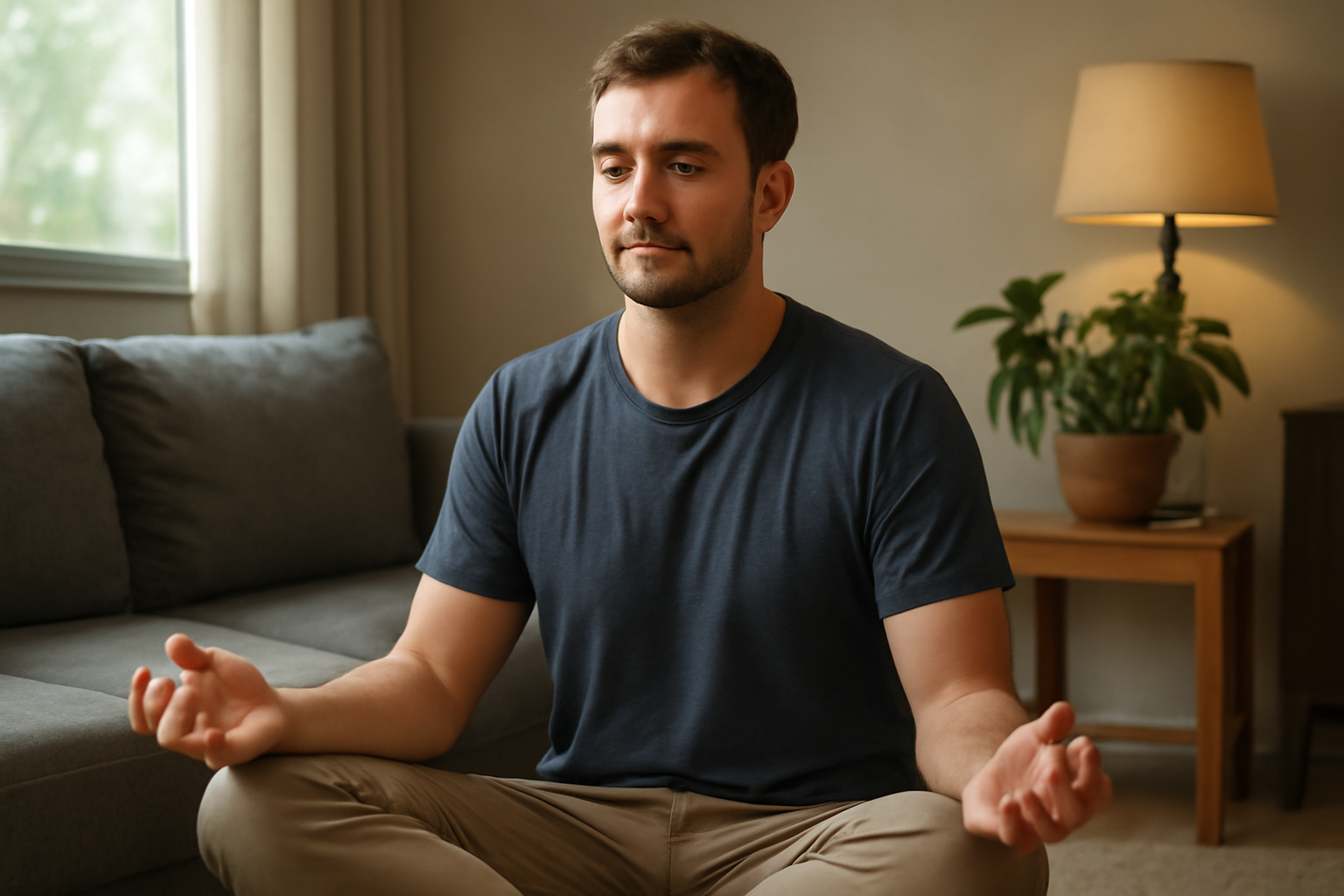
Mindfulness meditation comes from ancient traditions but is widely used today in healthcare. The practice is simple: focus on the present moment, notice your thoughts and feelings, and avoid labeling them as good or bad. This helps reduce stress, improve mood, and lessen the intensity of depressive symptoms. Because it’s flexible and easy to learn, almost anyone can start practicing it.
The Science Behind Meditation and Depression
Research shows that mindfulness meditation can ease depression. A large meta-analysis published in Nature Scientific Reports found that programs lasting eight weeks or longer had the biggest impact. These benefits appeared whether people practiced online or in person, showing that digital options are also effective.
Clinical reviews by the American Psychological Association (APA) and Harvard show that mindfulness-based cognitive therapy (MBCT) can be as effective as medication for people at high risk of relapse. By combining mindfulness with therapy techniques, MBCT helps people build long-term resilience.
How Meditation Changes the Brain
Brain imaging studies highlight how meditation changes key areas of the brain. It strengthens the hippocampus (memory and emotion regulation), calms the amygdala (emotional reactivity), and improves the prefrontal cortex (self-awareness and focus). These changes help reduce rumination and negative thinking while building emotional balance.
Other Meditative Practices
While mindfulness meditation is most studied, yoga and tai chi also show promise. These practices combine movement with focus, supporting both physical and mental health. They’re gentle, have low risks, and are especially useful as additions to conventional care.
Practical Guidance: How to Get Started
- Apps: Headspace, Calm, and Insight Timer offer guided sessions for beginners.
- Books: Works by Jon Kabat-Zinn are great introductions to mindfulness.
- Daily routine: Start with 10 minutes a day and slowly increase.
- Community: Join an online or local meditation group for accountability.
- Programs: Consider MBCT if you want a structured approach proven to prevent relapse.
Other Meditative Practices Worth Exploring
Mindfulness meditation gets the most research attention, but it’s not the only option. Yoga and tai chi also combine mindful awareness with physical movement, offering benefits for both body and mind. These practices are gentle, low risk, and suitable for people of all fitness levels.
For example, yoga helps release tension from the body, while tai chi’s slow, flowing movements encourage relaxation and focus. Both can reduce stress and lift mood, making them useful additions to a mental health routine.
Practical Guidance: How to Start Meditating
Starting a meditation practice doesn’t need to be complicated. Here are some simple steps:
- Start small: Begin with just 5–10 minutes a day. You can increase the time as it becomes more comfortable.
- Use apps: Headspace, Calm, and Insight Timer offer guided sessions that are beginner-friendly.
- Read and learn: Books by mindfulness teachers like Jon Kabat-Zinn explain the science and give practical advice.
- Join a group: Practicing with others, either online or in person, can help you stay consistent.
- Try MBCT programs: For people with recurring depression, structured programs like MBCT can provide long-term benefits.
Consistency matters more than length. Even a few minutes a day, practiced regularly, can bring noticeable improvements in mood and stress.
It is important to note that more large-scale studies are still needed to fully confirm the best ways to use these therapies. At present, evidence suggests that meditation and related practices should be viewed as add-ons to conventional treatments, not complete replacements.
This balanced approach ensures that individuals receive the full benefits of professional care, while also gaining the advantages of meditation. Personalized treatment mixing medical support with mindfulness—helps create care plans that truly match each person’s unique needs.
Summary: Meditation’s Role in Treating Depression
Meditation, and especially mindfulness meditation, stands out as a powerful tool in the fight against depression. Backed by scientific evidence and proven to reduce stress and negative thinking, it works best when paired with traditional therapies such as medication or counseling. Rather than a cure-all, meditation should be seen as a complementary practice that empowers people to take a more active role in their recovery. As research grows, its place in mental health treatment will continue to expand, giving hope to millions seeking effective, low-risk strategies for healing.
Expanding the Scope: Other Meditative Therapies
Mindfulness meditation isn’t the only practice that supports mental health. Other mind-body approaches like yoga and tai chi also provide measurable benefits. These methods combine physical movement with focused breathing and attention, creating a holistic effect on both body and mind. Many people find them especially useful for reducing tension, improving flexibility, and calming the nervous system.
Because they are gentle and carry very few risks, yoga and tai chi are excellent choices for people looking for safe, accessible ways to strengthen mental well-being.
Still, researchers point out that more trials are needed to identify exactly how these practices should be applied in cases of depression. For now, they work best as adjunct therapies supportive tools that enhance, but don’t replace, conventional treatment.
Frequently Asked Questions
Can meditation replace medication for depression?
Meditation can be very effective, but it works best as part of a larger treatment plan. It should not replace medication unless a doctor recommends it.
How long should I meditate to see results?
Research suggests at least eight weeks of practice brings the strongest results, but many people notice benefits like calmness and focus after just a few sessions.
Are there risks with meditation?
For most people, meditation is safe and low risk. However, people with severe depression or past trauma should check with a healthcare provider before starting.
What are the best ways to start?
Apps, guided meditations on YouTube, and short daily breathing exercises are all good places to begin. Books and MBCT programs offer more structured support.
Final Thoughts
Meditation, especially mindfulness meditation, is a powerful and practical tool for managing depression. It helps reduce symptoms, supports brain health, and can even prevent relapse when used alongside therapy or medication.
While meditation isn’t a magic cure, it gives people a way to take an active role in their own mental health. With growing research and countless resources now available, meditation is becoming an important part of modern mental health care. Practicing regularly even for just a few minutes a day can help build resilience, restore balance, and bring hope to those struggling with depression.