

What is emotional numbness
Have you ever felt like you are moving through life in a fog, unable to truly connect with your emotions or the people around you? That dull, distant sensation is common and can be confusing or frightening. Emotional numbness is not a character flaw. It is often a psychological response to overwhelming stress, trauma, or prolonged emotional strain. Understanding it is the first step toward getting your feelings back.
What is emotional numbness
Emotional numbness describes a reduced ability to feel emotions. People use terms like emotional blunting, feeling numb, or a flat affect to explain the same experience. It can look like detachment from relationships, a lack of joy in activities you used to enjoy, or a persistent sense of emptiness. For many, it feels like protecting oneself from pain by shutting down emotions entirely.
How it works as a protective response
The mind sometimes reacts to overwhelm by lowering emotional intensity so a person can function. This protective response shows up after traumatic events, during chronic stress, or alongside conditions such as PTSD, depression, or anxiety. While numbness can help you cope in the short term, left unchecked it can interfere with daily life and long-term recovery.
Common ways people describe it
- Feeling disconnected from your own emotions
- Experiencing a fog-like mental state
- Not caring about things that used to matter
- Withdrawing from social contact
Why addressing numbness matters
Ignoring emotional numbness can allow problems to grow. Reconnecting with feelings supports relationships, decision making, and your overall sense of meaning. Help may come from therapy, lifestyle changes, or targeted strategies that rebuild emotional awareness.
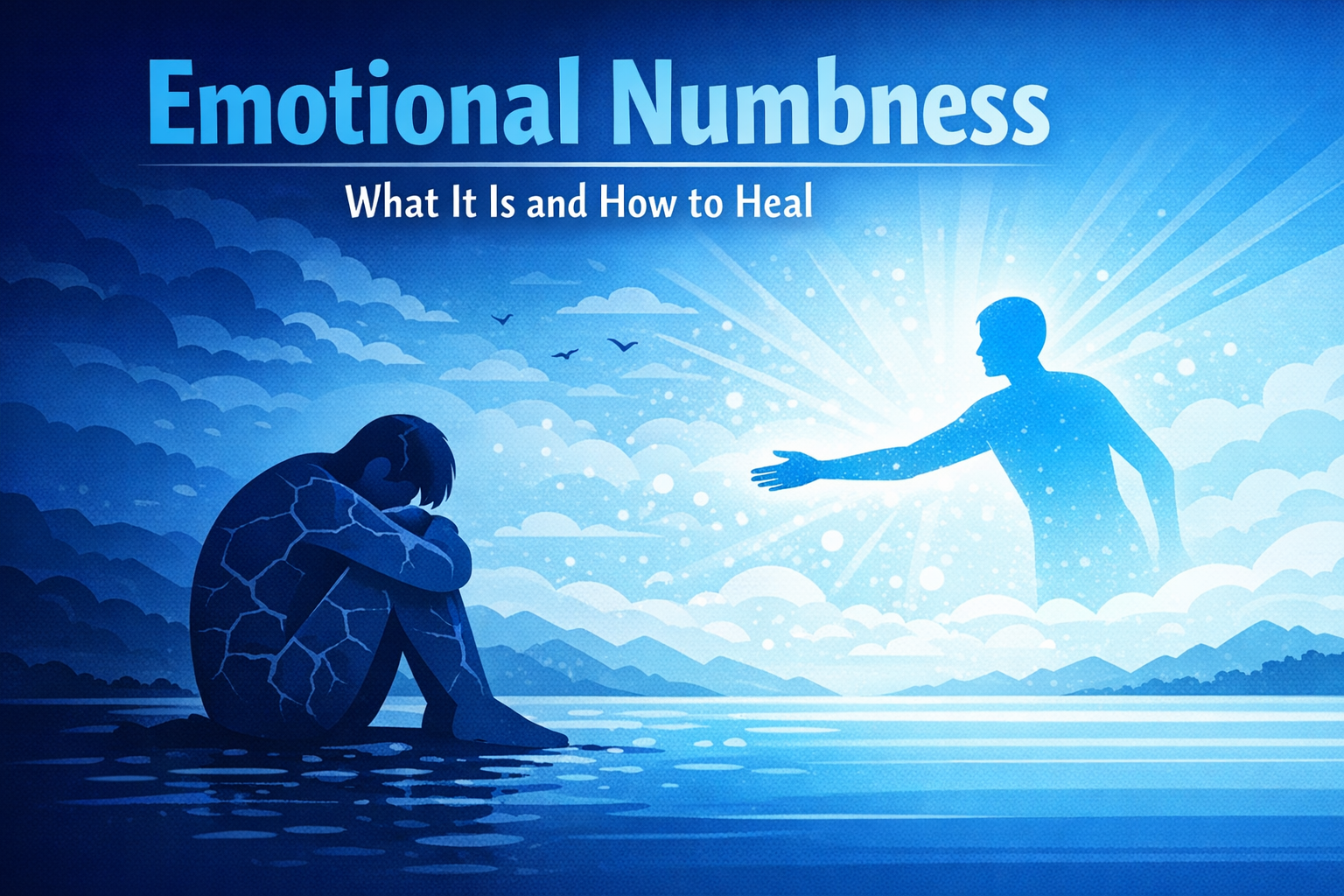
This post will guide you through causes, signs, and practical recovery steps in the next sections. The goal is practical: to help you rediscover feeling and move from survival mode toward fuller emotional life.
Causes and contributing factors
Emotional numbness often arises from multiple causes that interact over time. Trauma and acute stress are the most common triggers. When an event feels overwhelming, the brain may reduce emotional intensity so a person can survive or function. Repeated or chronic stress can shift that protective setting into a longer lasting pattern.
Other contributors include mood disorders, such as depression and anxiety, and substance use that dulls feelings. Certain medications can also blunt affect as a side effect. Hormonal shifts and stress hormones like cortisol change how the brain processes emotion, which can make emotional numbness more likely after prolonged strain.
Physical health, sleep quality, and nutrition also matter. Poor sleep, chronic pain, and medical conditions that alter brain chemistry increase vulnerability. In short, emotional numbness is rarely caused by a single factor. It results from a mix of psychological, biological, and social influences.
Common signs beyond feeling empty
- Reduced emotional range: difficulty feeling both positive and negative emotions
- Cognitive slowing: trouble making decisions or thinking clearly
- Physical fatigue or low energy unrelated to activity
- Social withdrawal and avoiding close conversationsBlunted physical reactions, such as muted facial expressions or monotone speech
- Memory gaps for emotionally charged events or a sense of time distortion
How the brain and body create numbness
When stress becomes overwhelming, the nervous system shifts into a protective mode. That can look like hyperarousal or the opposite, a freeze response. In freeze mode, parts of the brain that assign emotional meaning reduce activity so the person does not relive the pain. Over time this reduction becomes a habit, and the nervous system learns to keep emotion at a low level.
Chemicals in the brain also play a role. Changes in neurotransmitters and prolonged elevation of stress hormones can dull reward systems and lower emotional reactivity. This explains why numbness can feel both mental and bodily at once.

Recovery strategies that help reclaim feeling
Treatment is most effective when it addresses both the nervous system and the stories you tell yourself about your feelings. A combination of therapy, practical self-care, and gradual exposure to emotion tends to work best.
Therapy options to explore
- Cognitive-behavioral approaches to identify and change unhelpful thinking that keeps emotions suppressed
- Trauma-focused therapies that allow safe processing of painful memories
- Somatic and body-based therapies that reconnect physical sensation and emotion
- Group or peer work to rebuild social emotional skills in a supported setting
Daily practices to restore emotional range
Small, consistent habits help the nervous system relearn feeling. Try these techniques:
- Grounding exercises: name five things you see, four you can touch, three you hear
- Short breathwork sessions to regulate arousal before attempting emotional work
- Journaling prompts that invite curiosity instead of judgment about feelings
- Regular physical activity to boost mood circuitry and energy
- Creative expression like drawing, music, or movement to access nonverbal emotion
- Limiting substances that blunt affect, including alcohol and some recreational drugs
Prevention and long-term management
Keeping numbness from returning means building resilience and emotional habits. Useful steps include scheduled emotional check-ins, clear routines for sleep and movement, and stress reduction habits like mindfulness or short walks. In the workplace, setting boundaries and taking regular breaks prevents overload that can trigger numbness.
Track progress with simple metrics: percentage of days you felt emotionally present, number of social contacts you maintained, or time spent on restorative activities. Small, measurable wins help reverse the sense that feelings are permanently gone.

Recovery strategies that help reclaim feeling
Recovering from emotional numbness takes practical steps and patience. The most effective plans target both the nervous system and everyday habits. Start with small, repeatable actions that gently reintroduce feeling without overwhelming you.
Therapy paths for emotional numbness
Professional help often speeds recovery and keeps you safe while you process difficult experiences. Consider these therapy options:
- Cognitive behavioral therapy to shift patterns that keep emotions suppressed
- Trauma-focused therapies that safely process painful memories
- Somatic approaches that use movement and body awareness to reconnect sensation and feeling
- Structured group therapy to practice emotional connection in a supported setting
Daily habits to reverse emotional numbness
Small habits build emotional resilience. Try adding one new practice for two weeks, then reassess how you feel.
- Set a brief daily check-in: name one feeling and rate it 1 to 10
- Use grounding: focus on five senses for thirty seconds when you feel blank
- Schedule short, pleasurable activities and track them in a simple chart
- Practice gentle breathwork or a five-minute body scan to lower hyperarousal
- Limit alcohol and recreational drugs that blunt affect and mood
- Move your body daily — walk, stretch, or dance to activate reward circuits
Gradual exposure and feeling targets
Avoid forcing intense emotion. Instead, set micro-goals that gently expand your emotional range. Examples:
- Have a five-minute conversation with a friend about a neutral topic, then a slightly personal one
- Listen to one song that used to move you and note any sensations
- Write a two-sentence journal entry about a small daily pleasure
These tiny wins teach your nervous system that feeling is safe and manageable.
Workplace and lifestyle management
Prevention focuses on balance. At work, add predictable breaks, clear boundaries on after-hours messages, and short walks between tasks. At home, prioritize sleep, consistent meals, and technology limits that reduce chronic stress. Track progress with simple metrics like days with meaningful social contact or minutes spent on restorative activities.
When to seek urgent help
If numbness comes with thoughts of harming yourself or others, seek immediate help from a trusted professional, local emergency services, or crisis lines. Emotional numbness can hide deeper risk. Reach out early rather than waiting.
Related resources and next steps
Taking one small step today , a short breath exercise, a quick message to a friend, or a two-minute journal, moves you closer to feeling alive again.
Ready to begin? Start with the self-assessment quiz .
Reconnecting with emotion is a process, but with consistent steps you can reclaim emotional presence and meaning.
Frequently Asked Questions
Can medication cause emotional numbness?
Yes, some medications, especially certain antidepressants and antipsychotics, can contribute to emotional numbness as a side effect. If you suspect medication is affecting you, talk to the prescriber before stopping and discuss alternatives for managing symptoms.
How do I know if emotional numbness is post-traumatic?
Emotional numbness linked to trauma often follows a specific event or series of events and may come with flashbacks, avoidance, or hypervigilance. A mental health professional can assess whether symptoms fit PTSD and recommend trauma-focused treatment.
Will emotional numbness go away on its own?
Sometimes numbness fades with time, but it often persists if the underlying causes like chronic stress or unresolved trauma remain. Active steps therapy, lifestyle changes, and gradual emotional exposure speed recovery and reduce relapse risk.
.