
While mental health is commonly supported through practices like therapy, exercise, and mindfulness, nutrition plays a critical but often overlooked role. The connection between the gut and the brain is well-established, and what we eat has a direct impact on our emotional stability, focus, memory, and overall cognitive performance.
Incorporating specific nutrient-rich foods into your daily diet can help support brain function, improve serotonin and dopamine balance, and reduce the effects of oxidative stress and inflammation. Below is a list of the top 10 foods for mental health, based on their ability to nourish the brain and support emotional well-being.
1. Fatty Fish (Salmon, Mackerel, Sardines)
Fatty fish are considered one of the best sources of omega-3 fatty acids, specifically EPA and DHA. These essential fats are involved in maintaining healthy brain cell membranes and supporting communication between neurons. Omega-3s have been shown to help reduce symptoms of depression, anxiety, and age-related cognitive decline.
Tip: Consuming at least two servings of fatty fish per week is recommended to help support brain health and promote balanced mood.
2. Leafy Greens (Spinach, Kale, Swiss Chard)
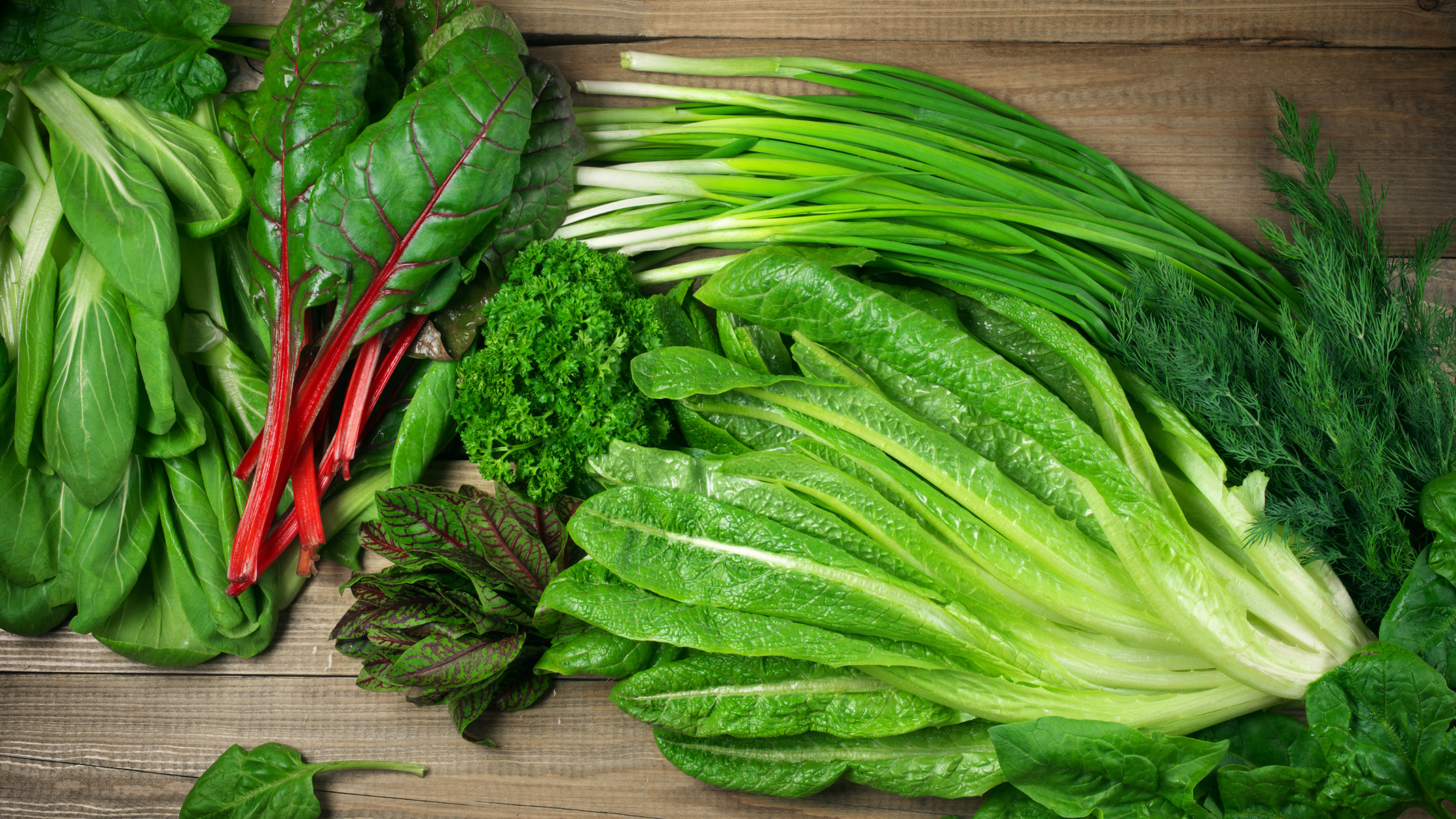
Dark, leafy greens are rich in folate, vitamin B6, magnesium, and antioxidants. These nutrients are essential for neurotransmitter function and help regulate serotonin and dopamine, the brain chemicals responsible for mood regulation and focus. The antioxidants found in greens also help reduce oxidative stress.
Tip: Add leafy greens to daily meals through smoothies, salads, or cooked dishes to increase intake of key vitamins and minerals.
3. Berries (Blueberries, Strawberries, Raspberries)
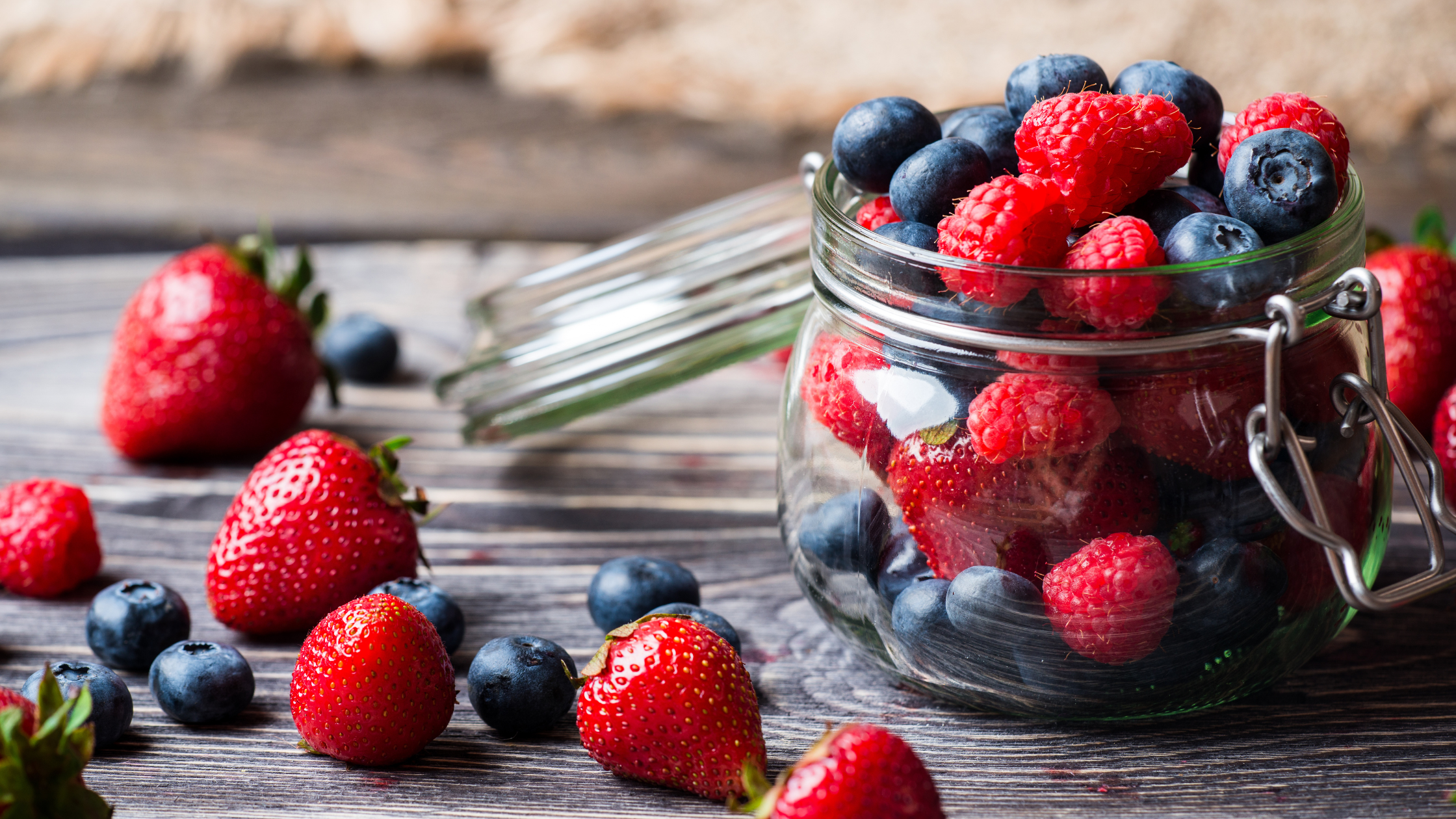
Berries are high in antioxidants, particularly flavonoids, which help protect brain cells from damage caused by free radicals. Their anti-inflammatory properties support cognitive processes such as memory and learning. Some research suggests that berries may help reduce the severity of depressive symptoms.
Tip: Berries make a convenient snack and can be added to yogurt, oatmeal, or blended into smoothies to enhance mental health benefits.
4. Nuts and Seeds (Walnuts, Chia, Flaxseeds, Pumpkin Seeds)
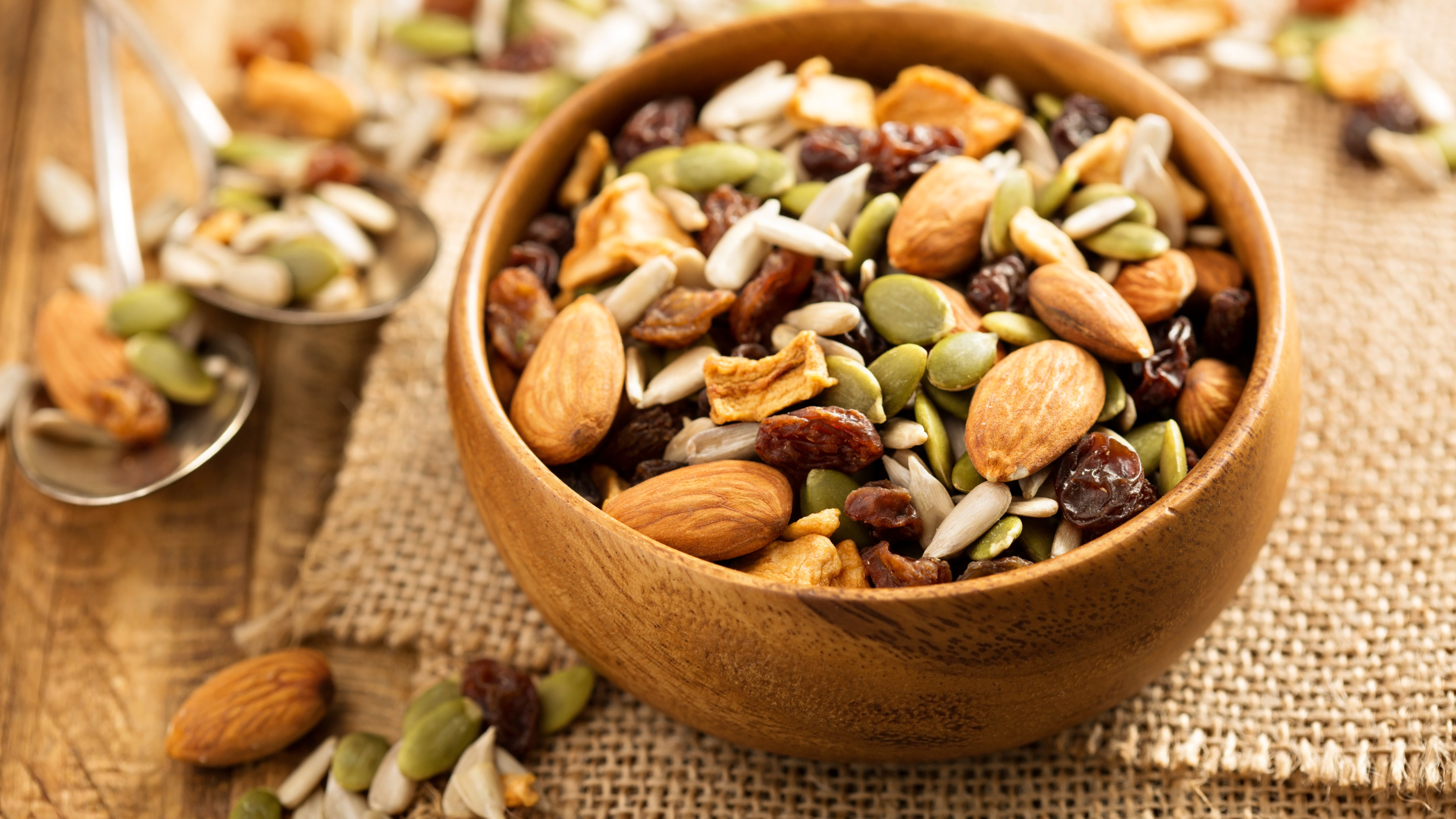
Nuts and seeds are rich sources of healthy fats, magnesium, zinc, and antioxidants like vitamin E. Walnuts are particularly noted for being a plant-based source of omega-3 fatty acids, while pumpkin seeds contain tryptophan, an amino acid that aids in serotonin production.
Tip: Incorporate a small portion of mixed nuts and seeds into your daily routine as a simple, nutrient-dense snack.
5. Whole Grains (Oats, Quinoa, Brown Rice)
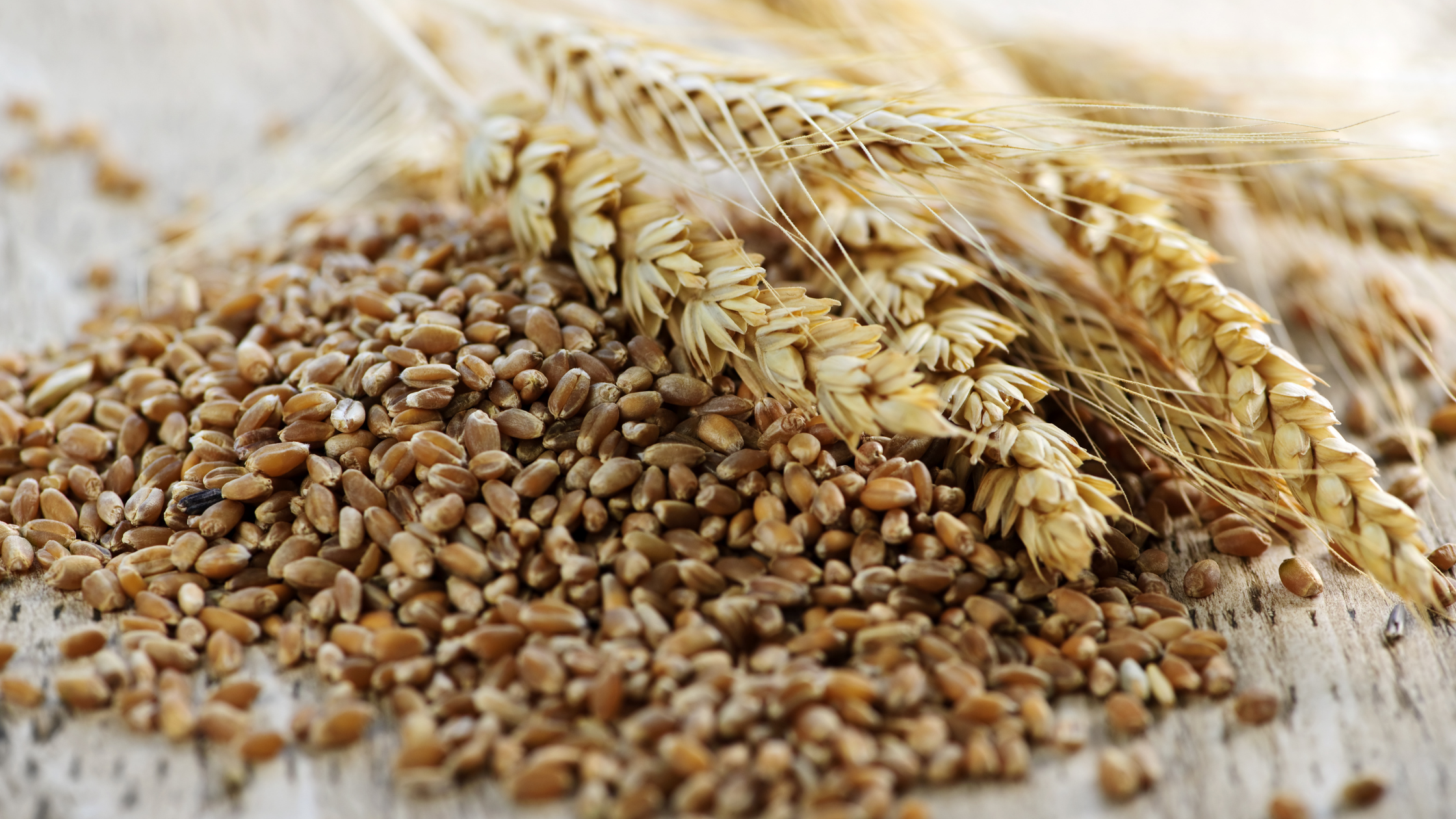
Whole grains provide complex carbohydrates that supply steady glucose to the brain, helping sustain concentration and mood. They are also high in fiber and B vitamins like vitamin B6, which support the nervous system and promote consistent blood sugar levels — important for reducing mood fluctuations.
Tip: Opt for whole grain varieties of breads, cereals, and pastas, and include grains such as oats or quinoa in meals to provide sustained energy and support balanced blood sugar levels.
6. Fermented Foods (Yogurt, Kimchi, Sauerkraut, Kefir)

Fermented foods are a valuable source of probiotics, which help maintain a balanced gut microbiome. This is especially relevant to mental well-being, as the gut plays a significant role in serotonin production. A healthy gut environment supports both digestion and mood stability.
Tip: Include small portions of fermented foods such as kimchi, kefir, or yogurt into your diet regularly to support both gut and mental health.
7. Dark Chocolate (in moderation)

Dark chocolate contains antioxidants, flavonoids, and small amounts of caffeine and theobromine. These compounds may enhance cognitive performance and support serotonin and dopamine activity, which can have a positive effect on mood. Its antioxidant content also helps reduce oxidative stress in brain tissue.
Tip: Choose dark chocolate with at least 70% cocoa and consume in moderation to gain its mental and emotional benefits.
8. Eggs

Eggs are a rich source of B vitamins, especially B12 and vitamin B6, as well as choline and tryptophan. Choline plays a role in producing acetylcholine, a neurotransmitter involved in memory and cognition, while tryptophan contributes to serotonin production and mood balance.
Tip: Include eggs in various meals throughout the week to support both energy and brain function.
9. Avocados
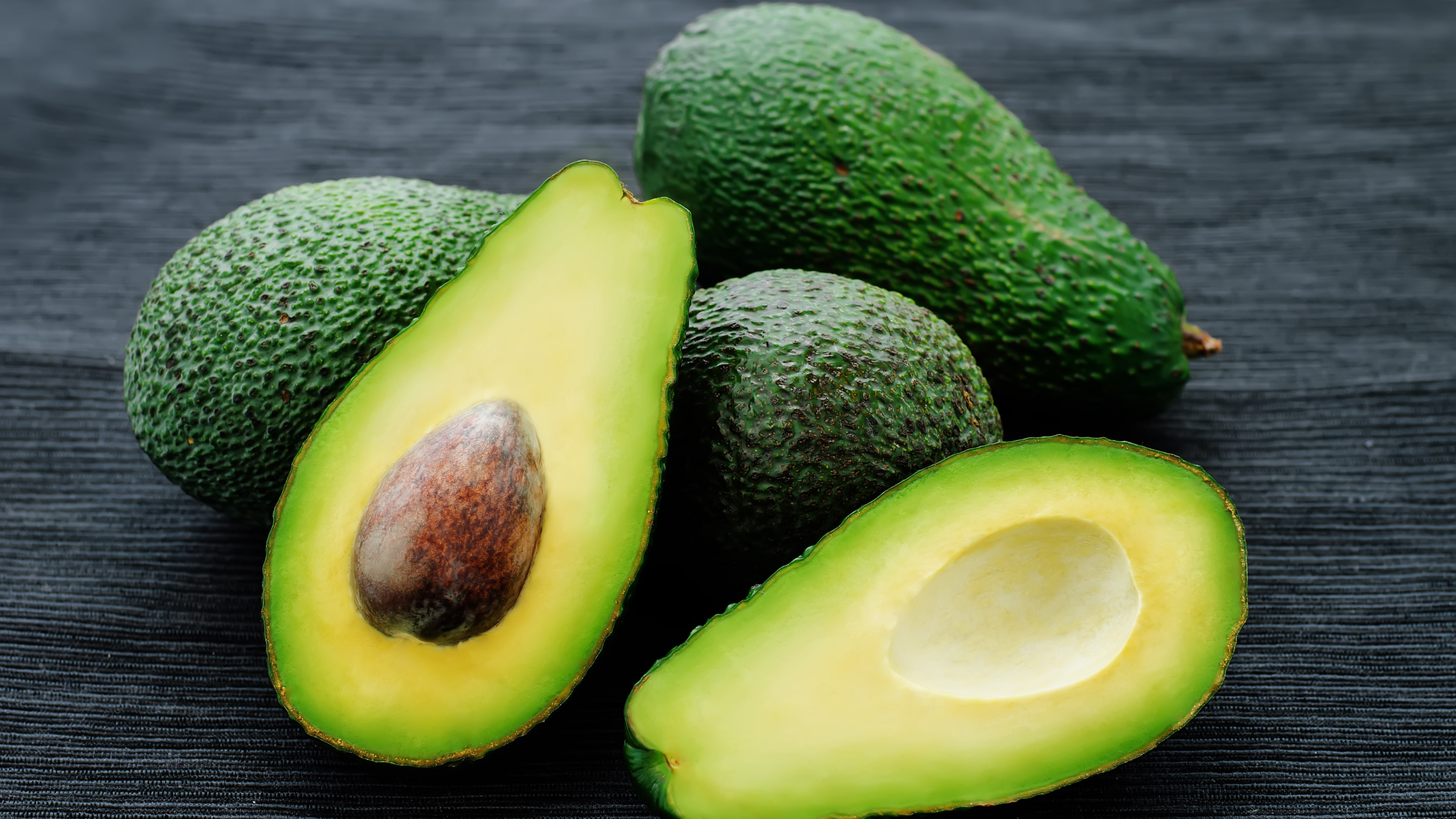
Avocados offer healthy fats that support optimal blood flow to the brain. They are also high in fiber, folate, vitamin B6, and potassium. These nutrients work together to enhance mood, improve concentration, and help reduce inflammation that may impact the nervous system.
Tip: Add avocado to sandwiches, salads, or smoothies for a versatile and brain-supportive food choice.
10. Beans and Legumes (Lentils, Chickpeas, Black Beans)
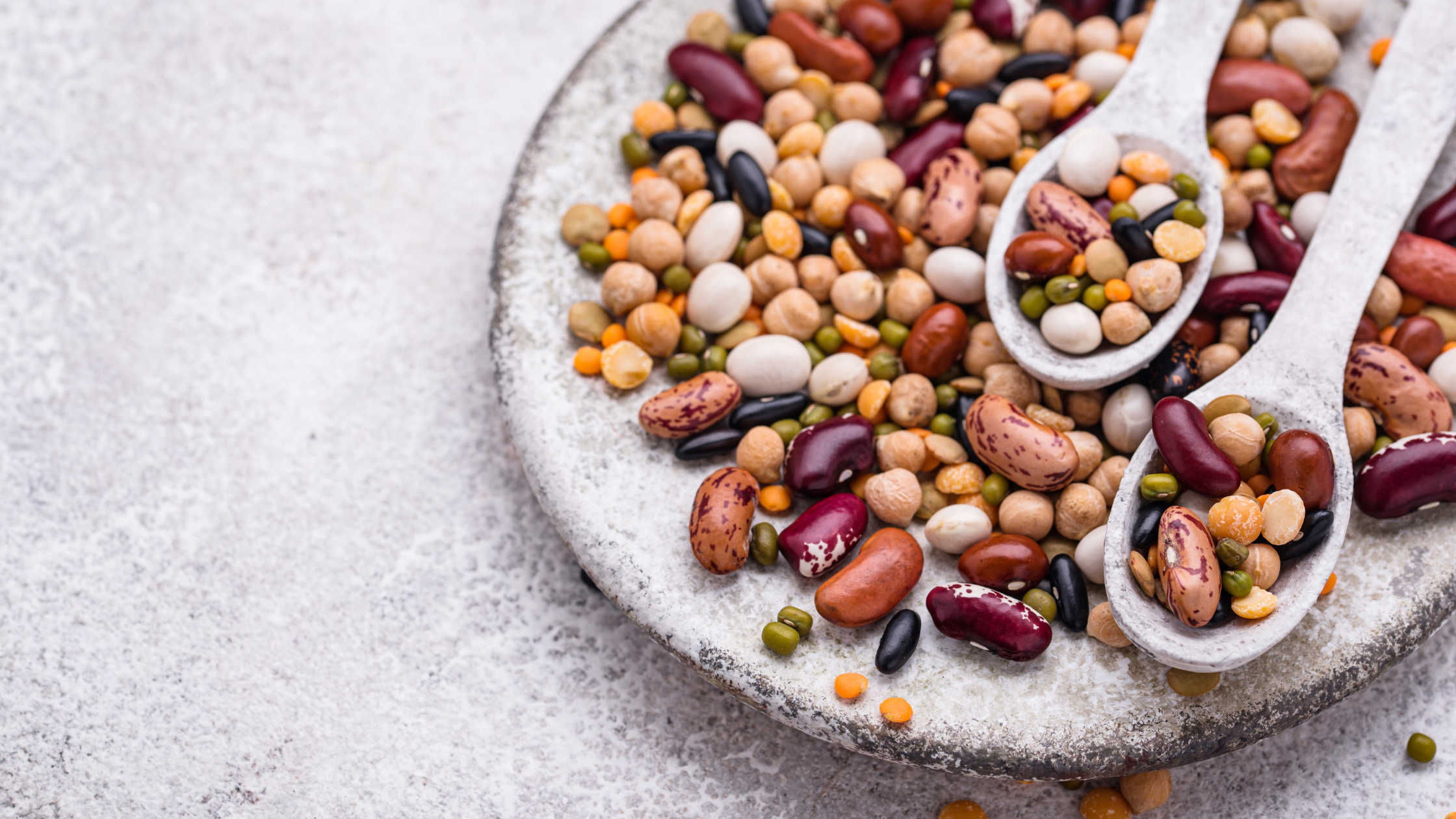
Beans and legumes are excellent sources of amino acids, fiber, iron, and B vitamins. These nutrients contribute to neurotransmitter function and help regulate blood sugar levels, which plays a role in reducing mood swings and supporting energy levels throughout the day.
Tip: Include a variety of beans in soups, stews, and bowls to enhance both digestive and mental health benefits.
Supplements That Support Mental Health (When Diet Isn’t Enough)
While a balanced, nutrient-rich diet is the foundation of mental wellness, it’s not always possible to meet all nutritional needs through food alone. Dietary restrictions, lifestyle factors, or medical conditions can lead to nutrient gaps that may affect both mood and cognitive performance. In these cases, supplements can serve as helpful additions to support overall brain function, serotonin production, and the immune system.
1. Omega-3 Fatty Acids
For individuals who do not consume fatty fish, an omega-3 supplement—typically sourced from fish oil or algae—can be a reliable source of omega-3 fatty acids. EPA and DHA are essential for maintaining healthy brain cell membranes and regulating inflammation, which may impact serotonin and dopamine levels.
2. Magnesium
Magnesium plays a role in over 300 enzymatic reactions in the body, including those related to stress response and neurotransmitter regulation. Deficiencies have been linked to anxiety and fatigue and may disrupt mood regulation and sleep.
3. Vitamin D
Low levels of vitamin D are associated with a higher risk of depression and seasonal mood disorders. Supplementing can support both the immune system and mental health, particularly in individuals with limited sun exposure.
4. Probiotics
Supplemental probiotics help support a healthy gut environment, which is directly tied to serotonin production. A balanced gut microbiome contributes to emotional stability and reduced inflammation.
5. B-Complex Vitamins
B-complex vitamins, especially vitamin B6, B12, and folate, are essential for energy metabolism, amino acid synthesis, and neurotransmitter balance. They may be particularly beneficial for individuals with absorption issues or dietary limitations.
Note: Always consult a healthcare provider before starting any new supplement to ensure it aligns with your health status and needs.
Take the Next Step
Interested in identifying the supplements best suited to your needs?
Take our quick quiz to get a personalized supplement recommendations based on your lifestyle and wellness goals.
Final Thoughts
Nutrition has a measurable impact on mental well-being. The top 10 foods for mental health outlined above contain essential vitamins, minerals, healthy fats, and antioxidants that collectively support the brain and nervous system.
Incorporating these foods into your daily meals can help stabilize mood, improve focus, support serotonin and dopamine function, and reduce the risk of cognitive decline. Combined with other lifestyle factors like sleep, exercise, and stress management, a brain-focused diet can serve as a practical and sustainable way to enhance both short- and long-term emotional health.
Frequently Asked Questions
How quickly can food affect my mental health?
Some effects, like steadier energy and improved focus from whole grains or hydration, can be felt within hours. However, long-term benefits like reduced anxiety, improved mood, and sharper memory come from consistently eating nutrient-rich foods over weeks and months.
Do I need supplements if I eat a balanced diet?
Not always. A nutrient-dense diet with fatty fish, leafy greens, legumes, and fermented foods can cover many needs. But if you have dietary restrictions, limited sun exposure, or certain health conditions, supplements like omega-3s, vitamin D, or probiotics can help fill the gaps.
Can these foods replace therapy or medication for mental health conditions?
No. While nutrition plays a vital role in supporting brain health, it’s not a substitute for professional mental health care. These foods should be seen as complementary to therapy, medication, exe