

Understanding postpartum aggression is the first step toward better care for new mothers and their families. For many people, the postpartum period brings a mix of joy and strain. For some parents, those strains show up as sudden anger, intense irritability, or emotional swings that feel out of character. These responses can be confusing and isolating for the person experiencing them and for partners or caregivers who want to help.
What Is Postpartum Aggression?
Postpartum aggression describes a pattern of anger and emotional dysregulation that appears after childbirth. It is different from the tired, short-tempered moments most new parents expect. Rather than brief frustration, postpartum aggression can include frequent anger outbursts, intrusive aggressive thoughts, or a sense of losing control in stressful parenting moments. The term covers a range of severity, from mild irritability to episodes that feel dangerous or overwhelming.
This experience is often overlooked because it does not always look like sadness or classic depression. Many people still assume that postpartum mood issues always present as tearfulness or low mood. In contrast, postpartum aggression centers on heightened anger and reactivity. Recognizing this pattern helps reduce blame and opens the door to appropriate support.
Why Awareness Matters
Raising awareness about postpartum aggression matters for three practical reasons.
- Safety and Early Help — Knowing that intense anger can be a postpartum issue helps families spot when feelings need urgent attention. Early recognition makes it easier to get immediate care when safety is a concern.
- Reducing Stigma — Labeling these reactions as a common postpartum response reduces shame. When mothers understand that anger can be a part of postpartum change, they are more likely to talk to a provider or trusted support person.
- Improving Family Well-Being — Awareness encourages partners and caregivers to respond with practical support, such as helping with infant care, sleep, and household tasks. Better support can lessen the intensity and duration of postpartum aggression.
Take the 3 minute assessment to find your personalized mood support formula.
Support should be specific, not generic.
Learn more about depression and how it affects the brain.
How This Post Helps
This article series will explain how postpartum aggression differs from other postpartum mood disruptions, when to seek immediate help, and what effective next steps look like. If you or someone you care about is experiencing strong anger after birth, this content aims to normalize the experience and guide you toward safer, evidence-based options.
Discover what your body needs to support mood and emotional balance.
Small changes in input can create meaningful shifts over time.
Explore more depression-related guides.
Clinical recognition and diagnosis
Clinicians increasingly describe postpartum aggression as a form of postpartum mood disruption that centers on anger, irritability, and poor emotional regulation. It is important to know that many health providers treat these symptoms seriously even though the term is not an official psychiatric diagnosis. Distinguishing postpartum aggression from postpartum depression or anxiety helps guide care and avoid mislabeling anger as simply bad parenting.
How it differs from depression and anxiety
Postpartum aggression often shows up as heightened reactivity, intrusive angry thoughts, or sudden outbursts. Depression typically involves persistent low mood, loss of interest, and hopelessness. Anxiety tends to present as constant worry and physical tension. A person can have overlapping conditions, so accurate assessment by a clinician or perinatal mental health specialist is important.
Symptom patterns by severity
- Mild: increased irritation, snapping at small stressors, or feeling unusually impatient.
- Moderate: frequent anger outbursts, difficulty calming down, intrusive thoughts about losing control.
- Severe: violent impulses, persistent thoughts of harming self or baby, or episodes that put safety at risk.
Emergency red flags
Seek immediate professional help if there are thoughts of harming yourself or the infant, any physical aggression, or an inability to care for the baby. These signs move the situation from a treatable mood disruption into a crisis requiring urgent intervention and a safety plan.
Root causes and contributing factors
Postpartum aggression arises from a mix of biological, physical, and social factors. Understanding these contributors helps families take targeted steps to reduce intensity and prevent escalation.
Hormonal and physical drivers
Rapid changes in estrogen and progesterone after birth can affect mood regulation. Thyroid shifts and inflammation may also play a role. On top of biology, chronic sleep loss and physical recovery from childbirth reduce a person’s capacity to manage stress, making anger more likely.
Psychosocial and relational influences
Expectations about motherhood that are not met, limited partner involvement, and social isolation all increase risk. When basic needs are unmet or a new parent feels unsupported, anger can function as an alarm signal. Cultural pressures and stigma around maternal feelings may also prevent people from asking for help.
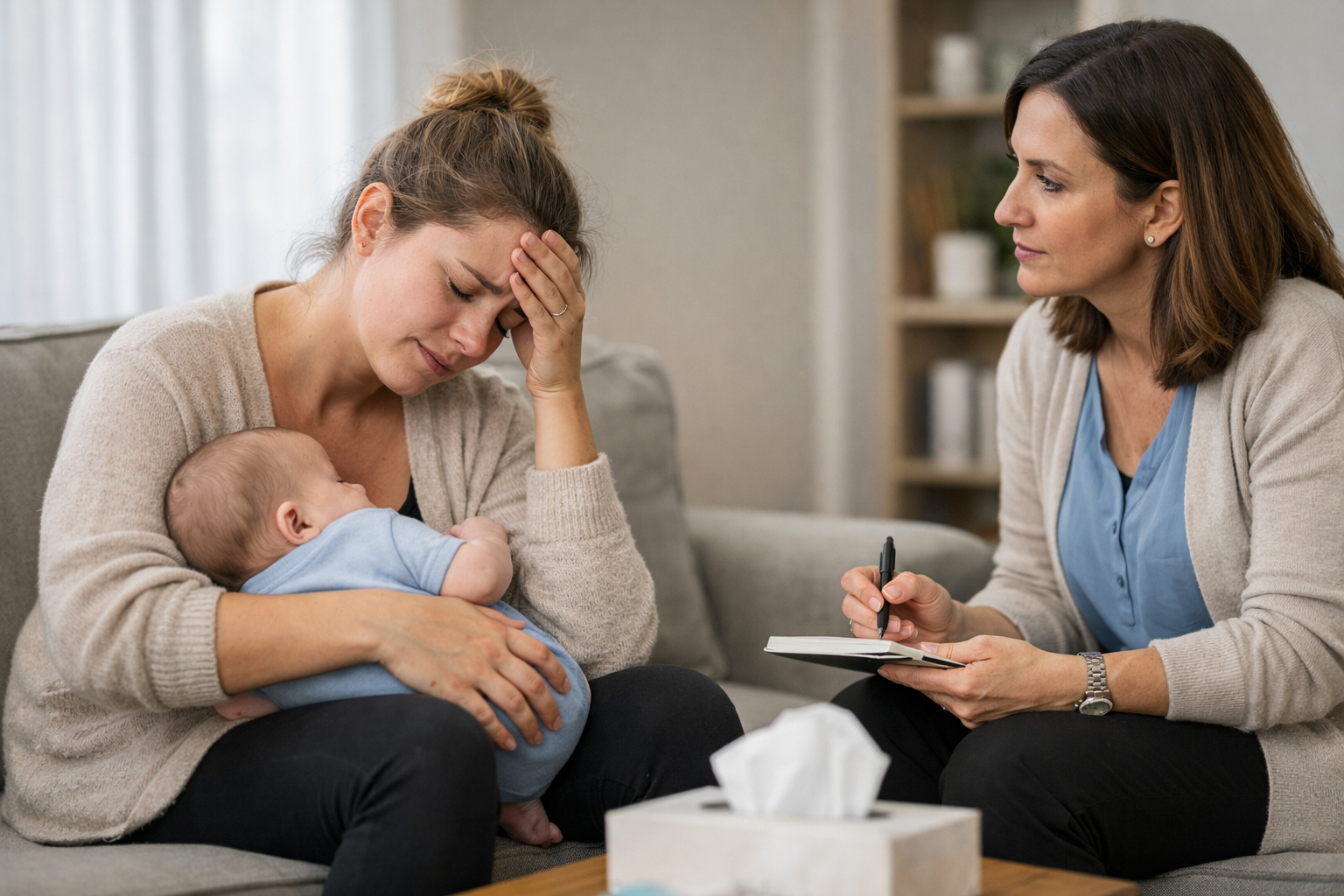
Effective treatments and coping strategies
Treatment for postpartum aggression is most successful when it combines clinical intervention, family involvement, and practical self-care. Below are evidence-informed approaches to consider.
Professional interventions
- Cognitive behavioral therapy to identify triggers and change unhelpful thinking patterns.
- Interpersonal therapy that addresses relationship strain and role changes.
- Dialectical behavior therapy skills for emotional regulation and distress tolerance.
- Psychiatric evaluation for medication when symptoms are severe or persistent.
Support systems and partner strategies
Peer groups and perinatal mental health programs reduce isolation and offer practical coping tips. Partners can help by taking over infant care periods to allow uninterrupted sleep, validating emotions without judgment, and helping develop a safety plan. Clear communication about needs and limits reduces the pressure that feeds anger after birth.
Prevention and daily management
- Plan for sleep recovery with scheduled rest and naps.
- Prioritize nutrition and gentle movement to stabilize mood.
- Use short grounding practices and breath work when anger rises.
- Set realistic expectations for parenting in the first months and ask for practical help early.
Recovery trajectory and what to expect
Recovery varies. Some people notice improvement within weeks when sleep and support improve. Others need months of therapy and medical care. With timely help, most new parents see meaningful reduction in symptoms and regain confidence in caregiving. If postpartum aggression or related symptoms continue or worsen, follow up with a perinatal clinician to adjust the care plan.
Recognizing maternal anger after childbirth as a common and treatable concern lowers shame and opens pathways to safety, healing, and stronger family relationships.
Treatment Options And How To Find Help
If postpartum aggression is affecting daily life, early and specific treatment improves outcomes. Care that combines clinical therapy, family involvement, and practical safety planning is most effective. A perinatal mental health specialist can tailor treatment to each person.
Evidence-Based Therapy Approaches
- Cognitive Behavioral Therapy (CBT): Helps identify thought patterns that trigger anger and teaches alternative responses.
- Interpersonal Therapy (IPT): Focuses on relationship stressors and role changes after birth that feed postpartum aggression.
- Dialectical Behavior Therapy (DBT) Skills: Builds emotional regulation, distress tolerance, and mindfulness tools to manage intense urges.
- Mother-Infant Therapy: When aggression affects bonding, dyadic work supports attachment while addressing emotional distress.
- Medication Management: A psychiatric evaluation may recommend antidepressants or other medications when symptoms are severe or persistent. Medication is one part of a broader plan.
How To Find Appropriate Care
- Ask your obstetrician, midwife, or pediatrician for perinatal mental health referrals.
- Look for clinicians with perinatal or maternal mental health training.
- Consider teletherapy if local specialists are scarce.
- Join structured peer support groups for parents facing similar experiences.
Immediate Safety And Support Steps
When thoughts of harming yourself or your baby occur, act immediately. Create a short safety plan and involve trusted people. Practical steps include arranging another adult to stay with the infant, removing potentially dangerous objects from reach, and calling emergency services if there is imminent risk.
Partner And Family Actions
Partners and family members play a vital role in reducing triggers for postpartum aggression. Practical support often works better than reassurance alone.
- Take over nighttime feeds and diaper duties for extended stretches to restore sleep.
- Offer specific help such as cooking, grocery runs, or watching the baby while the parent naps.
- Use calm, nonjudgmental language to validate emotions and encourage professional help.
- Help with scheduling appointments and attending therapy sessions when invited.
Daily Tools For Managing Emotions
Small, repeatable practices reduce the intensity and frequency of anger episodes. Use these tools between therapy sessions.
- Microbreaks: five minutes away from a trigger to breathe, change position, or step outside.
- Grounding techniques: name five things you can see, four you can touch, three you can hear.
- Sleep hygiene: cluster care with a partner, nap when the baby naps, and limit caffeine late in the day.
- Nutrition and movement: regular meals, protein-rich snacks, and short walks help stabilize mood.
- Phone-free windows: remove digital demands during dedicated rest or bonding periods.
Prevention, Cultural Context, And Long-Term Outlook
Prevention begins prenatally by setting realistic expectations, lining up practical supports, and discussing mental health history with providers. Cultural norms about motherhood shape how people experience and report postpartum aggression. Clinicians should consider cultural and socio-economic factors when planning care.
Recovery timelines vary. Some people improve quickly once sleep and supports are restored. Others need months of therapy and medical care. Most respond well to a combination of therapy and medication and, when appropriate, additional supports. Regular follow-up ensures the plan evolves with changing needs.
Final Thoughts And Call To Action
Postpartum aggression is a treatable condition, not a moral failing. If you or someone you love is struggling, reach out to a health professional today. Start with your obstetric provider or primary care clinician, ask for perinatal mental health referrals, and create a short safety plan now. Early steps reduce risk and speed recovery. You are not alone, and help is available.
Discover what your body needs to support mood and emotional balance.
Small changes in input can create meaningful shifts over time.
Explore more depression-related guides.
Frequently Asked Questions
Can partners experience postpartum aggression too?
Yes. While postpartum aggression most commonly describes the parent who gave birth, partners can also show increased irritability and anger in the postnatal period. Recognizing postpartum aggression in any caregiver helps the family get coordinated support.
Will postpartum aggression affect breastfeeding?
Postpartum aggression can make breastfeeding more stressful for the parent, especially if anxiety or sleep loss is severe. Working with lactation consultants and mental health providers helps manage postpartum aggression while supporting feeding goals.
How long does postpartum aggression usually last?
Duration varies. Some people see improvement in weeks after sleep and support improve, while others need several months of therapy. Persistent postpartum aggression should prompt reassessment and possible next steps for healing or specialized care.