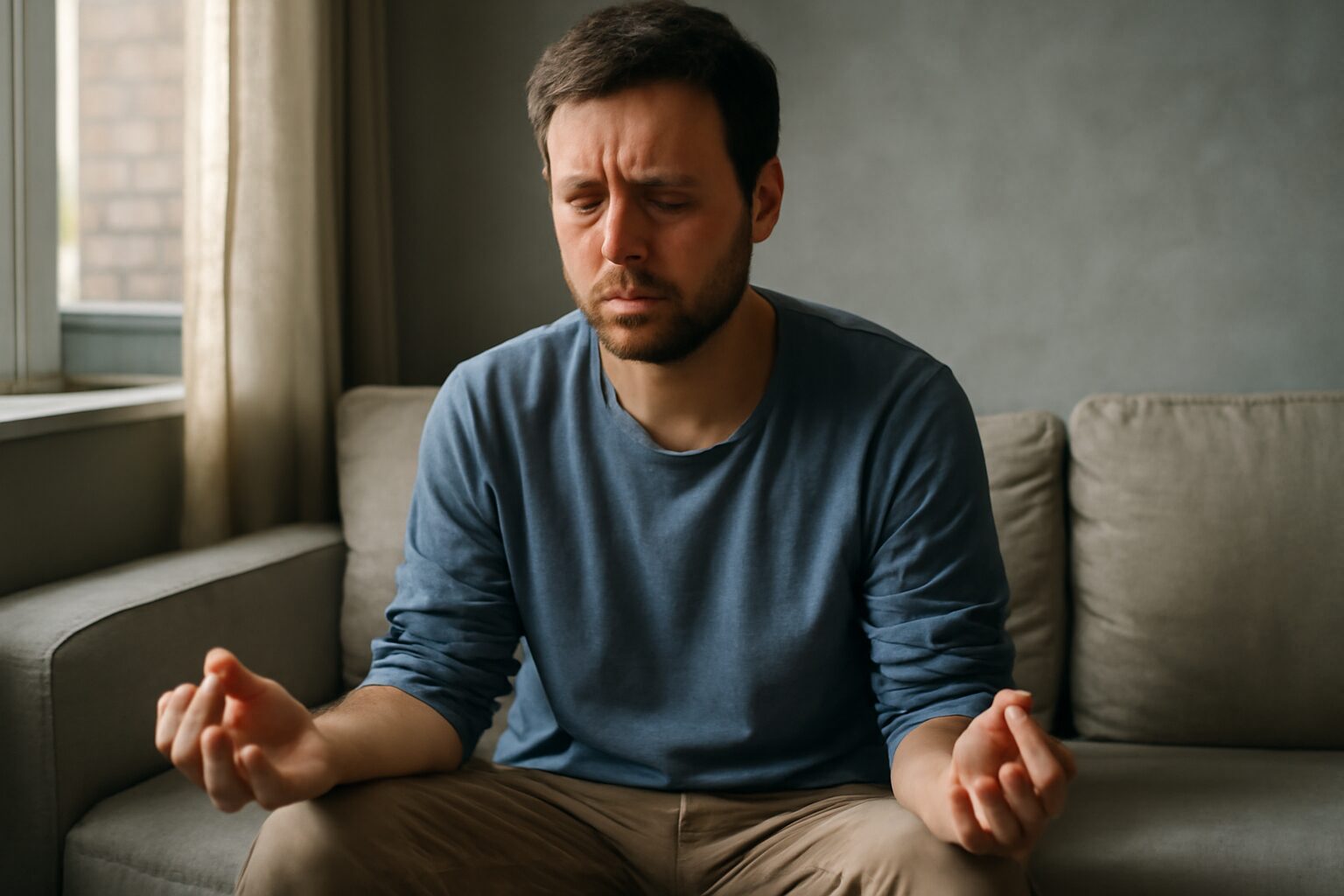

Depression is a serious mental health condition that affects millions of people worldwide. It can make it hard to work, maintain relationships, and enjoy daily life.
It often shows up as persistent sadness, loss of motivation, fatigue, changes in sleep or appetite, and a general feeling of hopelessness that can make even the simplest tasks feel overwhelming. Left untreated, depression can significantly reduce quality of life and increase the risk of other health problems.
While treatments such as therapy and medication remain important, many people are now turning to holistic approaches for additional support.
Among these, mindfulness exercises for depression have emerged as a powerful, science-backed tool that can calm the mind, reduce stress, improve emotional regulation, and gradually help people build resilience against negative thought patterns.
Understanding Mindfulness and Its Impact On Mental Health
Mindfulness is the practice of paying close attention to the present moment without judgment or distraction. Instead of labeling your thoughts and feelings as good or bad, you simply notice them and let them pass.
This creates space between you and your emotions, making it easier to respond calmly rather than react automatically.
Practicing mindfulness can involve simple techniques like focusing on your breathing, paying attention to body sensations, or observing the world around you with curiosity. Over time, this habit has been shown to have a powerful effect on mental health. It can reduce stress, lower anxiety, and ease symptoms of depression.
By building awareness and acceptance, mindfulness helps break the cycle of negative thinking patterns that often fuel depression, allowing people to feel more balanced, present, and in control of their daily lives.

The Science Behind Mindfulness
Studies show that mindfulness can help reduce symptoms of depression. Programs like mindfulness meditation or mindful breathing have been proven to improve mental health.
They work by helping people control their emotions, stop constant negative thinking, and become more aware of their thoughts and feelings. This makes it easier to handle stress and avoid getting stuck in harmful thought patterns.
Mindfulness is not only good for mental health. It can also improve physical health by lowering stress, improving sleep, reducing blood pressure, and boosting the immune system. In this way, mindfulness supports both mind and body.
The best results often come when mindfulness is combined with other treatments. Used together with therapy, such as cognitive behavioral therapy (CBT), or with medication, mindfulness gives people a more complete way to manage depression.
This approach addresses both the mental side, like negative thoughts, and the physical side, like brain chemistry, leading to better overall results.
Purpose of this post
The goal of this post is to share simple and practical mindfulness exercises that you can add to your daily routine to help manage depression. These exercises are easy to follow, whether you are completely new to mindfulness or already have some experience. By practicing them regularly, you can find more calm, reduce stress, and support your mental health over time.
In the next sections, we’ll look at specific mindfulness techniques and give you step-by-step guides to get started. These practices can help prevent depression from returning, build emotional strength, and create a greater sense of balance in everyday life.
Mindfulness-based interventions for depression
Mindfulness-based interventions (MBIs) have gained significant traction as effective approaches to managing depression. Among the most recognized MBIs are Mindfulness-Based Cognitive Therapy (MBCT) and Mindfulness-Based Stress Reduction (MBSR). These structured programs combine mindfulness practices with therapeutic techniques to address the cognitive and emotional challenges associated with depression.
Types of Mindfulness-Based Interventions
Mindfulness-Based Cognitive Therapy (MBCT):
MBCT was created to help prevent depression from coming back. It combines mindfulness practices with cognitive therapy techniques. Research shows that MBCT can be just as effective as staying on antidepressant medication for people who have had repeated episodes of depression. The program teaches people to notice their thoughts and feelings early, which lowers the chance of slipping back into old patterns of depression.
Mindfulness-Based Stress Reduction (MBSR):
MBSR is designed to lower stress and improve overall well-being. Its main goal is stress reduction, but studies also show that it can help ease symptoms of depression, increase self-compassion, and reduce negative thinking. By practicing mindfulness in everyday life, people learn to handle stress with more calmness and clarity.
Practical mindfulness exercises
Incorporating simple mindfulness exercises into your daily routine can significantly alleviate depressive symptoms. Here are some practical exercises that are both accessible and effective:
Mindful breathing
Mindful breathing is a foundational practice that involves focusing your attention on the breath. To begin, find a comfortable seated position and close your eyes. Take a deep breath in through your nose, allowing your abdomen to expand, and then slowly exhale through your mouth.
Continue this pattern, paying attention to the sensation of each breath. This exercise can lead to an immediate reduction in depression, anxiety, and stress scores, making it an ideal practice for those seeking quick relief.
Body scan meditation
The body scan meditation is a technique that enhances body awareness and reduces stress. To perform a body scan, lie down in a comfortable position and close your eyes.
Starting from the top of your head, slowly bring your attention to each part of your body, observing any sensations without judgment. Continue this process down to your toes, taking your time with each area. This exercise promotes relaxation and helps release physical tension associated with depression.

Mindful walking
Mindful walking combines physical activity with mental relaxation, making it a powerful tool for managing depression. To practice mindful walking, choose a quiet place where you can walk slowly without distractions. Focus on the sensation of your feet touching the ground, the movement of your legs, and the rhythm of your breath. This exercise encourages a deeper connection with the present moment, fostering a sense of peace and grounding.
Embracing Digital Mindfulness
Today, many people use mindfulness apps to make the practice easier and more accessible. These apps offer guided meditations, breathing exercises, and other simple tools that you can use anytime, anywhere. The convenience of digital platforms allows you to practice at your own pace and in the comfort of your home, making it easier to build mindfulness into your daily routine.
Research shows that digital mindfulness programs can reduce symptoms of depression, anxiety, and stress. Because they offer a wide variety of exercises, they can match different preferences and needs, giving users more options to find what works best for them. The flexibility also means you can adjust your practice to fit your schedule and personal goals.
Whether you choose structured programs like MBCT and MBSR, or prefer using apps and simple daily exercises, adding mindfulness to your life can make a real difference. Embracing these practices can help you find peace, strengthen resilience, and move toward a healthier, more balanced life.
Combining Mindfulness with Traditional Therapies
Mindfulness works even better when combined with traditional treatments like cognitive behavioral therapy (CBT) or medication. Together, they create a more complete approach to managing depression. Mindfulness builds awareness and acceptance, which supports the thought-changing techniques used in CBT. When included in a personalized treatment plan, mindfulness can make therapy more effective and better suited to each person’s needs.
Relapse Prevention Through Mindfulness
Mindfulness-Based Cognitive Therapy (MBCT) is especially helpful for people who have had depression more than once. It teaches them to notice early warning signs, like negative thoughts or changes in mood, and to respond with mindfulness techniques before symptoms get worse. Practicing mindfulness regularly is key for long-term results. Even short, daily practices can strengthen emotional resilience and lower the risk of relapse, helping people maintain better mental health over time.
Frequently Asked Questions
What is mindfulness?
Mindfulness means paying attention to the present moment without judgment. It’s about noticing your thoughts and feelings without labeling them as good or bad. This helps build awareness and acceptance.
How does mindfulness help with depression?
Mindfulness exercises for depression work by improving self-awareness, calming negative thoughts, and helping you manage emotions more effectively. Over time, this can reduce common symptoms of depression.
Can mindfulness replace medication for depression?
Mindfulness can be very helpful, but it usually works best when combined with other treatments. It should not replace medication unless recommended by a doctor. A personalized plan is always the safest approach.
How often should I practice mindfulness?
Even a few minutes every day can make a difference. The key is consistency. Regular practice leads to better results for mental health and overall well-being.
Are there any risks with mindfulness?
Mindfulness is safe for most people. However, if you have severe depression or past trauma, it’s best to speak with a professional before starting. Choosing the right approach makes mindfulness safer and more effective.